

“GARDEN CITY “

Unlocked
Jaysuits, if you think you know Richmond, think again. For two days in June, the city drops its guard, flings open its doors, and invites you to step inside the pulse of its neighborhoods, the sanctuaries of its faiths, the fields that feed its people, and the studios where its wildest dreams take shape.
Welcome to Doors Open Richmond 2025; the city’s most ambitious celebration of multicultural vibrancy, and radical openness since 2015.
” All FREE “
Fifty-plus sites. Museums, temples, farms, art studios, historic landmarks, and food havens
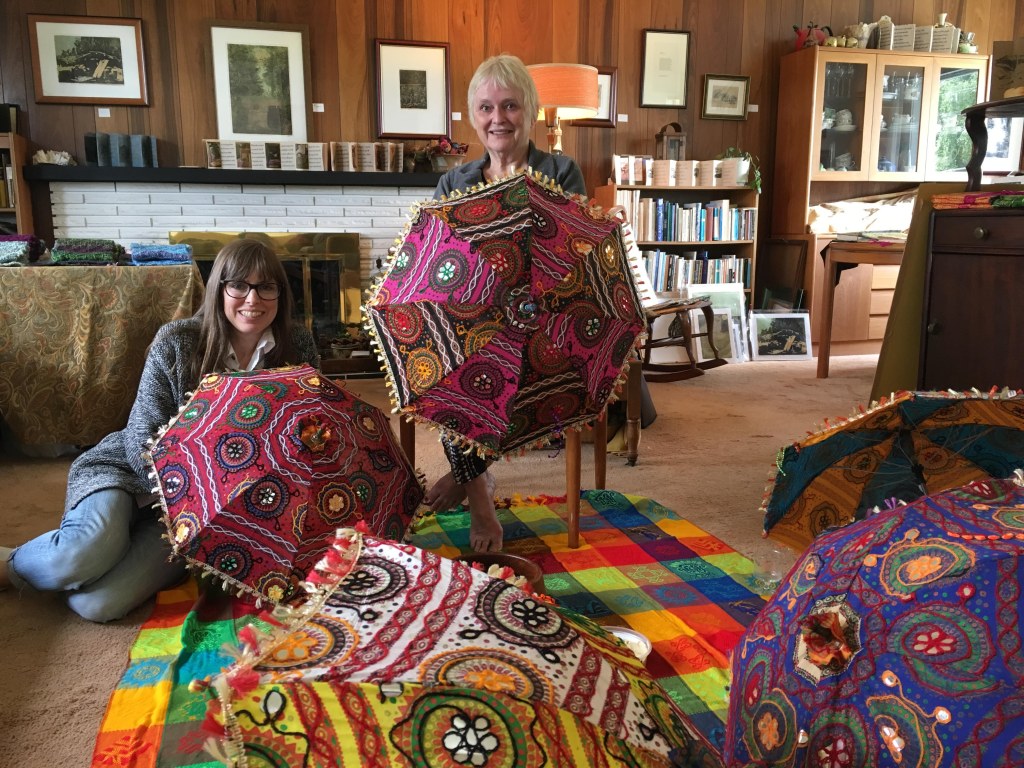
Seawrack Press Studio. Photo courtesy of Gina Page 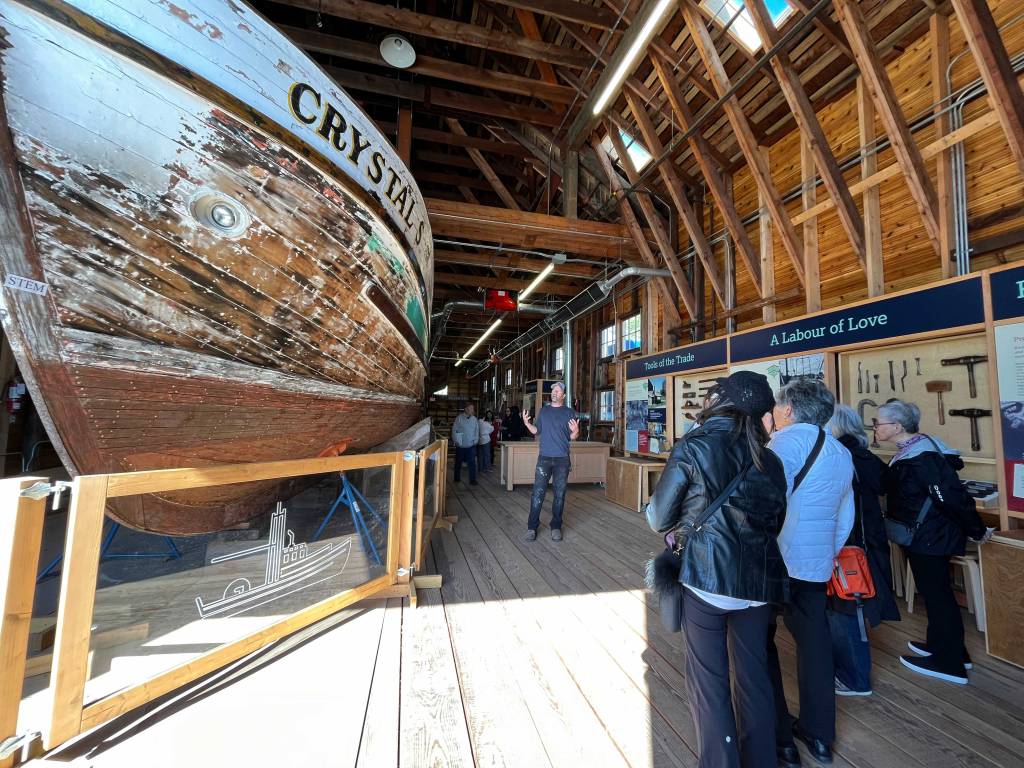
Richmond Boat Builders at Britannia Shipyards National Historic Site. Photo courtesy of Richmond Museum. 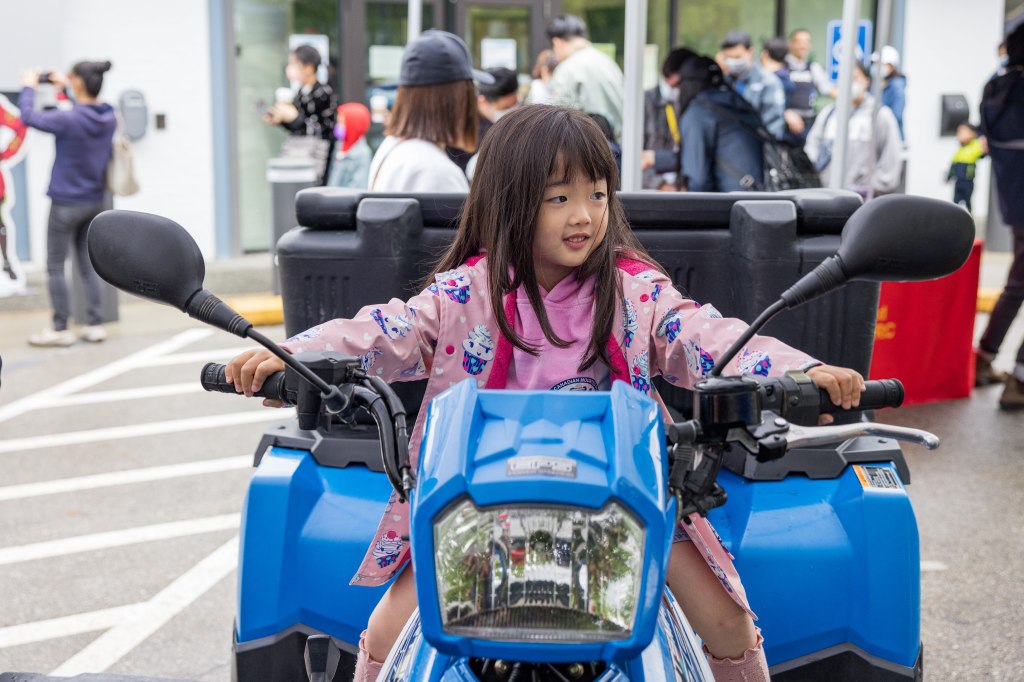
Richmond RCMP. Photo courtesy of Richmond Museum 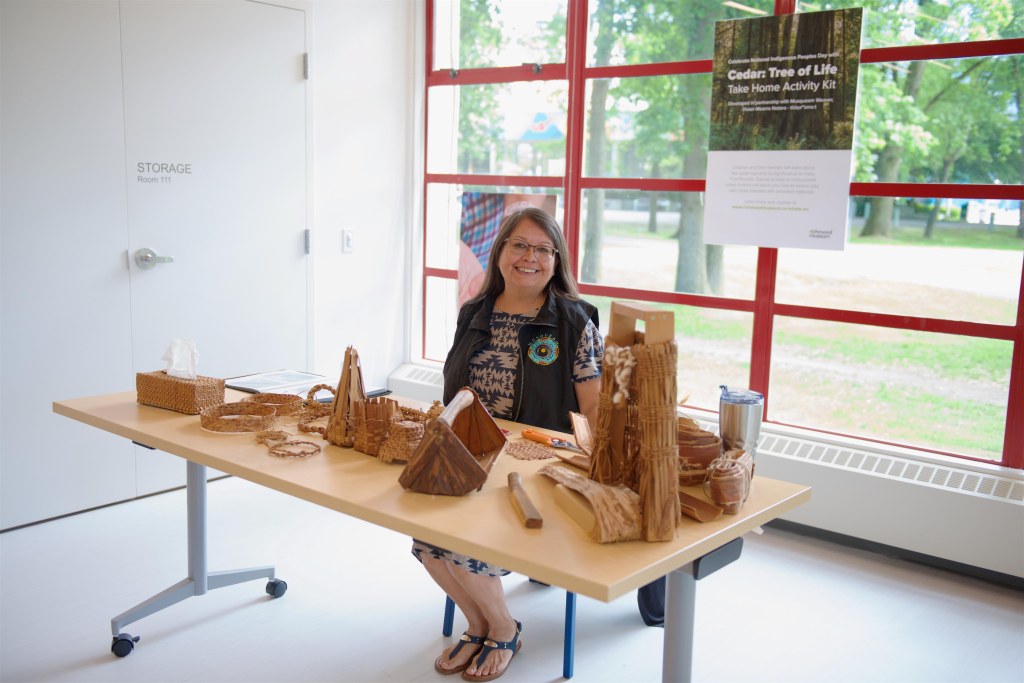
Vivian Mearns Notaro teaches cedar weaving as part of Richmond Museum programming for Doors Open Richmond 2024. Photo courtesy of Jennifer Strang and Richmond Museum. 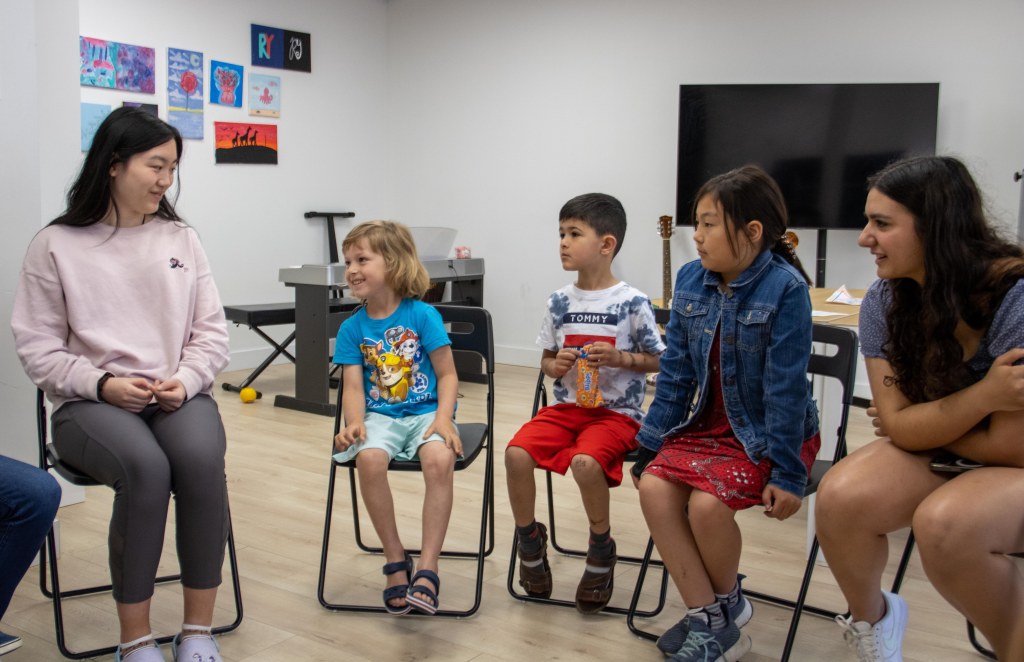
Richmond Youth Education Centre. Photo courtesy of Richmond Museum 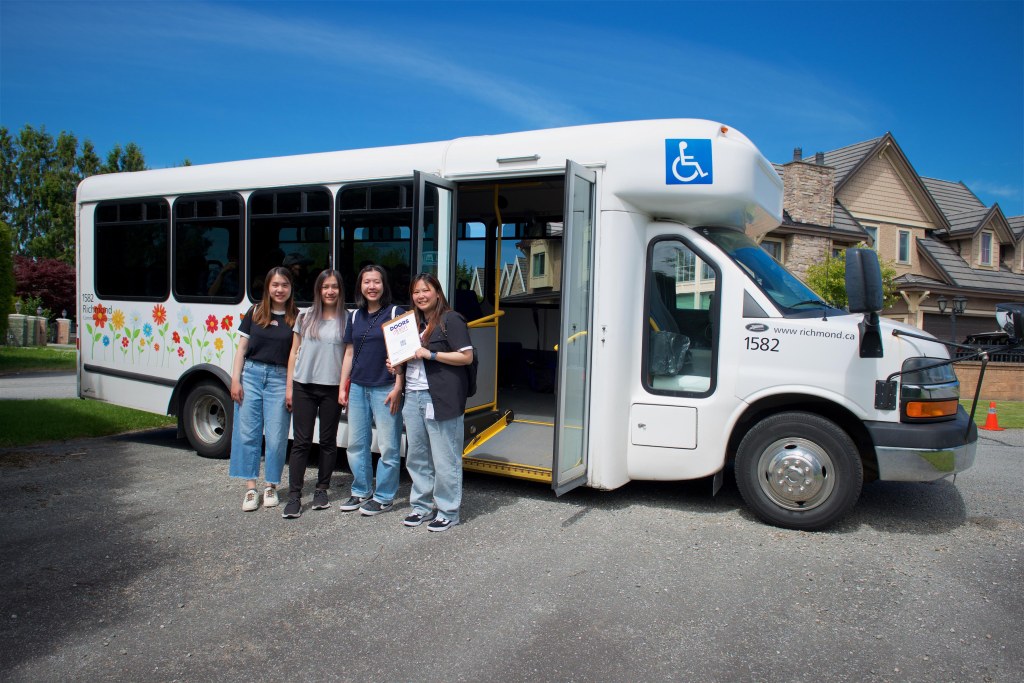
Participants boarding a bus tour for Doors Open Richmond 2024. Photo courtesy of Jennifer Strang and Richmond Museum. 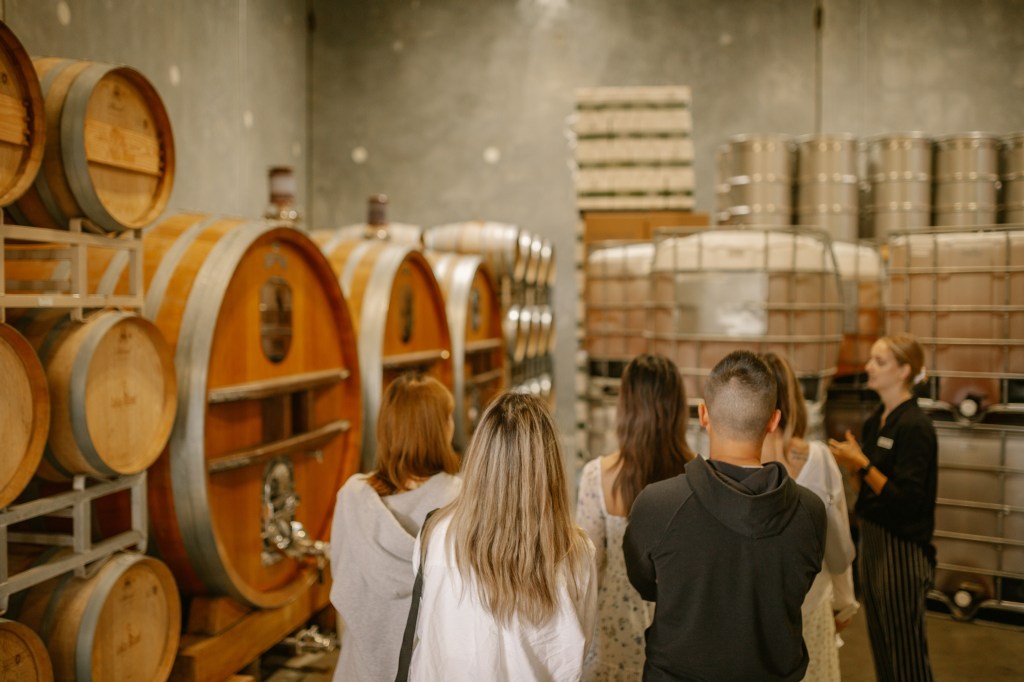
LuLu Island Winery. Photo courtesy of LuLu Island Winery. 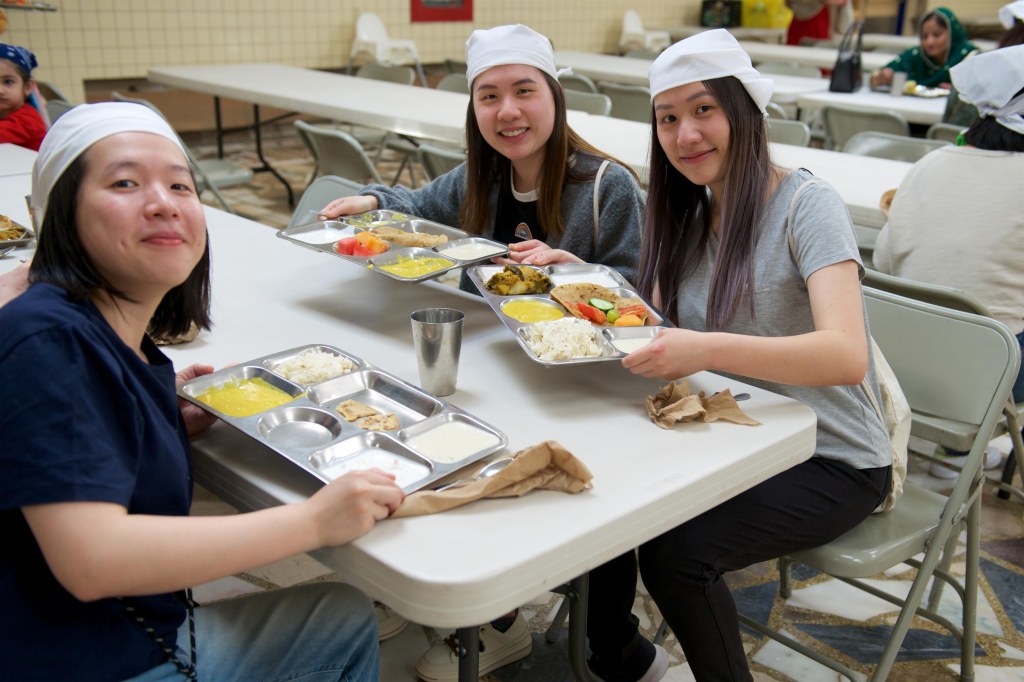
Participants at Nanaksar Gurdwara Gursikh Temple for Doors Open Richmond 2024. Photo courtesy of Jennifer Strang and Richmond Museum.
All yours to roam.
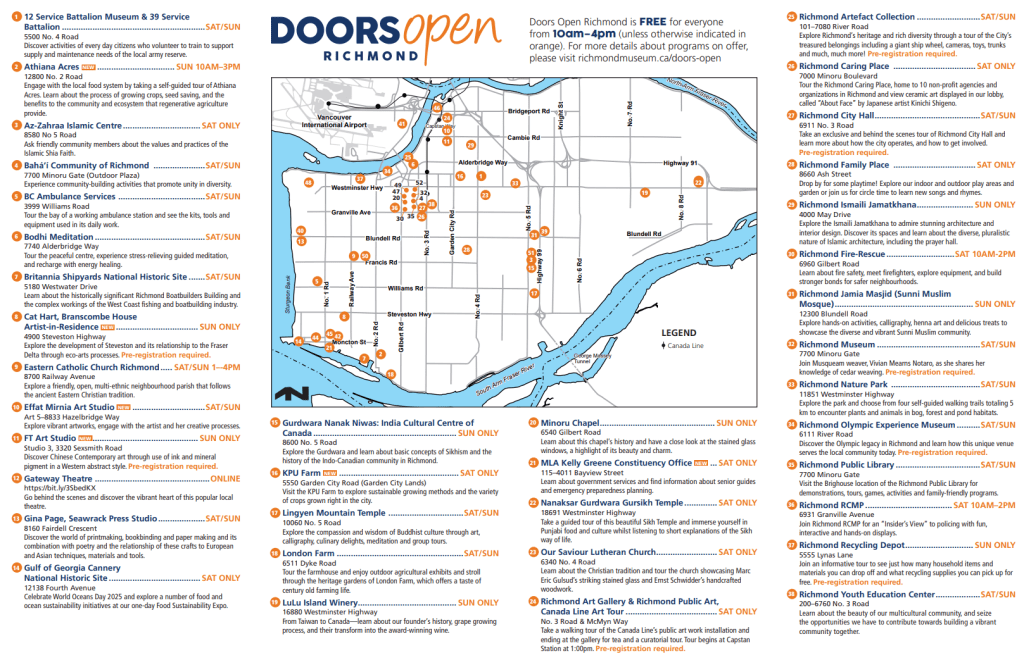
Since 2008, more than 269,000 explorers (that’s you, future Jaysuits) have wandered these corridors and courtyards, discovering the stories that textbooks skip and tourist brochures flatten.
And because you demanded it, the free bus tours are back; doubled in number, split into two themes, and ready to whisk you from hidden gems to headline acts without breaking a sweat.

I’ll be spotlighting three local farms that anchor our food system, sacred spaces that map the city’s spiritual DNA, and a creative sector that refuses to color inside the lines.
Ready to crack open the map? Scroll on.
🚜The Green Heart – Richmond’s Agricultural Farms🚜
The Jaysuit Cheat Sheet:
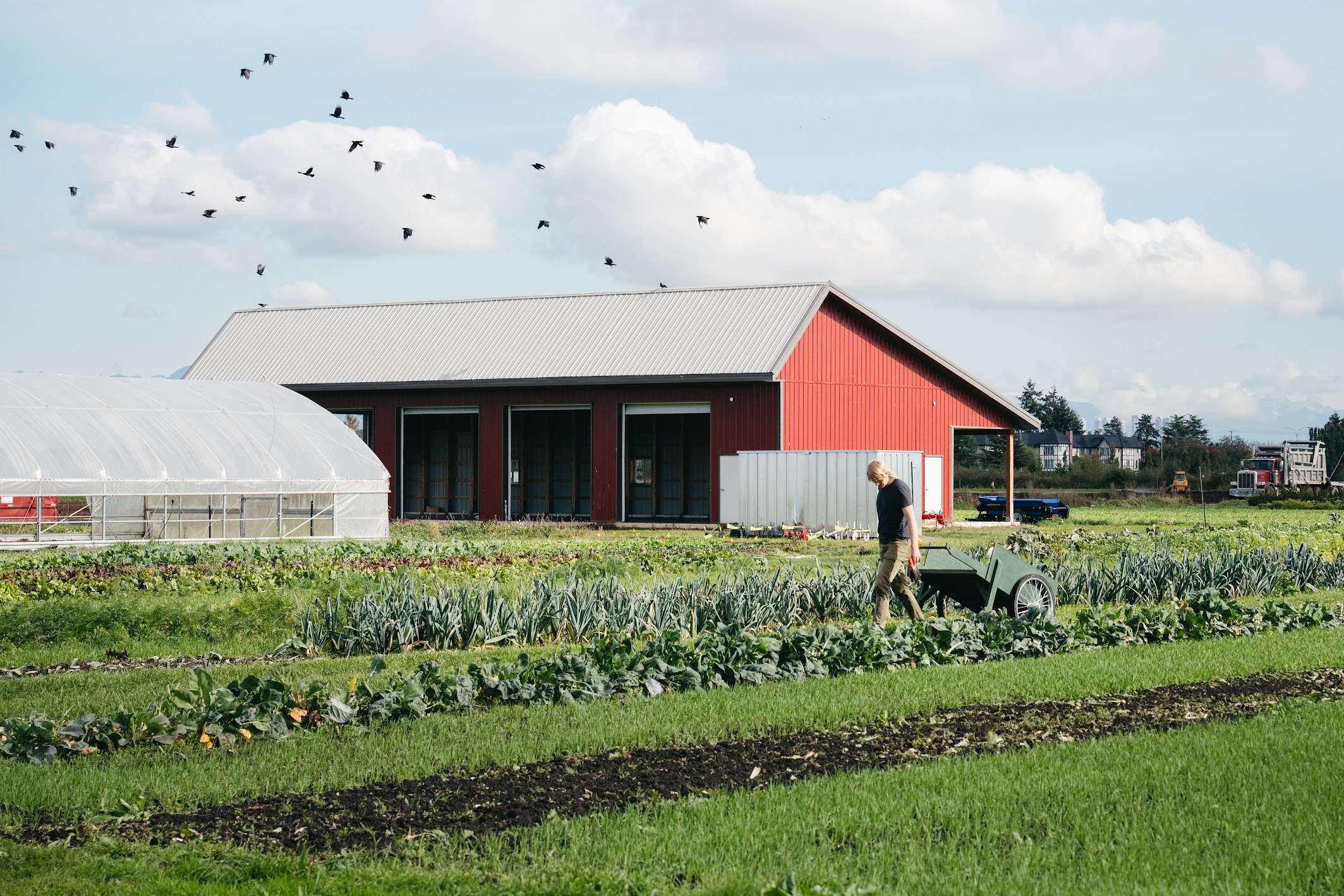
Richmond’s soul is stitched together not just by its rivers and roads, but by furrows and fields. This year, the spotlight swings wide on three local farms Athiana Acres, KPU’s living classroom, and The Sharing Farm‘s community crusade. Each one a microcosm of “Regenerative Agriculture” innovation, the kind of community programs we need right now.
First up:
The Sharing Farm: Where Giving is the Harvest

Richmond’s answer to the question:
“What if food was a right, not a privilege?”
Tucked into Terra Nova Rural Park, this is where volunteers (kids, aunties, newcomers, old-timers) dig, weed, and harvest for the Richmond Food Bank. It’s food security, but with dirt under your nails and a grin on your face.
Workshops? Check. Pollinator gardens? Buzzing. A seed library? Absolutely! Because biodiversity is the PNW’s real superpower.
🌱Roots of Revolution🌱
Born in the late 1990s from a simple, radical vision—Mary Gazetas and her friends saw that food bank shelves were bare of anything green, and decided to change that; this non-profit has grown into a cornerstone of Richmond’s food security network. Since 2002, the farm has been quietly and joyfully growing not just vegetables, but hope.
Here, the mission is clear: grow food and community, advance food security, and reconnect people to the land that feeds them. It’s about ecological stewardship, where compost and cover crops nourish the soil, crop rotation keeps pests at bay, and drip irrigation ensures every drop of water counts.
Even the honey bees are cared for with a gentle, sustainable hand, with honey left in the hives to help them survive the winter and native pollinators welcomed through carefully planted hedgerows and forage crops.

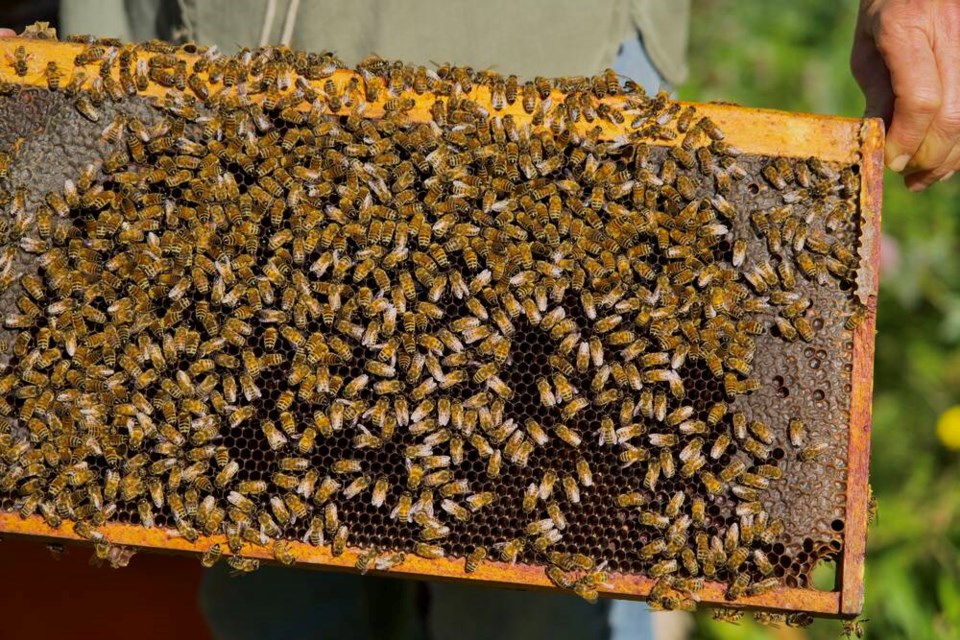

Grant McMillan photos
There are guided farm tours where you can see sustainable agriculture in action, pollinator walks and talks that reveal the secret life of bees and birds, and a self-guided scavenger hunt that turns visitors (kids and adults alike) into explorers. It’s a place where you can learn why cover crops matter, how compost turns waste into gold, and what it means to truly care for the land.


But food is only half the story. The Sharing Farm also tackles social isolation, a quieter but no less pressing issue.
Walk these fields and you’ll find a living answer to two of Richmond’s biggest challenges: food insecurity and social isolation.
⚔️Leading the Charge⚔️
Executive Director Leslie Williams knows this story well. Since joining the farm in 2012, she’s seen firsthand how a simple idea; growing food for those who need it most, can ripple outward to change lives and strengthen a city.

She has worked in many different roles, from teaching to activism to non-profit organizations. Her upbringing in the Deep South led her to write an award-winning novel exploring the history of lynching and its aftermath. She has for decades been an enthusiastic grower of food and avid beekeeper and advocate for native pollinators, as seen in her earlier roles as Apiary Manager at Hives for Humanity, and as a founding board member of the BC Native Bee Society. She’s deeply committed to food security and habitat protection, for both humans and non-humans.
“Many people in our community, including seniors, new immigrants, and individuals with disabilities, face social isolation,” Leslie explains.
The problem is urgent and real. Each week, over 2,200 people in Richmond rely on the food bank. For many, nutritious food is the first casualty, particularly during these times, when budgets are running thin, impacting everything from child development to mental and physical health.
Leslie is frank about the stakes: “Nutritious food is a crucial determinant of mental and physical health and child development, but it’s often the first thing people tend to cut from the family budget in times of poverty.”
Recalling that when she started, “there was less awareness and concern about the importance of local food systems.” Resources were limited, infrastructure was basic, and the focus was on meeting immediate needs. The pandemic, inflation, and rising living costs only made the need more urgent, and the community’s support more vital.
❤️Hands in the Soil, Hearts in the Community❤️
The farm’s answer?
Grow fresh, nutritious produce and donate it directly

The farm’s impact is visible not just in the pounds of food donated, but in the connections made and the sense of belonging fostered among volunteers and visitors alike.
In 2023 alone, an astonishing 26,825 pounds of fresh produce; think crisp carrots, lush greens, and sun-ripened tomatoes—was harvested and donated directly to the Richmond Food Bank, the Musqueam Nation, community meal programs, faith-based food initiatives, and families who need it most.
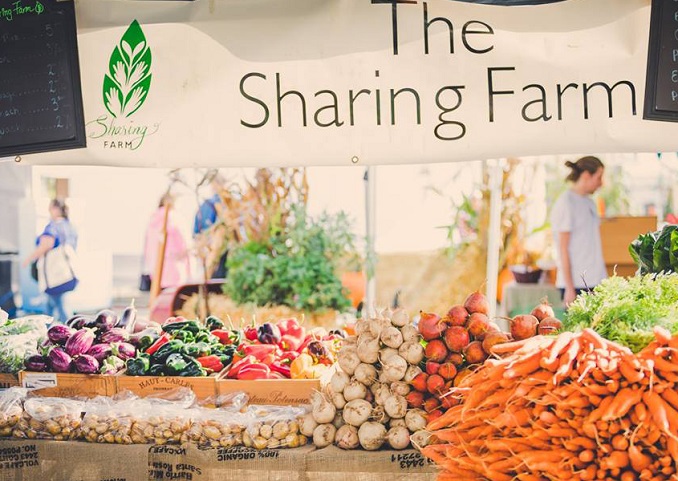
Today, The Sharing Farm is producing more food than ever, thanks to a dedicated team and a growing corps of volunteers. The shift is palpable: more people understand the importance of local food, more are eager to support, and more are showing up to buy produce through the CSA Harvest Basket program, at the farmstand, or at the Steveston Farmer’s Market.
Through volunteer programs and community engagement, the farm became a place to connect and to feel part of something larger. Whether you’re a newcomer or a local business team, there’s a place for you in the fields;digging, planting, harvesting, and building relationships.

The Sharing Farm also operates social enterprises that help support their work, including a Community Supported Agriculture (CSA) as I mentioned earlier, that aims to connect consumers directly with local farmers. By purchasing a share of the season’s produce in advance, CSA members directly support local farmers and receive a Harvest Basket filled with fresh, local, sustainably grown veggies on a weekly basis. Harvest Basket program, a farmstand, farmers markets, and an online store where community members can purchase sustainably grown local produce.
⛏️Your Turn to Dig In⛏️
The Sharing Farm welcomes volunteers year-round, offers seasonal workshops that’ll turn you into a soil whisperer, and runs that brilliant CSA program where your weekly veggie box funds fresh produce for food bank shelves. Impact you can taste.
Mark your calendars for June 7th for now. Grab your walking shoes. The fields are calling
Next Up: Where Innovation Meets Education
Looking forward, I’ll take you inside KPU Farms, where the Garden City Lands transforms into a living laboratory for the next generation of sustainable agriculture.
Solar-heated dome greenhouses, beetle banks that sound like sci-fi but are actually genius, and students who are literally growing the future of carbon-negative farming on the edge of a peat bog.
Stay tuned, Jaysuits. The best is yet to grow.
© The Sharing Farm Society
2771 Westminster Hwy, Richmond, BC, V7C 1A8