

“This Is How Vancouver Shows Up.”

Jaysuits, much of North America is currently locked inside a deep freeze. Cities east of us are breaking temperature records. Flights are grounding. Sidewalks are cracking. A full-blown polar vortex has settled in, dragging winter into something harder and more punishing than usual.
And then there’s Vancouver.
While the rest of the continent is dealing with subzero math, our city is doing what it always does instead. The temperatures are holding.
The rain has arrived. The air feels heavy rather than sharp. Everything is wet, reflective, and slightly blurred at the edges.
This is our version of winter resilience. Not warmth exactly, but continuity.
And this is precisely when PuSh makes sense.
Every January, the festival becomes a place to gather heat differently. Through rooms. Through sound. Through attention. Through the collective act of watching something unfold live while the rest of the world scrolls weather alerts.
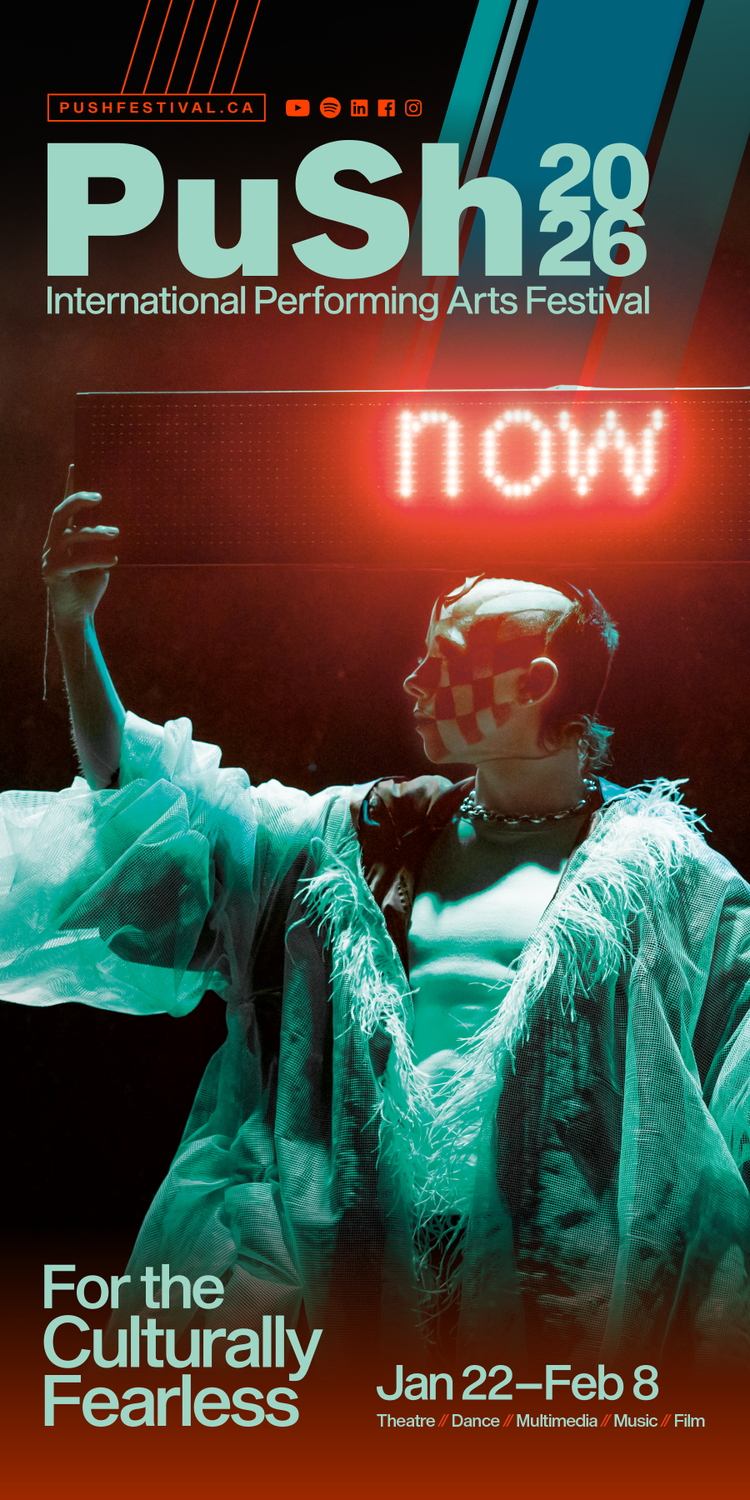
Now, running from January 22 to February 8, Push 2026 is positioning itself once again as a space
“For The Culturally Fearless“
If last year felt like a collective wound being held up to the light, this year feels like time itself is the material. The program leans into layered temporalities, into memory and futurity and the way land keeps receipts. but PuSh has always been good at taking big concepts and turning them into a night where you walk out quieter than you arrived.
Two shows sit right at the center of that gravity.
askîwan ᐊᐢᑮᐊᐧᐣ is part live cinema, part ecological opera, built from a miniature film set that becomes mountainS in real time. Cameras, mirrors, water, light. A stage that behaves like weather.
Everything Has Disappeared uses digital interaction and a touch of magic to expose the hidden architecture of the global economy through Filipino labour and care. It’s a conjuring act with teeth. A performance that makes visibility the subject, not just a theme.
So this guide is going to do what we do best on Jay’s Vancouver.
We are not going to list the whole festival like a calendar and call it a day. We are going to treat PuSh like a living map of the city right now and UNDERSTAND why these two works feel like the pulse point of the 2026 lineup.
askîwan ᐊᐢᑮᐊᐧᐣ
Land // Memory // Future
“This is not past, present, future in a straight line. It’s cyclical. Recursive. Deep. “
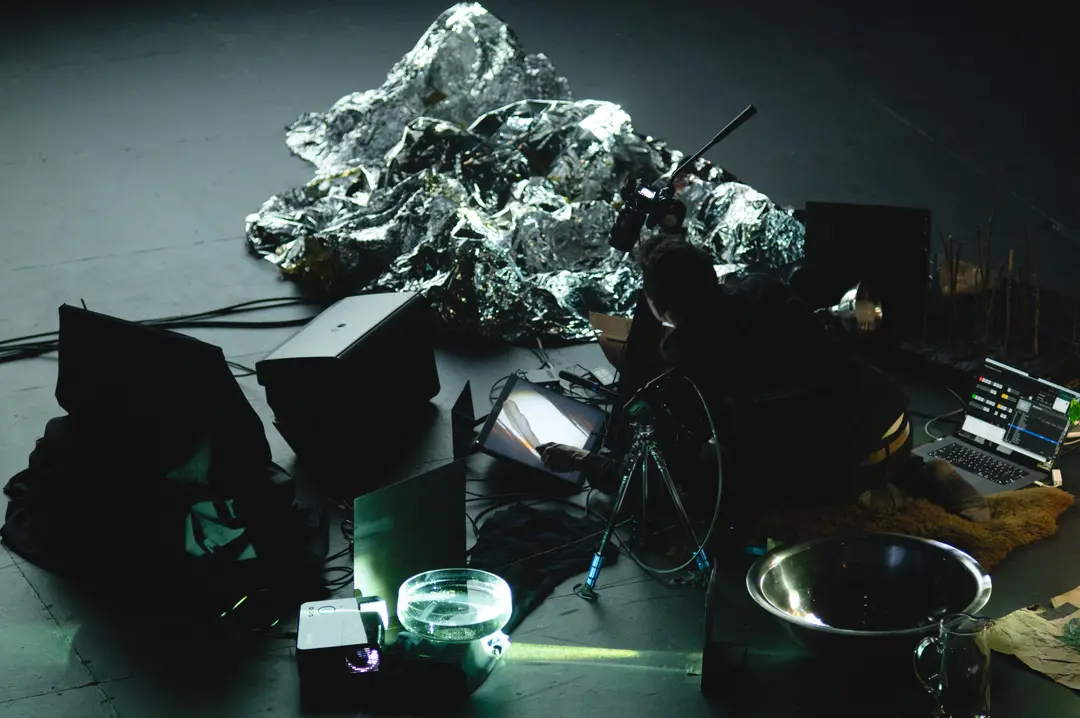
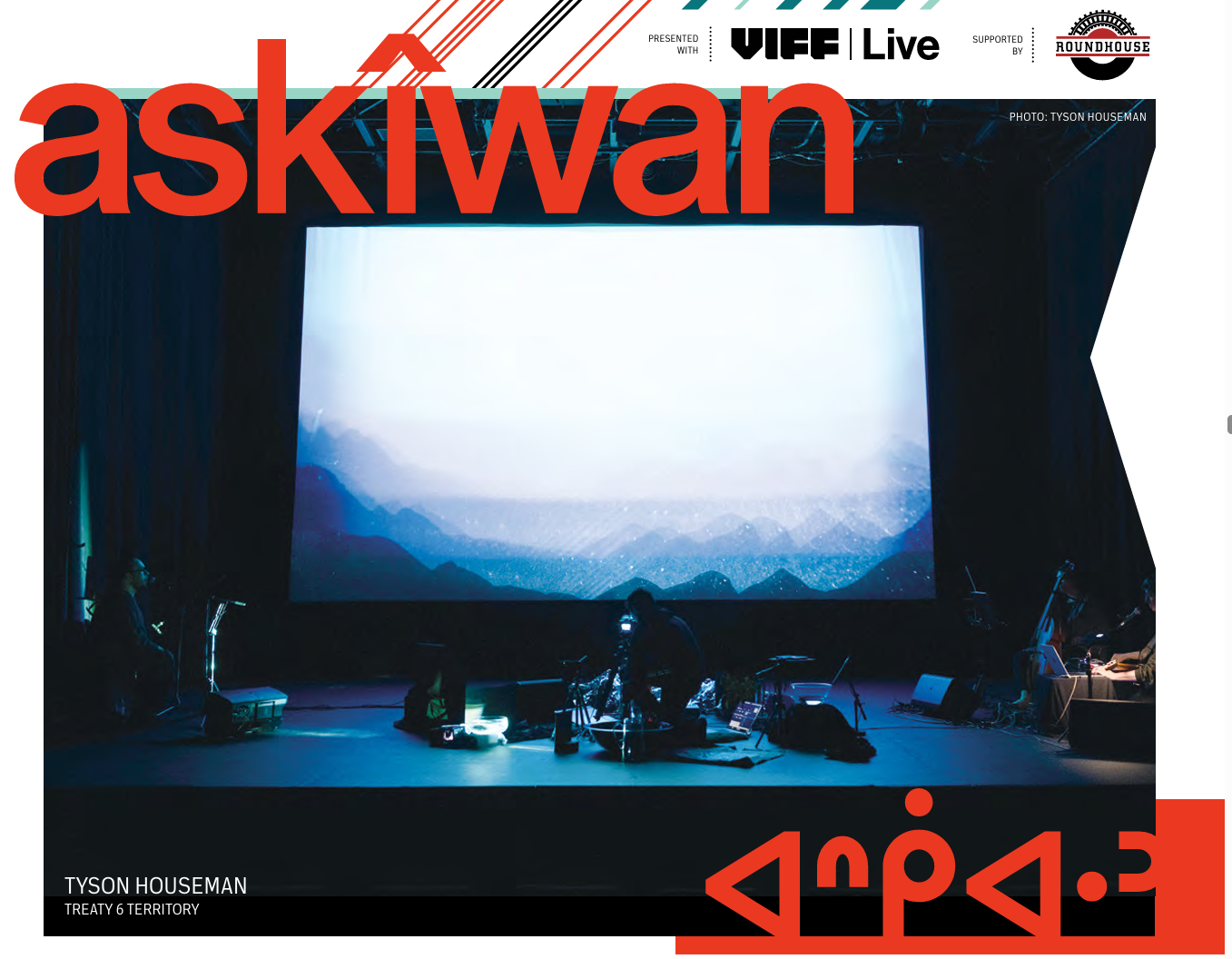

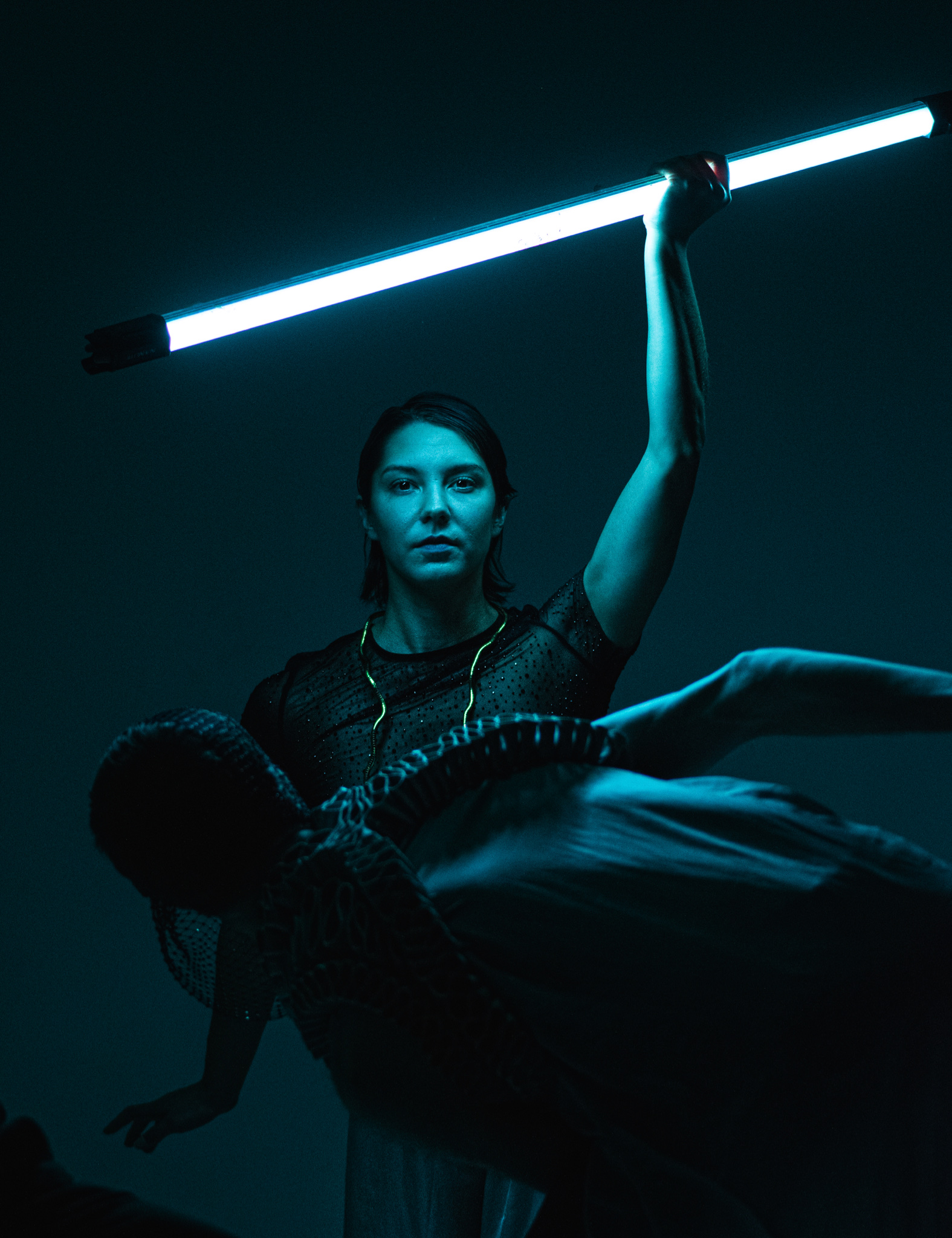
Photo credits: Phillippe Latour
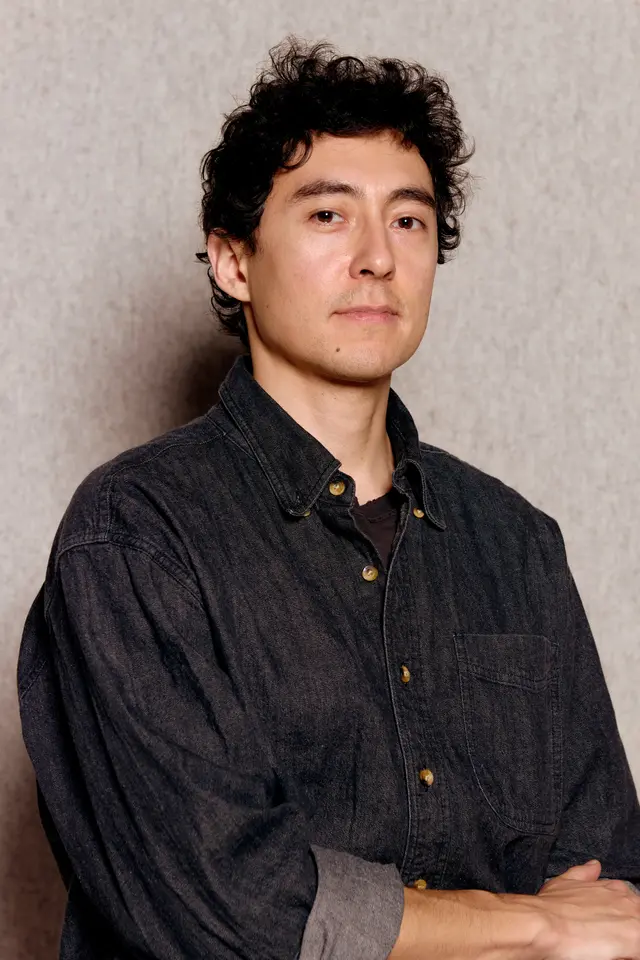
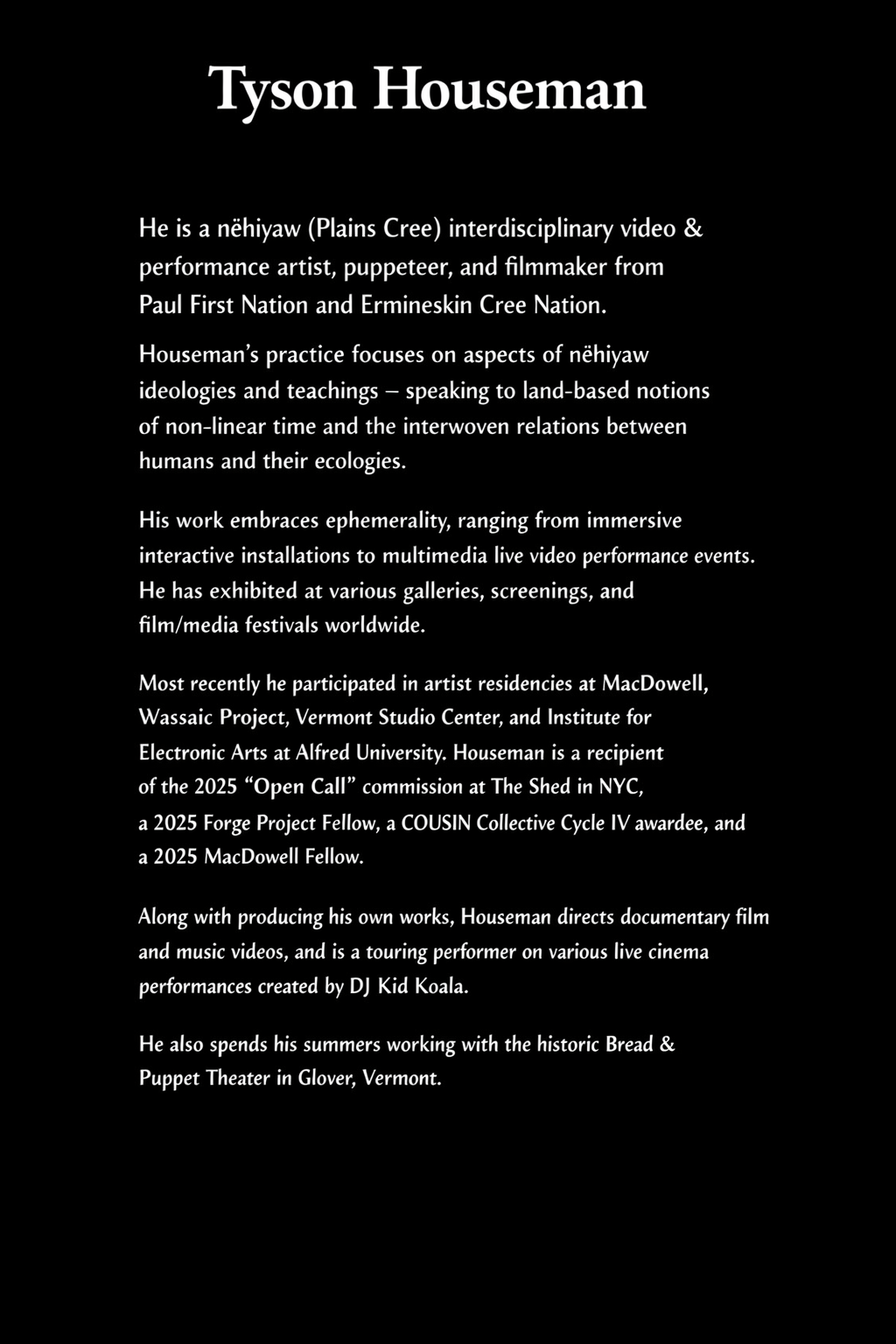
Creator and director Tyson Houseman (nêhiyaw) frames the work through an Indigenous understanding of time that resists linearity. Measured on a geologic scale rather than a human one, Houseman draws from cosmological teachings that position land as animate and deeply aware. Time unfolds like weather. Like memory. Like land itself.

1763057402148-crwqmz
ChatGPT Image Jan 28, 2026, 02_43_46 PM
fgg
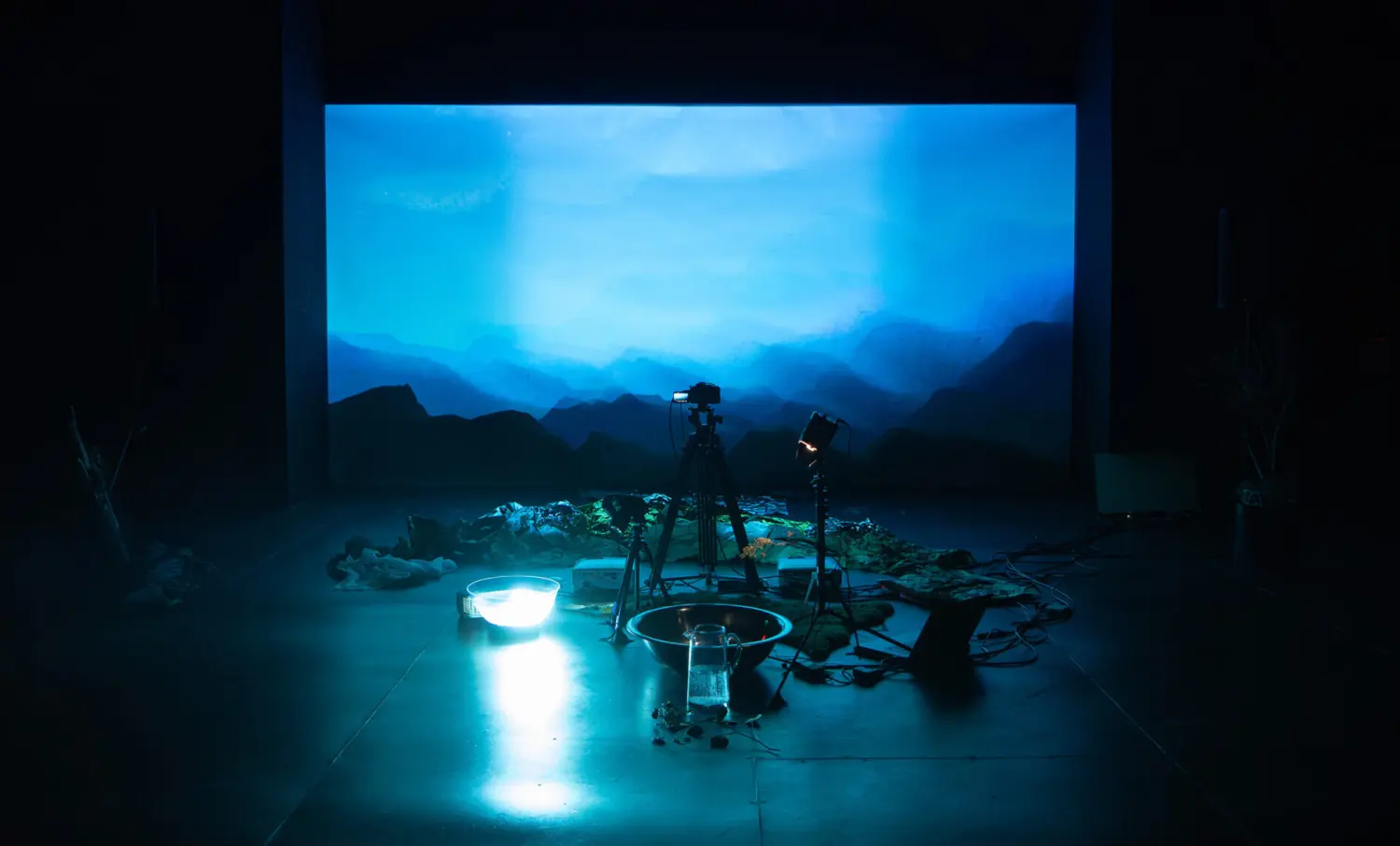
Mountains rise. Ice stretches. Rivers breathe. Aurora skies hover into being.
What’s being presented is not a conventional performance so much as a live act of world-making. Part cinema, part ecological opera, the work unfolds through a miniature film set built directly in front of the audience. Cameras, mirrors, mylar, bowls of water, light sources. Small materials arranged with deliberate care, then transformed through live video projection into vast, dreamlike landscapes.
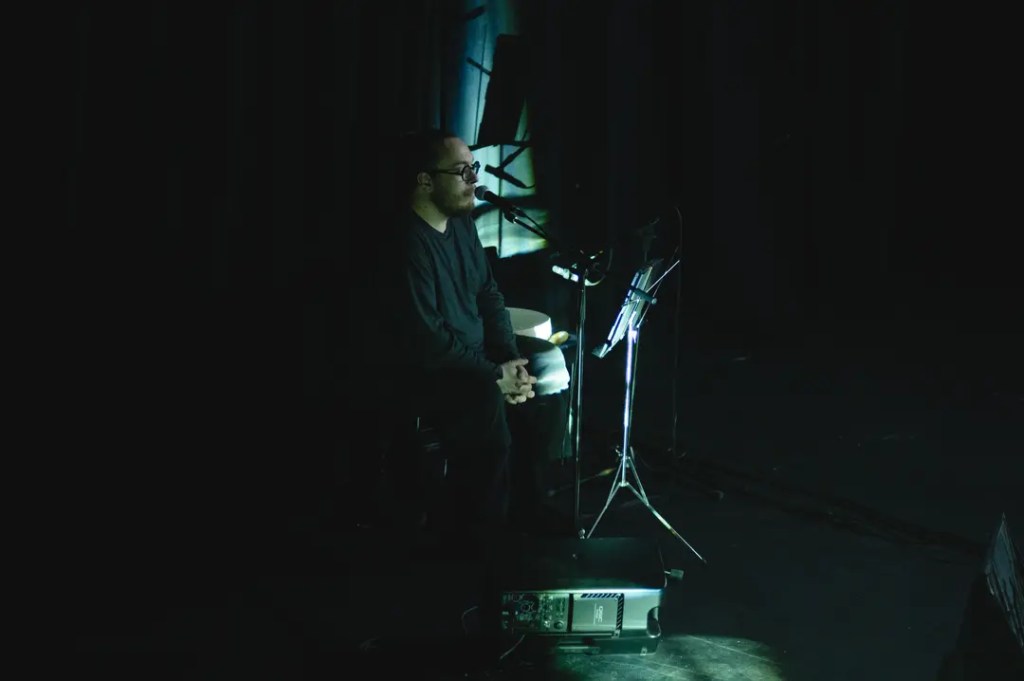
What’s important here is not illusion, but process. The mechanics are visible. The labour is visible. You’re not meant to forget how the image is made. You’re meant to hold both realities at once. The intimacy of the materials and the immensity of what they become.
Sound plays a central role in shaping that experience. An electroacoustic score performed live by Devon Bate weaves ancient and digital textures together, while viola da gamba grounds the accoustics in something tactile and resonant. Over this, baritone vocalist Jonathon Adams (Cree-Métis) sings in nêhiyawêwin (Plains Cree), a language he did not grow up speaking.
That fact alone carries weight.
It’s an act of reconnection unfolding in the room. Adams has spoken about his mother growing up speaking the language before it was taken from her through residential schooling. In this context, voice becomes more than sound. It becomes memory returning through the body. Language re-entering space as vibration first, meaning second.
Askîwan is also unmistakably political, though it never reduces itself to statement. Climate grief is present, but not framed as catastrophe. It’s cumulative. Forest fires. Extractive industries. Ongoing resistance by First Nations across this country. These realities form the atmospheric pressure of the work rather than its explicit content.
For Jaysuits wondering what to expect, the most honest answer is this: It does not tell you what to think. It doesn’t guide you toward an emotion or conclusion. It asks for attention, patience, and a willingness to sit with ambiguity.
If you’re looking for narrative clarity, this may feel challenging. If you’re open to a performance that behaves more like a living system than a story, it may feel quietly profound.
In a moment when so much of the world feels unstable and accelerated, askîwan proposes a different rhythm. One rooted in memory and cycles that extend far beyond us.
It asks what it might mean to listen again.
And what futures might become possible if we do.
Performances:
Thursday, Jan 29 | 7:30PM
Saturday, Nov 29 | 7:30PM
Runtime : I hr
Location : THE ROUNDHOUSE
Everything Has Disappeared
Illusion // Labour // Visibility
“What would happen if every Filipino person in our society suddenly disappeared?”
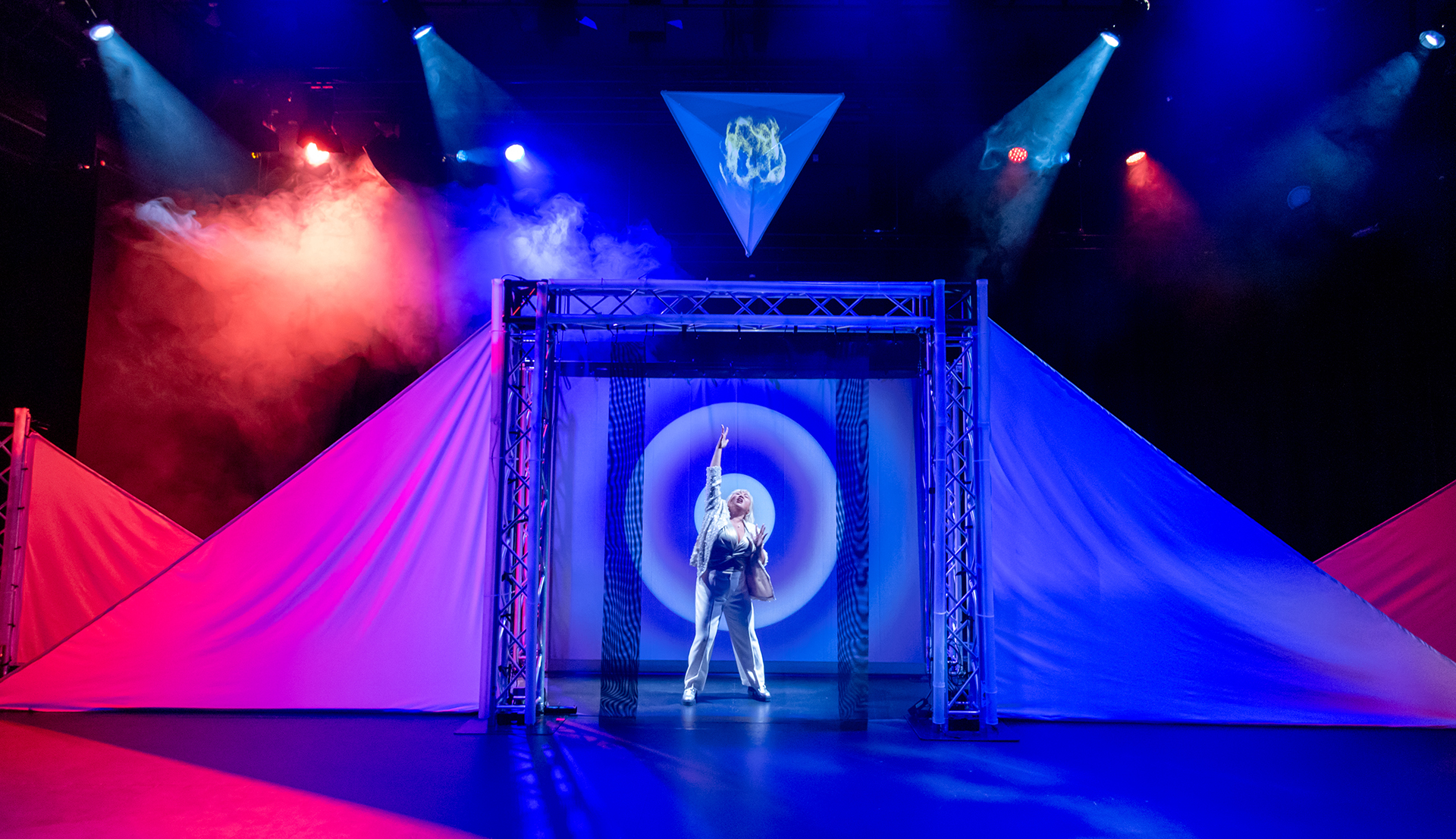


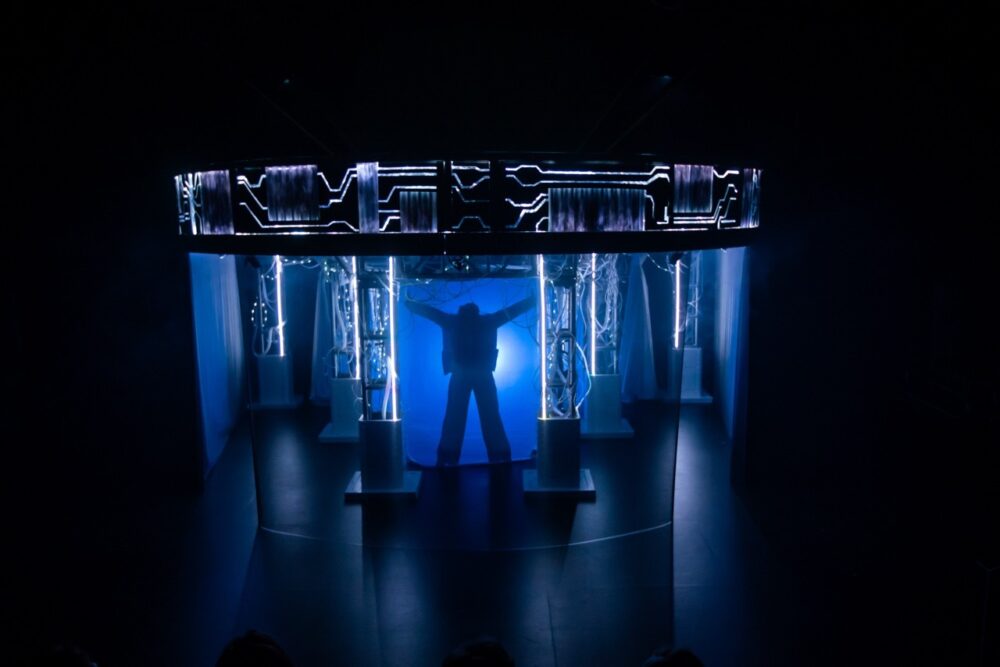
The question lands softly at first. Almost abstract. Then it begins to expand.

If askîwan ᐊᐢᑮᐊᐧᐣ opens outward toward land and deep time, this work turns inward. Closer. Smaller. Personal. The kind of experience that meets you at eye level and quietly reshapes how visibility operates.
Filipinos move through the world in ways that feel seamless once you start paying attention. The diaspora emerges as a central thread in the global economy, woven so deeply into daily life that constancy itself becomes a kind of invisibility. Care. Labour. Dignity. Systems built on reliability rather than recognition.
Domestic workers in Angola. Construction workers in Japan. Oil field staff in Libya. Nannies across Hong Kong. Hotel workers throughout the Middle East. Performers on distant stages. A quarter of the world’s seafarers. Seventy percent of workers on Japanese boats.
Everywhere. Essential. Holding things together.
For many Jaysuits, this terrain already feels familiar. Vancouver is shaped by migration and quiet labour. This performance brings those forces out of abstraction and into intimacy. Faces. Voices. Stories that sit close.
For me, this isn’t abstract. I live with a Filipino housemate. She works as a nurse. Long shifts. Early mornings. Quiet exhaustion. The kind of care that sustains entire systems while rarely asking for attention in return.
This is set to translate that reality into lived experience.
Through digital interaction and moments of carefully shaped magic, the experience promises to unfold gradually. Participation leads. Ease settles in and recognition follows. Ordinary routines begin to reveal their scaffolding.
At the centre is Hazel Venzon, whose presence critics have described as electrifying. When the audience closes their eyes together, the room shifts. When they open them again, perception has moved. The change lands in the body before it settles into thought.
Technology promises to function as language rather than ornament. Interfaces will respond. Illusions will form and dissolve. Disappearance will become both theme and method. Smooth systems will begin to show their seams.
What will lingers is recognition. A trust that we will connect the dots ourselves. A space to feel how deeply Filipino labour shapes the world we move through each day.
By the final moments, the opening question will carry a different weight.
If they disappear, everything disappears.
That understanding follows you home.
Performances:
THU, JAN 29 | 7:30 PM
FRI, JAN 30 | 7:30 PM
SAT, JAN 31 | 2:00 PM
SAT, JAN 31 | 7:30 PM
SUN, FEB 1 | 2:00 PM
Runtime : 90 minutes
Location : YORK THEATRE
What Comes Next
This is not the full map. Not yet.
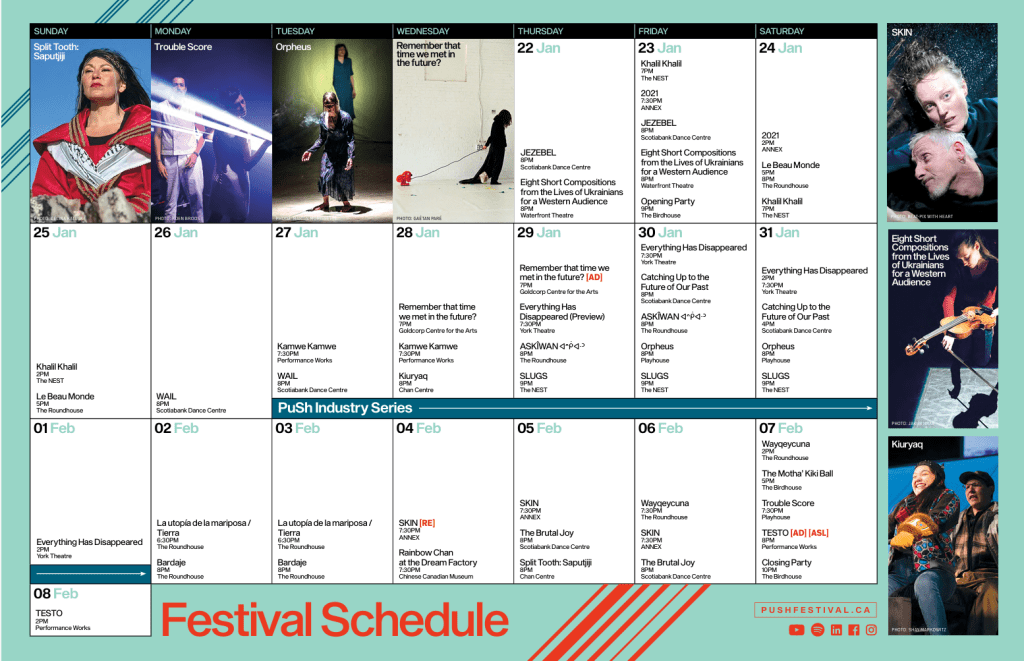
But this felt important to share now.
Because the work is already happening. The rooms are already open. The rain is already doing its thing outside. And if something here sparked your curiosity, you don’t need to wait for me to finish the guide to follow that instinct.

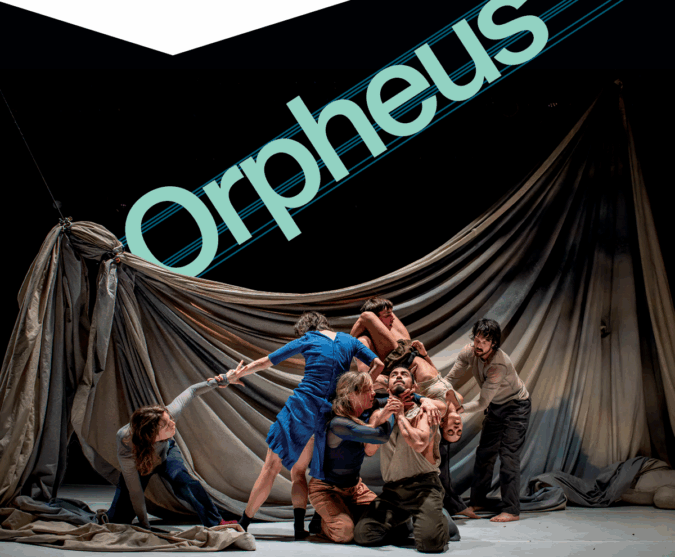


If you want to browse the full lineup, see what’s still available, or trust your gut and pick a night that speaks to you, the festival site is live and moving. Sometimes that’s the best way in. No strategy. Just interest.
Consider this a starting point. A temperature check. A reminder that while much of the continent is frozen in place, Vancouver is gathering differently right now.
Over the next few days, I’ll be publishing a deeper field guide to the lineup. How to pace it. What pairs well together. Where to start if you only have one night. How to move through this stretch of winter without burning out your attention.
More soon.
For now, follow the spark.
Copyright © 2026 * PuSh International Performing Arts Festival * All rights reserved.