

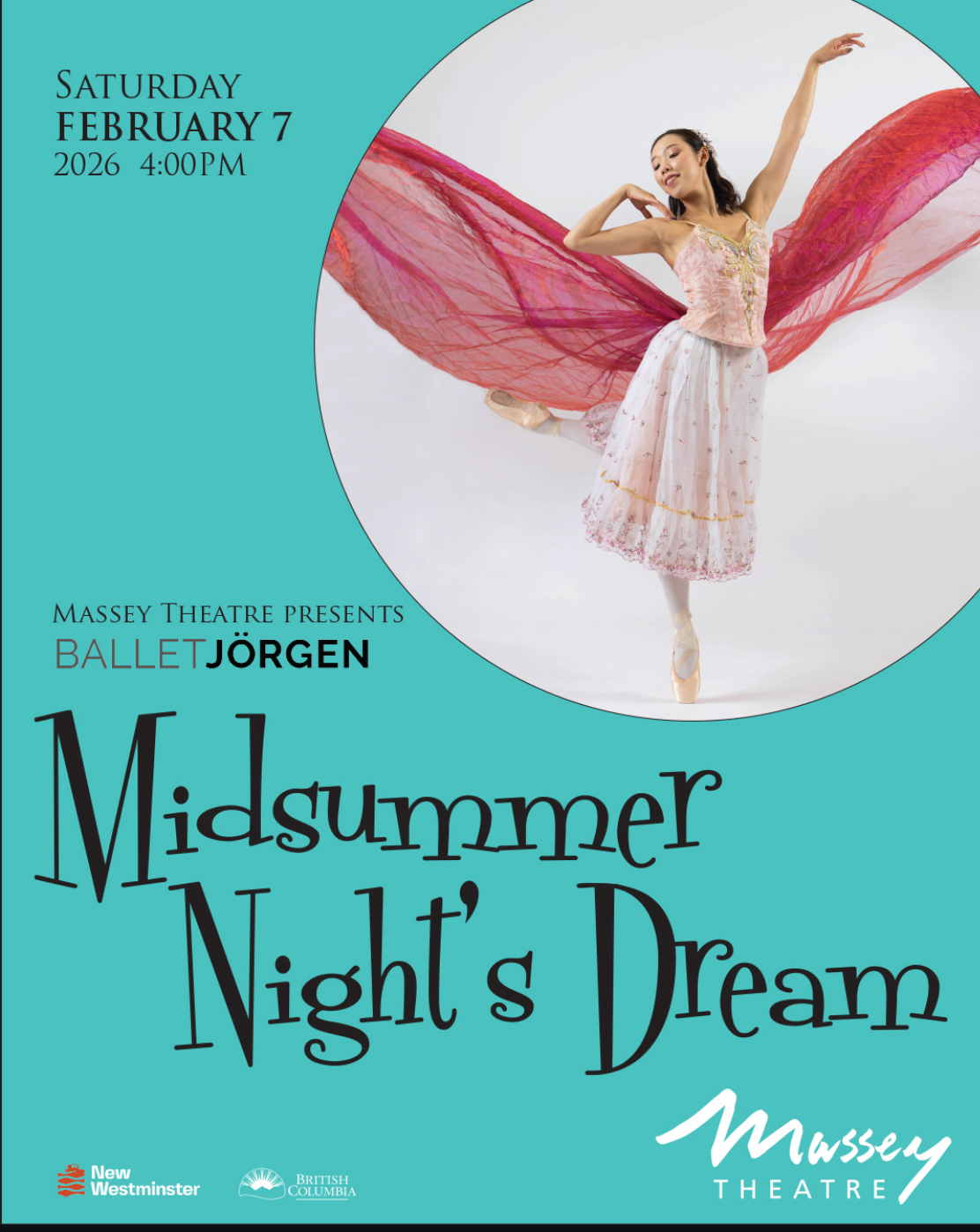

” Witness Shakespeare get scooped up by ballet… then dropped straight into northern Alberta”
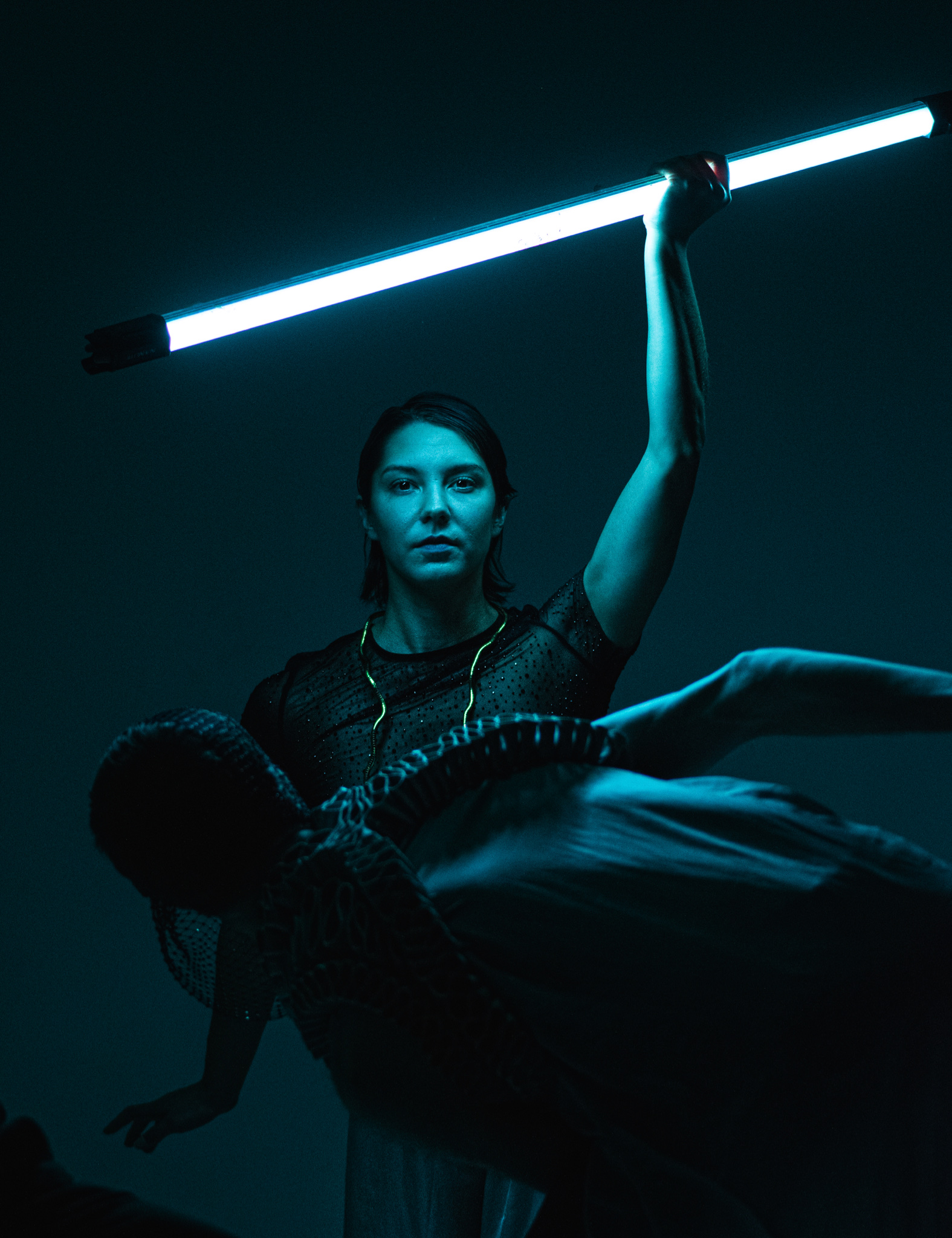

Vancouverites & fellow Jaysuits! Valentine’s season is creeping up, and this city always starts vibrating a little differently when love is in the air. Date-night energy. Soft plans. Big feelings. The kind of evening where you want romance with a side of mischief.
And the timing here is perfect, because I was just inside Massey Theatre a few days back, deep-diving International Guitar Night ; watching that auditorium turn into a six-string multiverse. Same venue. Same ritual. Same “SkyTrain ride feels like part of the night” energy. Different spell. The Theatrical kind.
“Pure Candiana”
Love, mischief, and forest magic (no, not the Harry Potter thingy at Stanley Park), re-framed through a distinctly Canadian lens.
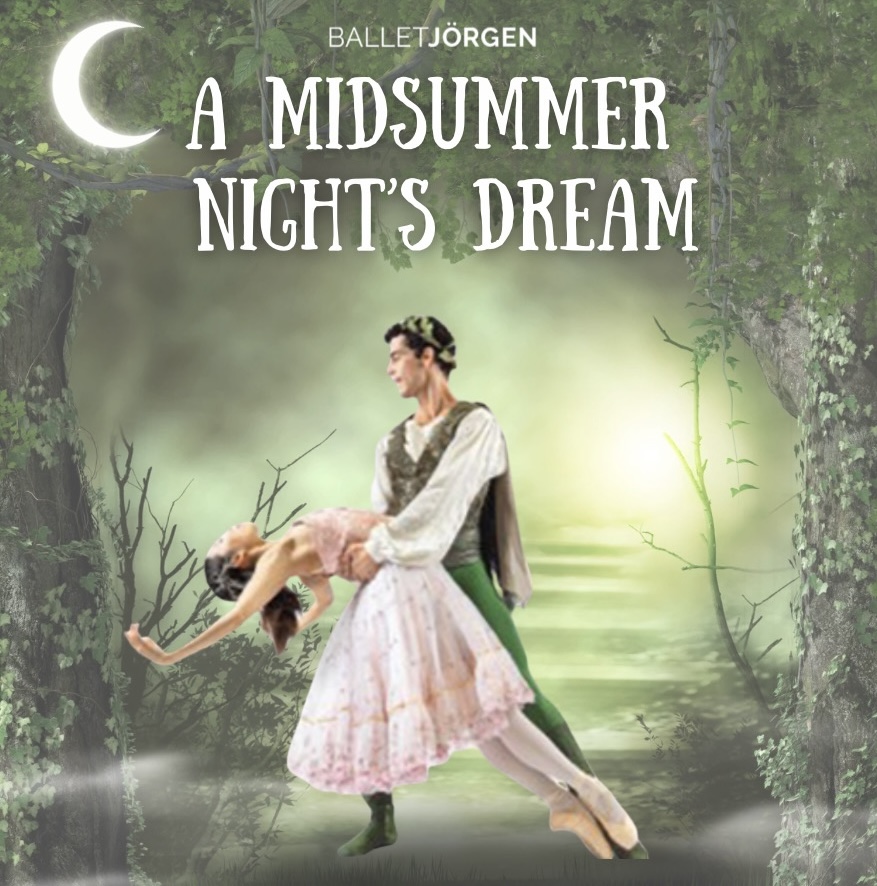
This time, the magic arrives in a new language: Presented by Massey Theatre, Ballet Jörgen’s A Midsummer Night’s Dream hits February 7 as a whimsical, family-friendly reimagining set to Felix Mendelssohn’s enchanting score:
Now here’s the part that made me grin.
There’s also a personal loop closing here, because Shakespeare has been part of my Vancouver calendar for years through my coverage of Bard on the Beach. Summer nights. Open air. Classics getting reimagined until they feel freshly alive again. So when The Bard shows up in February, in New West, in ballet form, it lands as a fun little genre-jump… and a very on-brand winter pivot.
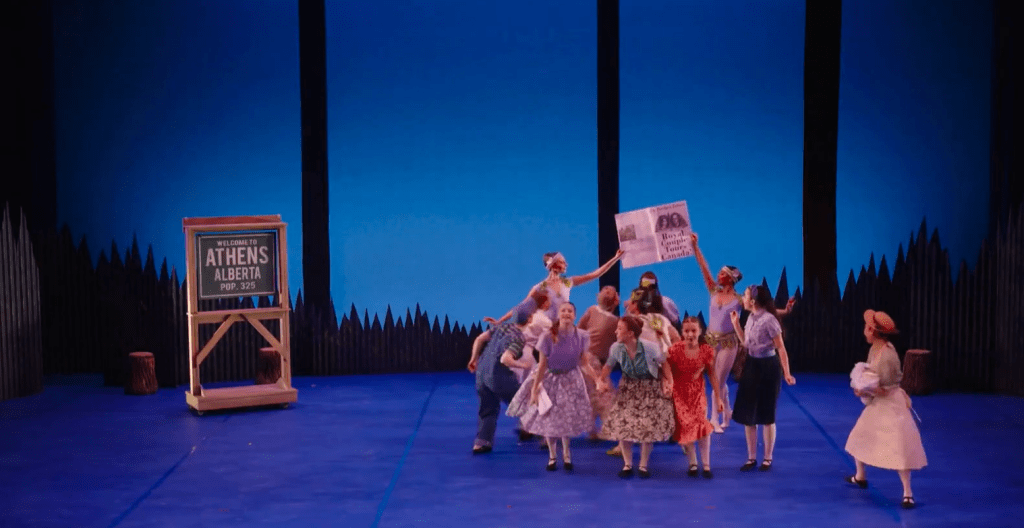
The year becomes 1951. The setting shifts to a small town in northern Alberta. Princess Elizabeth and Prince Philip roll through on a royal tour. Teen romance tangles into knots. The wilderness starts acting like it has opinions. The fairy world slips into the cracks. And the comedy leans hard into Canadiana, with prairie gags, rustic town energy, a northern forest under twinkling skies…
…plus one detail that tells you the tone immediately:
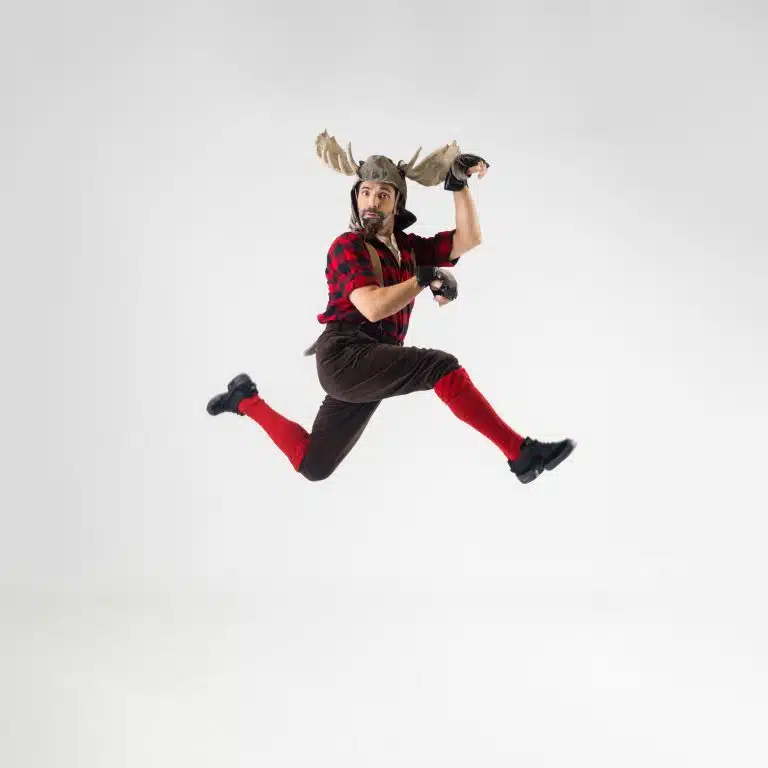
Bottom becomes a moose.
Buffalo plaid included.
Below, I’m going to break down what this is rooted in, what the original story is actually about for anyone who skipped the Shakespeare homework era, and what to expect in the room when ballet decides to get cheeky, cinematic, and proudly Canadian.
A Love Square Walks Into a Forest…
Quick plot download, Vancouverites.
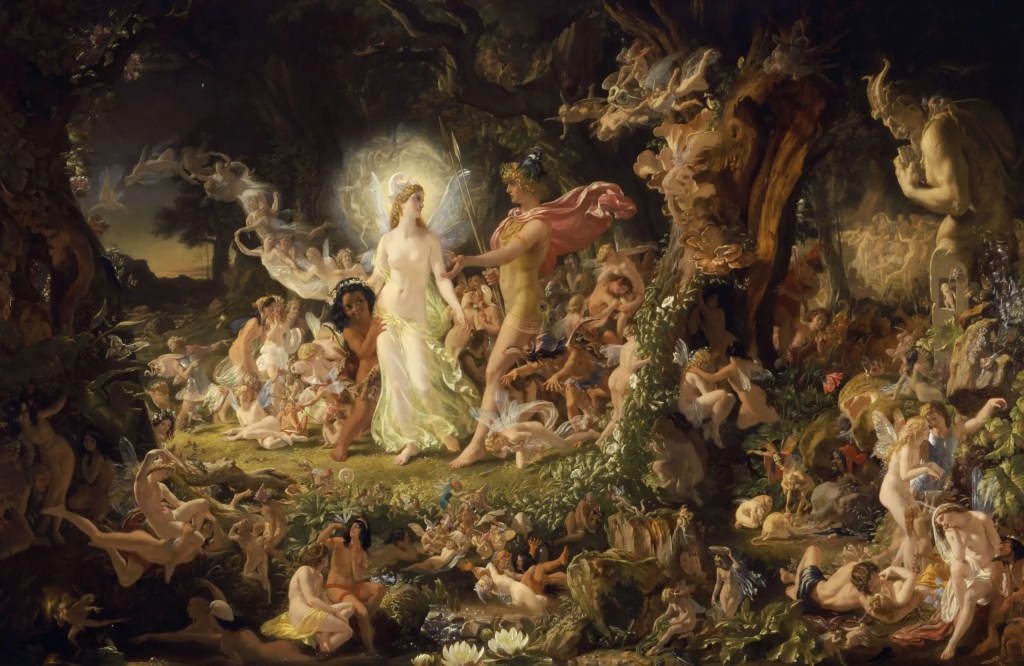
A Midsummer Night’s Dream is basically Shakespeare saying: love makes geniuses act feral, then adding a forest that runs on magic and bad timing.
Here’s the setup: a big wedding is coming. Power, ceremony, the whole regal vibe. Meanwhile, four teenagers are spinning in that classic romance cyclone: feelings crossing, hearts switching lanes, loyalty getting tested in real time. It’s messy. It’s dramatic. It’s also hilarious, because everyone is convinced they’re being perfectly rational.
Then the story slips into the woods.
And the woods have their own leadership.
A fairy king and queen are having a full-scale relationship standoff. Mischief is in the air. A little magical interference gets deployed like a shortcut to emotional clarity. Except the spellwork turns into chaos. The “who loves who” situation starts rearranging itself like a shuffled playlist. People wake up with brand new convictions and zero explanation. It’s romance as a fever dream.
Now add the third thread: a group of working-class performers—craftspeople—rehearsing a play to present at the wedding. Earnest. Overconfident. Completely charming. They are trying. They are also the perfect target for the forest’s sense of humour.
That’s where Bottom enters.
In the original, he becomes the story’s comedic crown jewel: transformed into a donkey-headed figure while everyone around him treats it like the most normal thing in the world. It’s peak Shakespeare. Physical comedy, surreal energy, and the kind of theatrical nonsense that lands in the body before it lands in the brain.
By the end, the spell breaks, the couples untangle, the fairy drama resolves, the wedding arrives, and the little amateur theatre troupe delivers their play inside the play. Everything snaps into place like a reset button. Love survives. Pride softens. Everyone laughs at themselves a little.
That’s the core engine: romantic chaos + forest magic + blue-collar comedy, all moving toward a joyful landing.
Small-Town Teens + Big-Time Magic

MiAkari Fujiwara and Omar Hernandez

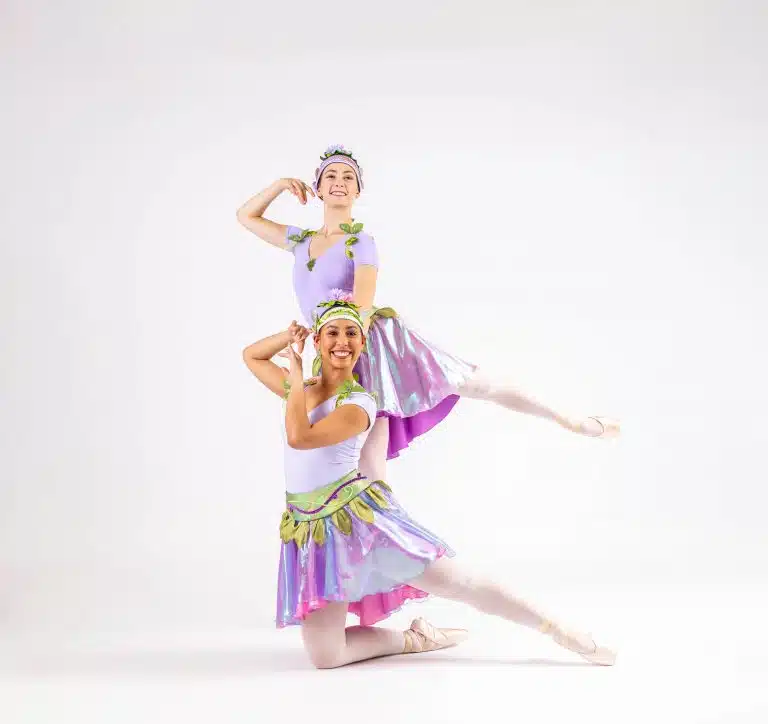
Chabi Arauz and Lydia Laure Germain as Fairies
Daniel Da Silva as Bottom
Photos by Tiffany Manankil
Here’s the Canadian switch-up that makes this adaptation feel instantly legible, even for readers who haven’t had a Shakespeare era in their life.
This production relocates the story from ancient Athens into 1951, landing it in a small town in northern Alberta, the kind of place where everybody knows everybody, romance travels fast, and one rumour can outrun the weather. Princess Elizabeth and Prince Philip arrive as part of their first royal tour of Canada, and that royal-tour framing sets a clean, cinematic stage: a country in motion, a town buzzing, and a big public visit brushing up against very private feelings.
At the centre sit four teenagers wrestling with the messiness of young romance—your ballet equivalents of Shakespeare’s iconic love-square. Expect the emotional math to keep shifting. Crushes swapping lanes. Loyalty wobbling. Confidence peaking at the worst possible moment. It’s the kind of romantic chaos that reads instantly, because it’s basically a universal rite of passage… just now it’s happening under prairie skies, in a Canada-coded world.
Then the magic arrives.
The forest becomes the place where everything loosens, where ordinary logic gives way to mischief, and the story gets to play. Bengt Jörgen has described this tale as timeless because it reveals the folly of humankind: people falling in love, falling out of love, making fools of themselves, and somehow surviving it with their dignity only partially intact. That spirit gives the ballet its engine.
Lightness.
Wit.
A sense that the story is gently laughing with us, even as everyone inside it spirals.
And because this is a Canadian reimagining, the comedy comes with specific local flavour. The classic comic relief character, Bottom, gets an iconic remix: a moose-headed Bottom wearing buffalo plaid. That single detail tells you the tone immediately. This aims for charm and accessibility, with a wink that feels very
“small-town Canada meets big theatrical magic.”
One more layer that shapes what audiences can expect: Ballet Jörgen is touring this across Canada, bringing it to many smaller and underserved communities as part of a cross-country run. That touring DNA usually means the storytelling stays clear, the pacing stays friendly, and the humour stays readable from the back row to the front—an approach built around letting us follow the story through expression and theatrical cues, rather than requiring prior knowledge.
So the expectation here is simple and satisfying: a classic romantic comedy, translated into dance, powered by mischief, and grounded in a very specific Canadian setting—small-town teens, a royal-tour backdrop, and a forest where the rules get playful.
For First-Time Ballet-Goers and Seasoned Theatre Gremlins
This is the kind of show that reads like an easy yes for two very different types of people.
The first type is the “I enjoy culture, I enjoy a good night out, I enjoy feeling something, yet ballet feels like a mysterious private language” crowd. The second type is the theatre gremlin crowd; Jaysuits who live for adaptation, live for craft, live for the moment a classic gets flipped and suddenly becomes fun again.
Everything about this production signals accessibility without sacrificing artistry.
The company is framing it as whimsical and family-friendly, and the whole concept of the reimagining helps with that. A small town in northern Alberta. Teen romance. A royal tour drifting through. A forest that turns mischievous. Those ingredients communicate themselves even before the first big plot turn happens, because the emotional stakes are universal. Young love tangling into knots. People making bold choices. Everybody learning something the hard way. The kind of story you can follow through movement and energy as much as narrative detail.
There’s also a deliberate lightness here. Bengt Jörgen has talked about how the story stays timeless because it reveals the folly of humankind—how petty we can be, how quickly we fall in and out of love, how often we make fools of ourselves. That mindset shapes expectations in a useful way: this leans toward comedy, toward play, toward letting the audience laugh at the characters and recognise themselves a little.
If you have seen Shakespeare in Vancouver before, especially through Bard on the Beach—this is going to feel like a different doorway into the same house. Instead of language leading the experience, the experience gets carried by physical storytelling: relationships, timing, character chemistry, and the way a scene can change simply through spacing and momentum. That’s the fun part for the theatre devotees: watching a familiar narrative become a new kind of theatrical machine.
For anyone bringing kids or a first-time ballet buddy, the show’s creators are actively aiming for clarity. Jörgen’s own comments point to a priority: audiences understanding the story just by watching it. That intention matters. It suggests clean narrative signposts, playful theatrical cues, and a tone that invites curiosity rather than requiring expertise.
And the Canadiana twist helps keep the whole thing grounded. A moose-headed Bottom in buffalo plaid is not subtle. It’s a signal flare. It says: this is Shakespeare with a grin. This is romance with mischief built in. This is a classic that’s happy to be a little ridiculous, because that’s where the joy lives.
So the expectation is a welcoming night that works as both a date-night pick and a family outing: familiar themes, playful comedy, clear storytelling, and a Canadian setting that turns the whole thing into something you can feel rather than analyse.
~Prairie Dress Meets Fairy Mischief~
Canadiana starts doing the heavy lifting.
Because the story has been relocated into 1951 northern Alberta, the stage world needs to carry two realities at once: the grounded texture of small-town life, and the slightly surreal logic of a forest where magic slips through the cracks.
Sue LePage builds that world with a touring-minded approach that still aims for atmosphere. The design has been described as fairly minimalistic so the production can travel smoothly across Canada while keeping the calibre consistent—whether the stage is stripped down or fully equipped. That kind of design philosophy usually reads as clarity first: strong visual anchors, clean transitions, and environments that tell you where you are without asking for a lot of set-heavy explanation.
LePage has crafted two main settings to hold the story: a northern forest and a rustic townscape. It’s a smart binary. Town is where social order lives—romance gets messy, reputations matter, everybody has eyes on everybody. Forest is where mischief takes over—rules loosen, identities blur, and the story gets to go dreamlike.
And then the costumes start doing their own storytelling.
You’ll see the world split into types right away: townsfolk in floral-patterned prairie dresses, the everyday Alberta texture that instantly places the era and the setting. Then the production leans into the playful theatricality with dancers playing animals—everything from a fluffy-eared lynx to an energetic rabbit—and magical forest fairies in lilac leotards adorned with leaves.
That mix tells you exactly what kind of tone to expect: not solemn mythology, not abstract contemporary dance minimalism—more like storybook whimsy with a wink. Nature becomes character. Mischief becomes visual. The wilderness feels alive in a way that kids and adults can read instantly.
LePage is also familiar with giving classic stories a Canadian relocation—she designed The Nutcracker: A Canadian Tradition, transposing that world into 1912 northern Ontario—so this production continues that same creative instinct: take a well-known tale, relocate it into Canadian space, and let that setting become part of the charm.
The design language even nods to the sky. With “twinkling stars” and “colourful northern lights” referenced as part of the atmosphere, the expectation is that the stage picture will keep lifting outward—toward wilderness wonder—rather than staying boxed into realism. It’s the kind of visual framing that makes the magic feel earned: the forest isn’t just a backdrop, it’s a mood.
One more detail that adds an extra layer of heart: each stop on the tour can include up to a dozen youth dancers in roles like trainbearers, mice, bunnies, and little fairies, integrated through a free training program with local dance schools. So beyond the professional cast, the stage can also carry a little community imprint—young performers joining the world for that city’s performance.
Felix Mendelssohn

This whole ballet rides on a musical backbone that already knows how to flirt, how to sparkle, how to tip into mischief without losing its elegance.
The score comes from Felix Mendelssohn; music that carries romance at its core, then keeps slipping in that playful, enchanted energy that makes the story feel like it’s winking at you while it unfolds. Think sweeping feeling. Think quicksilver movement. Think the kind of phrasing that can turn a simple moment into a little spell.
The way this production is described, Mendelssohn becomes the emotional translator. When the teen romance starts tangling, the music has room for tenderness and momentum. When the forest energy takes over, it has room for whimsy—those scampering “fairy feet” textures that bring lightness into the choreography and keep the tone buoyant.
And that matters, because this story lives in shifts.
Public becomes personal.
Certainty becomes confusion.
Crushes become chaos.
Magic enters the chat.
A score like this helps the audience feel the turns before they fully understand them. It carries the comedy without turning it into a cartoon. It carries the romance without turning it syrupy. It keeps the whole experience moving with a smile in its step.
So the expectation here is a night where the music does a lot of the storytelling work—guiding mood, sharpening the jokes, softening the tender beats, and keeping the magic feeling airy rather than heavy. It’s the kind of score that makes the world feel lifted… even when the characters are fully spiralling.
18 Dancers, One Story, Infinite Chaos
Here’s what makes this feel like a full-bodied night out rather than a “short-and-sweet” ballet sample.
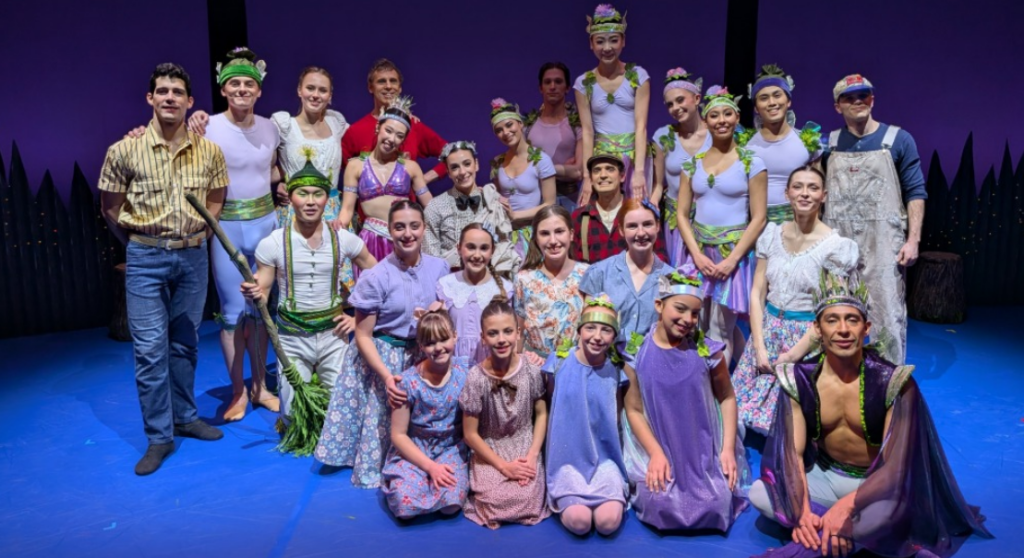
The production comes with 18 dancers (with local student dancers)—a sizable ensemble for a touring company, which matters for this particular story because it thrives on layers.
Teen romance needs momentum. Town life needs texture. The forest world needs mischief and movement. A cast of this size gives the choreography room to build proper atmosphere: groups forming, scenes shifting, characters bouncing off each other, comedy landing through timing rather than dialogue.
At the centre of it all is choreographer Bengt Jörgen, CM, who is shaping this as a new ballet adaptation with a very clear aim: keeping the story readable and fun. His framing of the Shakespeare engine is simple and honest—humans being petty, humans falling in and out of love, humans making fools of themselves—and that sense of gentle satire tells you what kind of experience this is likely to be. Light on its feet. Playful in tone. Built for people to follow along through movement and expression.
Bengt Jorgen

Sue LePage

Heinar Piller

The creative team has been assembled to serve that clarity:
- Music: Felix Mendelssohn, providing the romantic and whimsical spine
- Costume & Set Design: Sue LePage, crafting the two primary worlds—forest and townscape—and the visual Canadiana
- Lighting Design: Madhu/மது, shaping the atmosphere and guiding the story’s shifts in mood
- Stage Direction & Synopsis: Heinar Piller, supporting narrative flow so audiences track the story as it moves
The runtime is also substantial: 1 hour 40 minutes with intermission. That’s enough time for the story to breathe. For the comedy to build. For the magic to arrive properly. For the romantic chaos to spiral and then settle into a satisfying landing.
Then there’s the layer that makes this tour feel uniquely community-coded: at each stop, the production can incorporate up to a dozen youth dancers through a training program with dance schools—appearing in roles like trainbearers, mice, bunnies, and little fairies. It’s a small detail with a big impact. It means the stage can carry a local heartbeat alongside the touring professionals.
It also fits the accessibility mission: this story is designed to welcome people in, including the next generation watching from the audience and, in some cases, stepping into the world onstage.
So the expectation for February 7 is a show with real scale: a full touring ensemble, a creative team committed to clarity, a runtime that supports a complete arc, and a production design that makes the world instantly readable—town, forest, mischief, romance, magic—no Shakespeare homework required.
Mark Your Calendar (And Charge Your Compass Card)
Jaysuits, this is one of those “circle it now, thank yourself later” nights.
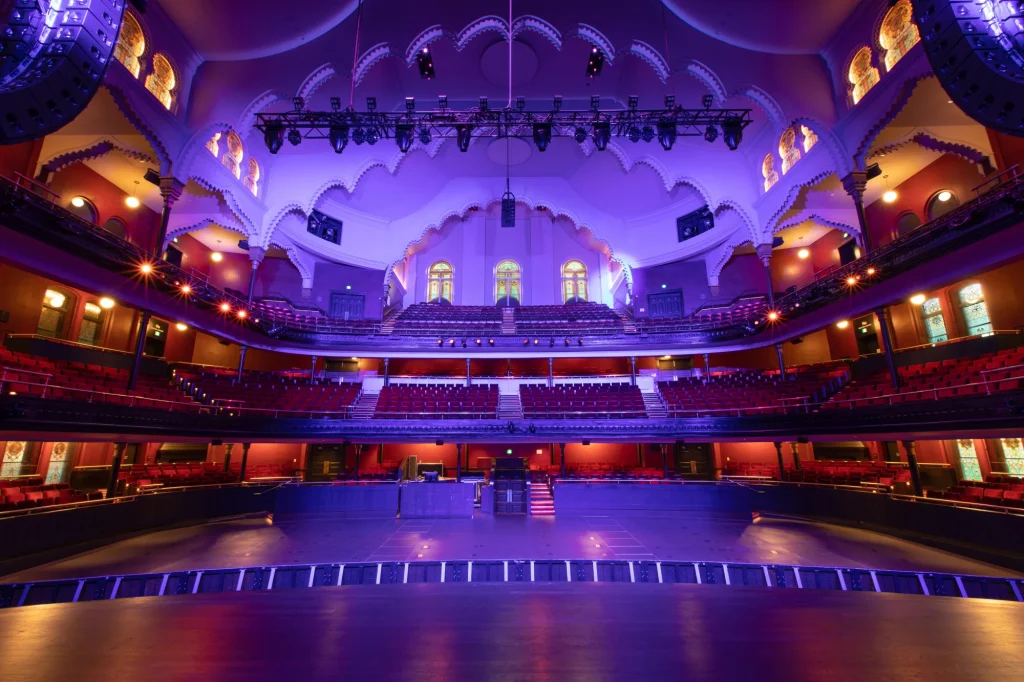
📍 Where: Massey Theatre — New Westminster
When: Saturday, Feb 7
Time: 4:00 PM – 6:00 PM
Runtime: 1 hour 40 minutes
Tone: whimsical, family-friendly, comedy-forward
Catch you at Massey, Jaysuits; buffalo plaid energy, big feelings, and a little midsummer magic in the air.
Copyright © 2020 Massey Theatre. All Rights Reserved