

Puccini Donizetti Verdi Strauss Massenet Mozart
Vancouverites and fellow Jaysuits; imagine the most iconic characters in classical art stepping out of their traditional roles. Ready to speak their authentic truth.
Depending on when you folks are reading this, the air hangs heavy as our sky burns orange. A tangible reminder of the wildfires burning up north.
Yet, even amidst this haze, our artistic spirit refuses to be dimmed. Whether it was the mind-bending fusion of technology and narrative at last year’s IndieFest festival,


or the exhilarating, un-curated freedom of the currently ongoing Fringe Festival up on Granville Island; this performance is poised to deliver that same profound impact.
A vibrant chapter in the story of art that dares to be different. It confronts head-on the complex interplay of race, gender, and sexuality within the performing arts.
Born from the vision of creator-performer & multi-disciplinary artist Teiya Kasahara 笠原貞野 (they/them), whose personal narrative as a queer, biracial, transgender artist breathes new life into Mozart’s iconic Queen of the Night.
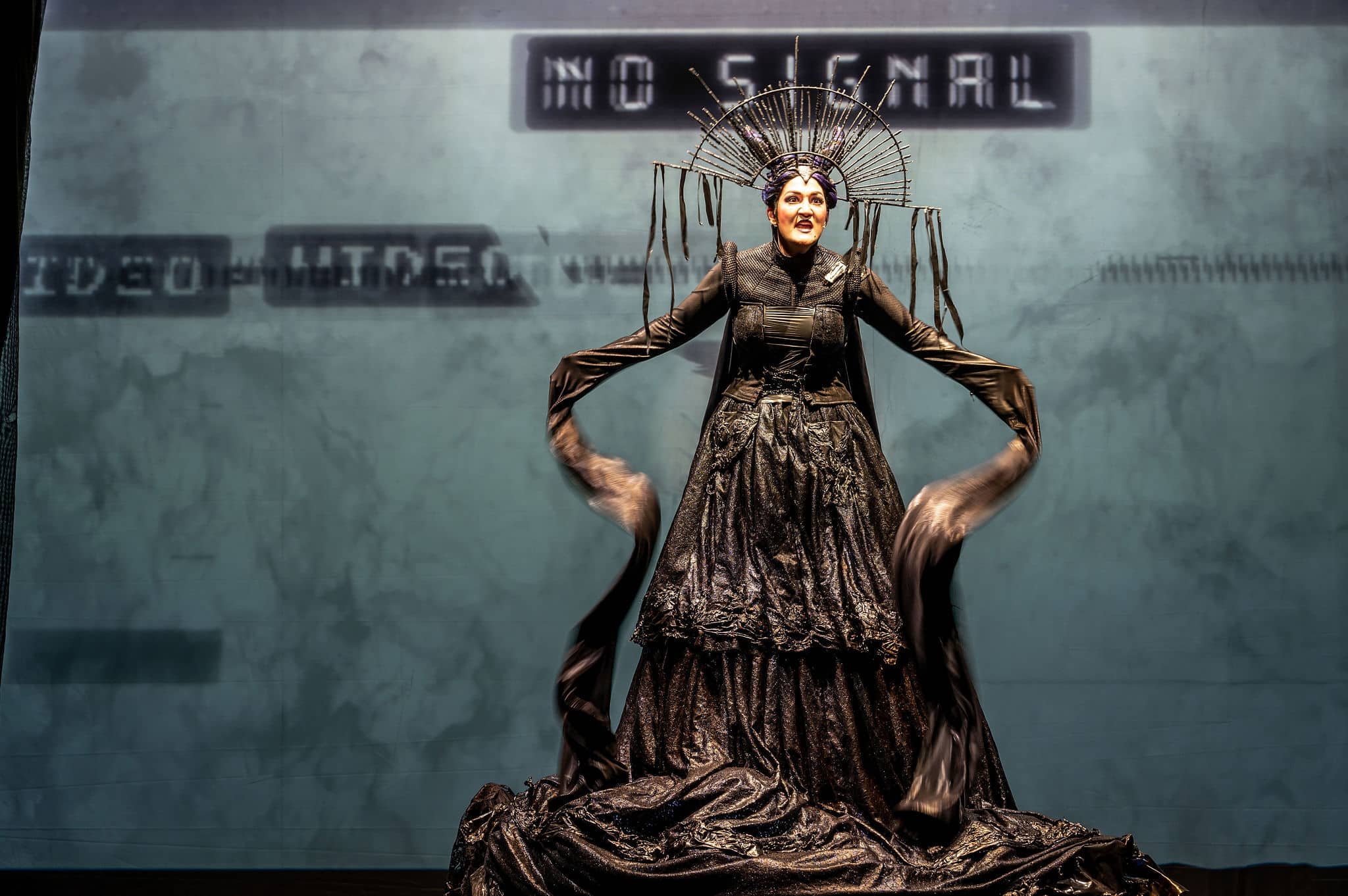

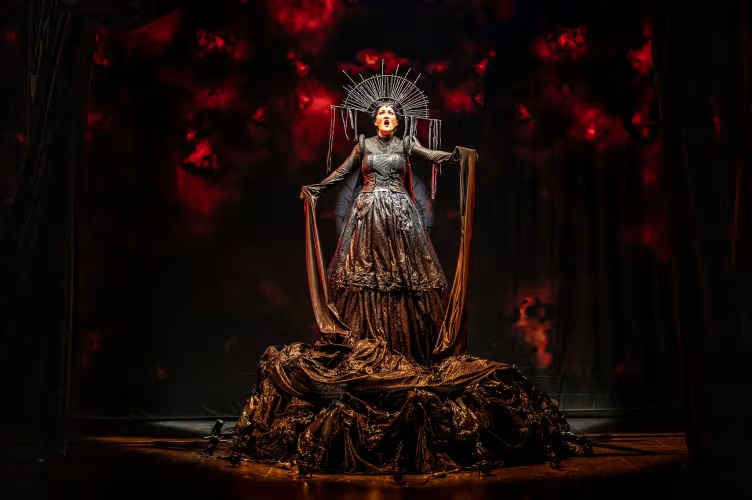


Photo Credits: Dahlia Katz
Prepare to be utterly captivated by a performance that has already garnered widespread critical acclaim for its courage and artistic brilliance.
Garnering five Dora Mavor Moore Award nominations and earned praise as “a call-out of epic proportions” (The Globe and Mail) and “perfectly suited for opera lovers and opera loathers alike” (British Theatre Guide).
It stands as a testament to our city’s eclectic arts landscape, a city that consistently hosts groundbreaking, thought-provoking work.
Are you prepared to answer the Queen’s call?
To guide you through this extraordinary experience, here’s what we will explore:
What is “The Queen in Me”? Unpacking the Magic
Perhaps, like me, you’re wondering: what exactly is this phenomenon called The Queen in Me?
A masterful blend of comedy, drama, and breathtaking operatic arias, it’s a theatrical experience that’s hard to fit in a box.
It features a range of dramatic arias from some of the world’s most beloved operas, including Puccini’s La Bohème and Madama Butterfly, Verdi’s Macbeth, and of course, Mozart’s The Magic Flute.
Through the lens of The Magic Flute , this performance takes on one of opera’s most iconic, yet often misunderstood, characters;
“Queen of the Night”
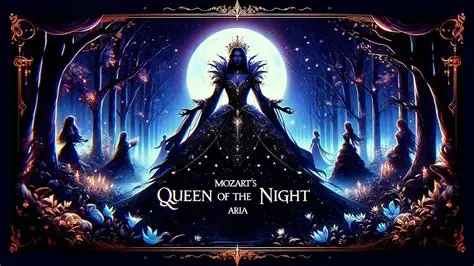
For those who are new to this, let’s unpack the context of one of Mozart’s famous characters. In The Magic Flute, she is a character of dramatic extremes, a figure who embodies both maternal love and vengeful rage.
This duality is captured in her two signature arias, “O Zittre Nicht, Mein Lieber Sohn” and “Der Hölle Rache.”
The opera, or more correctly “singspiel“, is allegory for the quest for light, truth, and virtue, while the Queen of the Night, and femininity in general, is depicted as the antithesis.
In the first, she appears as a grieving mother, lamenting the loss of her daughter, Pamina. But in the second aria, she transforms into a figure of incandescent fury, demanding her daughter commit murder.
This portrayal is deeply rooted in the classical Athenian concepts of femininity prevalent in Mozart’s time, which often depicted women as emotionally unpredictable, lacking self-mastery and in need of male guidance.
The Queen, associated with darkness and the moon, stands in stark opposition to the opera’s hero, Sarastro, who represents the male-centric world of reason and enlightenment with his sun-god imagery.
These associations, aligns with ancient Greek and Chinese concepts of yin and yang, where femininity (yin) is linked to the moon, darkness, and a need to be led, while masculinity (yang) is linked to the sun, light, and control.
This historical context is crucial to understanding the radical nature of this piece.
Mozart’s own life, with a critical mother-in-law, may have also subtly influenced his portrayal of the Queen as a “battle-axe”.
Even the oboe, an instrument often used in opera to convey femininity and melancholy, is prominently featured in her arias, further cementing these historical associations.
The Queen in Me directly confronts these centuries-old portrayals.
By embodying this character as a queer, biracial, transgender artist, Kasahara challenges the very foundations of these traditional interpretations.
They transform a figure historically vilified and confined by patriarchal narratives into a powerful symbol of liberation and authentic self-expression.
This performance is about a character on stage; dismantling the limiting roles imposed on women, trans, and non-binary individuals throughout history, both in opera and in society.
A bold, artistic declaration, that the time for new narratives, new voices, and new interpretations is not just coming, it is here.
A testament to how art can not only reflect society but actively reshape its understanding of identity and power.
It’s a powerful act of reclaiming space, not just for the Queen, but for the multitudes of women, trans, and non-binary individuals who have historically been sidelined or forced into limiting roles. Much like what we explored earlier with “The BirdHouse” last year.

That’s the audacious premise at the heart of this electrifying show.
The narrative promises to be sharp, witty, and deeply personal, drawing directly from Kasahara’s own lived experiences as a queer, biracial, transgender artist.
As I witnessed last year at IndieFest, Kasahara’s vocal prowess is undeniable; allowing them to deliver these powerful pieces while simultaneously weaving a compelling, often humorous, narrative that challenges the very foundations of the art form.
Meet the Force: Teiya Kasahara and the Creative Vision
Teiya Kasahara 笠原貞野
A Nikkei Canadian settler, queer, trans non-binary opera singer, and interdisciplinary theatre creator whose work is as profound as it is captivating.
Their journey, both personal and artistic, forms the very bedrock of this groundbreaking production.
Originating during the Emerging Creators Unit at Buddies in Bad Times Theatre, the show was born from Teiya’s own struggles to fit into the rigid molds of the opera world. As they eloquently put it, they realized they “couldn’t simply leave opera behind and walk away.
Opera was and remains my life-force and my greatest gift. I would have to work for change from within.” This commitment to internal transformation, to rediscovering their love for the vocation while demanding it evolve, is what makes the piece so powerful. It’s a brave act of self-reclamation, using the very art form that once constrained them as a vehicle for liberation and authentic expression.
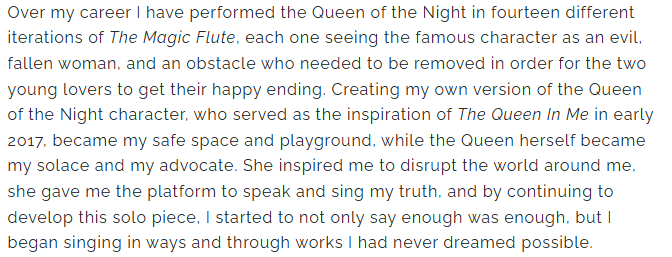
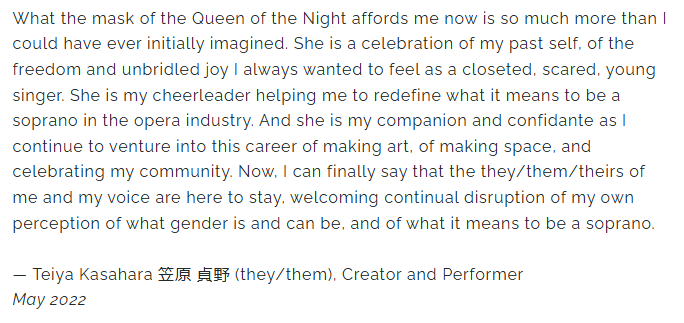
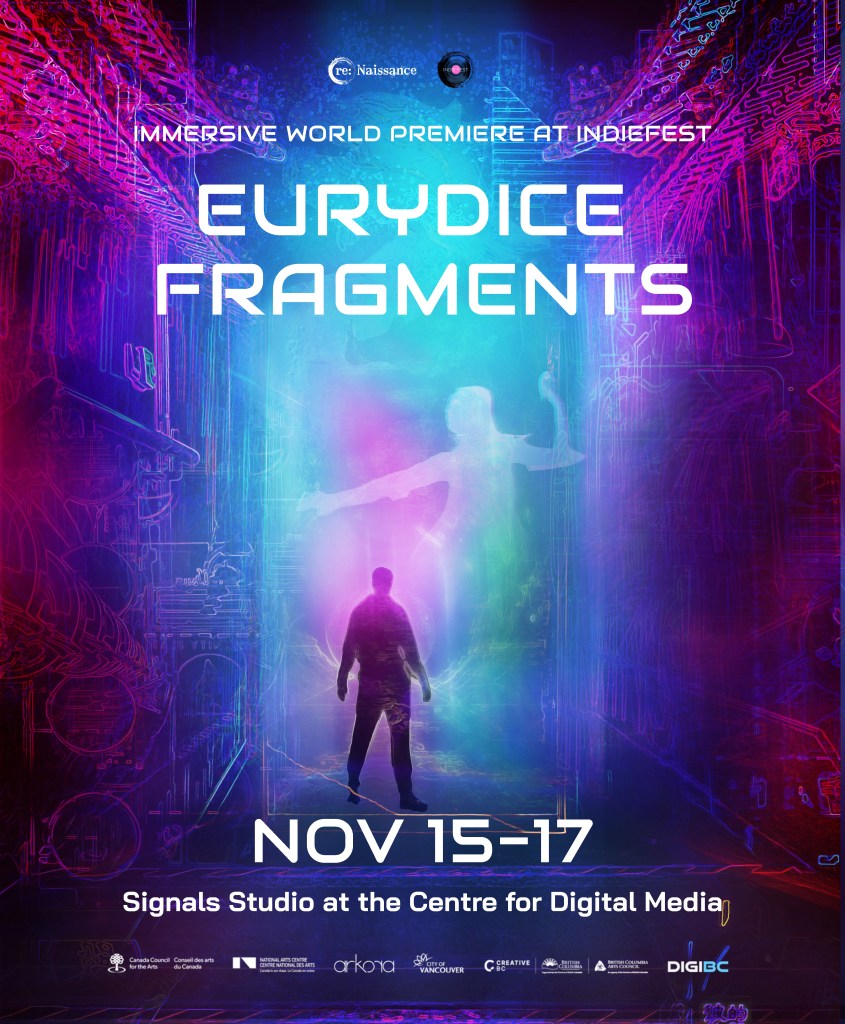
Having graced stages across Turtle Island and Europe in a wide array of operatic and concert roles. They’ve embodied classical characters like Mozart’s Queen of the Night and Puccini’s Madame Butterfly, but they’ve also been at the forefront of premiering new roles; as we experienced with Eurydice Fragments , constantly pushing the boundaries of what opera can be.
This deep immersion in the traditional opera world, coupled with their lived experiences as a queer, biracial, transgender artist, provides the fertile ground from which this blossomed.
It’s this unique vantage point that allows them to dissect the opera industry with such incisive wit and heartfelt honesty, challenging its long-held conventions from within.
But Teiya is not alone in this creative endeavor. A testament to collaborative brilliance, co-directed by the insightful Andrea Donaldson and Aria Umezawa.
Their combined vision helps shape the narrative, ensuring its impact is both sharp and deeply human.
The visual landscape of the show is equally compelling, with Set & Costume Design by Joanna Yu, Lighting Design by André du Toit, and Projection Design by Laura Warren.

Set & Costume Design by Joanna Yu, Lighting Design by André du Toit, Projection Design by Laura Warren.
Beyond the Stage: Impact, Acclaim, and Why It Matters
Critics have consistently praised Kasahara’s fearless performance and the show’s innovative approach to opera since it made it’s debut in 2017.
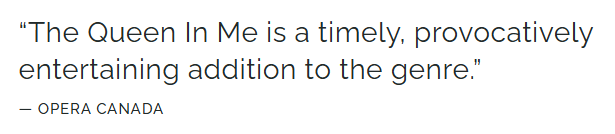
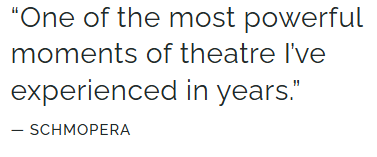
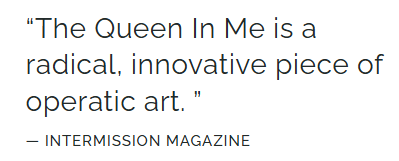
Reviews highlight the seamless blend of sharp wit, emotional depth, and stunning vocal delivery that makes this so compelling.
It’s been described as a “passionate and entertaining plea for an end to stunted diversity in the world of opera,” and a “clever, caustically funny, pointed and pertinent solo show.”
This critical reception also underscores its success in sparking crucial dialogues about representation and tradition within the arts.
Beyond the glowing reviews, it’s true significance, I believe, lies in its broader cultural impact.
Right now, where discussions around identity, inclusivity, and systemic change are more vital than ever, this performance offers a potent artistic response.
It challenges the opera industry to look inward, to confront its historical biases, and to embrace a more diverse and equitable future.
By giving voice to marginalized experiences and reimagining classical narratives through a contemporary lens, it serves as a powerful catalyst for change, demonstrating that tradition can evolve, that art can be a force for social justice, and that authenticity on stage can resonate far beyond the theatre walls.
The show’s ability to be both entertaining and deeply thought-provoking is a testament to its nuanced construction, inviting both opera aficionados and newcomers to engage with its powerful message.
Your Royal Decree: Tickets & Venue
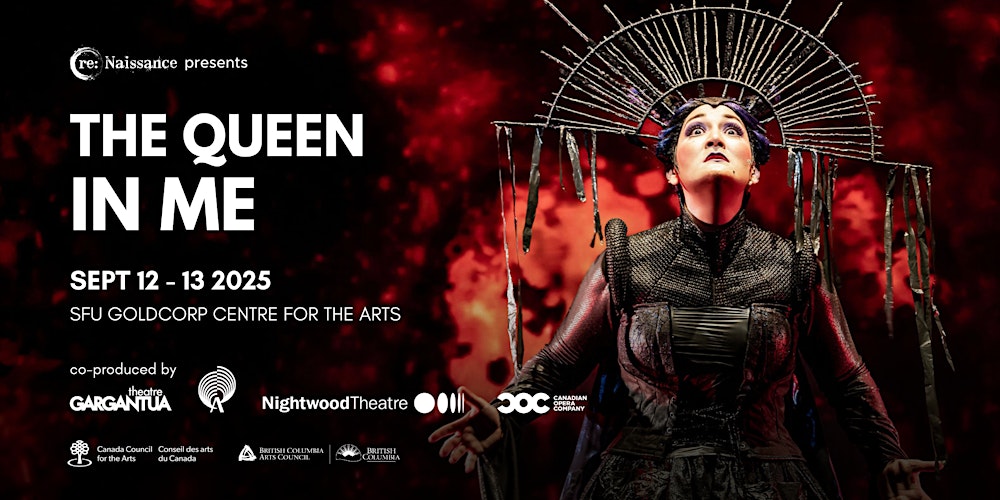
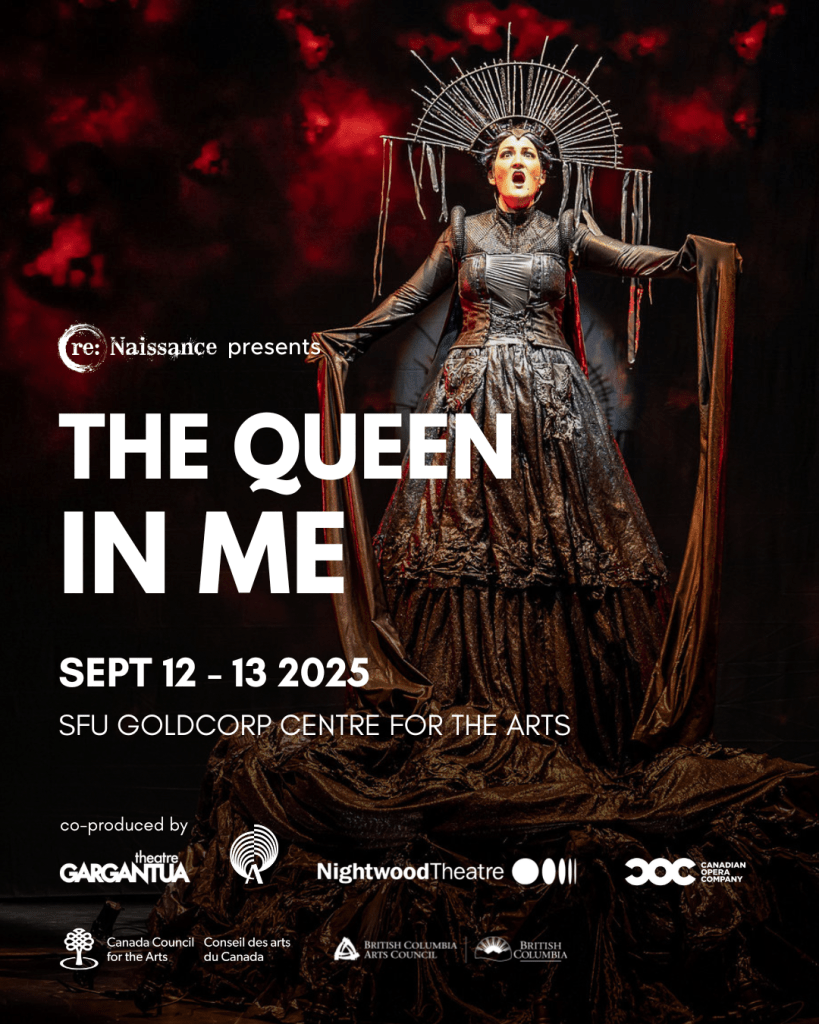
The Queen In Me at SFU Goldcorp Centre for the Arts
Dates: 9/12/2025 – 9/13/2025
| Theatre: SFU Goldcorp Centre for the Arts |
Tickets: $25-$85


Presented by re:Naissance. Co-produced by Theatre Gargantua, Amplified Opera, and Nightwood Theatre.
149 W Hastings St, Vancouver, BC V6B 1H4
Vancouver,BC V6B 1H4