

Jay Shah
DevOps\Aerospace Engineer & Journalist
Experimental cinema as I’ve observed in this city (GAME PROJECT; among many countless others) often invites audiences to shed familiar comforts, urging them to step into realms where narrative flows aren’t tethered to traditional arcs. One that demands you listen closely and let go of the need for clear resolutions. In:
““THE BIRDHOUSE ““
Director Romi Kim hands us not a structured blueprint of identity, but scattered fragments of Vancouver’s queer and trans community; capturing the ache of losing The Warehouse: a DIY space that once pulsed with drag shows, dance parties, providing moments of quiet refuge. A meditation on the impermanence of sanctuary and the resilience of those who build it anew.
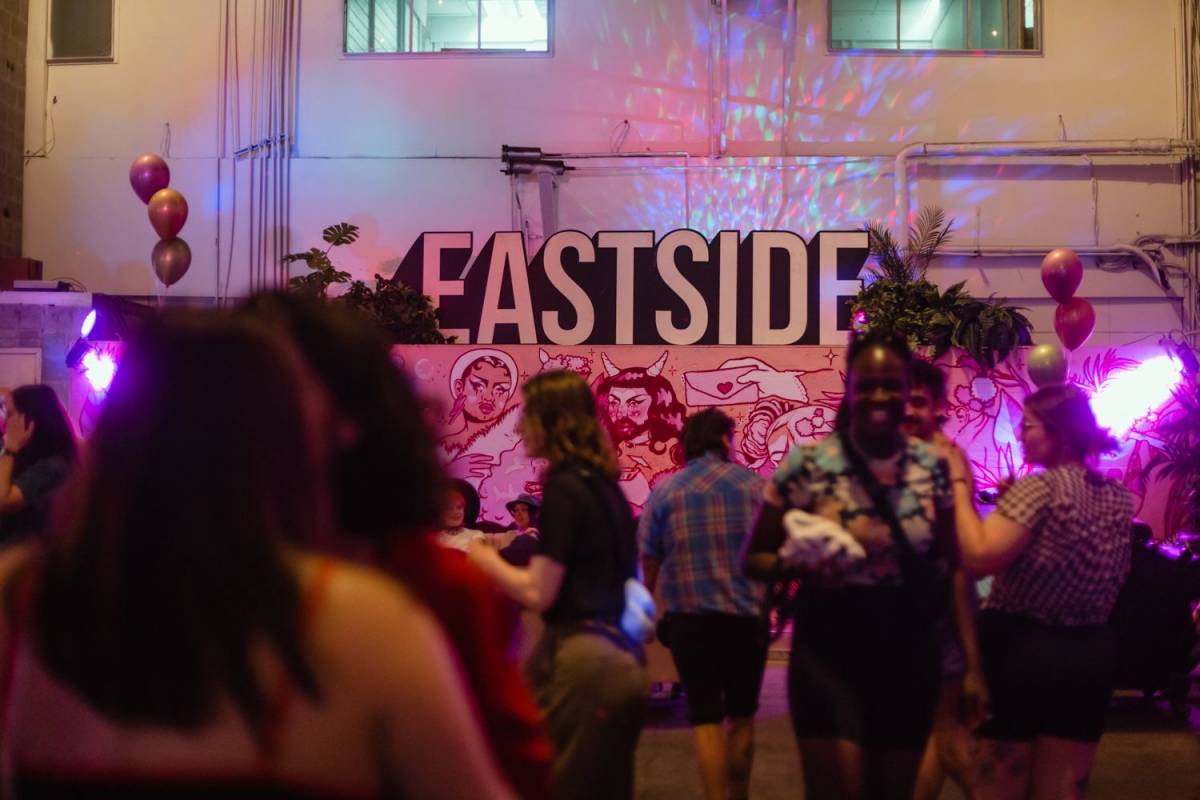
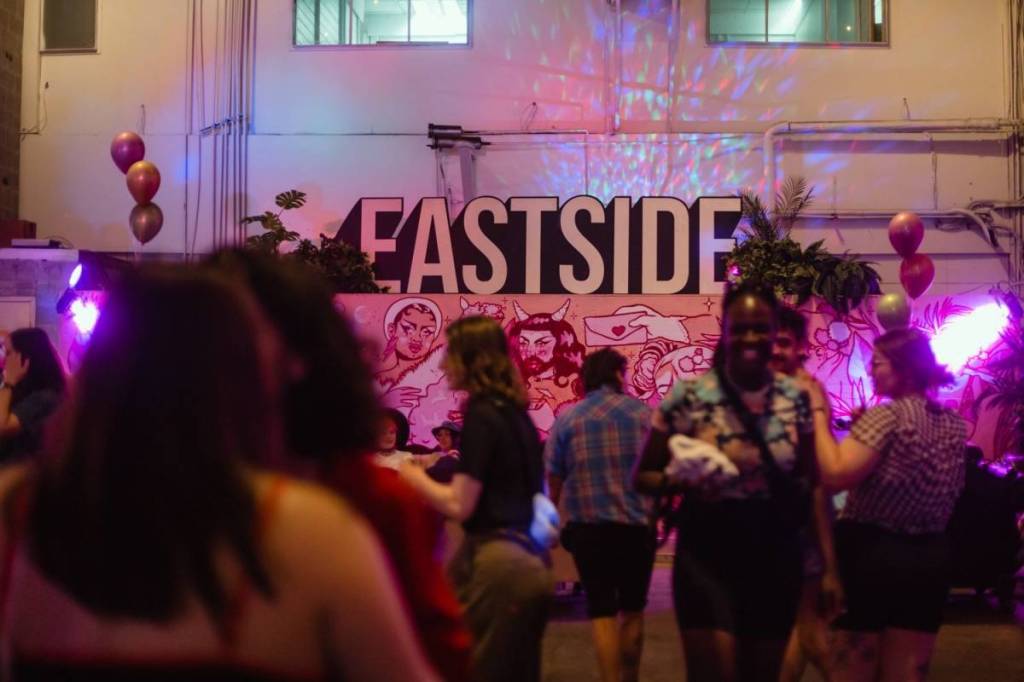
The Warehouse, Vancouver’s beloved DIY trans and lesbian run event space, now stands on the precipice of memory. Its walls have witnessed drag performances that tore through gender norms, parties where chosen families danced until dawn, enabling quiet moments of healing amid the chaos of the outside world. But when the imminent specter of demolition closed in, the community faced a bitter farewell. This piece captures this moment of rupture and renewal, juxtaposing the loss of a space with the birth of a new sanctuary.
Ready to take flight?
Fragments of Farewell: The Echoes of The Warehouse
To understand The Birdhouse is to first mourn the loss of The Warehouse. For years, this unassuming venue at 550 Malkin Avenue was a beating heart, a refuge where Vancouver’s queer and trans community could breathe freely. A DIY space shaped by the hands of those it sheltered, both as a sanctuary and stage, offering a home to drag artists, musicians, and anyone seeking solace in community.
Romi Kim’s camera lingers on the final days of The Warehouse with a reverence that feels almost sacred. The scraping sound of a snow shovel against pavement punctuates the silence of an impending goodbye. The parking lot, once filled with laughter and the thump of bass, now stands cold and empty. But even in these moments of stillness, there is movement. A reminder that farewells, like identity, are never static.
The film captures this tension through abstract visuals and intimate interviews. Performers share memories that shimmer with joy and ache with loss. The farewell party becomes a kaleidoscope of emotions:
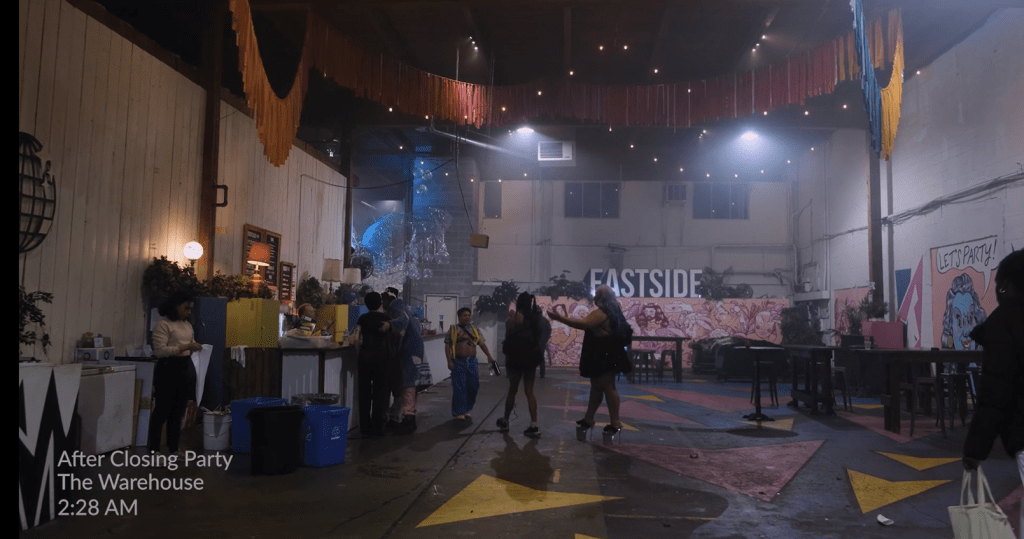
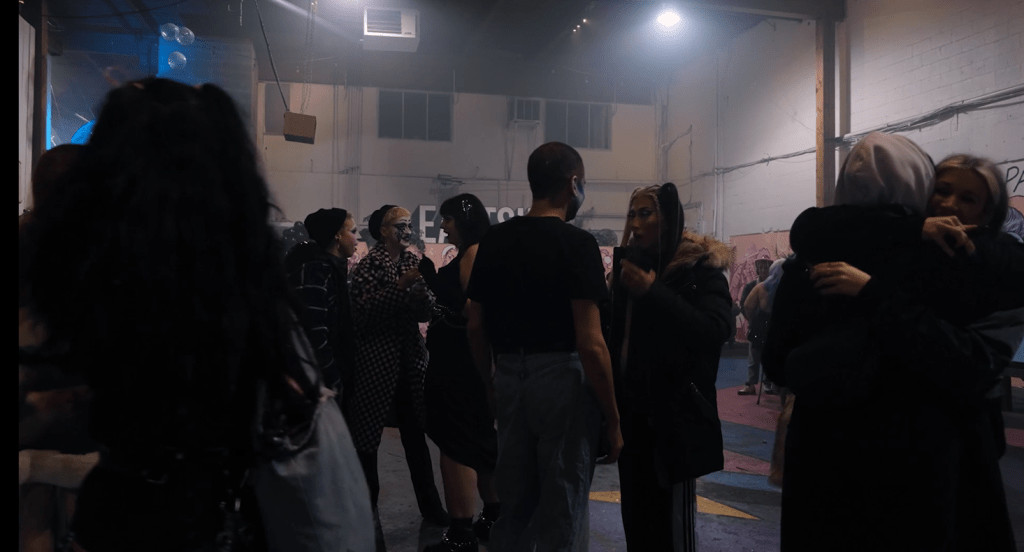
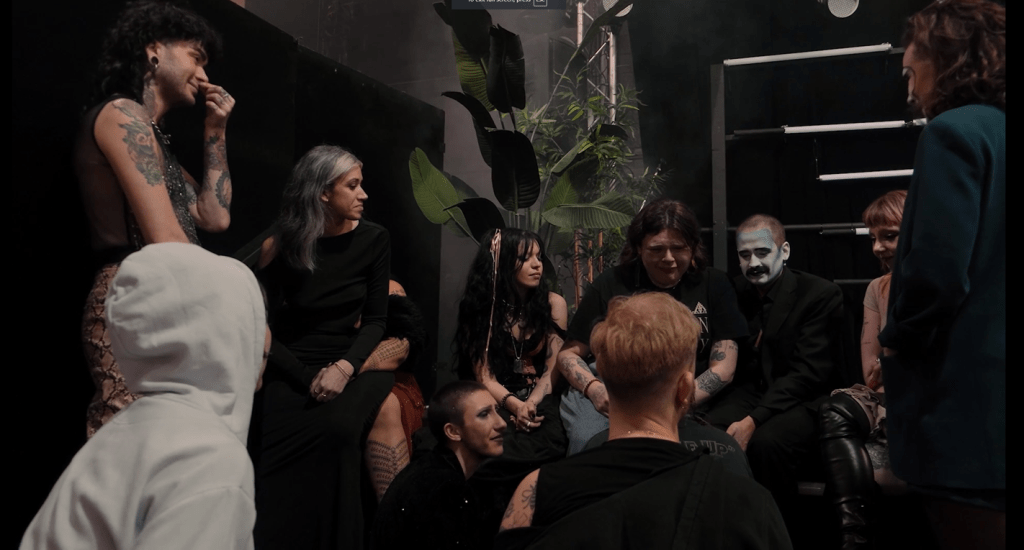
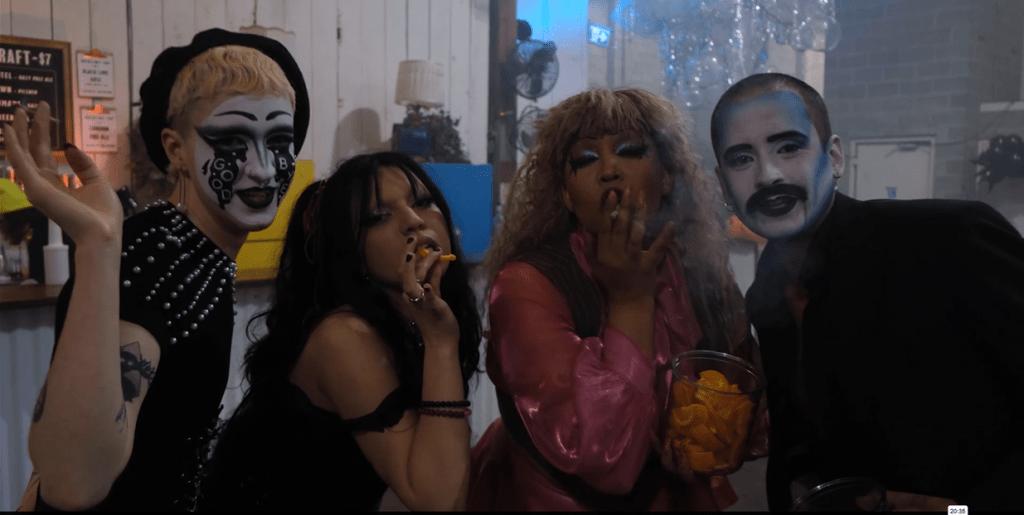
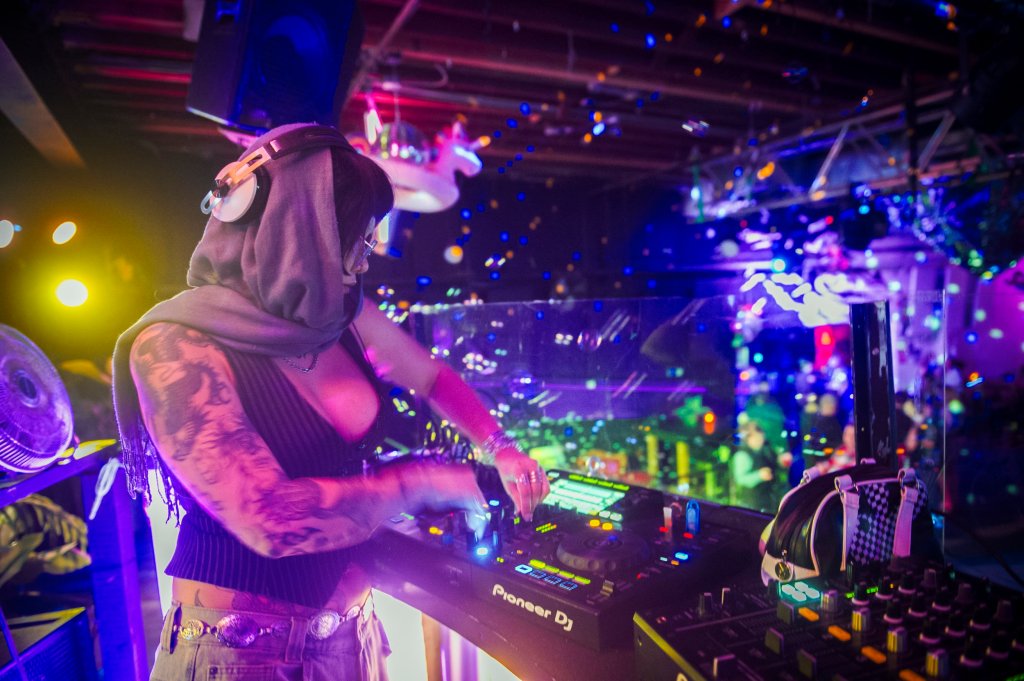
A performer in rhinestones and leather dances under swirling lights, their body a declaration of defiance and celebration. The camera pans over faces lit with both laughter and tears, fragments of a community holding onto each other as the walls around them prepare to crumble.
Personal reflections from those who nurtured this space—Paige Frewer, Ryn Broz, and countless performers—reveal the emotional toll of creating and losing a sanctuary. Frewer’s voice, weary but resolute, cuts through the noise:
“I never knew it’s what I needed.”
It’s a confession and a revelation, a reminder that spaces like these are lifelines where hypervigilance can finally relax, where joy doesn’t come with a price tag of fear.
As the film unfolds, these confessions are layered with abstract, almost dreamlike sequences. Hands submerged in water, neon hues pulsing through darkness, limbs adorned with tattoos and glitter. All of these images evoke a sense of transformation. The boundaries between the physical and the emotional blur, much like the boundaries between performer and audience, self and community.
There’s a deliberate messiness to Romi’s storytelling, a refusal to package the experience into a digestible narrative. This mirrors the experience of queer and trans communities navigating a world that demands coherence but offers chaos.
In one particularly striking sequence, a performer (GUSHY) licks shimmering liquid from their own fingers and toes. It’s a gesture that feels both intimate and defiant, a reclaiming of the body and self. This act, like the entire film, speaks to the freedom of expression found within these spaces.
The camera lingers, making the act feel both intimate and rebellious—a reclamation of the body, unapologetic and raw. It’s the kind of moment that sticks with you, blurring the line between performance and ritual.
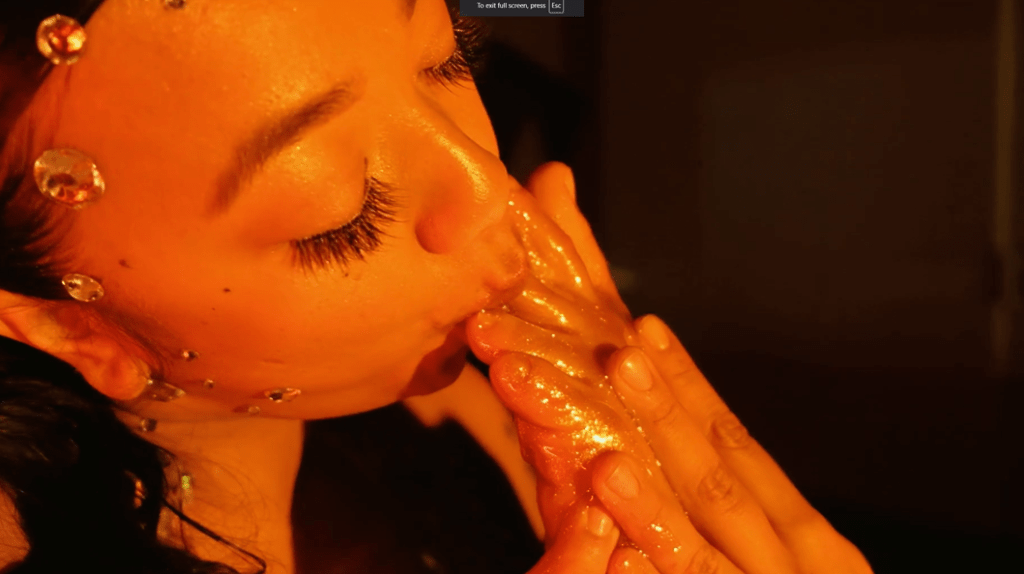
In these scenes, The Birdhouse mirrors the immersive, participatory nature of projects like GAME PROJECT. Just as Pegah Tabassinejad and Aryo Khakpour transformed the streets of Vancouver into a canvas for exploration, Romi transforms the space into a living memory.
GUSHY’s gesture carries weight beyond the stage lights; it feels like an assertion of presence in a world that often demands queer and trans bodies shrink or conform. The simplicity of the act, juxtaposed against the larger narrative of displacement, turns it into a declaration. A declaration that in these spaces, it’s about survival. The body, adorned, exposed, or defiant, becomes a canvas for joy, grief, and liberation.
The venue itself becomes a character, its walls imbued with the energy of those who inhabited it. The audience is not a passive viewer but a participant, invited to grieve, celebrate, and remember.
But this piece doesn’t linger solely in loss. Even as The Warehouse fades, seeds of resilience are planted. The film asks:
What does it mean to rebuild?
To take flight from the ruins of what was and construct something new? These questions guide us into the next chapter; a chapter where kinship, creativity, and defiance take root in a new space.
Resilience and Kinship: The Invisible Threads
The Birdhouse defies easy categorization. It flirts between documentary and experimental art, inviting the audience to engage actively in constructing meaning. And it does so with a raw vulnerability that feels deeply personal and universally resonant. Through personal interviews, abstract visuals, and electrifying drag performances, the film pays tribute to the invisible labor, love, and resilience that go into creating a queer haven.


The film doesn’t shy away from the struggles of maintaining safe spaces for the queer and trans community. Between the threat of gentrification, economic pressures, and societal bias, the effort to create these havens is relentless.
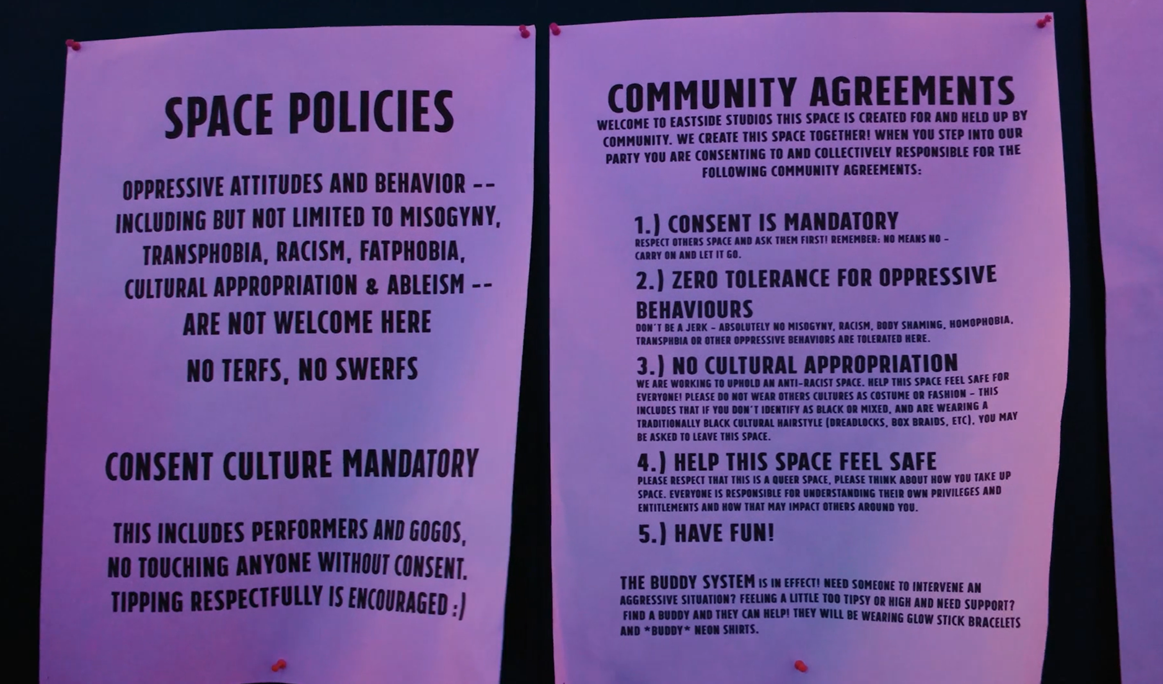
Yet, what shines through the lens is the unwavering commitment of those who refuse to let these spaces disappear without a fight.
Personal interviews reveal this unseen labor; the late nights spent organizing, the constant anxiety over funding, the emotional toll of providing a refuge for others while navigating personal challenges.
Interviews:
@theponyest – PAIGE
@pseudoryn – RYN
@softieshan – SHANIQUE
@sadboynails – TASH
@contibreakfast– CONTINENTAL BREAKFAST
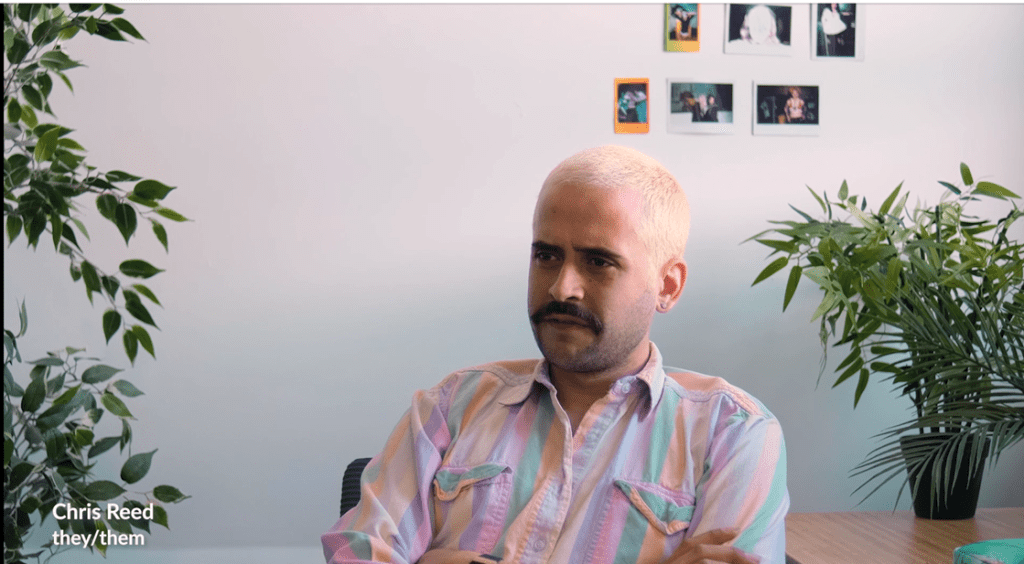
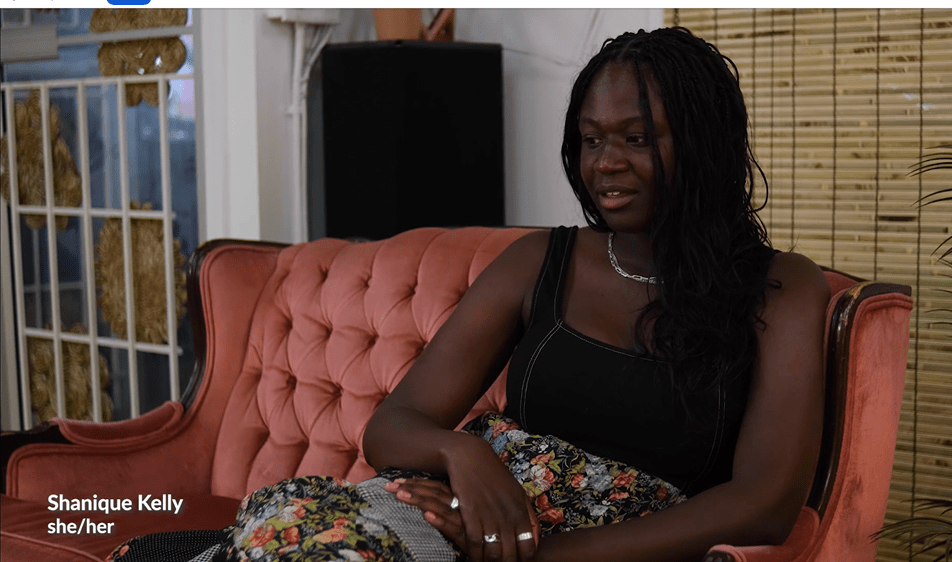
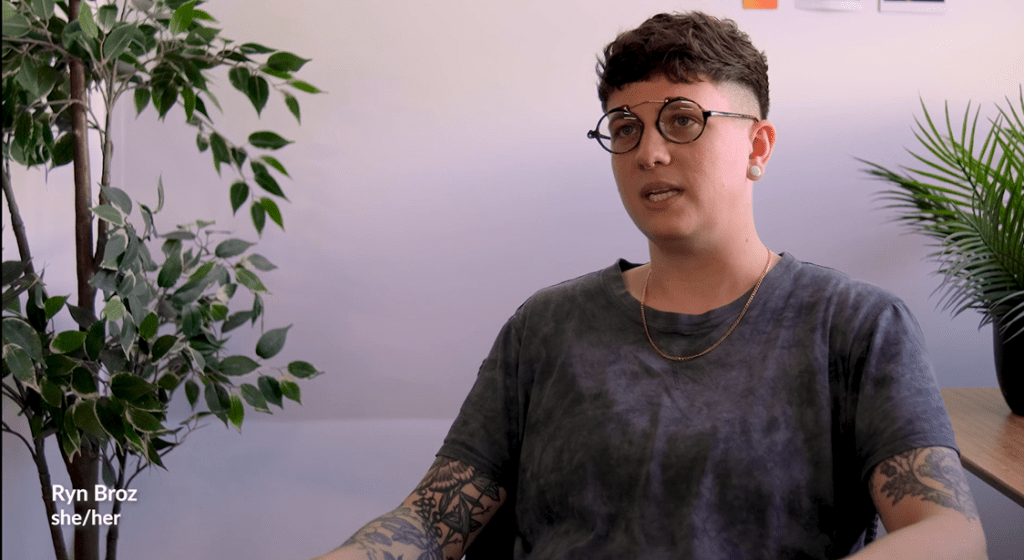
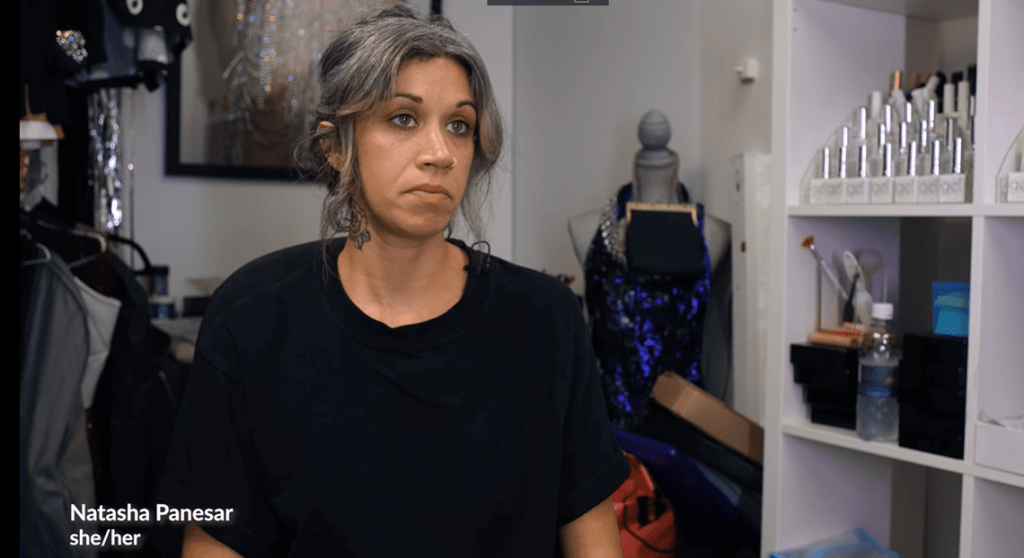
Paige Frewer’s words echo this reality:
“We’re all traumatized. Shit’s awful out there, and we all try to support each other and be brave. It is not easy.”
These honest reflections ground the film in the lived experiences of those who make these spaces possible.
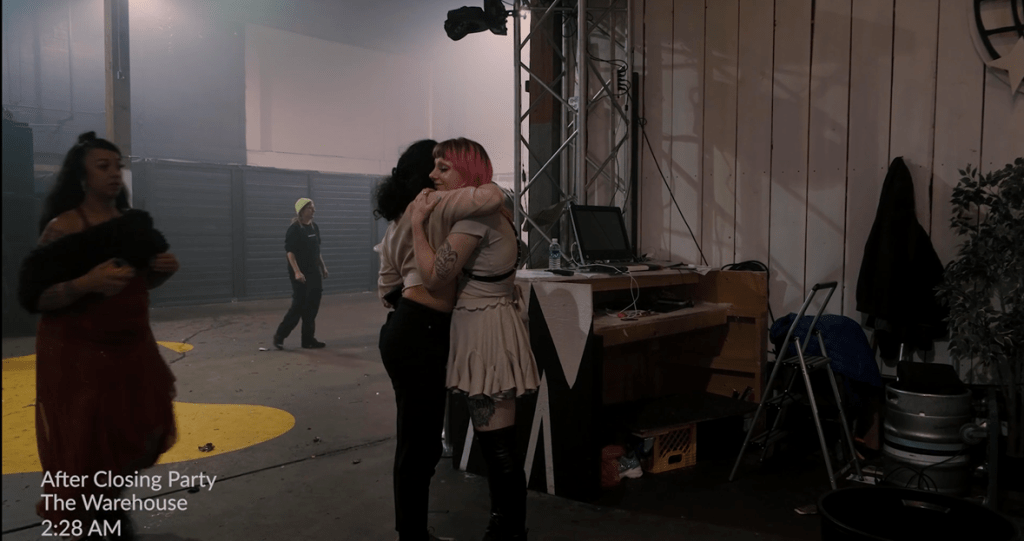
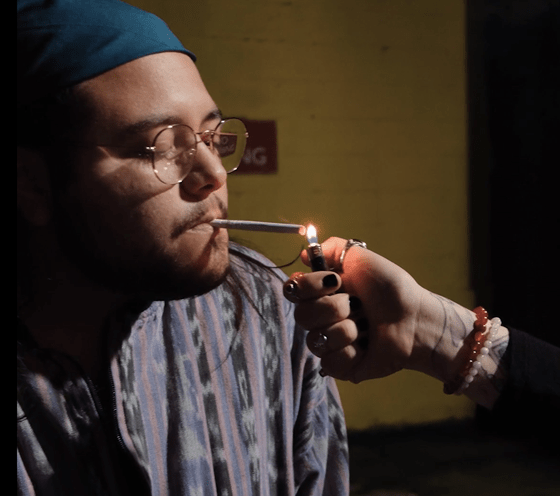
But resilience alone isn’t what sustains these havens. It’s kinship; the chosen families formed within these walls that transforms them into sanctuaries. The film captures fleeting moments of connection: a hug exchanged backstage, knowing glances between performers, laughter shared over a bar counter. These interactions are the glue holding the community together, threads that strengthen under pressure.


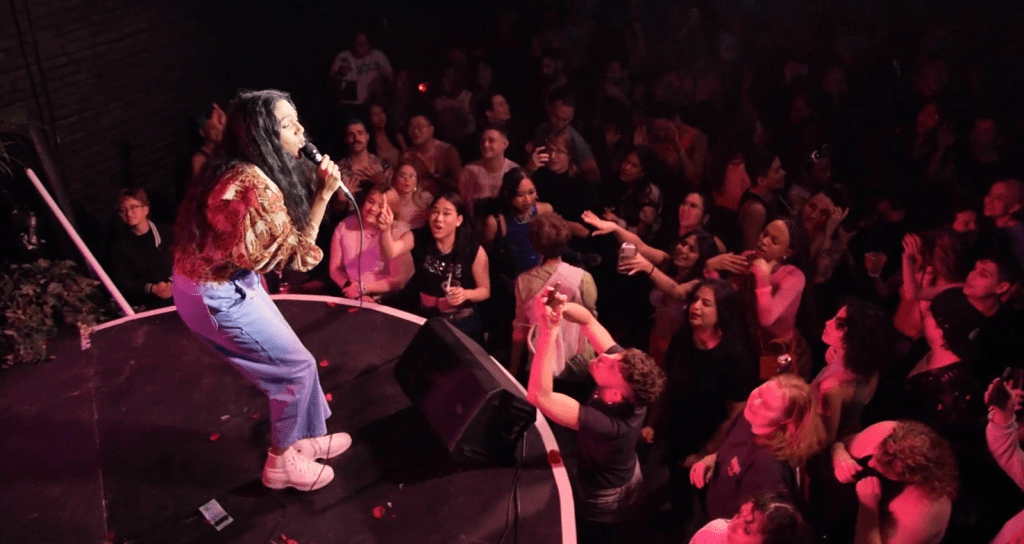
In one scene, a performer steps onto the stage, their presence electric. The crowd responds with cheers that feel like a collective embrace, a reminder that in this space, you are seen, celebrated, and held. The energy is tangible, a reflection of a community that finds strength in each other.
A Collage of Sights and Sounds: The Film’s Experimental Language
The Birdhouse speaks in fragments; a visual and auditory collage that mirrors the fluid, ever-shifting experiences of the community it portrays. This approach blends documentary realism with moments of abstract, almost dreamlike expression.
The result is a film that resists easy interpretation, demanding active engagement from the viewer.
The visuals oscillate between the concrete and the surreal. One moment, we’re watching someone shovel snow in the stark silence of a cold morning. Then next, we’re immersed in a riot of color and movement; a performer’s sequined body catching the light, neon hues spilling across walls, and shadows stretching and dissolving.
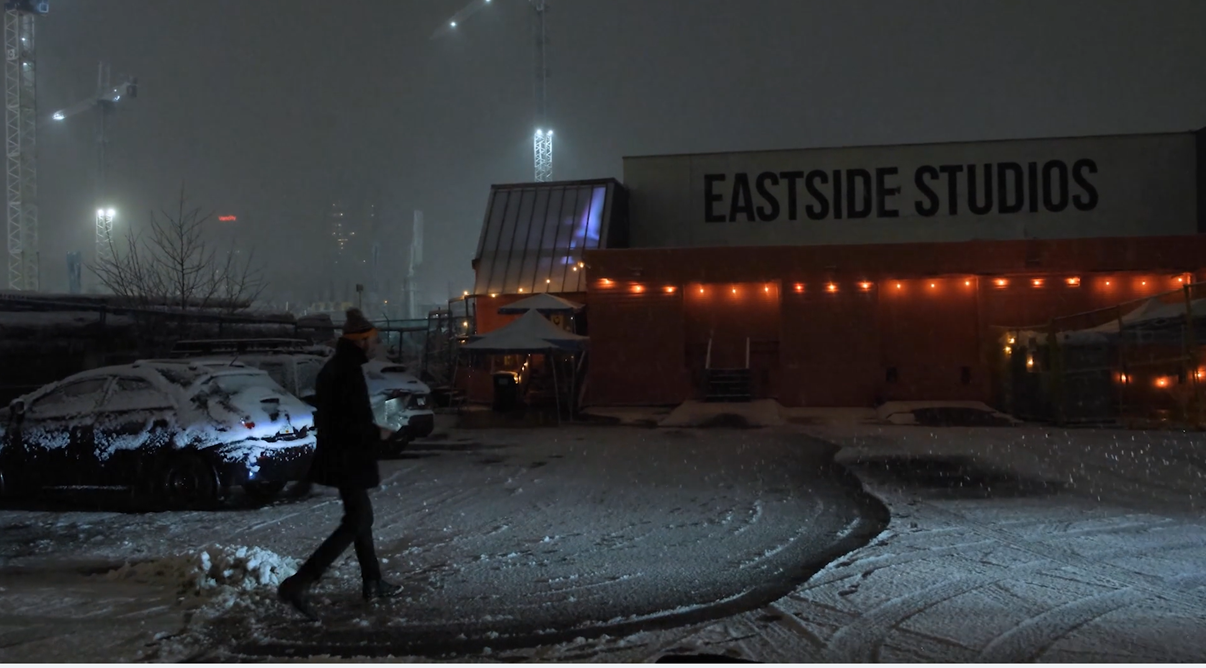
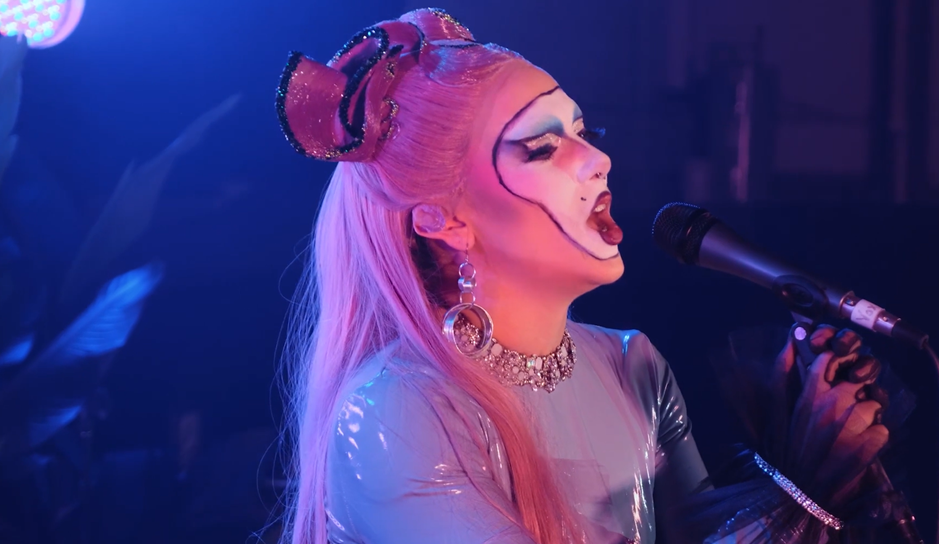
These juxtapositions heighten the emotional impact, capturing the dualities of loss and celebration, stillness and motion.
Kim’s use of close-ups draws us into the intimate details such as hands adorned with tattoos and glitter, beads of sweat on a performer’s brow, the flicker of stage lights reflected in tear-filled eyes. These small moments accumulate, creating a sensory experience that feels immediate and visceral.
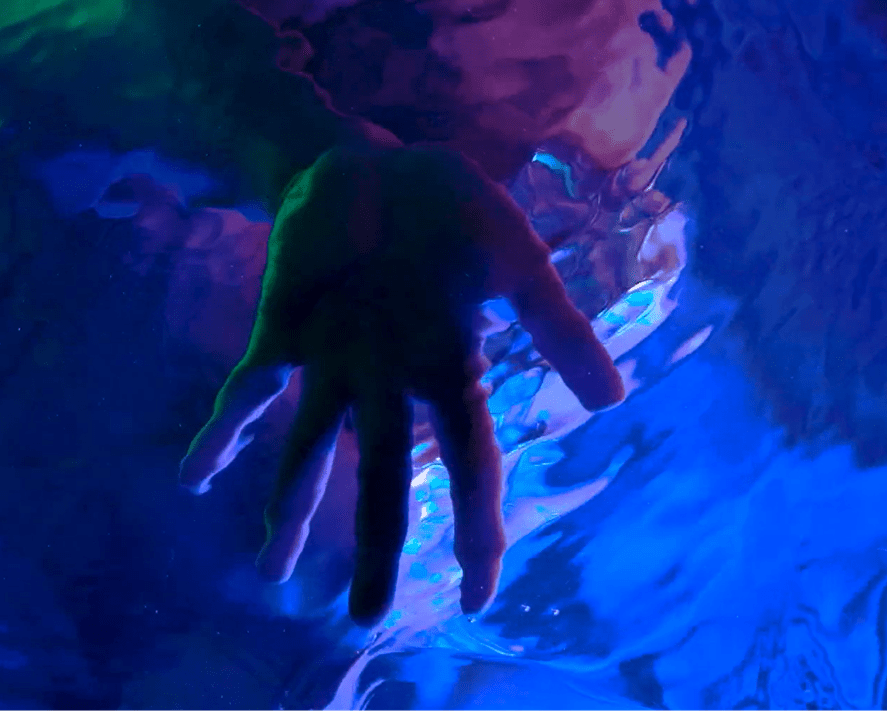

The sound design is equally evocative. Snippets of dialogue and interviews are layered over ambient noise. At times, distorted sounds wash over the visuals, creating an almost underwater effect, a sense of disorientation that mirrors the emotional turbulence of saying goodbye to The Warehouse.
This fragmented style is intentional.
They doesn’t hand the audience a neatly packaged story; instead, they offer pieces, inviting us to assemble our own understanding. The film mimics the act of memory itself:
“Imperfect, nonlinear, and full of gaps“
Just as the community rebuilds from the remnants of what was, we as the viewer are encouraged to construct meaning from the fragments presented.
In embracing this experimental language, this piece captures something essential about queer and trans experiences; the fluidity, the resilience, and the refusal to conform to rigid narratives. A reminder that beauty can be found in the incomplete, the messy, and the ever evolving.
Romi Kim: Architect of Memory and Flight
At the helm is Romi Kim, a director whose artistry flows from lived experience and a commitment to preserving queer history. Known in the drag world as
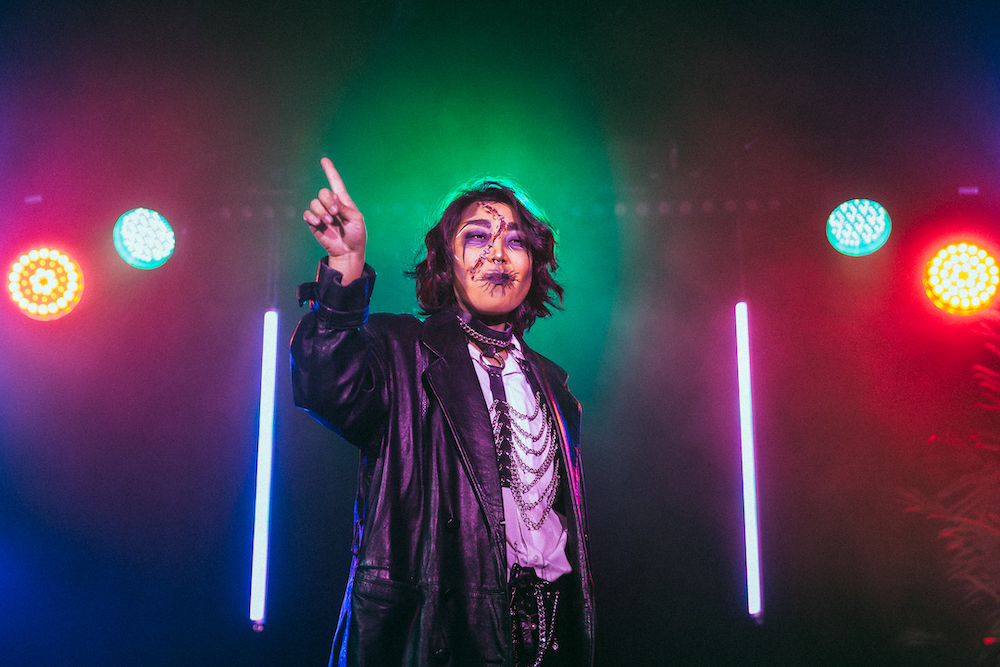
Romi embodies duality; a performer who understands the vulnerability of the spotlight and a filmmaker who captures that vulnerability with care.
Romi’s journey with Vancouver’s DIY queer spaces is woven into the film. As a member of the House of Rice, they have felt the power of community spaces to shape identity. This isn’t a detached documentary; it’s a lived archive, a collection of moments Romi has danced and grieved through.
I first crossed paths with Romi during a late summer evening at the Polygon Art Gallery’s Collage Party. As scraps of paper and threads of conversation converged on the table, Romi shared brief snippets of The Birdhouse, their eyes reflecting a passion for exploration, for deconstruction, and for the beautiful chaos of experimental storytelling.
Now, having experienced the film in its entirety, those fragments Romi mentioned feel like feathers caught in a storm; sometimes graceful, sometimes violent, but always in motion.
Their drag persona, SKIM, channels “monstrous masculinity,” a defiant exploration of gender norms.
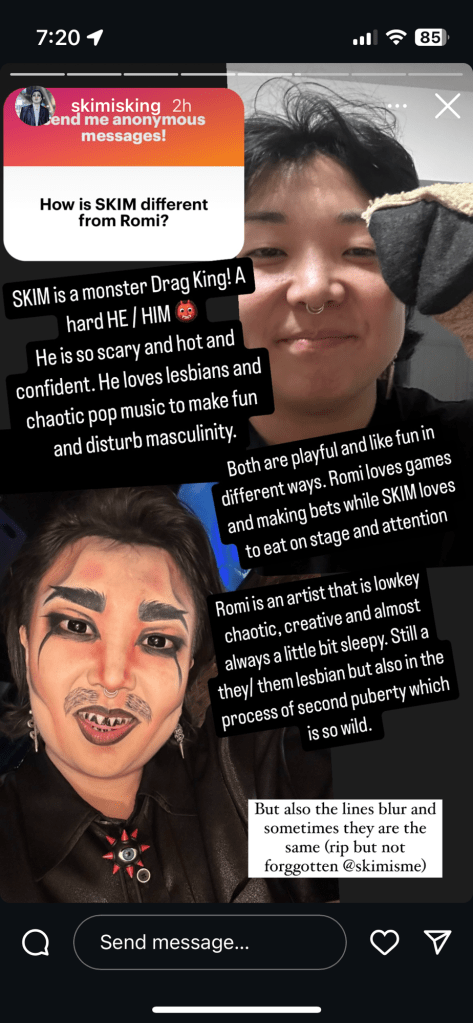
The Birdhouse carries this same spirit, tattooed limbs moving through water, neon lights casting shadows, bodies adorned in glitter and leather celebrating their right to exist.
For Romi, this film honors the labor and love that build sanctuaries. They reflect:
“My journey of feeling comfortable in my body has always been tied to that space. That’s where I came out as trans.”
This personal connection infuses every frame with authenticity.
Romi’s direction invites viewers to participate. The fragmented narrative, kaleidoscopic visuals, and unfiltered testimonies create a patchwork of memory that mirrors the experience of queer existence; in the senese that its messy, contradictory, yet stunning in its wholeness. Romi’s editing lingers on moments that might otherwise dissolve.
Moments like a performer adjusting their costume backstage, a drag king wiping sweat from their brow under the flicker of strobe lights, or a quiet pause between interviews.
These intimate beats resist erasure, forming roots even as the broader story soars toward flight. In their hands, memory becomes flight, and loss seeds new beginnings,craftng a love letter to resilience and kinship, a reminder that even in erasure, we can always take flight.
So; Thank you, Romi and everyone invloived with this film, for this reminder.
For the sanctuary.
For the wings.
🦋
For more updates and to follow my adventures as well as The Birdhouse, connect with them on:
And with me on:


Make a one-time donation
Make a monthly donation
Make a yearly donation
Choose an amount
Or enter a custom amount
Your contribution is appreciated and serves my coffee addiction.
Your contribution is appreciated.
Your contribution is appreciated.

