

Jay Shah
DevOps\Aerospace Engineer & Journalist
In my journey across Vancouver’s vibrant and diverse events, I’ve had the privilege of supporting various movements that celebrate culture, conservation, and community spirit. From the bustling streets and garden in Vancouver’s Chinatown to the inspiring “100 for the Ocean” initiative that brought together ocean lovers for a day of environmental action, it’s clear that every movement in this city has its unique way of bringing people together for a greater cause.
As Vancouver’s housing market continues to spiral out of control, communities across the city are grappling with the harsh realities of unaffordable living. It’s an issue that affects everyone, from students and young professionals to families and seniors. With rents skyrocketing and homeownership becoming a distant dream for many, the need for collective action has never been more urgent. Now, I find myself drawn into yet another powerful movement, one that blends fitness, community, and cultural appreciation
Enter :
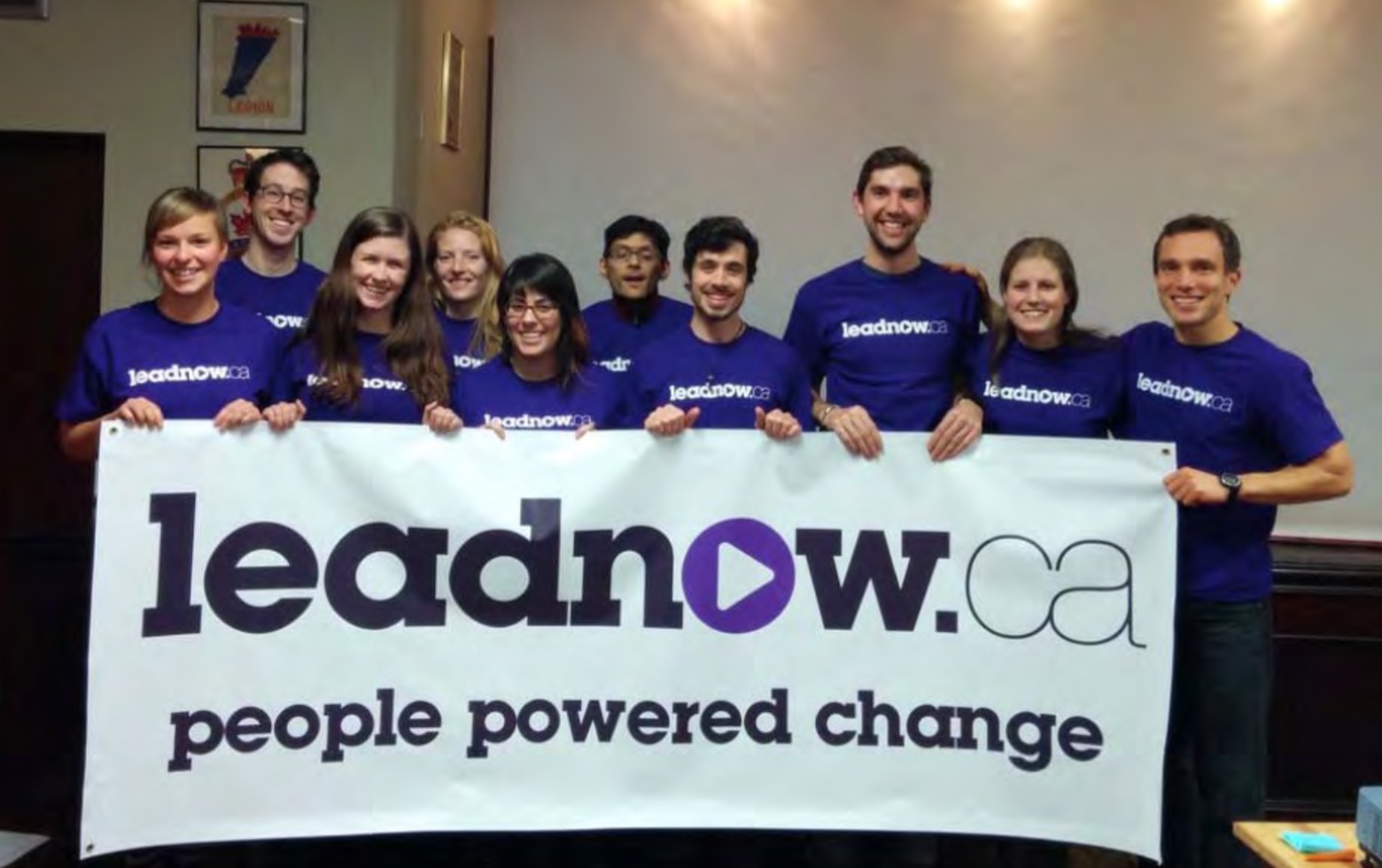
LeadNow
A Champion for Justice and Equality
latest initiative: a community-driven event aimed at tackling the housing crisis head-on, hosted and led by the charming :

Madi Hansen is a dedicated advocate for social justice, with a particular focus on housing insecurity and poverty reduction. As a student research assistant in the philosophy department at Douglas College, she blends academic insight with personal experience, having faced homelessness and navigated the PWD (Persons with Disabilities) system. Her commitment to community organizing and involvement in both political and non-partisan campaigns reflects a deep personal mission to create meaningful change. Through her leadership in the Disaffection Coalition Society and other advocacy efforts, Madi facilitates important conversations that address injustice and bridge societal divides.
Driven by a belief in the power of empathy and mutual understanding, Madi strives to foster collaboration and progress in the community. Whether through active participation in advisory boards or grassroots initiatives, they work tirelessly to ensure that the voices of marginalized individuals are heard and respected. With a mix of academic rigor and lived experience, Madi’s approach to advocacy is both personal and impactful, always aiming to make a difference—one conversation, and occasionally one joke, at a time.
LeadNow has been at the forefront of advocating for housing justice, mobilizing communities across the country to take action against the forces that have commodified housing at the expense of human dignity.
Founded on the belief that democracy should serve the people, not corporate interests, it organizes campaigns that empower citizens to demand better from their leaders. The organization operates independently of party politics, focusing instead on amplifying the voices of ordinary Canadians and building people-powered movements.
Three-Step Plan to Tackle the Housing Crisis
Their approach to the housing crisis is rooted in a three-step plan designed to mobilize communities and pressure politicians to enact meaningful change:
- Creating a Shared Vision: The organization engages communities in conversations to develop a collective understanding of the root causes of the housing crisis. These discussions aim to identify solutions that go beyond market-driven approaches and focus on ensuring that housing is a fundamental human right.
- Building Power Behind the Vision: Through grassroots organizing, they work to build a broad base of support for housing justice. By leveraging digital tools and community engagement, the movement seeks to unite people across the country in a powerful initiative that can influence policy at all levels of government.
- Taking the Vision to Politicians: The movement plans to bring its collective vision for housing justice directly to politicians, using tactics such as petitions, lobby days, and public events to demand that policymakers take decisive action to address the housing crisis.
Broader Mission and Impact
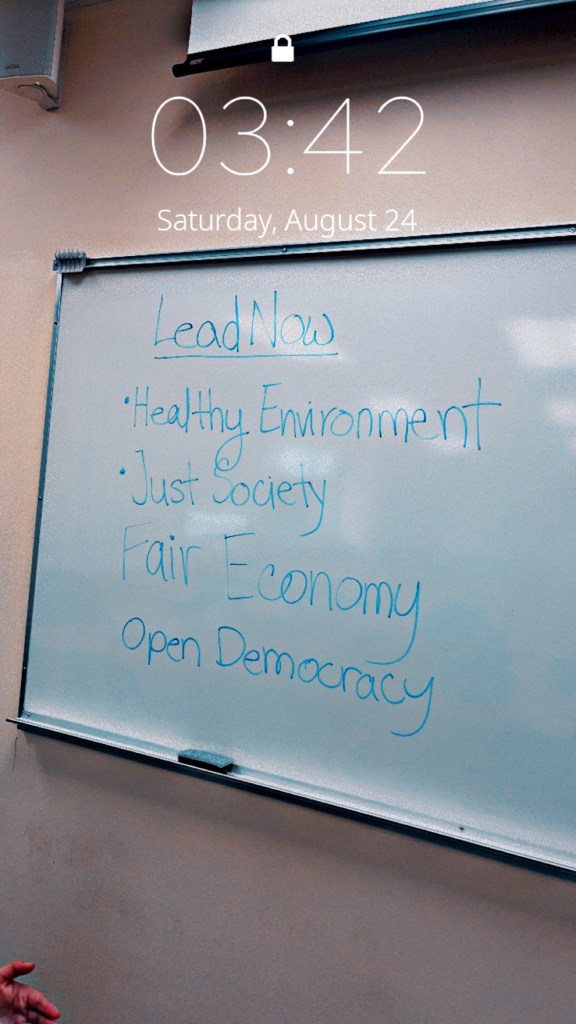
Beyond the housing crisis, this entity’s mission encompasses a wide range of issues that are critical to building a fair and just society. The group’s core values include:
- Healthy Environment: Advocating for clean air, water, and land, and pushing for a transition to renewable energy to combat climate change.
- Just Society: Fighting for human rights and dignity for all, with a particular focus on Indigenous rights and social justice.
- Fair Economy: Promoting an economy that serves everyone, not just the wealthy elite, by advocating for policies that ensure equitable opportunities for all Canadians.
- Open Democracy: Working to create a more transparent and accountable democracy where the voices of ordinary citizens are heard and respected.
Just as I stood with Vancouver’s cultural and environmental warriors, I am excited to share my experience with this event that promised not only to get us moving but to deepen our connection to the vibrant heritage that shapes our community.
The Heart of the Movement: Workshop Highlights and Community Voices
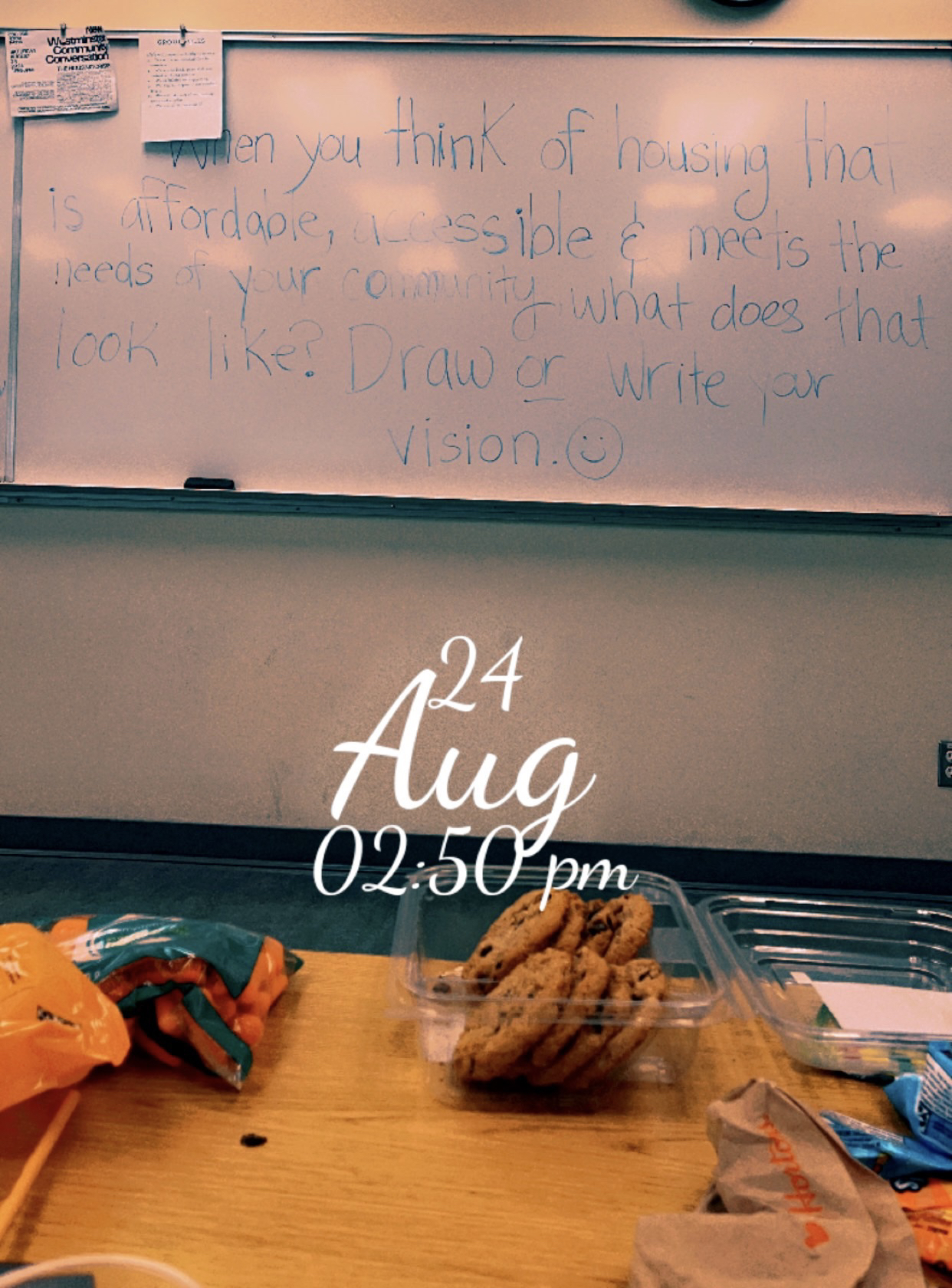
As the event began, we were greeted with a spread of snacks—chips, cookies, Timbits, and the ever-comforting presence of Tim Hortons coffee (yes, I’m that cliché). It might seem trivial, but there was something grounding about this simple gesture, turning what could have been a formal session into a communal gathering. With a mix of anticipation and camaraderie, there was a sense that everyone was there for something bigger than themselves.
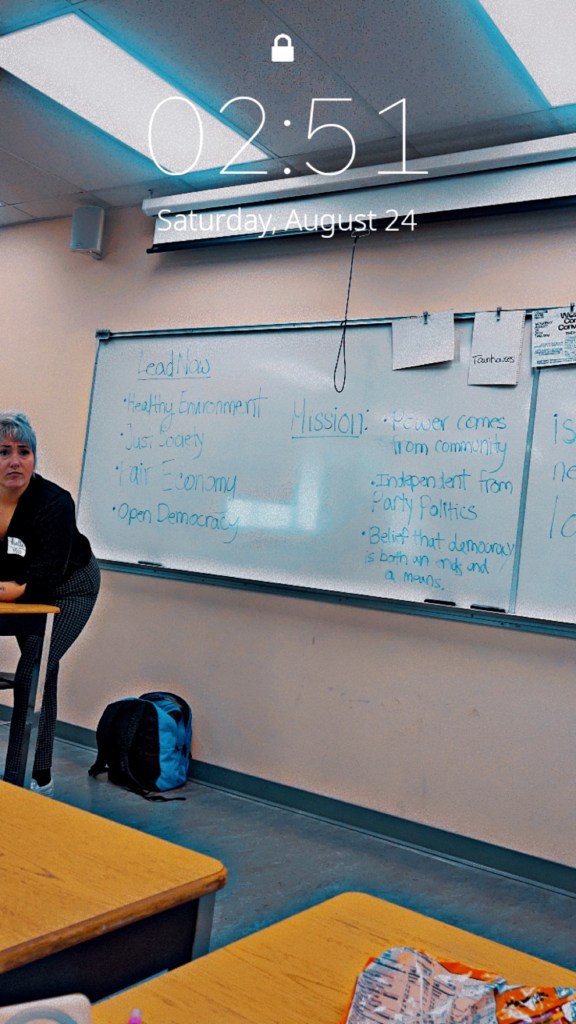
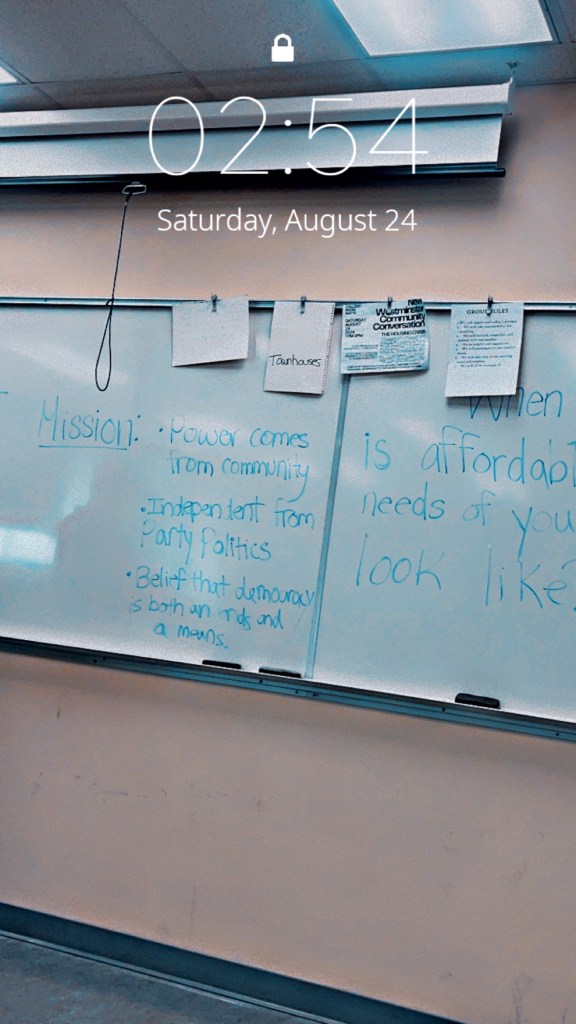
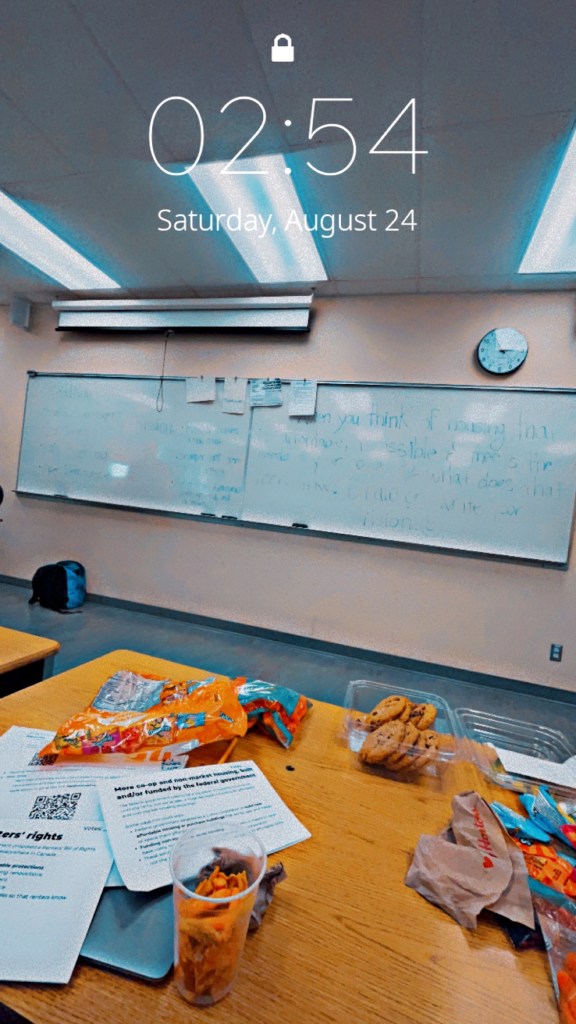

Our first task? A seemingly simple icebreaker that asked us to draw our vision of affordable housing—a vision that was not just accessible but truly met the needs of our diverse community. It was fascinating to see how, despite the variety of sketches, there was a shared theme of inclusivity, safety, and accessibility. The exercise was a creative warm-up and a powerful reminder of why we were there. Each drawing was a reflection of personal experiences, struggles, and hopes for a future where everyone has a place to call home.
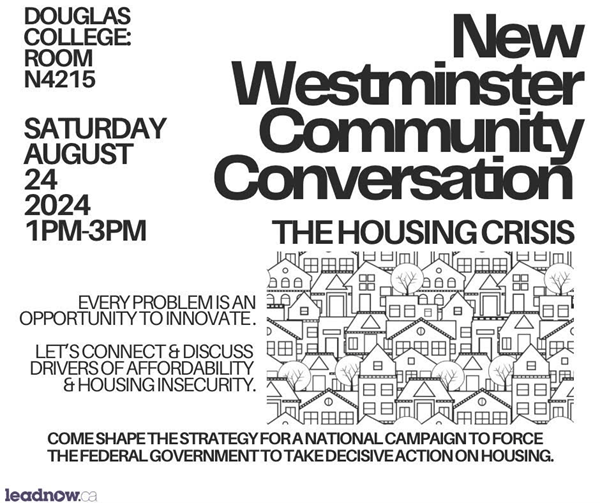
As the session progressed, we delved into the gritty realities of Vancouver’s housing crisis. Armed with flyers and bullet points that outlined the core issues—everything from the financialization of housing by wealthy investors to the lack of enforceable renter protections—we collectively explored solutions. Our discussion touched upon some of the most critical aspects of the housing crisis, and the event was a powerful reminder of the urgency surrounding this issue. As participants settled in, surrounded by an impressive array of snacks and coffee, the conversation quickly shifted to the challenges that Vancouverites face in securing affordable and stable housing.

Vancouver’s housing crisis is a multifaceted issue rooted in several complex factors. The city’s geographical constraints and the surge in demand, driven by a rapidly growing population, have led to a severe shortage of affordable housing. The situation is further aggravated by speculative investments that have pushed property prices to astronomical levels, making home ownership a distant dream for many and leaving renters in an increasingly precarious position. The crisis has not only widened the gap between the wealthy and the less affluent but has also contributed to a troubling rise in homelessness.


What struck me most was the diversity of voices in the room. We had young professionals worried about ever being able to afford their first home, families juggling the costs of rent with the demands of raising children (and a particularly sweet one at that, heyyyy Rowen!!), and an individual concerned about being priced out of their long-term rent controlled apartment. Each perspective added another layer to the conversation, emphasizing that the housing crisis isn’t a monolithic issue but one that impacts people across all walks of life.
This stark reality was evident in the various topics we explored during the session. From the need for stronger renter protections to the call for more co-op and non-market housing, the discussions were both intense and eye-opening. We examined potential solutions, including policy changes aimed at curbing the financialization of housing and increasing the supply of affordable units through government intervention.
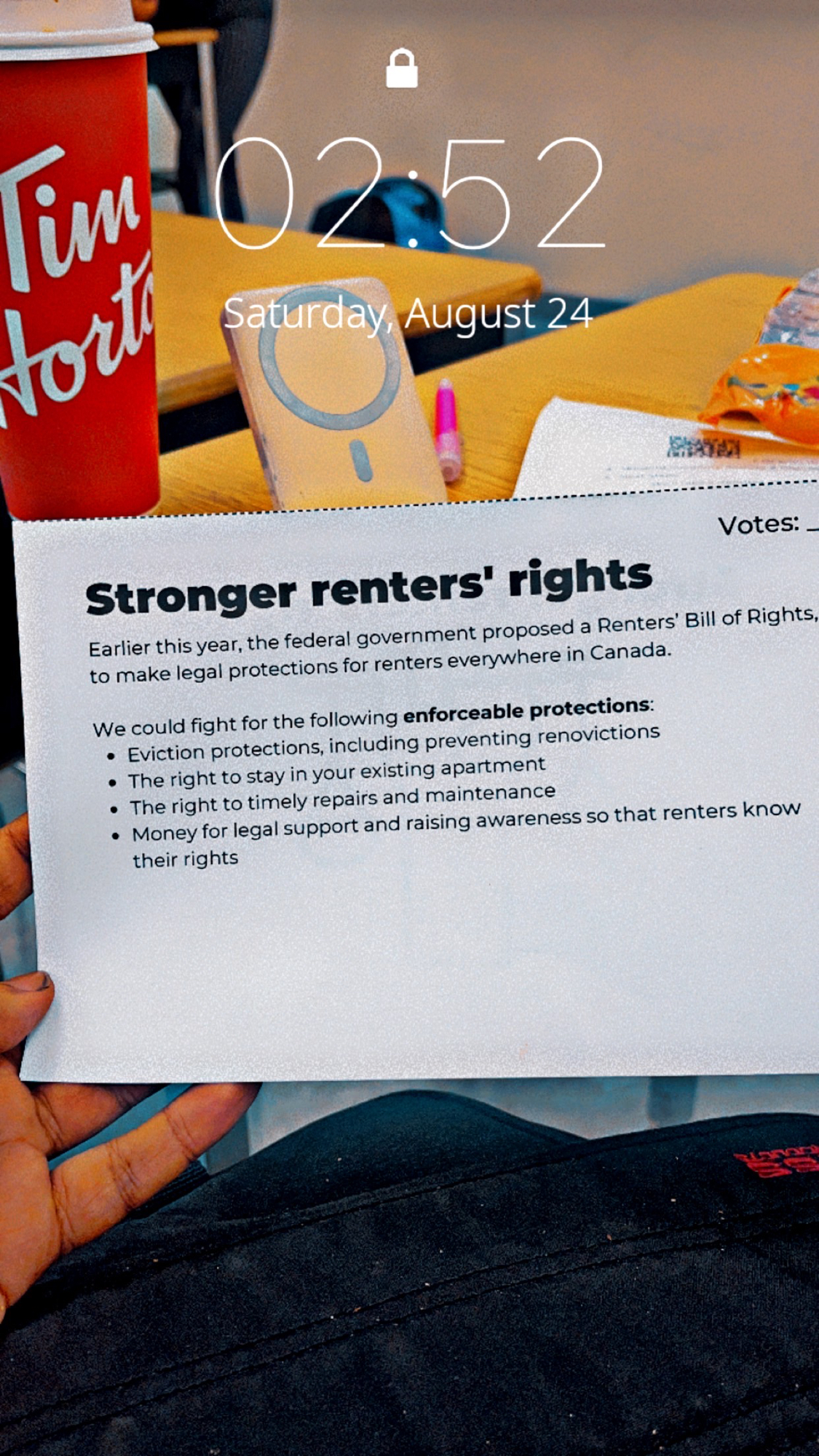
In a city where affordable housing feels like an increasingly elusive dream, the fight for stronger renters’ rights has become more urgent than ever. The flyer we discussed emphasized the importance of legally enforceable protections for renters, touching on critical aspects like eviction protection and preventing renovictions. These are not just abstract concepts but necessary shields for Vancouverites who face the brunt of a housing market that often seems to prioritize profit over people.
The proposed Renters’ Bill of Rights, highlighted in the flyer, is a beacon of hope for many. It suggests protections that could fundamentally change the housing landscape, such as the right to stay in one’s existing apartment and the assurance of timely repairs and maintenance. These measures aim to restore balance and provide renters with a sense of security in a market that has long been tipped in favor of landlords and developers.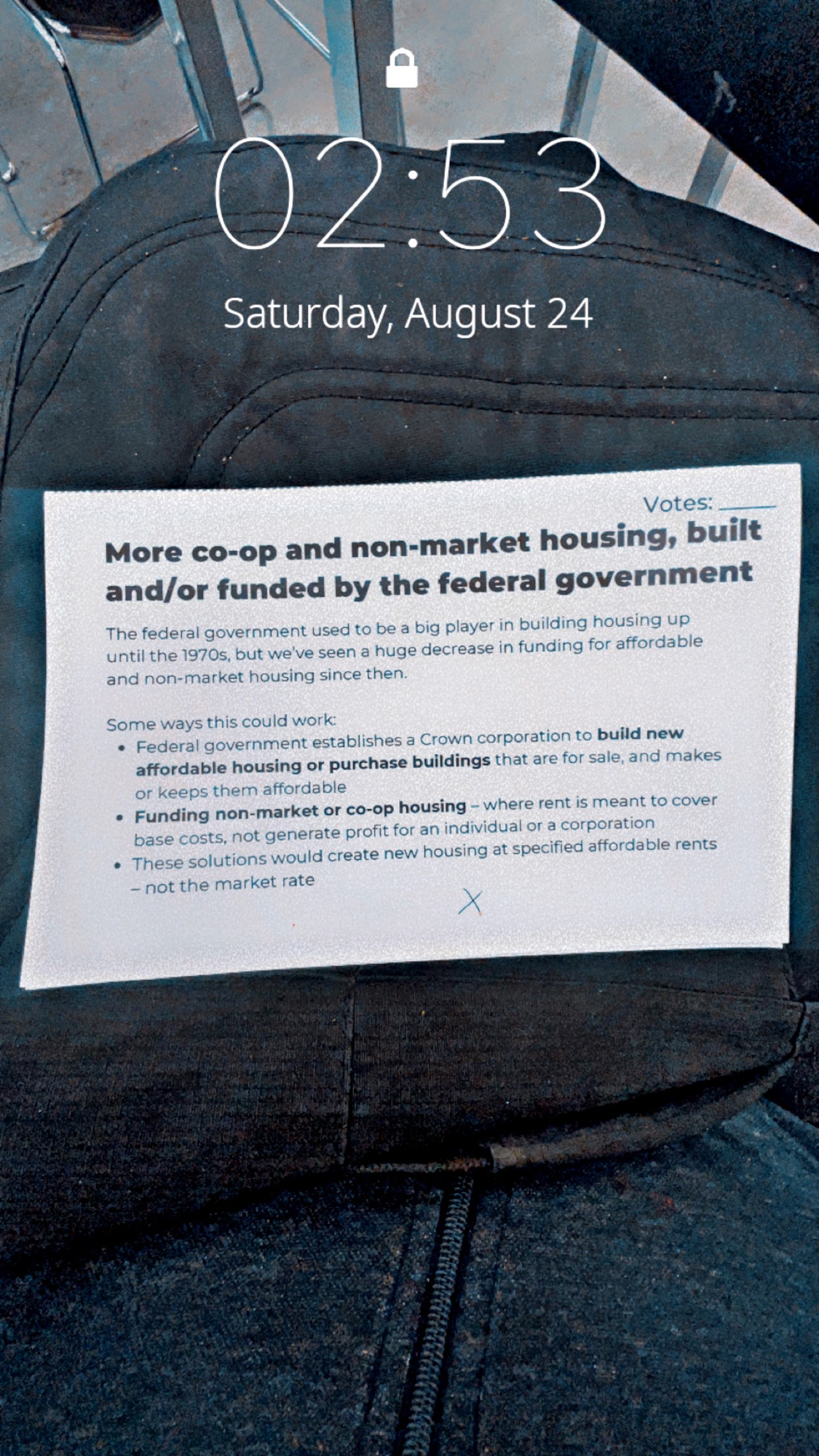
As Vancouver continues to grapple with its housing crisis, the call for more co-op and non-market housing is growing louder. The flyer brought to light the federal government’s potential role in rebuilding a system that once saw more robust funding for affordable housing. By establishing Crown corporations dedicated to building and maintaining affordable housing, there is hope that we can see a return to a time when housing was seen as a right, not just a commodity.
The concept of non-market housing is crucial in this context. Unlike traditional market-driven housing, non-market options are designed to keep rent at affordable levels, focusing on the well-being of residents rather than maximizing profits. This shift in perspective is vital for creating sustainable communities where people of all income levels can live with dignity and security.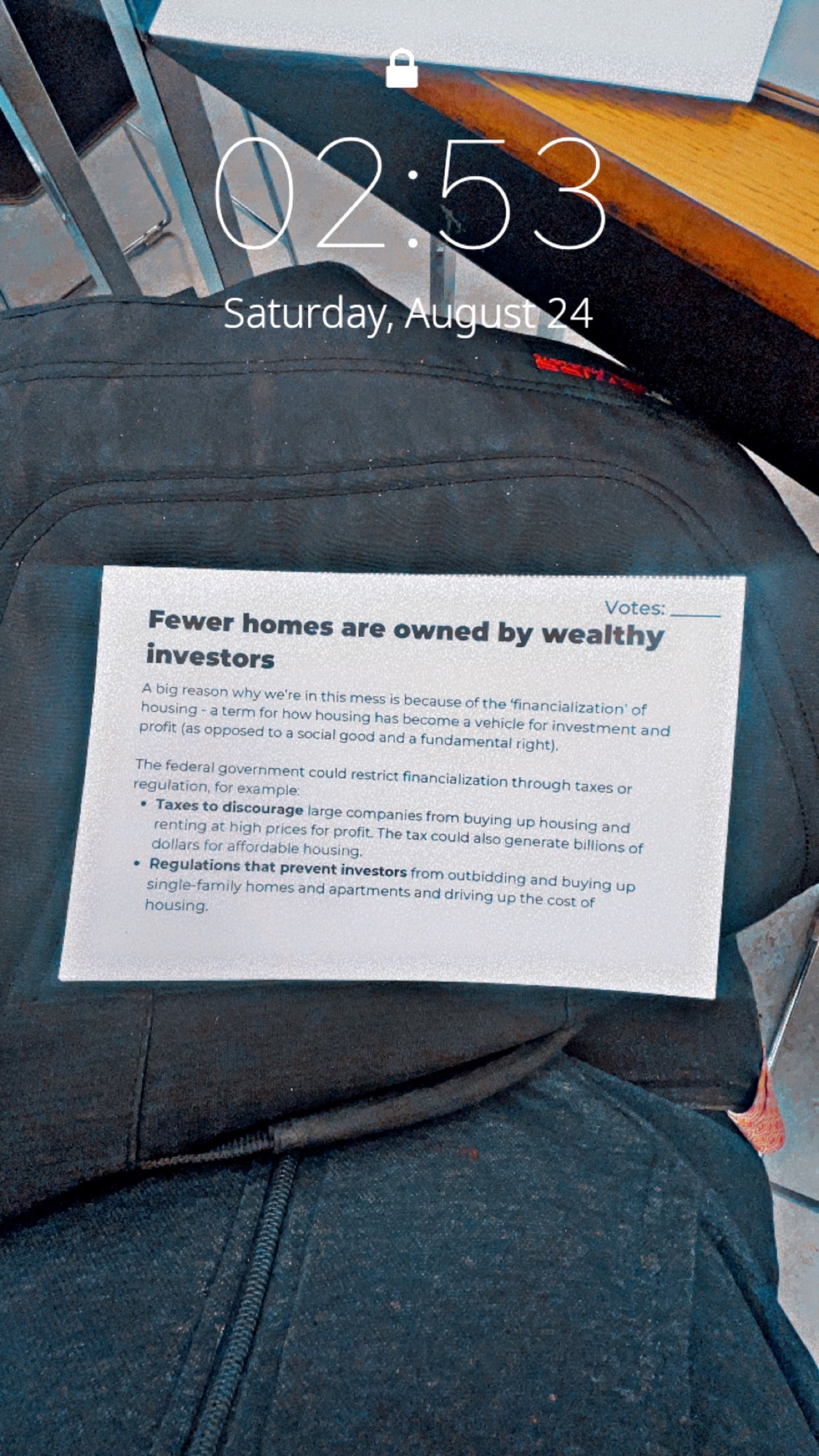
One of the most striking points from our discussion was the flyer advocating for fewer homes to be owned by wealthy investors. This issue has been a significant contributor to the housing crisis, as the financialization of housing has transformed homes from places of living into vehicles for profit. The flyer suggests that the federal government could intervene by imposing taxes that discourage large companies from buying up housing and driving up rental prices.
This approach not only addresses the current imbalance but also proposes regulations to prevent investors from outbidding regular families who are just trying to secure a home. By curbing the influence of wealth in the housing market, we can start to rebuild communities where homes are for living, not just for investment. This change is essential for creating a fairer, more equitable housing market in Vancouver.
A Tapestry of Resilience: Connecting Oceans, Heritage, and Home
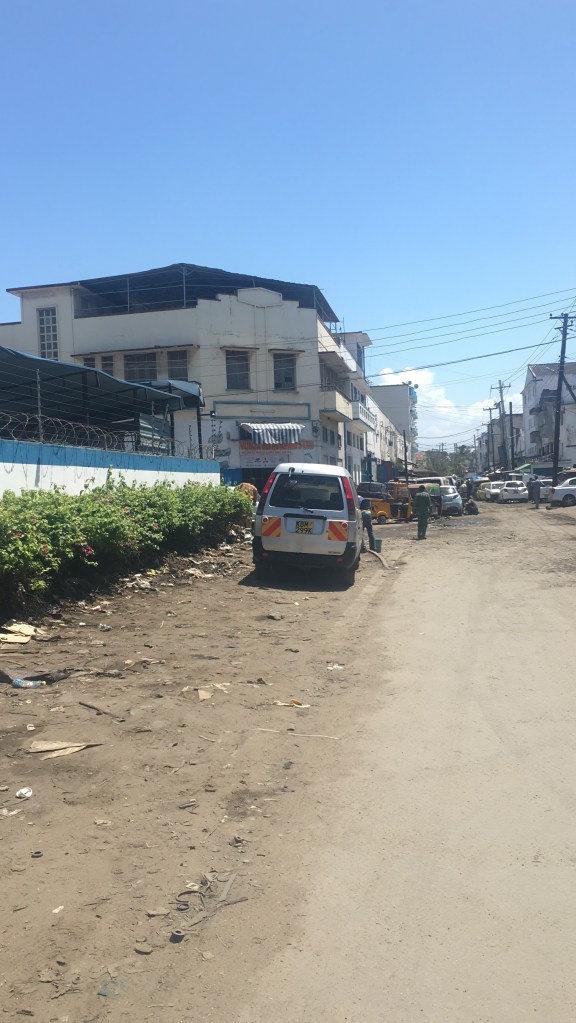
Growing up in the heart of Ganjoni, an impoverished neighborhood in Mombasa, Kenya, I’ve seen firsthand the challenges that arise from economic hardship and social inequities. Those early experiences have deeply shaped my perspective on community, resilience, and the power of collective action.
Earlier this year I had the privilege of attending a Gastown Townhall meeting, where we discussed the worsening issues of homelessness and safety in East Hastings. I was reminded of similar challenges faced in my hometown. Much like the ongoing battles in Vancouver, my neighborhood in Ganjoni dealt with the harsh realities of poverty, crime, and a lack of resources. But just as I saw communities come together back then, I see the same spirit of unity and determination here in Vancouver.
Now, as I navigate the vibrant streets of Vancouver, I find myself drawn to movements that echo the struggles and triumphs of my past, whether it’s fighting for affordable housing, preserving cultural heritage in Chinatown or through food (Cayenne Bistro ftw) and dance, or advocating for the protection of our oceans. Each of these causes resonates with me on a personal level, reminding me of where I come from and fueling my passion for creating meaningful change.
These movements, whether in East Hastings or East Africa or the campaigns led by LeadNow, remind me of the power of coming together, speaking out, and standing firm in the face of adversity.
Furthermore, I couldn’t help but draw deeper connections to powerful experiences that have profoundly shaped my perspective here in this city: the “100 for the Ocean” initiative and the cultural preservation efforts in Vancouver’s Chinatown. These movements, like the housing crisis, revolve around the themes of preservation, resilience, and community empowerment. In each case, the stakes are incredibly high—whether it’s protecting our oceans from environmental degradation, preserving the cultural fabric of Chinatown against the forces of gentrification, or ensuring that housing remains a right, not a privilege.
During the SeaLegacy hosted event, I witnessed firsthand the incredible power of a community united by a shared goal. Cleaning up beaches and raising awareness about plastic pollution was about instilling a sense of responsibility and collective action to safeguard our planet’s future. The same spirit of collective action was evident at this gathering. As we rally to protect our oceans, we are now coming together to protect our homes and communities from the unchecked forces of investor greed and political indifference. Both movements remind us that real, lasting change is possible when we come together with purpose and determination.

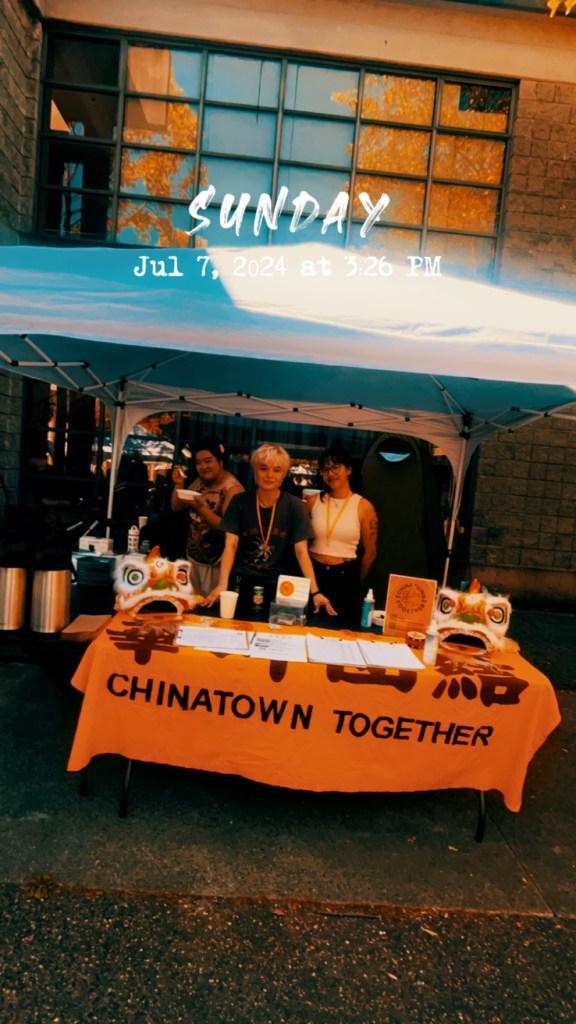
Similarly, the fight to preserve Vancouver’s Chinatown is another powerful example of community resilience in the face of external pressures. Chinatown’s battle against gentrification is as much about saving old buildings as it is about protecting the heart and soul of a community, much like how this fight for affordable housing is about preserving the dignity and security of individuals and families across the city. In these cases, the challenges are immense, but so is the resolve of those who care deeply about these causes. The LeadNow event was a continuation of this narrative—a story of a community standing up, speaking out, and demanding that their voices be heard.
This housing crisis is is part of a broader struggle to create a society that values people over profits, communities over corporations, and justice over convenience.
In this personal journey, I’ve realized that these movements, though distinct, are deeply interconnected. They are all about fighting for what’s right, for what’s just, and for what’s necessary to ensure that our communities, our environment, and our shared heritage are protected for future generations.
Just as I have stood with the ocean conservationists and the defenders of Chinatown, I am proud to stand with those fighting for housing justice. This is our moment to make a difference, and together, we can build a future where everyone has a place to call home.
This is our story, our fight, and it’s one that we must face together.
Stay connected with Leadnow, a grassroots organization dedicated to building a just, sustainable, and equitable Canada. Under the leadership of passionate advocates, they continue to spearhead powerful campaigns, leveraging community engagement and digital organizing to drive meaningful change. Their work exemplifies how collective action, commitment, and a shared vision can mobilize communities across the country to tackle pressing issues like the housing crisis.
Upcoming events and initiatives will be announced through their website and social media channels, providing further opportunities to engage and support this crucial movement. Whether it’s through participating in community conversations or advocating for housing justice, there are numerous ways to get involved and make a difference.
For more updates and to follow my adventures, connect with me on

Let’s keep the conversation going!




Choose an amount
Or enter a custom amount


One response to “Housing Justice Now: Building Power at Leadnow’s Gathering (ft. Madi Hansen!)”
[…] of maintaining safe spaces for the queer and trans community. Between the threat of gentrification, economic pressures, and societal bias, the effort to create these havens is […]