

Jay Shah
DevOps\Aerospace Engineer & Journalist
For many, the workplace is a place of belonging, where contributions are valued, and support is a given. But for Megan Redmond, it became a setting of exclusion and hostility. Overcoming years of addiction and a traumatic brain injury, she entered the world of support work with a commitment to make a difference. However, instead of encouragement, she faced a culture of mobbing and indifference.
Marilyn Rose
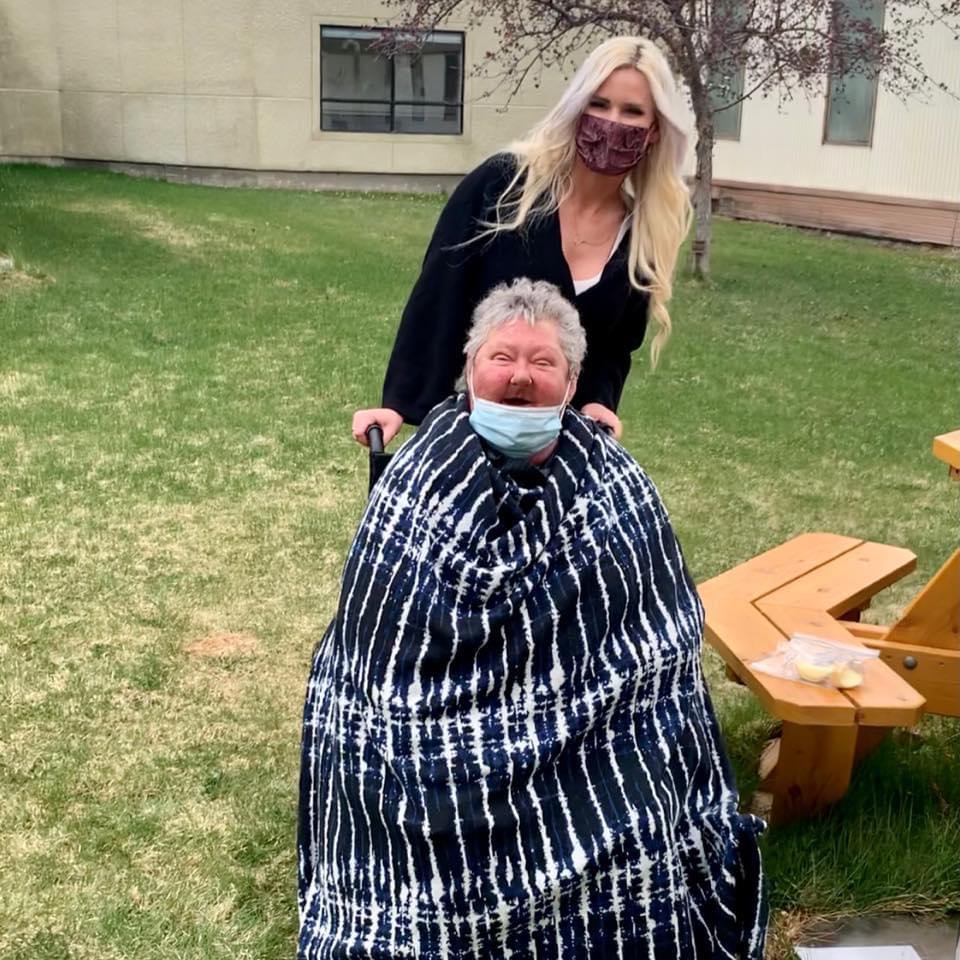
Marilyn Rose’s story is a tragic reflection of systemic failure—failure to protect, failure to care, and failure to value human dignity. As an Indigenous woman with disabilities, Marilyn endured racial and mental health discrimination for over a year while under the care of organizations that were supposed to support her. Her death in June 2020 at Princeton General Hospital was not just a personal loss to those who loved her, but a heartbreaking consequence of systemic neglect and prejudice.
Megan was Marilyn’s support worker and advocate, and as such witnessed the unacceptable conditions Marilyn endured. She fought tirelessly to ensure Marilyn received the care and respect she deserved, but her efforts were met with retaliation and mobbing from the very systems designed to protect.
Rose faced relentless discrimination as both an Indigenous woman and an individual with disabilities. The care provided to her was compromised by prejudice, leaving her vulnerable and isolated. Megan’s repeated concerns about Marilyn’s mistreatment were dismissed. Instead of receiving support, Megan herself became a target of workplace mobbing and retaliation from organizations like the Hospital Employees’ Union (HEU), the John Howard Society, and the Princeton District Community Services Society.
Denied the opportunity to participate in a supportive Homeshare program—a move that could have provided Marilyn with dignity and comfort—she instead endured morally injurious experiences at the hands of those entrusted with her well-being. Despite Megan’s advocacy, Marilyn’s suffering culminated in her tragic passing at Princeton General Hospital.
Even after her death, Marilyn’s legacy has been marred by ongoing disregard. Megan has faced continued psychological abuse and mockery, including being cruelly nicknamed “Redman,” a haunting reminder of the systemic racism and ableism that affected both her and Marilyn.
Marilyn’s life and death highlight broader systemic issues in workplaces, unions, and care facilities. Indigenous individuals and those with mental health challenges are often treated as burdens rather than as individuals deserving of respect and compassion. Marilyn’s experience demonstrates the catastrophic consequences of this dehumanization.
It is not enough to mourn Marilyn’s passing. To honor her, we must demand justice for what she endured and accountability for those who failed her.
By signing this petition, you are amplifying Marilyn’s story and demanding the systemic changes necessary to prevent future tragedies. You are calling for accountability, reform, and justice for those whose voices are often ignored.
On the Brian Crombie Radio Hour, Megan opened up about her experience, sharing, “I just wanted to help.” Yet, her dedication was met with disregard and, worse, outright neglect by those meant to protect her rights. In this recent interview Megan spoke candidly about her struggles. “I just wanted to help,” she shared, reflecting on her time as a support worker. But the support she extended to others was not extended to her when she needed it most.
Her challenges began long before she stepped into her role as a support worker. Living with undiagnosed ADHD and social anxiety, she often felt isolated. “I didn’t have a lot of friends because… when I would try to talk, my lips would quiver,” she shared in her interview. For Megan, alcohol became a temporary escape from the crippling anxiety, providing her with a fleeting sense of confidence. “When I would drink, the quivering would go away. Life felt interesting for the first time,” she admitted. But this relief came at a heavy cost, leading her into a cycle of addiction that spanned nearly a decade.
In 2017, Megan’s struggles took a devastating turn. Following multiple attempts to end her own life, Megan fell from a four-story balcony, suffering a traumatic brain injury. “When I woke up in the hospital, it was like the fog had lifted,” she reflected. Paradoxically, the injury had a transformative effect. Her cravings for alcohol disappeared, and her anxiety lessened. “I had no cravings… it’s been like that ever since,” she said. With newfound clarity,
Megan turned her focus toward helping others, determined to make a positive impact as a support worker.
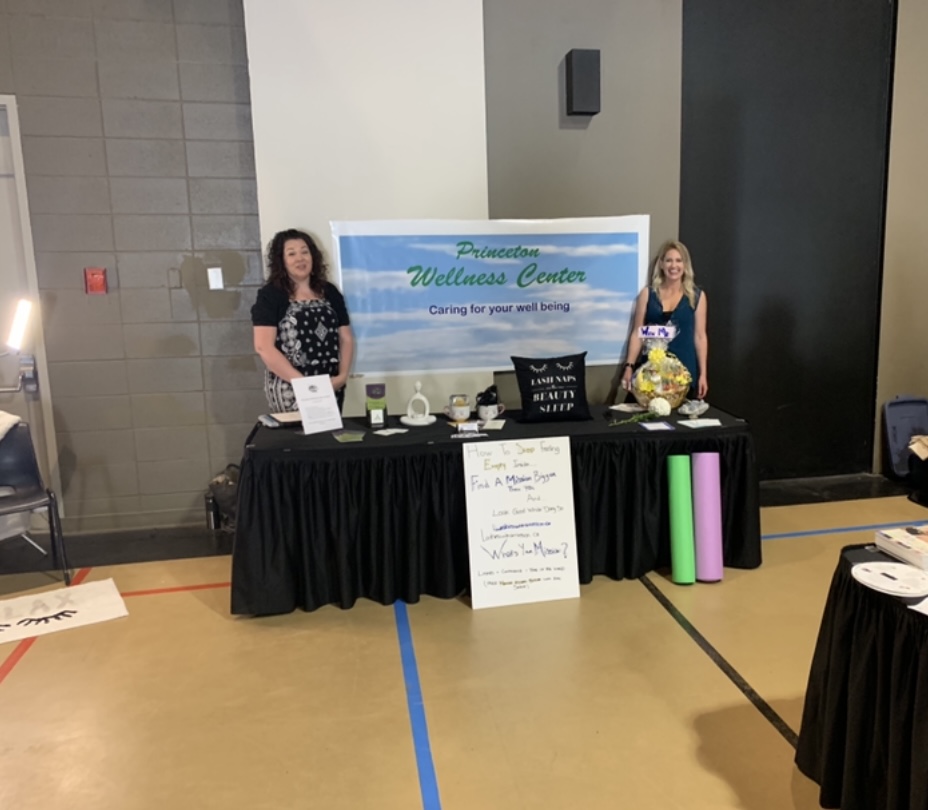
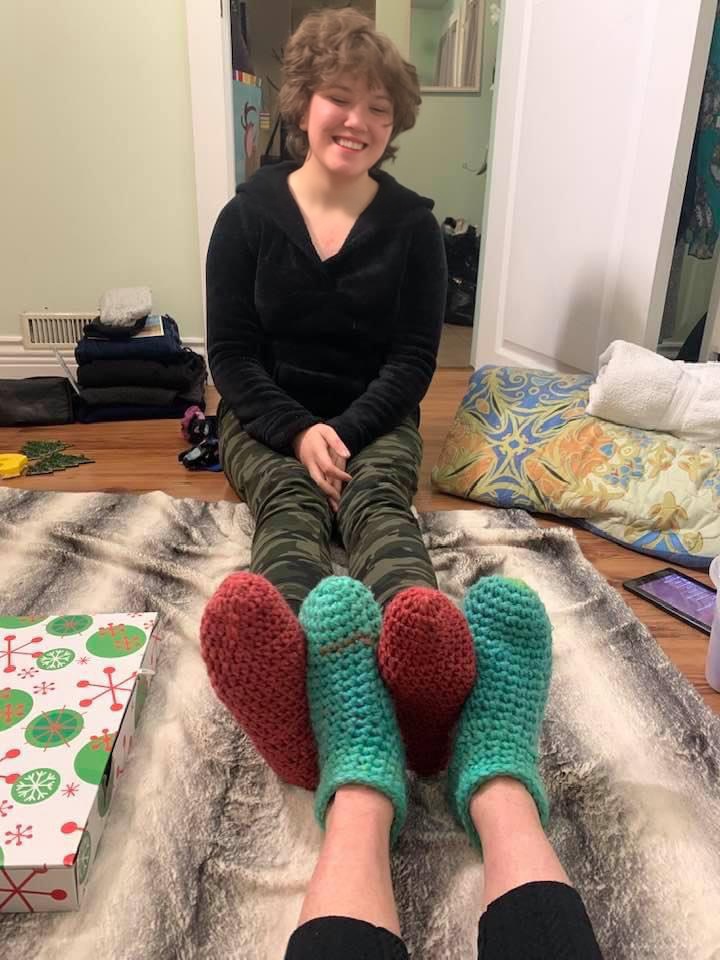

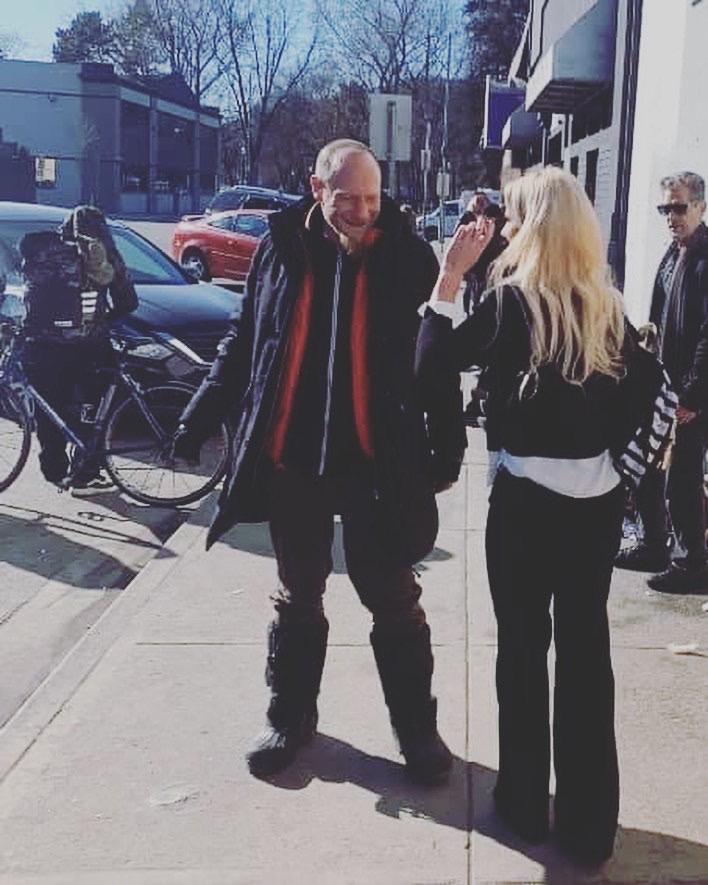
Facing Challenges: Megan’s Early Struggles and Recovery Journey
- Megan’s time as a support worker revealed the severe consequences of workplace neglect and lack of accommodations.
The constant undermining and lack of support took a profound toll on Megan’s mental health. Isolated and underappreciated, she found herself struggling with anxiety and self-doubt. “They made me feel invisible,” she said, reflecting on the emotional burden of being disregarded by both her employer and union. The effects extended beyond her work life, casting a shadow over her recovery. “It’s as if they were blind to what I’d overcome and the dedication I was willing to give,” she shared.
The challenges Megan faced weren’t limited to her immediate role. As a worker with a traumatic brain injury and ADHD, she required certain accommodations—extra time for paperwork, mentorship, and understanding from her colleagues. These weren’t extraordinary demands; they were reasonable requests to ensure she could thrive. Yet, these accommodations were dismissed or ignored. Instead of building her up, her workplace tore her down, creating an atmosphere of doubt and anxiety.
A Systematic Issue
Megan’s experience highlights a troubling reality for countless workers with disabilities. As she explained in the interview, the stigma surrounding mental health and invisible disabilities remains prevalent in workplaces, particularly for those who rely on accommodations to succeed. “They should have been there to support me, but instead, I was treated as if my challenges were a burden,” she said.
Megan’s story isn’t unique, but it is a powerful reminder of the cost of neglect in environments meant to foster support and respect.
The systemic challenges she has faced echo a broader pattern of injustice against individuals who find themselves marginalized in the workplace. Two recent cases in British Columbia—both striking and heartbreaking in their own ways—highlight the entrenched systems that perpetuate discrimination and exclusion.

Stephanie Hale vs. UBC Okanagan
Stephanie Hale’s journey for justice began after a devastating sexual assault on UBC Okanagan’s campus in 2013. What followed was an agonizing battle against the institution itself. Hale alleged that UBC Okanagan failed to adequately respond to her complaints, exacerbating her post-traumatic stress disorder (PTSD) and contributing to feelings of abandonment and neglect. The institution’s response—delayed, confusing, and opaque—left her with no choice but to escalate her case to the BC Human Rights Tribunal.
In August 2022, the tribunal ruled in Hale’s favor, awarding $50,000 in compensation for injury to her dignity, feelings, and self-respect, alongside nearly $15,000 for lost wages and expenses. The ruling revealed systemic failures, with the tribunal explicitly criticizing the university’s methods for handling complaints of non-academic misconduct. Hale’s perseverance is a testament to resilience, but her case underscores the emotional toll that comes when institutions fail to take proactive, supportive action.
Hale reflected on her experience in a deeply personal way: “It was about systemic reform—the heart and core of it,” she shared. While her victory was validating, the scars of the process linger, both emotionally and financially. Her case serves as a stark reminder of the human cost of institutional neglect and the pressing need for accountability.
Dr. Malvinder Hoonjan vs. Interior Health Authority
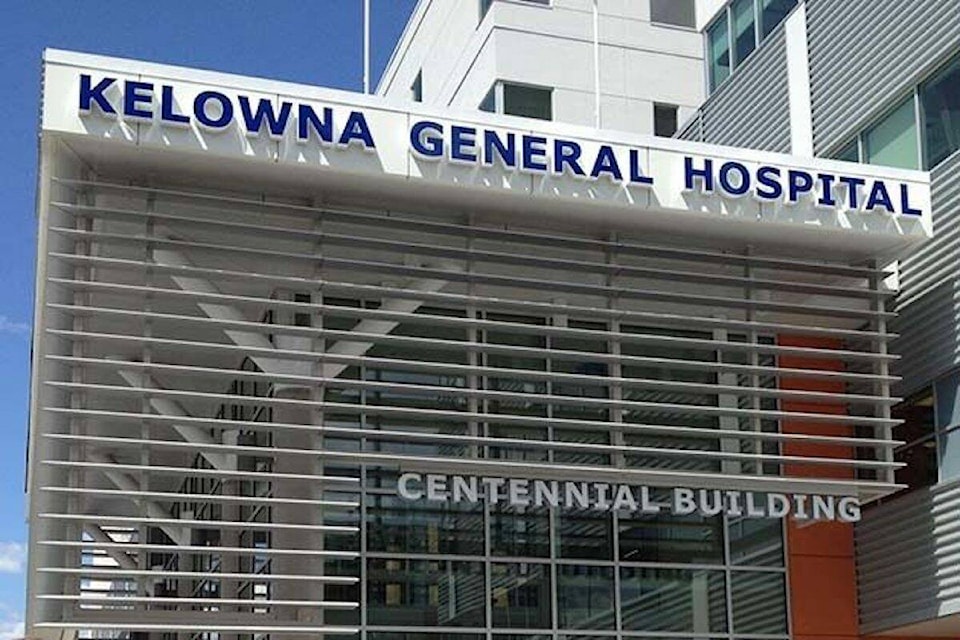
A different yet equally troubling narrative unfolds in the case of Dr. Malvinder Hoonjan, a Sikh retinal surgeon from Kelowna, BC. In 2019, the Interior Health Authority (IHA) centralized retinal surgical services to Kelowna General Hospital. Dr. Hoonjan, however, was not granted surgical privileges at the hospital, effectively ending his ability to perform surgeries. The Sikh community of Kelowna has since alleged racial discrimination, emphasizing that this decision reflected systemic bias against Dr. Hoonjan and, by extension, their community.
The implications of this case extend beyond Dr. Hoonjan’s career. It has cast a shadow on the IHA’s reputation and highlighted the lack of equitable opportunities for racialized professionals in the healthcare sector. Members of Kelowna’s Sikh community have rallied behind Dr. Hoonjan, calling for justice and transparency, while also shining a light on the broader issue of systemic racism in healthcare institutions.
These cases, while distinct in their details, share critical parallels with Megan’s experiences:
- Inadequate Institutional Support: Whether it’s a university or a healthcare authority, both cases highlight a failure to provide necessary support to those impacted by discrimination and bias. Institutions charged with protecting individuals instead perpetuated harm through neglect and opaque processes.
- Emotional Toll: Stephanie Hale and Dr. Hoonjan both endured significant mental and emotional harm due to institutional inaction. Hale’s PTSD was exacerbated by UBC Okanagan’s mishandling of her case, while Dr. Hoonjan faced the erosion of his career and community trust.
- A Call for Systemic Change: These cases spotlight the urgent need for policy reform across institutions. Addressing discrimination must go beyond reactionary measures—it requires proactive strategies to foster inclusive environments, ensure transparency, and implement robust support systems for individuals navigating trauma and injustice.
Marilyn’s legacy is one of resilience, even in the face of overwhelming adversity. Let’s honor her by ensuring that her story inspires action. Together, we can create a future where every individual, regardless of their background or abilities, is treated with dignity and respect.
“It shouldn’t be this hard,” Megan reflected. As National Employment Disability Awareness Month unfolds, her message is one of resilience and a call for accountability. She hopes that by sharing her story, others will recognize the need for fair treatment and accommodations in workplaces and unions. Her story urges all of us to demand a better, more inclusive future where everyone, regardless of their abilities, is given the chance to thrive.
Looking back on her experience, Megan is now focused on advocating for better treatment and recognition for workers with disabilities. During her interview, she highlighted National Employment Disability Awareness Month, emphasizing the value of empathy and inclusion in the workplace. “If employers just took the time to support their employees, they’d see how loyal and hardworking they could be,” she remarked. Her story underscores a need for change, urging workplaces and unions alike to acknowledge their responsibilities.
A Call for Accountability and Change
As she continues to fight for justice, Megan hopes her story will inspire others to demand better treatment and accountability. “We all have strengths, whether we have ADHD, a brain injury, or even a neurotypical brain,” she concluded. “It’s about working together and recognizing that everyone has something valuable to offer.” Her resilience serves as both an inspiration and a reminder that change is necessary if we’re to create workplaces where respect and support are the standard.
For more updates and to follow this case, connect with me on

Let’s keep the conversation going!




Choose an amount
Or enter a custom amount

