

Jay Shah
DevOps\Aerospace Engineer & Journalist
Hello and welcome back, fellow film lovers and VIFF enthusiasts! 🎥✨ If you’ve been following my coverage of Vancouver’s incredible film festival, you know I’ve already explored some standout films like Anora and Rumours, but today we’re diving into one of VIFF 2024’s as well as come award season, one of the most highly anticipated premieres this year:
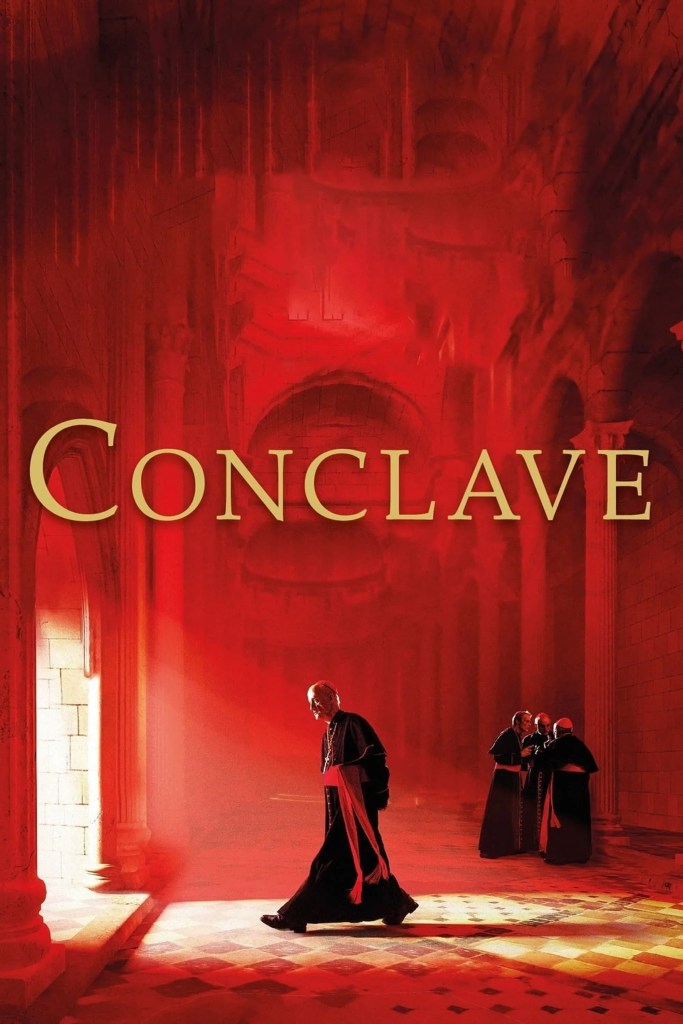
Get ready to witness the twists, betrayals, and strategies that make this one of the standout films of this season.
🌟🌟🌟🌟🌟
Directed by the brilliant Edward Berger (fresh off his Oscar-winning success with All Quiet on the Western Front) and adapted from Robert Harris’s best-selling 2016 novel, Conclave takes us deep into the heart of Vatican politics, where power, scandal, and secrets swirl behind the sacred walls. Berger brings us into the Vatican with a tension that’s palpable from the first scene. At the center of it all is Ralph Fiennes as Cardinal Lawrence, a character who immediately pulls you into his quiet yet intense struggle to manage the high-stakes election after the death of the beloved pope.
With an all-star cast led by Ralph Fiennes, Stanley Tucci, and John Lithgow, this film explores the intense battle for the papal throne—and trust me, it’s every bit as thrilling as it sounds.
The Papal Throne: Power, Ambition, and the Struggles for Progress
One of the film’s most compelling themes is the Catholic Church’s complicated relationship with diversity and inclusion. Berger forces the viewer to grapple with questions of progress, legacy, and survival. As the cardinals vie for power, they must confront how much they’re willing to change to keep the church relevant in a rapidly evolving world. This theme resonates deeply as the characters face the tension between preserving an ancient institution and adapting to modern realities.
It also delves into the timeless conflict between progress and tradition. Cardinals are caught in a tug-of-war between moving the church forward and restoring its more conservative roots. This battle for the soul of the church mirrors the broader struggles we see in modern institutions grappling with change.
The stakes feel monumental, and each decision holds the potential to alter the course of history, making every moment of the narrative pulse with tension.
Cardinal Adeyemi portrayed by Lucian Msamati is a key highlight, as his experience as the first Black candidate for the papal throne brings into focus the institution’s resistance to change, adding layers of complexity to the story.
His presence alone challenges the long-standing traditions of an institution that has historically resisted not only racial diversity but also broader shifts in representation and inclusion. His candidacy forces the other cardinals—and the audience—to confront uncomfortable questions about how much the church is willing to evolve in the face of modern realities.
What makes the journey so compelling is not simply that he represents change, but the nuanced way in which his character navigates this tension. He is not presented as an idealistic reformer; instead, he carries the weight of the institution’s expectations and his own personal ambitions, creating a complex portrait of a man who understands both the significance and the burden of his potential ascension. The film does not shy away from the quiet prejudices and implicit biases that surround him—whether in the guarded reactions of his peers or the subtle, systemic barriers he faces within the election process.
This storyline brings a sharp focus to the internal struggles within the Vatican, illustrating how even as the world around it changes, the church remains slow to embrace that change. Adeyemi’s candidacy forces us to ask how much of the institution’s reluctance to evolve stems from fear—fear of losing its identity, its authority, or the delicate balance of power that has sustained it for centuries. It’s a powerful reflection on the broader societal resistance to inclusion, where progress often comes not in grand gestures but through quiet, incremental shifts that challenge deeply rooted norms.
Shadows and Symbols
The visual language of this film immediately draws you in. Berger with the help of cinematographer Stephane Fontaine and production designer Suzie Davies creates a stark contrast between the grandeur of Vatican rituals and the personal, almost claustrophobic battles happening behind closed doors. The vast, ornate halls of the Vatican serve as both a symbol of power and a reminder of the crushing weight of tradition. Each corridor, draped in shadows, feels like a silent witness to the scheming and secrecy of the election process. reflecting the conflict between duty and desire.
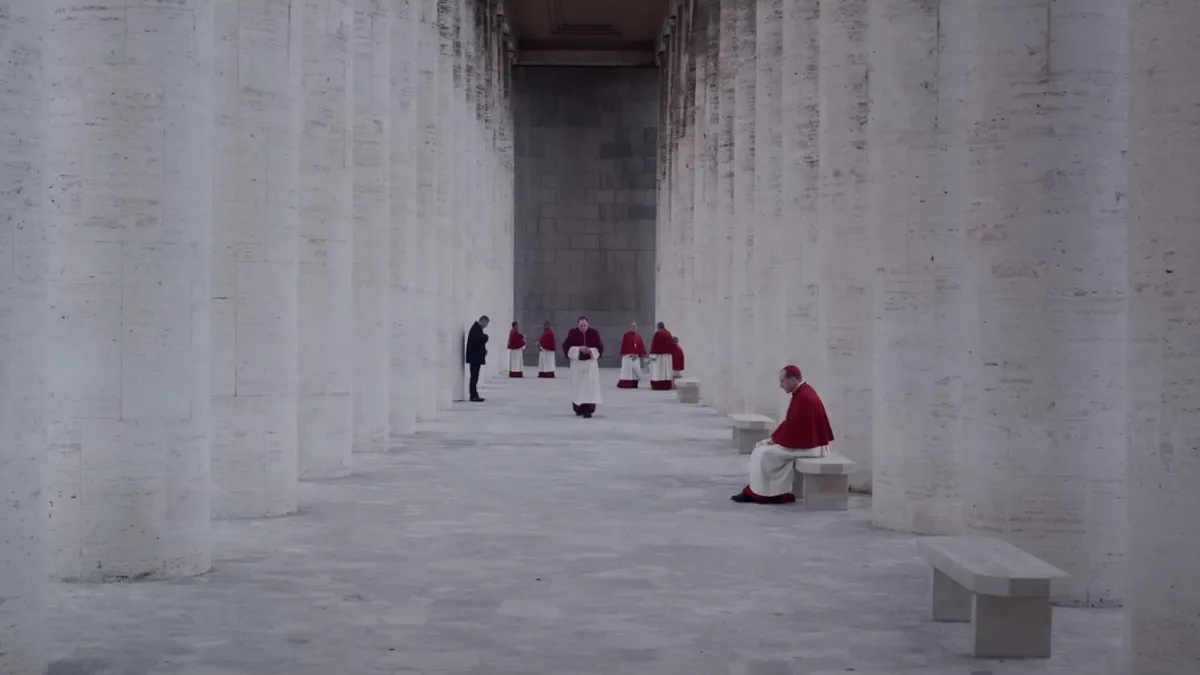
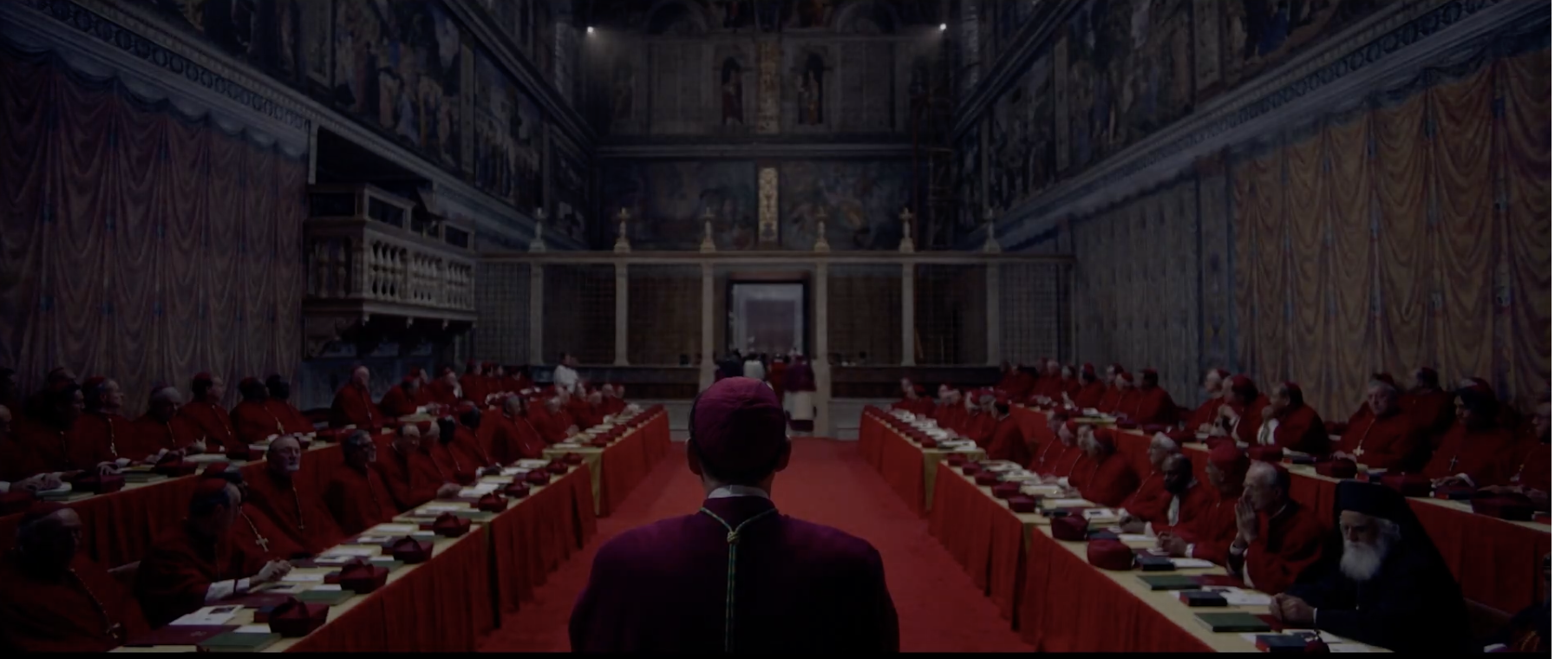
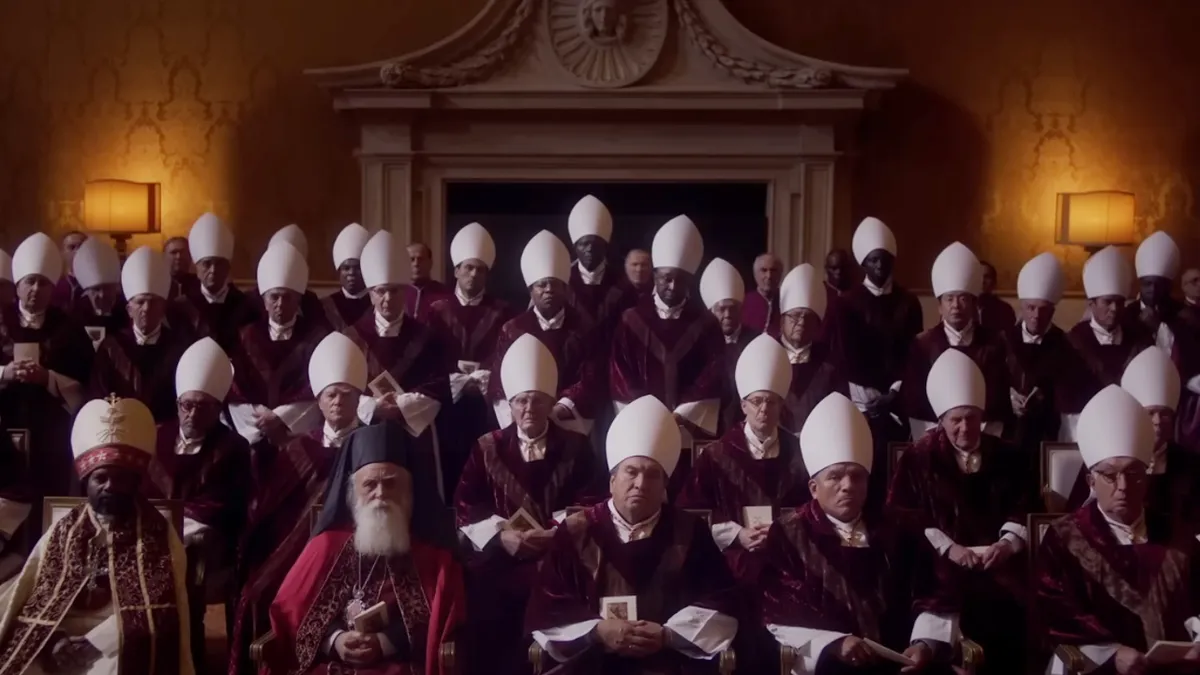
(Image credits: Focus Pictures)
Light and shadow are used masterfully to underscore the film’s central themes. In dimly lit rooms, characters plot and maneuver, their faces half-hidden, a visual metaphor for the hidden agendas they carry. It’s a technique that recalls the contrasts I explored in Anora, where the bright neon Manhattan/Brooklyn lights hid the darker truths beneath. The film uses these contrasts to highlight the duality of power—how it can be both a force of order and a tool for personal ambition.
Beyond the visual splendor, Oscar winner Volker Bertelmann’s score adds another layer of intensity, guiding the emotional rhythm of the story. The music swells and recedes at critical moments, echoing the unspoken conflicts unfolding on screen; with the score amplifying the drama, acting as an emotional compass that draws you deeper into the narrative.
Pawns and Power: A Cast in the Game of Faith
The heart of this film lies in the captivating performances that fuel the intense power plays behind Vatican walls.
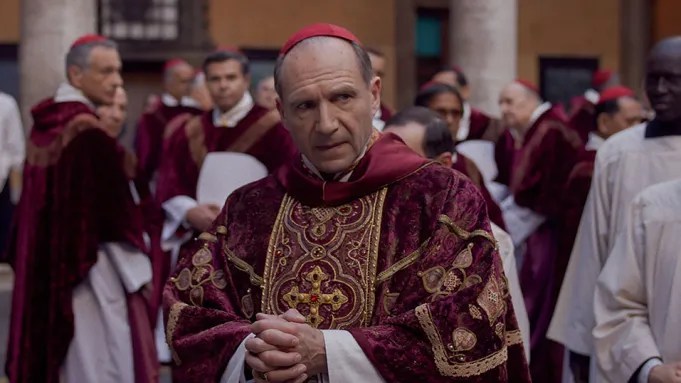
Ralph Fiennes, in his portrayal of Cardinal Lawrence, delivers a performance that feels deeply personal. You can sense the weight of every decision he faces as he balances faith, duty, and personal conflict. Watching him silently navigate the swirling ambitions around him, while grappling with his own doubts, was one of the most compelling parts of the experience for me. Fiennes makes you feel every ounce of tension as he works to maintain control amidst the chaos.
Lithgow’s Cardinal Tremblay, with his darker ambitions and buried secrets, injects an ominous undertone into the proceedings. He carries the same sense of hidden danger that I noticed in Anora (which I beleive will be contending for best picture come award season), where characters are driven by desires they can never fully reveal. His portrayal is a masterclass in calculated tension, where every scene pulses with the sense that something is just waiting to explode.
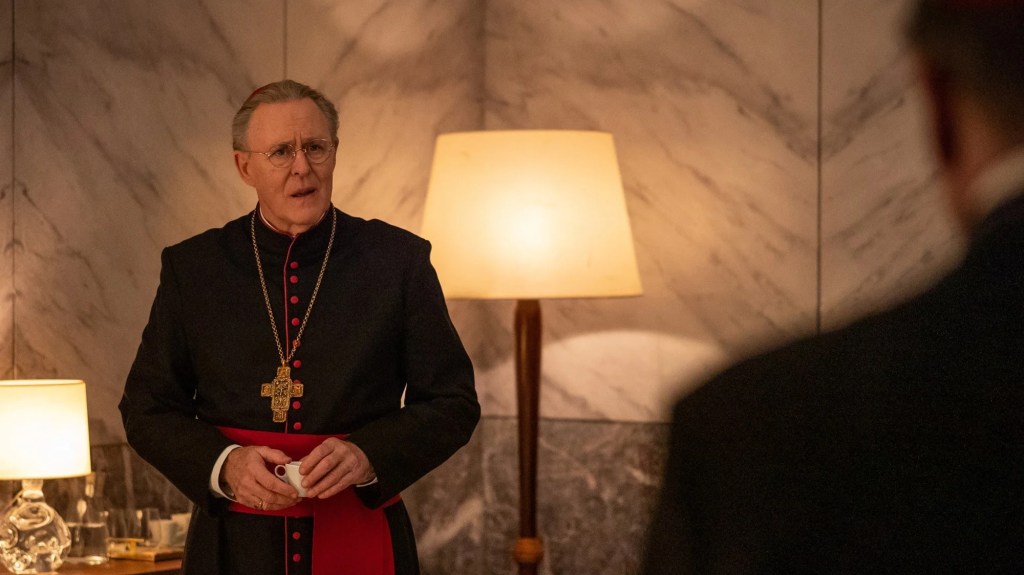
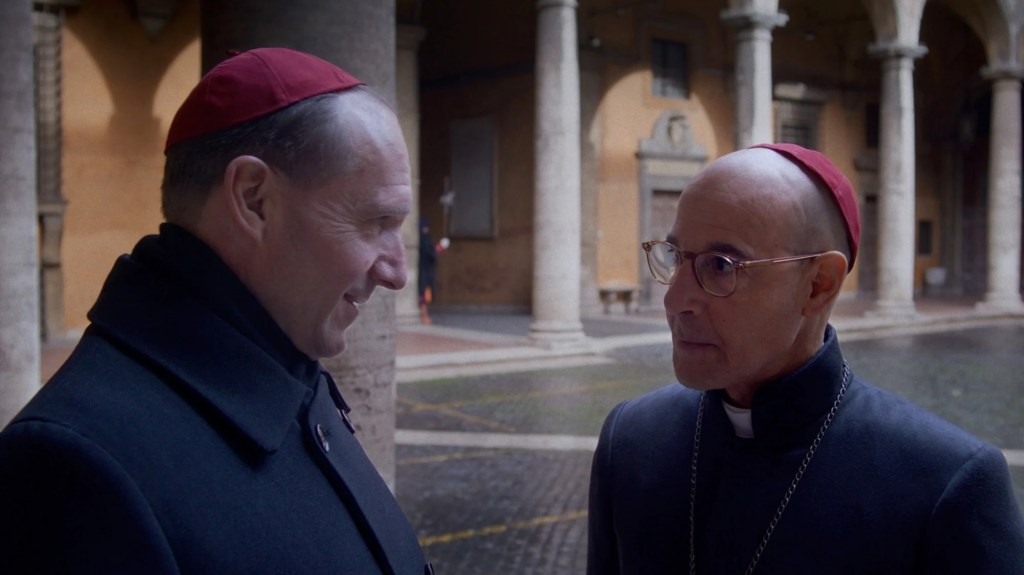
Stanley Tucci’s calm yet calculating portrayal of Cardinal Bellini stood out in contrast to John Lithgow’s darker, more secretive Cardinal Tremblay. Tucci plays his role with such restraint that every small gesture carries weight, and you can feel the strain as alliances form and crumble.
Their chemistry is undeniable, and the moments between Tucci’s progressive, reluctant leader and Lithgow’s ambitious politician create a fascinating dynamic. Full of unspoken tension, where a simple glance can shift the power balance entirely.
Sergio Castellitto brings a fiery intensity as Cardinal Tedesco, embodying the old guard determined to return the church to its traditional roots. He plays the antagonist with conviction, creating friction in every scene especially in his clashes with the other cardinals, creating a clear sense of the stakes at hand.
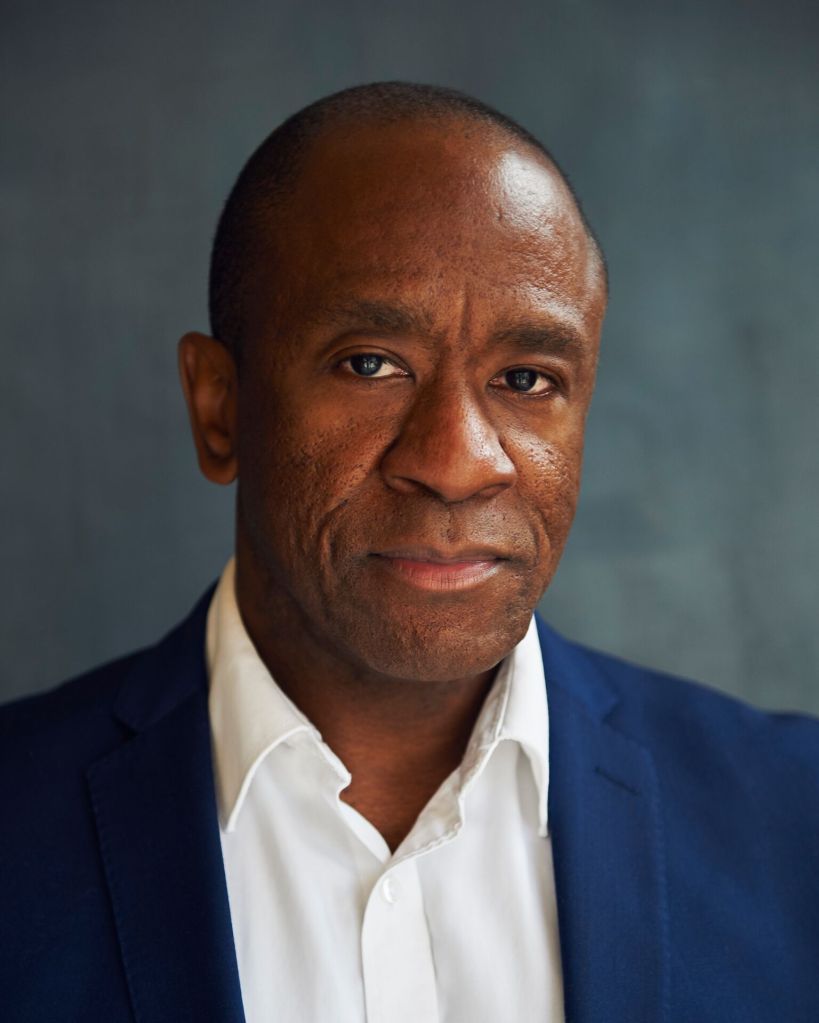
Lucian Msamati, on the other hand, gives a quieter but equally powerful performance as Cardinal Adeyemi, showing the weight of representation and the struggle to navigate a world that hasn’t fully embraced change, offering moments of vulnerability amidst the political turmoil.
Even though Isabella Rossellini’s screen time as Sister Agnes is limited, her presence is unforgettable. She brings a quiet force to her scenes, acting as a subtle but essential reminder of the gender dynamics within the church—a storyline that lingers long after her character exits.
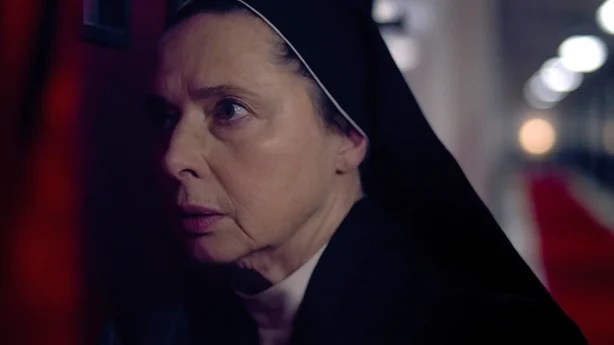
This ensemble cast elevates every scene, weaving together subtle expressions and loaded conversations that build the tension in ways that keep you hooked.
Personal Reflections
Watching Conclave felt like stepping into the heart of one of the world’s most guarded secrets—witnessing the intricate and suspenseful process of selecting the next pope. One that took me back to my first encounters with the mysterious inner workings of the Vatican—though that was through the lens of Dan Brown’s The Da Vinci Code and Inferno. Having followed Robert Langdon through shadowy conspiracies and secretive rituals, this felt like stepping into a real-life version of those worlds, but with an even more intense focus on the personal ambitions and moral dilemmas behind the Vatican walls. The imagery also reminded me of the atmospheric storytelling in Rumours, where every misty landscape seemed to reflect the inner turmoil of its characters. Here, the Vatican’s imposing spaces do the same
What struck me was the balance between personal ambition and moral duty, which plays out through the intense rivalry between progressive reformers like Cardinal Bellini (Stanley Tucci) and traditionalists like Cardinal Tedesco (Sergio Castellitto). As secrets begin to unravel and alliances shift, the film keeps you guessing, and you can feel the pressure building with each vote cast. Just when you think you’ve figured it out, a mysterious new cardinal, Benitez (Carlos Diehz), shakes things up, adding even more suspense to this already gripping narrative.
Berger’s direction, paired with the impeccable performances, made this one of those films that lingers long after the credits roll and stands as one of the finest artistic achievements of the year.
🌟🌟🌟🌟🌟
As my journey through VIFF 2024 continues, I invite you to stay tuned for more exclusive coverage. Up next, I’ll be sharing my experience from
ENO Live!
The world’s first generative documentary
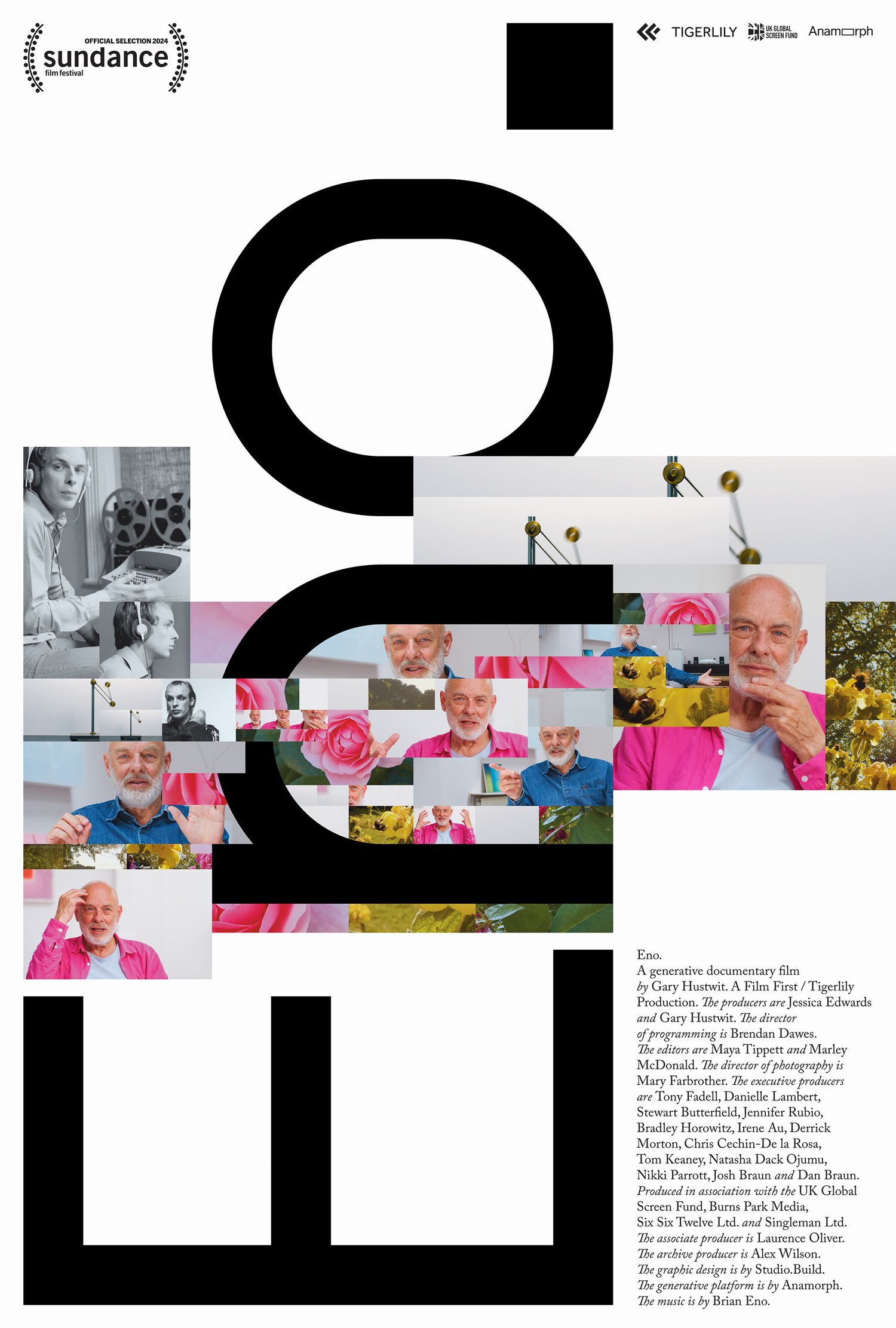
Directed by Gary Hustwit, this unique film uses custom generative software to present a different version at every screening, making each viewing a one-of-a-kind experience. The Vancouver Premiere featured a live cut created on stage by Hustwit himself, and I can’t wait to dive deeper into how this groundbreaking documentary unfolded. Keep following for my full coverage of this remarkable event and more highlights from VIFF!
For more updates and to follow my adventures, connect with me on

Let’s keep the conversation going!


Make a one-time donation
Make a monthly donation
Make a yearly donation
Choose an amount
Or enter a custom amount
Your contribution is appreciated and serves my coffee addiction.
Your contribution is appreciated.
Your contribution is appreciated.


© VIFF 2024
3 responses to “Conclave: A Riveting Papal Thriller of Power and Scandal Ignites VIFF 2024”
[…] incredible film festival, you know I’ve already explored some standout films like Anora, Conclave and Rumours. HOWEVER, today we’re diving into not only one of VIFF’s most innovative and […]
[…] cinematic wonders like ENO, a generative masterpiece that pushed the boundaries of creativity, and CONCLAVE, a gripping tale of ambition inside the Vatican. Today, we take an exciting leap into a […]
[…] along on my kino journey—especially VIFF 2024, where we delved into masterpieces like ANORA , CONCLAVE, EMILIA PEREZ and ALL WE IMAGINE AS LIGHT, to the groundbreaking realms of generative cinema with […]