

Jay Shah
DevOps\Aerospace Engineer & Journalist
Hey there, Jaysuits and horror hounds alike!
Just when you thought the spooky season couldn’t get any better, I’m back from an exhilarating journey through the real pièce de résistance of the VANCOUVER HORROR SHOW Vancouver edition :
🌟🌟🌟🌟🌟
After a weekend of cosmic horrors and supernatural chills in Burnaby, the festival packed up its (metaphorical) chainsaws and headed to the heart of downtown Vancouver. Taking over Cineplex International Village, the scares were just as potent, but with a twist. This time, the horror wasn’t lurking under beds or swimming in dark lakes—it was grounded in the gritty, unforgiving reality of true crime.
“Altona“
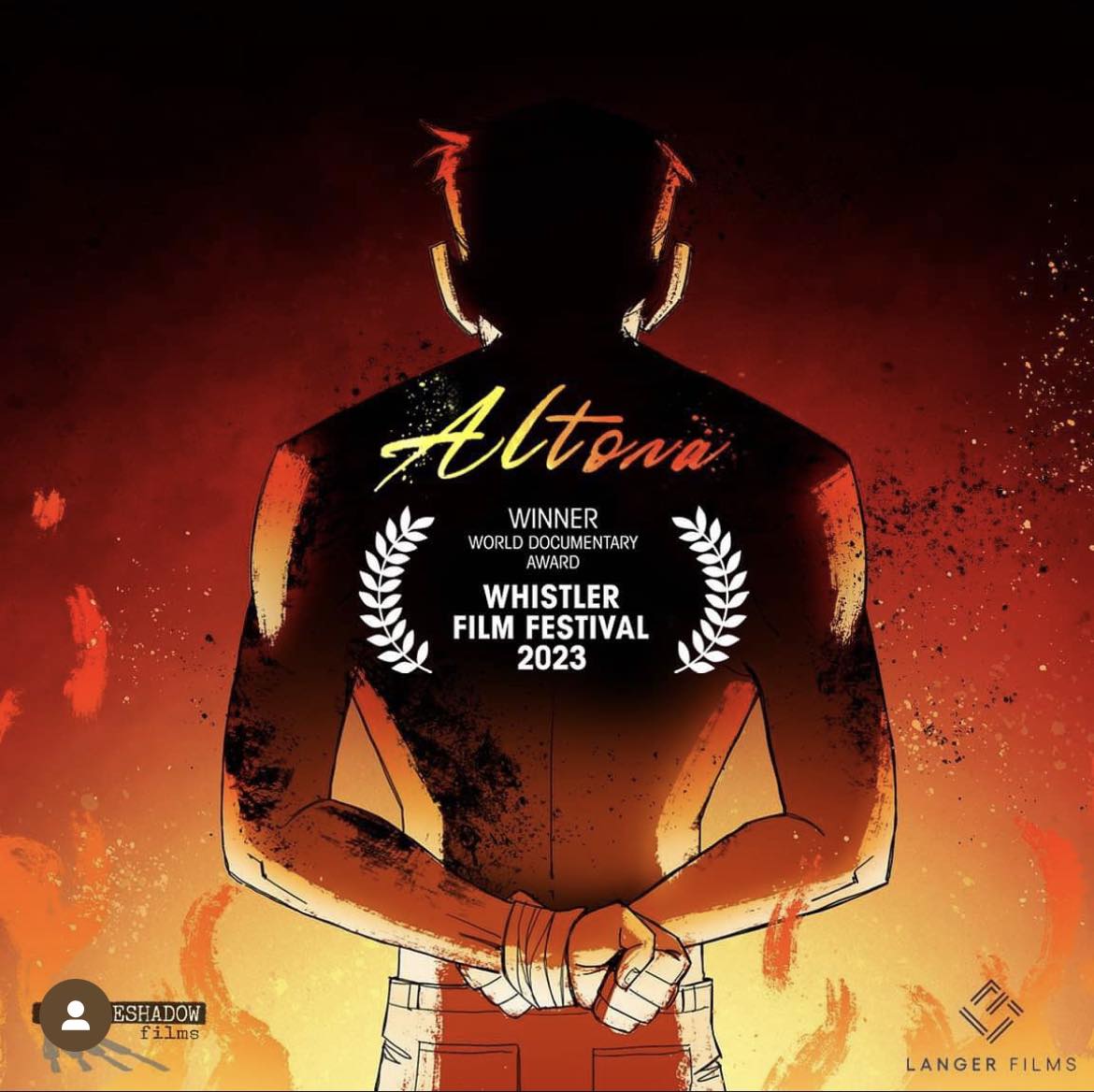
A Story of Trauma, Resilience, and Forgiveness
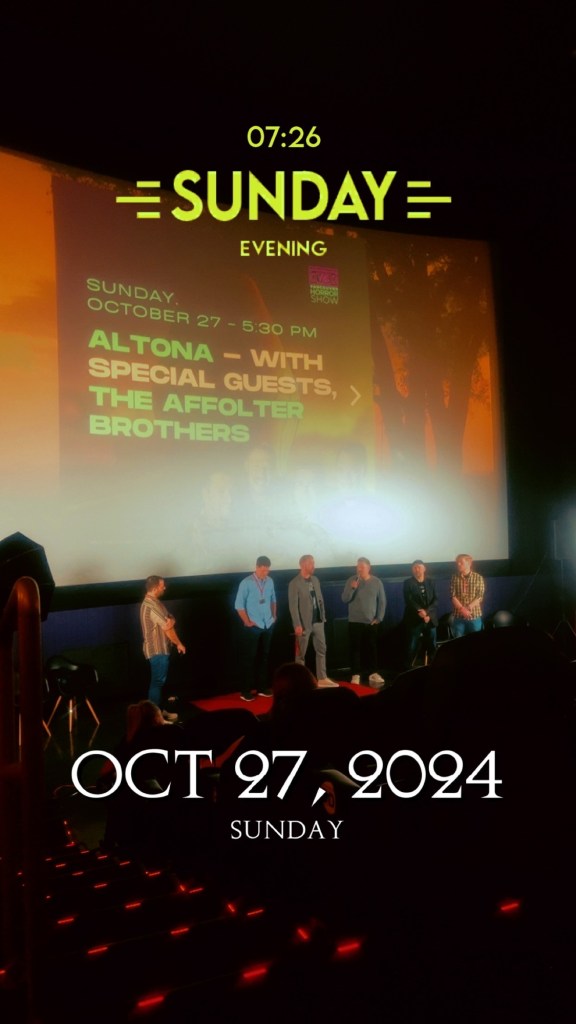
Directed by the talented Affolter brothers—Heath, Jon, Nathan, and Thomas.
Now, before you say:
“Wait, a documentary at a horror festival?”
Let me assure you, this documentary fits the bill in the most heart-wrenching way. “Altona” delves into the harrowing true story of two teenagers, Tyler Pelke and Curtis Klassen, who were brutally attacked, tied up, and left to die in a burning house in the small town of Altona, Manitoba, back in 1990.
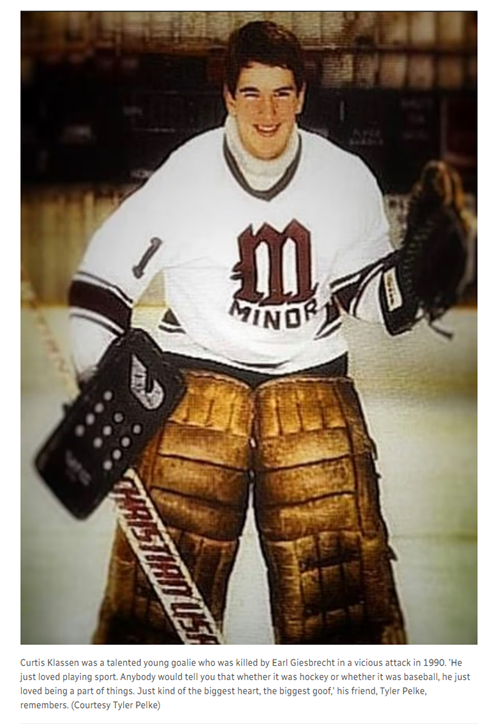
Curtis tragically did not survive, but Tyler, against all odds, managed to escape and live to tell the tale. His journey from victim to survivor, and ultimately to a place of forgiveness for his attacker, forms the emotional core of the film.
A Cinematic Experience That Transcends Genre
Watching this was an experience unlike any other at the festival. The theater was enveloped in a heavy silence, the kind that only comes when every single person in the room is utterly absorbed. There were no jump scares, no supernatural entities—just the raw, unfiltered reality of human darkness and the incredible resilience of the human spirit.
The Affolter brothers masterfully blend archival footage, animation, and deeply personal interviews to weave a narrative that’s both gripping and profoundly moving. The use of animation to depict the night of the attack was particularly impactful. It allowed the filmmakers to convey the horror of that night without resorting to graphic reenactments, respecting the sensitivity of the subject matter while still conveying its gravity.
Themes That Hit Home
At its heart, it’s a story about trauma, recovery, and the complexities of forgiveness. It explores the ripple effects of violence on a community and delves into the challenging process of healing after unimaginable loss.
Trauma and Its Aftermath
The film doesn’t shy away from depicting the profound impact of trauma—not just on Tyler but on the entire community of Altona. It delves into how a single night of horror can alter the trajectory of countless lives, leaving scars both visible and invisible.
Tyler’s physical scars are a constant reminder of the attack, but the emotional and psychological wounds run even deeper. The film explores his struggles with nightmares, trust issues, and the arduous journey toward reclaiming his sense of safety and normalcy.
For the community, the attack shattered the illusion of small-town innocence. Altona, a tight-knit Mennonite town where people didn’t lock their doors, was forced to confront the reality that evil can infiltrate even the safest havens.
Resilience and the Human Spirit
Despite the darkness, “Altona” is ultimately a testament to the resilience of the human spirit. Tyler’s ability to not only survive but thrive is nothing short of remarkable. After enduring such a brutal attack, he chose a path of service, becoming a firefighter and dedicating his life to helping others.
His journey symbolizes the capacity for individuals to rebuild and find purpose after trauma. The film highlights how resilience isn’t about forgetting or minimizing pain but about harnessing inner strength to move forward.
Forgiveness: A Complex Path
One of the most compelling themes is the exploration of forgiveness. Tyler’s decision to forgive his attacker, Earl Giesbrecht, is portrayed with nuance and depth. The film doesn’t present forgiveness as a simple or obligatory act but as a deeply personal choice that can be a powerful tool for healing.
In a poignant moment, Tyler meets with Earl in prison—a meeting that became a turning point in his healing process. Tyler shares:
“I went for two reasons. One was to tell him I forgave him, and two was to just talk through it and have a better understanding. Forgiveness absolves me of carrying a burden. I don’t look in the mirror every day and see the scars as reminders of pain but as symbols of survival.”
This act of forgiveness is complex. It doesn’t absolve Earl of responsibility or diminish the severity of his actions. Instead, it frees Tyler from the weight of hatred and allows him to reclaim control over his own narrative.
Tyler’s journey is nothing short of inspirational. His ability to find forgiveness for his attacker; a former friend who committed an unspeakable act, is a testament to the strength and capacity for compassion that humans can possess. It’s a narrative that challenges viewers to reflect on their own perceptions of justice, revenge, and mercy.
The Q&A—An Emotional Deep Dive
Following the screening, the Affolter brothers took to the stage for a Q&A session that was as insightful as it was emotional. They discussed the decade-long journey of bringing this story to the screen, the ethical considerations involved, and the relationships they built with Tyler and the community of Altona.
One of the brothers mentioned:
“We wanted to tell this story in a way that honored Tyler’s experience and the memory of Curtis, without sensationalizing the tragedy. It’s about highlighting the strength it takes to move forward and the power of forgiveness.”
Ethical Storytelling and Sensitivity
They approached this delicate subject with remarkable sensitivity. After having spent a decade working on the film, building trust within the community and ensuring that they honored the memories and experiences of those involved.
They stated:
“We did truly try to tell a story that we think is important. These themes about how you recover from trauma, and how you forgive others, we think, are as relevant and topical as any themes for today’s world with where society is at.”
Their commitment to avoiding sensationalism is evident. By using animation to depict the attack, they convey the horror without exploiting it. This creative choice allows viewers to grasp the gravity of the events while maintaining respect for the victims and their families.
A Departure from Traditional Horror—Yet Perfectly At Home
While “Altona” doesn’t fit the conventional mold of a horror film, its inclusion in the festival was both bold and appropriate. It served as a stark reminder that sometimes, the most terrifying monsters are human(something the Zodiac killer cited in one of his ciphers as well…it’s kinda related), and the scariest stories are the ones that actually happened.
The film sparked important conversations about mental health, the justice system, and the ways communities can come together in the aftermath of tragedy. It’s a testament to the festival’s commitment to showcasing diverse narratives and pushing the boundaries of what horror cinema can encompass.
The Multifaceted Nature of Justice and Rehabilitation
The film also delves into the justice system and the concept of rehabilitation. Earl was sentenced to life in prison with no chance of parole for 25 years. Over the decades, he became a model inmate, pursuing education and participating in restorative justice programs.
In 2020, after serving 30 years, Earl was granted full parole—a decision that stirred a range of emotions within the community and among those connected to the case.
The Affolter brothers navigate this sensitive topic by presenting multiple perspectives. They include insights from Earl himself, shared through a letter read by an actor, and through a phone call with Executive Producer Craig Langdon. This approach doesn’t seek to justify or vilify but to offer a holistic view of the complexities involved in rehabilitation and reintegration.
Community Impact and Collective Healing
Altona, the town, becomes a character in its own right. The film examines how a community grapples with collective trauma. Residents share their memories, their pain, and the lingering effects that span decades.
Mayor Al Friesen reflects on the enduring impact:
“It’s still painful for those who have lost family members. It never goes away. But for those looking for inspiration, Tyler has indicated the importance of forgiving. We can all take a lesson from that.”
The community’s efforts to honor Curtis’s memory, such as annual fundraising runs supporting minor sports—activities he loved—show the healing power of coming together. It’s a testament to how communities can rebuild, not by erasing the past but by finding ways to honor and remember.
Exploring the Spectrum of Human Emotions
“Altona” doesn’t offer easy answers. It respects the spectrum of emotions—from anger and grief to compassion and hope—that individuals experience in the wake of tragedy. The film portrays people who have found forgiveness and those who haven’t, without casting judgment.
The inclusion of trauma therapists and experts adds depth, providing context for the varied responses to trauma. It underscores that healing is not a linear process and that each person’s journey is unique.
Critical Acclaim and Broader Impact
“Altona” has garnered significant attention and praise. A review from Paul Allaer on Rotten Tomatoes encapsulates the film’s impact:
“ALTONA explores grief, forgiveness, and resilience. Crafted with care by the Affolter brothers, this documentary transcends its narrative to paint a hopeful picture of recovery and reconciliation. It is an essential watch for anyone interested in the impacts of trauma on individuals and communities.”
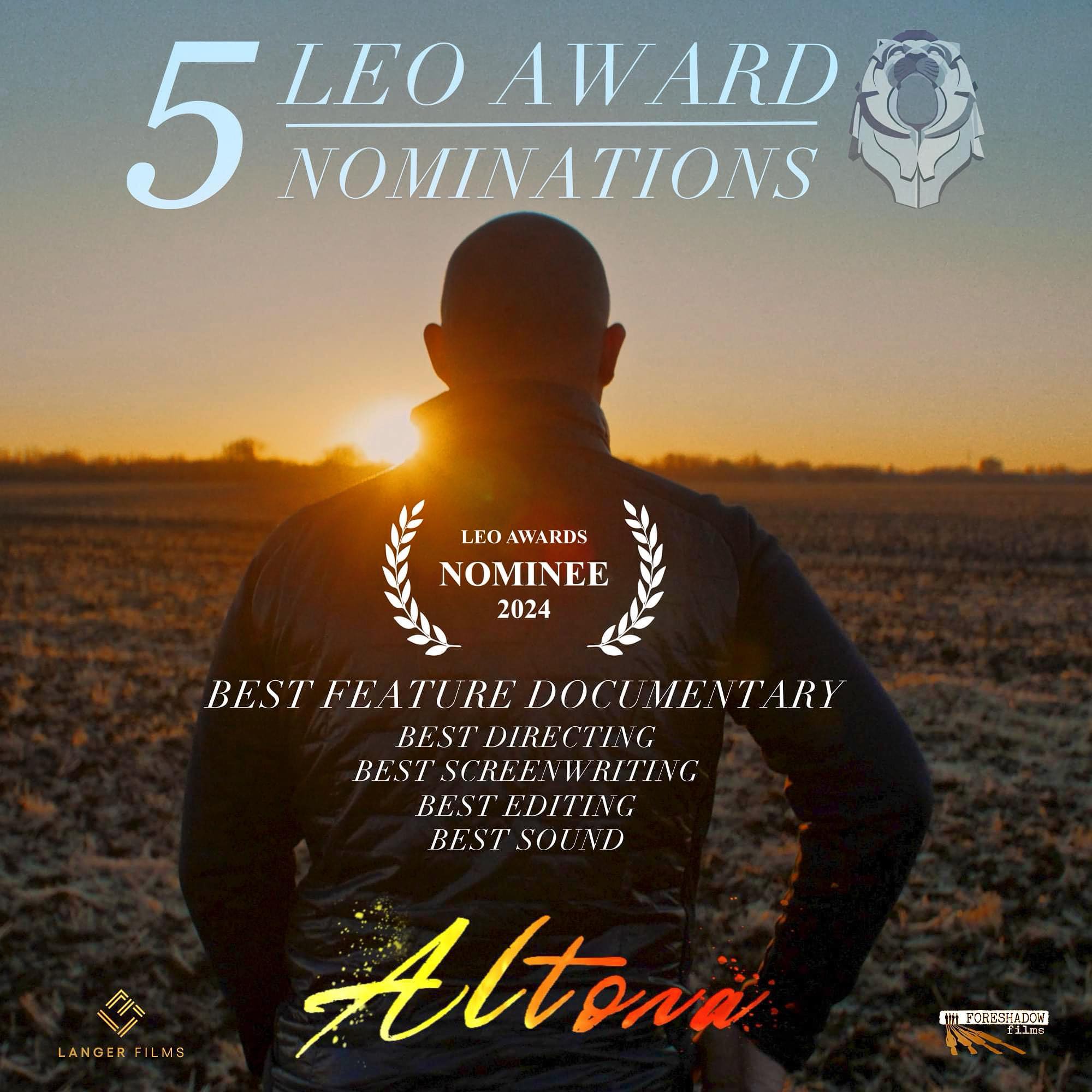
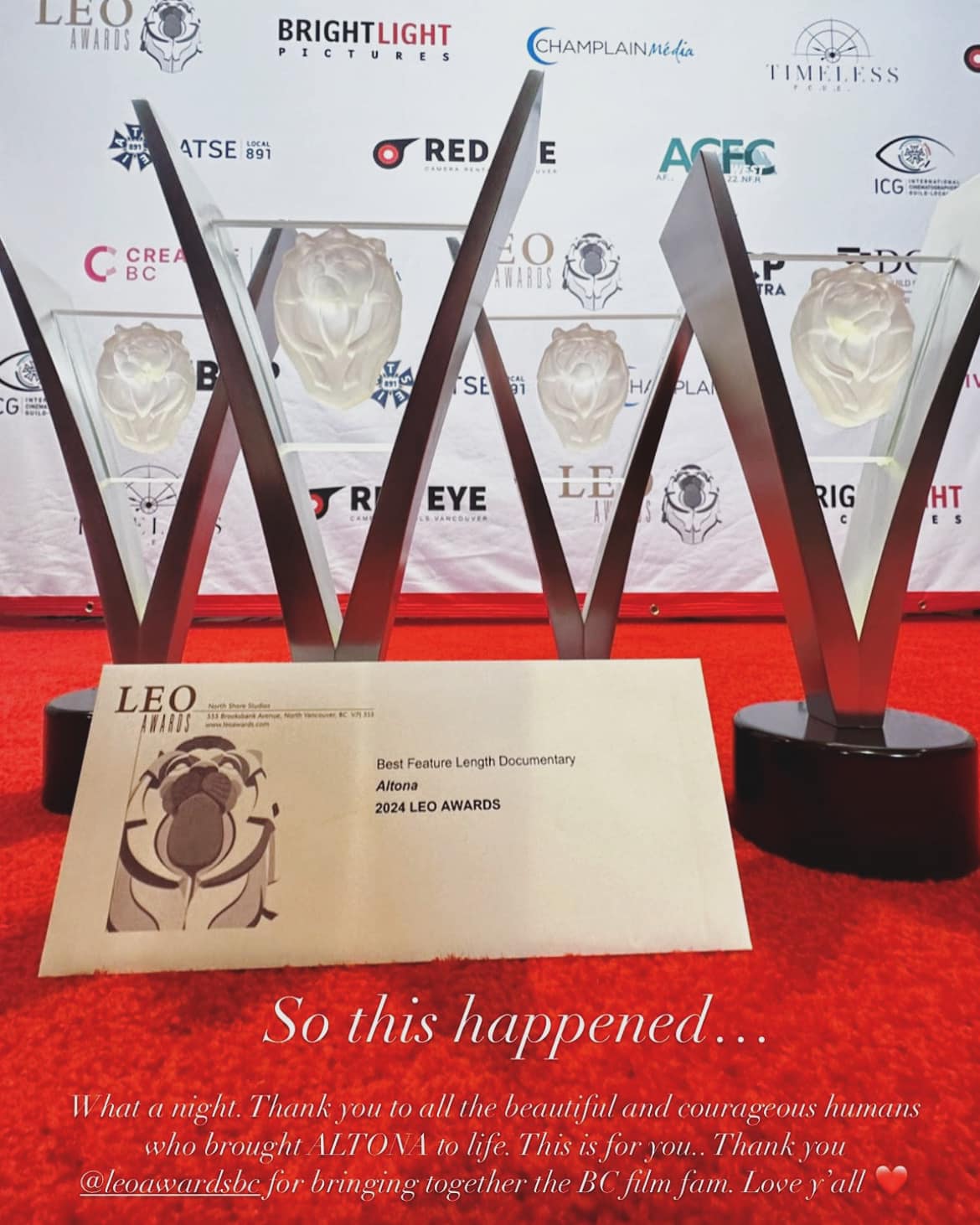
The film won the 2023 World Documentary award at the Whistler Film Festival, 4 LEO Awards a testament to its powerful storytelling and resonance.


For me, it was a standout at the festival—not because it scared me in the traditional sense, but because it confronted me with real human emotions and ethical dilemmas that are genuinely unsettling. It reminded me that horror isn’t just about ghosts and monsters; sometimes, it’s about facing the darkest parts of ourselves and finding a way to the light.
The film is a profound exploration of humanity’s capacity for both destruction and redemption. It’s a narrative that lingers, prompting ongoing contemplation and conversation; a mirror reflecting the complexities of the human condition. It doesn’t provide easy answers but invites us to engage with difficult questions about trauma, justice, forgiveness, and healing.
🌟🌟🌟🌟🌟
To my fellow Jaysuits and seekers of meaningful narratives, I wholeheartedly recommend immersing yourself in “Altona.” It’s a story that will challenge you, move you, and perhaps even inspire you to see the world through a more compassionate lens. Until we meet again on our cinematic explorations, keep your hearts open, your minds curious, and remember—the most profound stories are those that bring us closer together. Stay compassionate, stay engaged, and as always,
Stay Spooky! 🖤✨
And there you have it, fellow Jaysuits! Another cinematic gem dissected and celebrated. 🎬✨
For more updates and to follow my adventures, connect with me on:



Make a one-time donation
Make a monthly donation
Make a yearly donation
Choose an amount
Or enter a custom amount
Your contribution is appreciated and serves my coffee addiction.
Your contribution is appreciated.
Your contribution is appreciated.


© Tyler Pelke 2023
Copyright Foreshadow Films 2021. All Rights Reserved