

Hey there, Jaysuits and horror hounds alike!
Just when you thought the spooky season couldn’t get any better, I’m back from an exhilarating journey through the
VANCOUVER HORROR SHOW FILM FESTIVAL 2024: BIG SCARES IN BURNABY AND VANCOUVER
which haunted not one but two locations this year—Burnaby and Vancouver. Amidst other haunted happenings and spine-chilling events (because, let’s face it, ’tis the season to be terrified), I’ve gathered all the gory details to share with you lovely disciples. Yes, you read that right—two spectacular editions of VHS 2024, and I’m eager to spill all the chilling secrets that lurked in the shadows!
If you’ve been following my eerie escapades throughout the year (on my insta skeet skeet…it’s fun trust me…I literally urban explore myself into random places)
Jay’s own personal Horror Short 😉 : “Vancouver Witch 2 Electric Boogaloo 👻”
Finale’s at the end of this piece…..😉
This time, I plunged headfirst into the abyss of horror, embracing the chills, thrills, and a generous helping of screams that the festival promised. Over two spine-tingling weekends, the festival took over Cineplex Metrotown in Burnaby from October 18-20, and then continued its terror trek at Cineplex International Village in downtown Vancouver right in the heart of Chinatown from October 25-27. It was a double dose of dread that left even the bravest souls sleeping with the lights on and checking under their beds twice.
In the sections ahead, we’ll traverse both editions—starting with the Burnaby spotlight on the eerie “The DÆMON,” a Lovecraftian masterpiece that delved into cosmic horror and psychological depths. Then we’ll move on to the Vancouver showcase of the profound true-crime documentary “Altona,” which shone a light on real-life horrors and the resilience of the human spirit.
So grab your protective charms (or perhaps just some courage and a bucket of popcorn), and join me as we delve into this year’s most hair-raising highlights! Let’s jump right in!
FROM FANGORIA TO FILM FESTIVALS: THE ESSENCE OF VHS
🎬✨
Alright, let’s sink our fangs into what makes this showcase such a standout spectacle in the world of horror cinema.
Founded back in 2018, this festival has transformed from a fledgling gathering of horror enthusiasts into a full-blown movement that’s shaking up the cinematic scene. A registered charity under the Canadian Revenue Agency and an incorporated society in British Columbia, it’s mission:
“To celebrate exceptional storytelling in the horror genre and to uplift the filmmakers and screenwriters who conjure these spine-tingling tales.“
Since its inaugural year, the festival’s been growing faster than a horde of zombies chasing fresh brains. 🧟♂️ Currently ranked “35 out of 665” globally on FilmFreeway—the ultimate platform for festival submissions worldwide—it’s already making waves and gaining international acclaim!
In 2022, the festival teamed up with Cineplex Entertainment and independent cinemas across Vancouver to screen 36 short films and three feature film premieres, including the Vancouver premiere of Damien Leone’s “Terrifier 2.” Remember that one? The film that had audiences fainting in the aisles and screaming for more? (Part 3’s out right now). Yeah, that chilling gem graced our screens thanks to the tireless efforts of the festival organizers (more about them below).
Now in its sixth year, the festival has become a significant cultural event for the city of Vancouver, and it’s only getting bigger and better.
One of the aspects that truly sets this festival apart is its unwavering commitment to diversity and representation in horror. Back in 2020, they achieved their ambitious goal of featuring more than
50% of films from female directors or filmmakers!
That’s a massive leap forward in an industry that hasn’t always been the most inclusive, and it’s something worth celebrating with a hearty round of applause.
👏👏👏👏👏
In 2022, they also cranked up the inclusivity dial even further, launching a campaign to spotlight works from underrepresented groups such as BIPOC filmmakers and members of the LGBTQ2S+ communities. And this year? They’re not resting on their laurels. They’ve introduced a new dedicated Outreach Coordinator role, aiming to have
50% of their programming come from underrepresented groups.
Talk about leading the charge for change!
Devoted to unearthing works; be they feature films, short films, or screenplays, that contain elevated narratives challenging outdated notions of what the horror genre can encompass. They’re committed to fostering the growth of students and emerging filmmakers early in their careers, supporting them as they develop their craft and connecting them to a broader filmmaking community.
They’re all about horror that pushes boundaries in terms of messaging, inclusivity, representation, and thoughtful narrative. As the festival’s Artistic Director, Meghan Hemingway, so eloquently puts it:
“What scares us is what unites us, and what unites us is powerful.”
And isn’t that the truth? Horror, with all its chills and thrills, has a unique way of bringing people together—whether we’re huddled in a dark theater clutching our popcorn or dissecting the latest spine-tingler over a steaming cup of Timmy‘s.
☕️
Connectivity is key; and this includes bolstering the local filmmaking community and linking it to a wider, global network. They’ve always been about creating spaces where innovation thrives and where the love for the craft is palpable in every frame.
Supporting Independent Filmmaking
The festival provided an invaluable platform for these filmmakers to share their work with an audience hungry for new and exciting content. It’s clear that the future of horror is in good hands, with talented individuals who are unafraid to push boundaries and challenge conventions.
Creating a Legacy
What David, Meghan, and the entire team have accomplished goes beyond organizing an annual event. They’re cultivating a legacy—a platform that nurtures talent, challenges conventions, and enriches the cultural tapestry of Vancouver and the horror genre at large.
Their dedication ensures that VHS isn’t just a date on the calendar but a landmark occasion that filmmakers and fans eagerly anticipate year after year, shaping the future of horror cinema.
BURNABY EDITION: “THE DÆMON” TAKES THE STAGE
Alright, horror aficionados and my fellow Jaysuits, let’s rewind to the spine-chilling kickoff of VHS 2024 in Burnaby!
🍿🦇
“Carved” set the tone perfectly—a group of survivors trapped in a reenactment village on Halloween, battling a vengeful pumpkin creature. Think “Sleepy Hollow” meets “The Thing,” with a dash of dark humor that had us laughing one minute and clutching our seats the next. Harding himself graced us with his presence for a post-screening Q&A, spilling secrets about blending practical effects with CGI and the challenges of making a pumpkin monster genuinely terrifying (spoiler: it involves a lot of latex and even more imagination).
But the real pièce de résistance of the Burnaby edition was :
“The DÆMON“
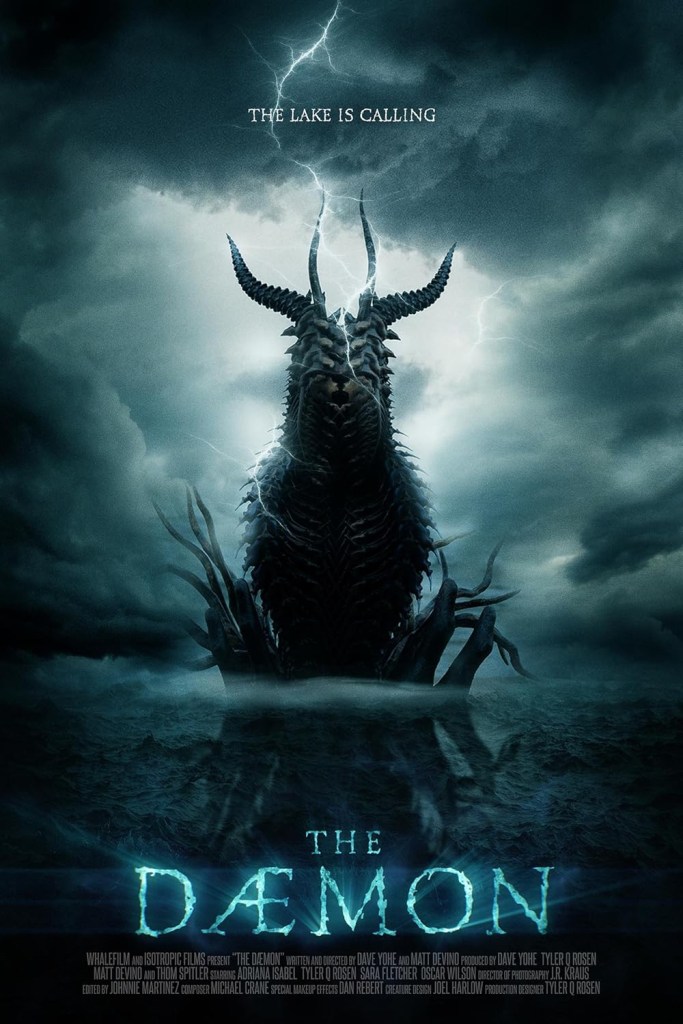
A Lovecraftian masterpiece that crawled under our skin and set up permanent residence. Directed by the dynamic duo David Michael Yohe and Matt Devino,it’s a psychological deep dive into the abyss of grief and the unknown lurking beneath placid surfaces.
The Plot Thickens :
“The DÆMON” follows the story of Tom (played with haunting intensity by Tyler Q. Rosen), a man haunted—quite literally—by his father’s suicide. Seeking solace, he retreats to the family’s secluded lakeside cottage, a place teeming with childhood memories and, unbeknownst to him, an ancient, malevolent force lurking beneath the calm waters.
As Tom’s behavior grows increasingly erratic, his estranged wife Kathy (Sara Fletcher) becomes concerned and enlists the help of her brother Mark (Oscar Wilson) and his wife Jess (Adriana Isabel), a trauma counselor who’s perhaps a bit too empathetic for her own good.
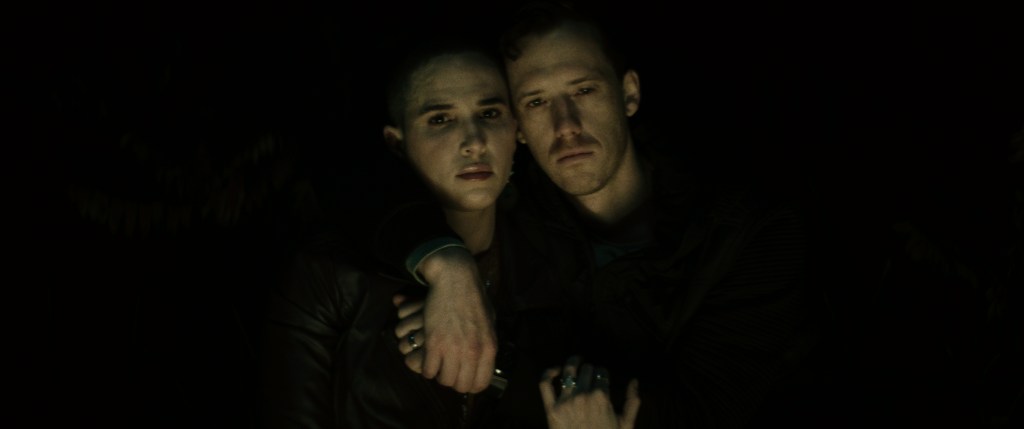
Devino & David Yohe, THE DÆMON, 2024
Together, they venture into the woods, unaware they’re walking straight into the clutches of something far more sinister than family drama.
A Cinematic Experience That Haunts:
Watching it in the theater was an immersive experience that tapped into primal fears. The film doesn’t rely on cheap jump scares or over-the-top gore (though there’s enough to satisfy the gorehounds among us). Instead, it builds tension through atmosphere, sound design, and the unsettling feeling that something is fundamentally wrong—the kind of wrong that makes the hairs on the back of your neck stand up.


The cinematography by J.R. Kraus is a masterclass in mood setting. The lake, almost a character itself, is shot in a way that oscillates between serene beauty and ominous vastness. The use of natural lighting and shadow creates a sense of claustrophobia even in open spaces, playing tricks on the eye and the mind. Daytime scenes are bathed in a cold, sterile light that underscores the characters’ isolation, while nighttime sequences plunge us into inky darkness, broken only by the pale glow of moonlight or the flicker of a distant fire. It’s the kind of visual storytelling that doesn’t just set the scene but pulls you into it, making you feel the chill in the air and the weight of the impending doom.
Sound design plays a crucial role as well. The ambient noises; the rustling of leaves, the lapping of water against the shore, the distant call of a loon, are amplified to create an almost oppressive sense of silence. When the DÆMON’s influence begins to manifest, the auditory experience shifts dramatically. Subtle distortions, low-frequency hums, and whispered echoes weave into the soundtrack, unsettling the audience on a subconscious level.
Performances That Possess You:
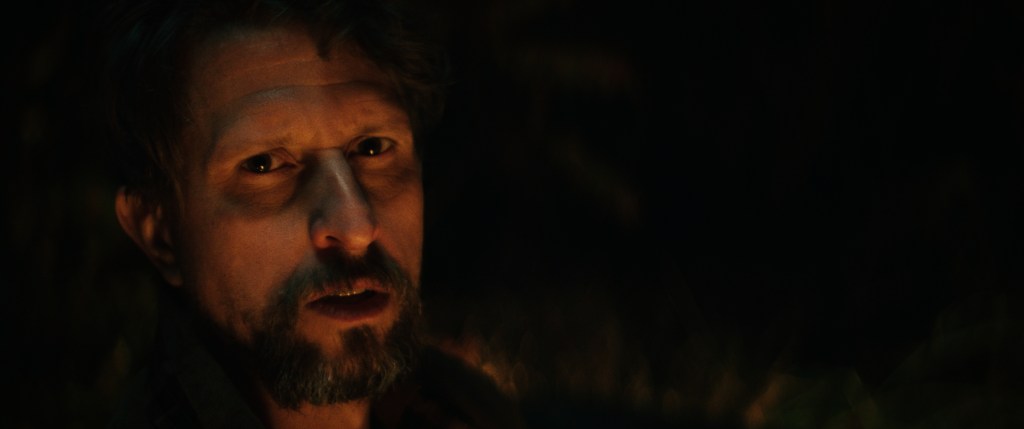
Tyler Q. Rosen delivers a tour de force performance as Tom, capturing the character’s descent into madness (or perhaps possession?) with a subtlety that keeps you guessing. Is he grieving? Is he losing his mind? Or is something more otherworldly at play? Rosen keeps us teetering on the edge of empathy and suspicion.
Adriana Isabel as Jess is the emotional anchor of the film. Her portrayal of a trauma counselor facing her own demons adds layers of complexity. She’s compassionate yet skeptical, strong yet vulnerable; a balance that’s hard to strike but essential in grounding the supernatural elements in emotional reality.

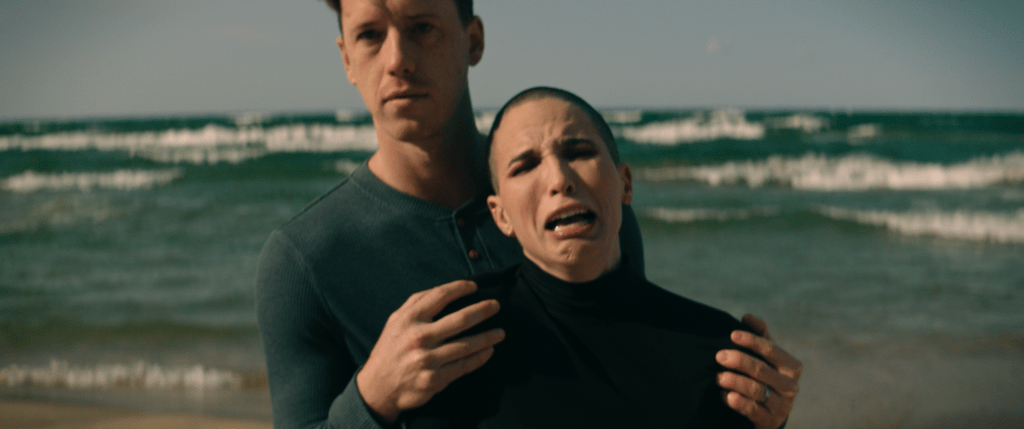
Oscar Wilson brings a different energy as Mark. He’s brash, skeptical, and often the voice of reason; or at least, the voice of denial. His practical approach to the unfolding horror provides a counterbalance to Jess’s empathy and Tom’s unraveling sanity. The tension between the characters adds depth to the narrative, highlighting the various ways people cope (or fail to cope) with trauma and the unknown.
Sara Fletcher‘s Kathy, though with less screen time, leaves a lasting impact. Her desperation and guilt over Tom’s abandonment are palpable, adding an emotional urgency to the quest to save him. Her character represents the collateral damage of untreated trauma—the loved ones left behind to pick up the pieces.
The Q&A—Peeling Back the Layers:
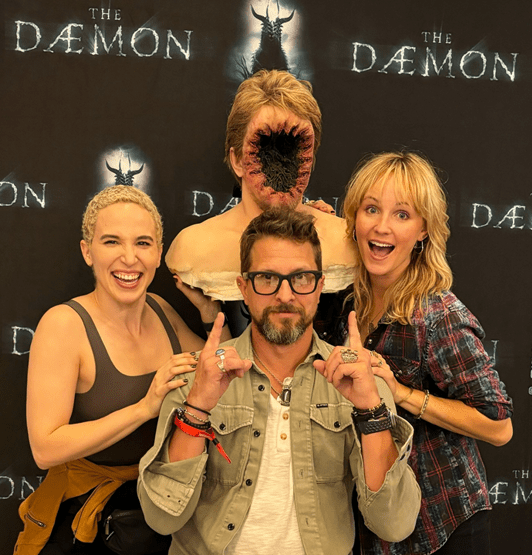
After the screening, we were treated to an insightful Q&A with director David Michael Yohe and actor/producer Tyler Q. Rosen. They delved into the inspirations behind the film, citing Lovecraftian horror, of course, but also touching on themes of inherited trauma and the masks people wear to hide their inner turmoil.
Yohe discussed the challenges of shooting on location at a remote lake, dealing with unpredictable weather, and ensuring the safety of the cast and crew during some of the more intense night shoots. Fun fact: the eerie mist rolling over the lake in one of the pivotal scenes? Completely natural. Mother Nature, you spooky gal! Furthermore, the cabin shown in the movie was infact Tyler’s own personal pad!
Rosen also shared his process for getting into character, which involved a deep dive into psychological studies on grief and isolation. He joked about staying in character off-set to the point where fellow cast members started avoiding him during breaks. Method acting at its most unsettling!
Practical Effects Over CGI—A Bold Choice:
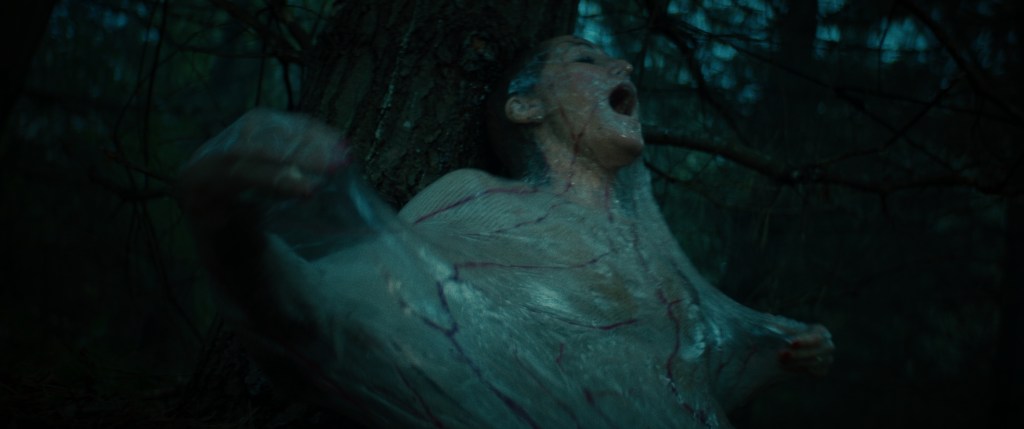
One of the standout aspects of this kino is its use of practical effects. In an era where CGI often reigns supreme, Yohe and Devino opted for old-school techniques to bring their creature to life ( a given especially due to Yohe’s devotion and admiration for John Carpenter). The result? A tangible sense of dread that CGI often can’t replicate. The creature’s design is kept just obscured enough to let your imagination fill in the terrifying blanks, proving once again that what you don’t see can be even scarier than what you do.
The filmmakers wisely avoid overexposing the creature. Glimpses are fleeting; a distortion in the water, a shadow that moves independently of its source, a whisper that seems to emanate from within the characters’ own minds.
The DÆMON‘s influence is also psychological. It exploits the characters’ deepest fears and regrets, blurring the lines between reality and hallucination. Tom’s visions of his father, for instance, are both a manifestation of his grief and a conduit for the DÆMON’s manipulation. These scenes are executed with a dreamlike quality; surreal imagery, disjointed timelines, and a sense of disorientation that mirrors Tom’s deteriorating mental state.
Themes That Linger:
Beyond the scares, the film delves into heavy themes like grief, mental health, and the unknowable depths of the human psyche. It poses questions about what we inherit from our parents; not just genetically, but emotionally and spiritually.
Are we doomed to repeat their mistakes, or can we break the cycle?
For example, the lake becomes a metaphor for the subconscious mind;a vast, unexplored depth where forgotten memories and repressed emotions lie dormant, waiting to resurface. By the time the credits rolled, I found myself contemplating not just the chilling narrative but also my own perceptions of mental health and the stigmas that surround it. It’s a testament to the filmmakers’ skill that they can weave such introspection into a horror film without it feeling forced or preachy.
The secluded setting amplifies feelings of isolation and paranoia. Cut off from the outside world, the characters are forced to confront not only the supernatural threat but also their own inner demons. The film examines how isolation can exacerbate mental health issues, leading to a downward spiral that’s difficult to escape.
Critical Acclaim and Audience Reception
The film has already garnered praise on the festival circuit. Emilie Black from Cinema Crazed described it as a “beautifully shot, character-driven horror film that will appeal to fans of the weird, Lovecraft-adjacent cinema.” Vincent Gaine from The Critical Movie Critics highlighted the film’s “evocative visuals, varied cast, and commitment to its premise,” noting that it “uses familiar tropes in a way that, while not original, are certainly engaging and unsettling.”
Audience reactions were equally enthusiastic. As we exited the theater, conversations buzzed with interpretations of the film’s ending, debates over the nature of the DÆMON, and appreciation for the film’s atmospheric depth on such a tight budget compared to the over bloated mess in Hollywood these days.
One festival-goer, DatAshCrimson, shared on Letterboxd:
“Beautifully shot and color-graded like an art house horror yet with the old-school Stuart Gordon-style campy splatter-horror and irreverent comic relief that impressively doesn’t undercut the themes of trauma and grief. Much has been said about the jaw-droppingly cool final shot; if that doesn’t have you ascending, I don’t know what will.”
For me, it was a highlight of the festival (as a sucker for the cosmic horror subgenre…we lovecraftians barely get any, although its’s slowly been changing with Underwater and Annihilation to a certain extent, not to forget The Void)—a film that not only delivered on the promise of scares but also left a lingering impression long after the theater lights came up.
Stay tuned, my friends, because the horrors (and delights) don’t end here. Next up, we’ll dive into the “Run for Your Life” Shorts Program I, where emerging filmmakers prove that sometimes the most terrifying stories come in the smallest packages.
🎬💀
RUN FOR YOUR LIFE: SHORTS PROGRAM I HIGHLIGHTS
Alright, horror fans and thrill-seekers, buckle up because the Burnaby edition of the festival, was a rollercoaster ride through the darkest corners of human imagination. The “Run for Your Life” Shorts Program I was like a sampler platter of fear, offering bite-sized horrors that packed a punch stronger than a vampire’s bite!
🧛♂️
From chilling tales of interconnected destinies to haunting narratives about protective mothers, this collection showcased the incredible diversity and creativity bubbling up in the horror scene. Let’s sink our teeth into some of the standout shorts that had us gripping our armrests and peeking through our fingers.
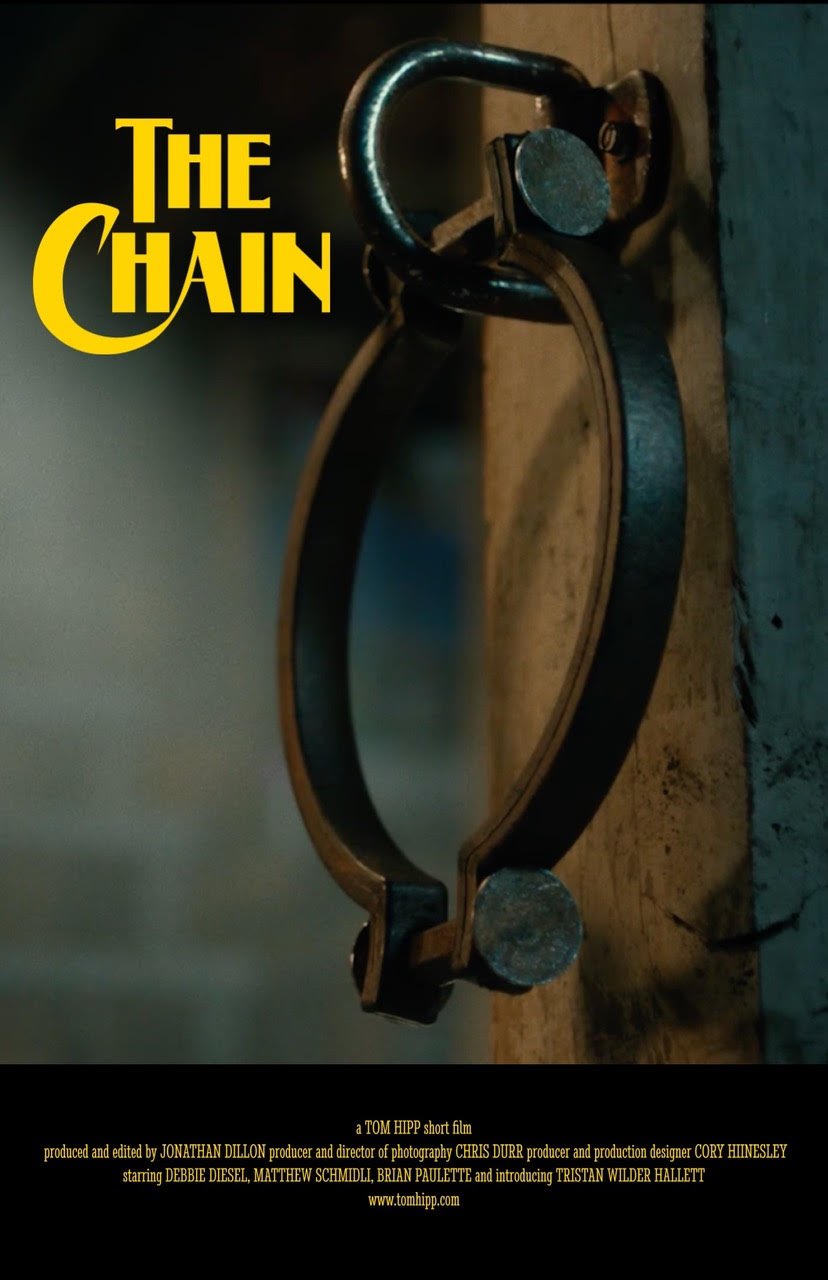
“The Chain” (USA) by Tom Hipp
Imagine waking up to find yourself entangled in a web of fate you never saw coming. “The Chain” is a masterful exploration of how our actions ripple through the lives of others, sometimes with deadly consequences. Hipp weaves a narrative that’s as tight as it is tense, leaving us pondering the unseen connections that bind us all.
The film’s gritty cinematography and relentless pacing had the audience on edge from start to finish. The use of sound—or sometimes the eerie lack thereof—amplified the suspense to almost unbearable levels. It’s the kind of story that makes you think twice about the seemingly insignificant choices you make every day.
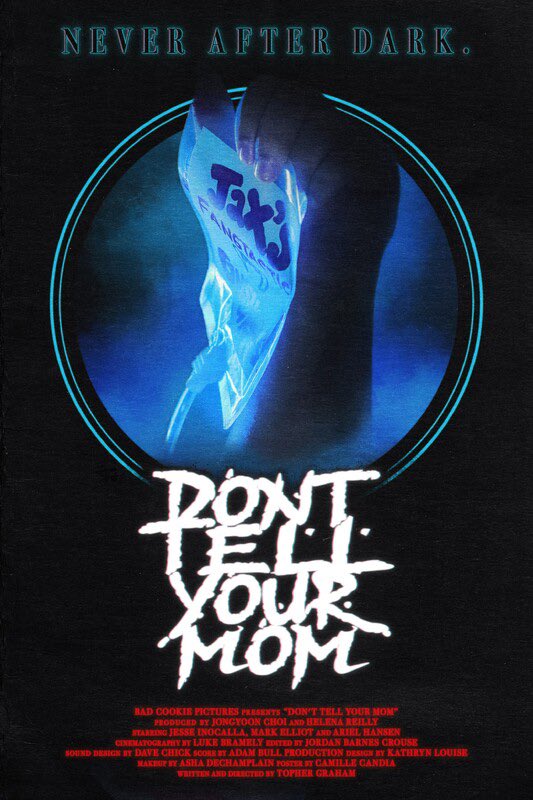
“Don’t Tell Your Mom” (CAN) by Topher Graham
Graham captures the essence of childhood fears and the terrifying allure of the forbidden. The young actors deliver performances that are both endearing and chilling, embodying the vulnerability and curiosity of youth. The twist ending? Let’s just say it’s a jaw-dropper that sparked audible gasps in the theater.
This one hits close to home for anyone who’s ever kept a secret from their parents (so, basically all of us!). “Don’t Tell Your Mom” starts off innocently enough; two kids exploring an abandoned house on a dare, but quickly spirals into a nightmare that blurs the lines between reality and imagination.
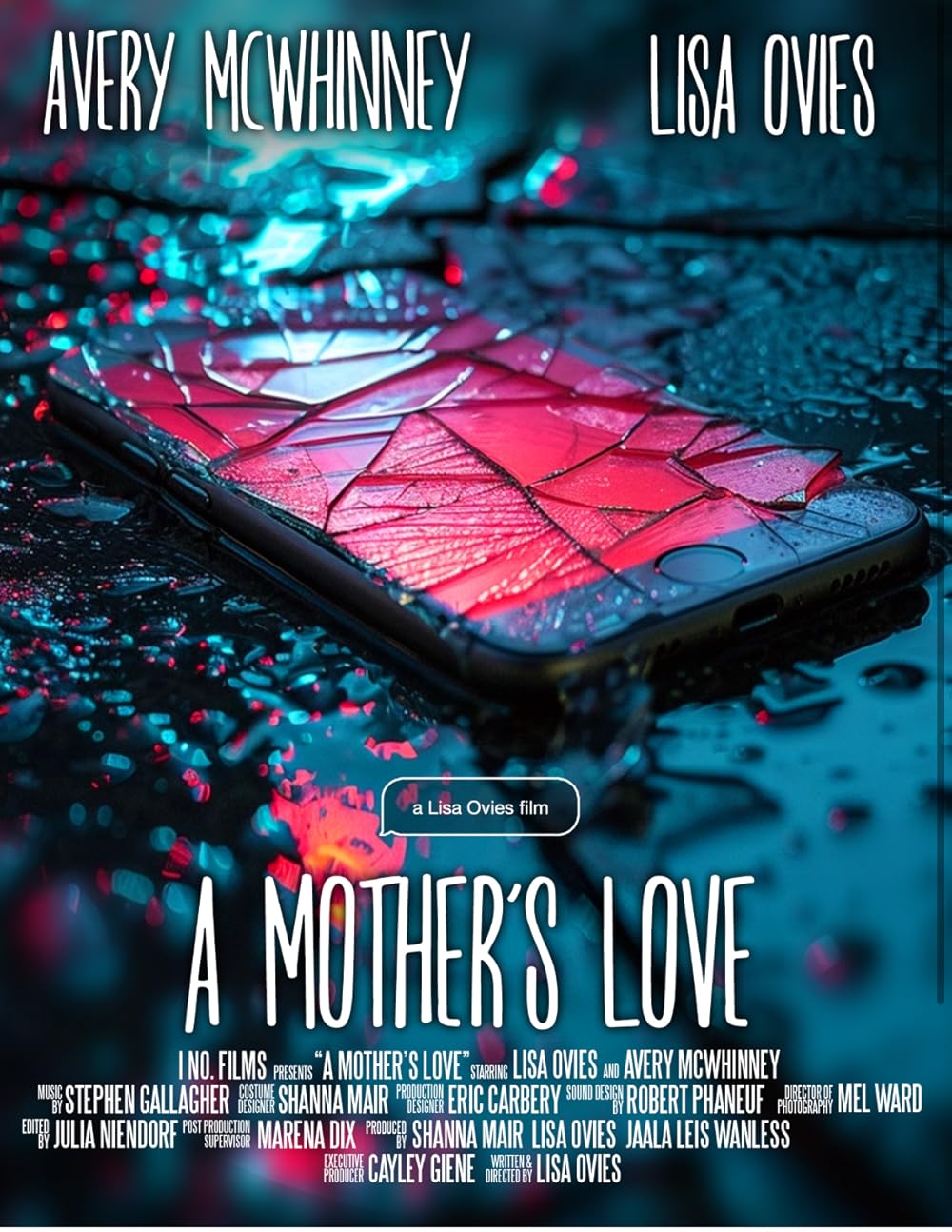
“A Mother’s Love” (CAN) by Lisa Ovies
Hold onto your heartstrings because “A Mother’s Love” is a haunting narrative about the lengths a mother will go to protect her child. Ovies delivers a story that’s as emotionally gripping as it is unsettling. The film delves into themes of sacrifice, obsession, and the dark side of maternal instinct.
The atmospheric setting;a secluded farmhouse shrouded in mist, adds to the sense of isolation and impending doom. The lead actress gives a powerhouse performance, conveying a complex mix of tenderness and madness that had us both empathizing with and fearing her.
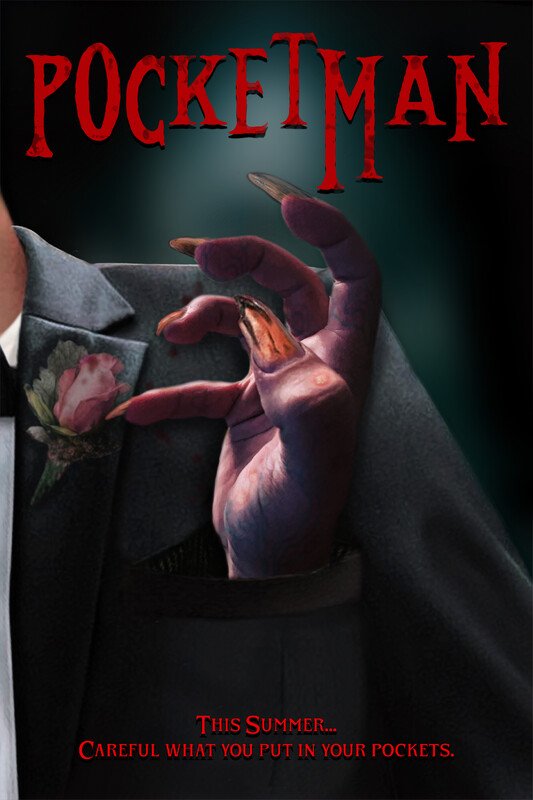
“Pocketman” (USA) by Michael Gabriele
For those who like their horror with a side of surrealism, “Pocketman” was a standout. The film follows a man who discovers a mysterious pocket watch that allows him to manipulate time; with horrifying consequences. Gabriele plays with nonlinear storytelling and mind-bending visuals that left the audience questioning reality.
It’s a cerebral trip that challenges perceptions and leaves you contemplating the ethical implications of wielding such power. Plus, the special effects were top-notch, especially for a short film, demonstrating that you don’t need a blockbuster budget to deliver stunning visuals.
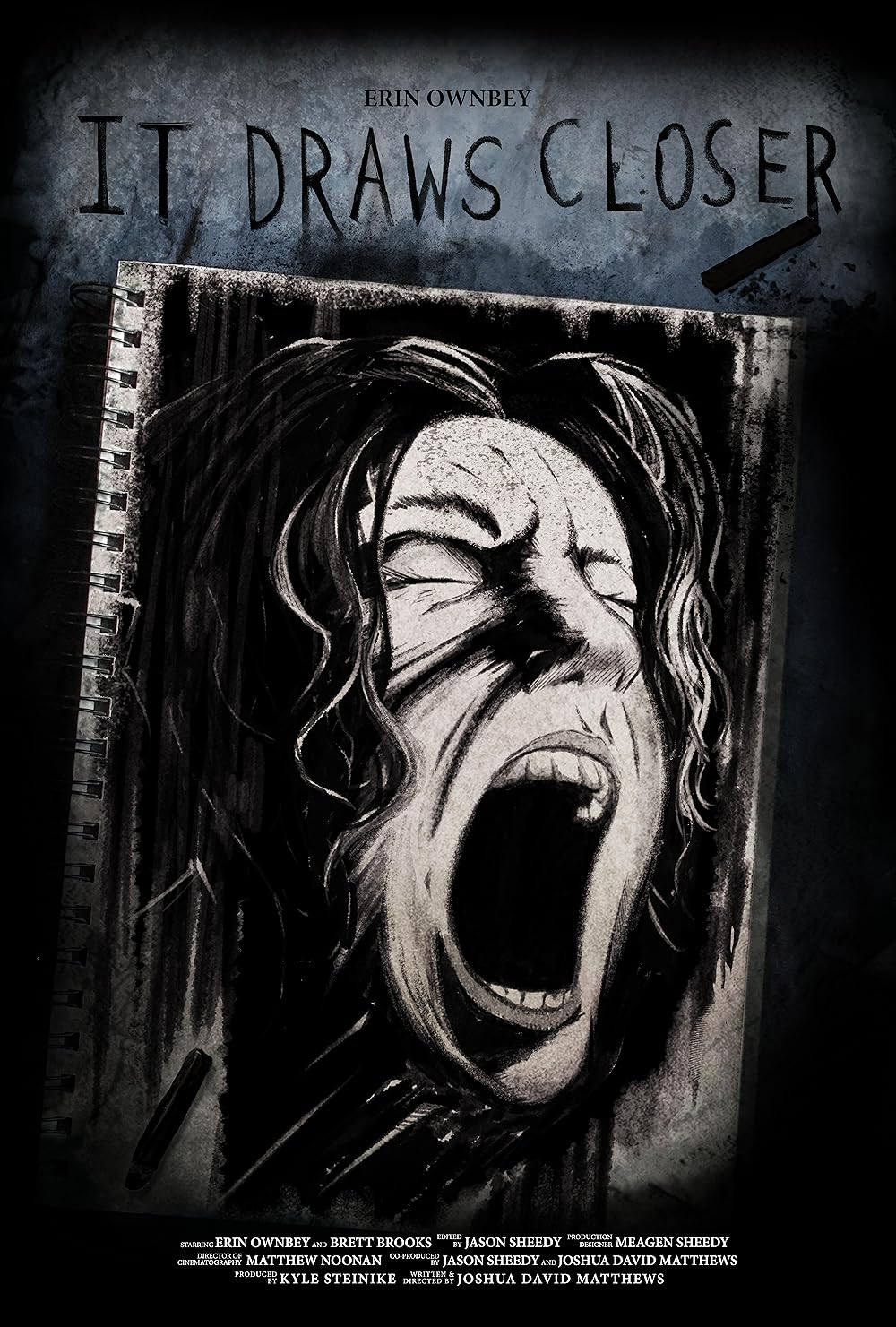
“It Draws Closer” (USA) by Joshua Matthews
Closing out the program was “It Draws Closer,” a claustrophobic thriller that had everyone on the edge of their seats. Set entirely within a single location—a dimly lit apartment—the film follows a woman who believes she’s being stalked by an unseen entity.
Matthews masterfully uses tight camera angles and sound design to create a sense of paranoia and dread. The tension builds steadily, leading up to a climax that was both shocking and satisfying. It’s a reminder that sometimes, the most terrifying monsters are the ones we can’t see.
Up next, we’ll peel back the curtain on the masterminds orchestrating this festival of frights—the festival organizers themselves. Get ready to meet the minds behind the madness, and see how their passion and vision have shaped the Vancouver Horror Show into the powerhouse it is today. 🎭🕯️
THE FESTIVAL ORGANIZERS: THE MINDS BEHIND THE MADNESS
Alright, my fellow horror hounds and cinephile comrades, it’s time to pull back the blood-streaked curtain and shine a spotlight on the maestros orchestrating this symphony of screams; the festival organizers themselves. 🎭🕯️ Because let’s face it, without their twisted vision and relentless dedication, the Vancouver Horror Show would be just another flickering candle in the vast, dark cathedral of horror cinema.
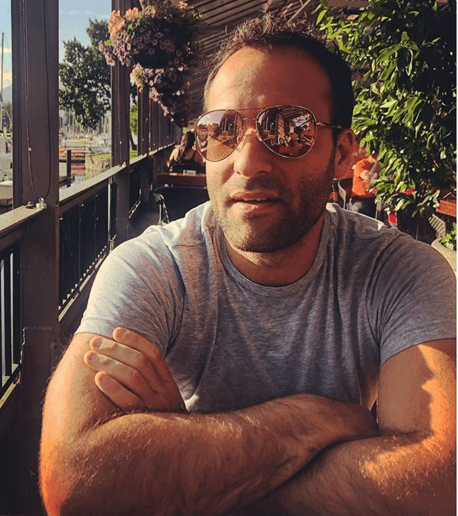
By day, David is a registered nurse bravely battling the real-life horrors of the medical field, especially during those pandemic-ridden times. 🏥🦠 He was on the front lines, fighting COVID-19 in one of Vancouver‘s hardest-hit centers. But by night? He transforms into the mastermind behind the festival, weaving together threads of fear and fascination to create a tapestry of terror that delights us all.
He’s is its beating heart (still warm and slightly bloody, of course) and his passion for horror isn’t some fleeting fancy—it’s a lifelong affair. Growing up, I bet he was that kid staying up past bedtime, flashlight under the covers, devouring Stephen King novels and dog-earing pages of Fangoria magazine.
When he conceived the festival in 2018, his vision was clear: to create a platform that not only showcased top-notch horror films but also fostered a community where filmmakers and fans could connect, collaborate, and celebrate their shared love of the macabre. And boy, has he delivered!
David’s approach to the festival is hands-on—quite literally. Rumor has it, he’s been known to help with set designs, run last-minute errands for filmmakers, and even play the occasional corpse extra when needed (talk about dedication!). His commitment extends beyond logistics; he’s deeply invested in promoting diversity and inclusivity within the horror community.
In a recent interview, David said:
“Horror has always been a genre that pushes boundaries and challenges the status quo. We wanted the Vancouver Horror Show to reflect that—to be a space where all voices can be heard, and all stories can be told.”
And with initiatives mentioned earlier like featuring over 50% female-directed films and actively seeking works from BIPOC and LGBTQ2S+ filmmakers, it’s clear that he isn’t just talking the talk.
Chair & Founder
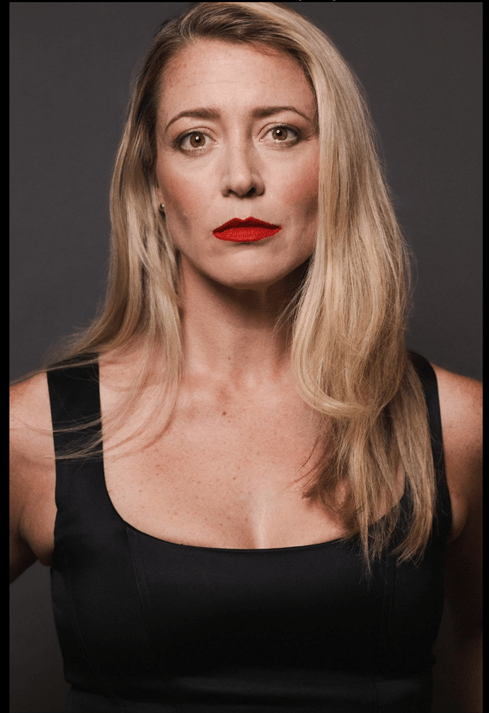
Vice-Chair & Artistic Director
Next up is the inimitable Meghan Hemingway, the festival’s Vice-Chair and Artistic Director; a woman whose energy could power an entire city grid during a blackout. ⚡️ A writer, actress, and all-around creative dynamo, Meghan brings a spark (or should I say, a crackling bonfire) of innovation to the festival.
Her credentials are nothing short of impressive. An alumnus of the Circle in the Square Theatre School in New York City, Meghan has graced both stage and screen, delivering performances that leave audiences spellbound. Fun fact: She can solve a Rubik’s Cube in about a minute and can execute flawless back handsprings. Talk about multifaceted talent! 🤸♀️🧩
As the Artistic Director, Meghan is the festival’s compass, guiding the selection process with a keen eye for storytelling that transcends mere scares. She’s all about narratives that linger—films that don’t not only make you jump in your seat but also provoke thought, stir emotions, and maybe even haunt your dreams long after the credits roll.
Her approach to curation is deeply personal. Meghan once shared:
“I look for films that resonate on a human level. Horror is such a powerful medium because it taps into our deepest fears and desires. When a film can scare you and make you think or feel something profound—that’s the magic we’re aiming for.”
Under her guidance, the festival has embraced a broader spectrum of horror, including psychological thrillers, dark fantasies, and genre-defying hybrids that push the envelope of conventional storytelling.
But her influence doesn’t stop at film selection. Much like David, she’s a champion for underrepresented voices in the industry, instrumental in the festival’s strides toward inclusivity. Her efforts in creating programs that support emerging filmmakers and foster diversity have been pivotal in shaping the festival’s identity.
A Dynamic Duo Driving Change
Together, David and Meghan are the yin & yang of the festival—a perfect blend of logistical prowess and artistic vision. Their combined efforts have transformed the Vancouver Horror Show from a modest gathering of horror enthusiasts into a significant cultural event that’s making waves both locally and internationally.

Their philosophy is grounded in the belief that horror, more than any other genre, has the capacity to bring people together. It’s a unifying force that transcends cultural, social, and linguistic barriers. After all,
A scream sounds the same in any language!
🗣️😱
Under their leadership, the festival expanded to host industry panels, Q&A sessions, and networking events that allow filmmakers and fans to engage directly. This open dialogue fosters collaboration and innovation, ensuring that the genre continues to evolve and thrive.
The Unsung Heroes – The Festival Team
Of course, no festival of this magnitude could operate without a dedicated team working tirelessly behind the scenes. From the programmers who sift through countless submissions to the volunteers who manage the chaos of event days, each person plays a crucial role in bringing the festival to life.
Special shoutouts to:
- Sasha Mark – Moderator extraordinaire, who led the insightful “VHS Talks – Indigenous Voices in Horror” panel.
- The Outreach Coordinator – Whose efforts have been instrumental in reaching out to underrepresented groups, ensuring that the festival’s programming is as diverse as it is terrifying.
- Technical Crew – The wizards behind the curtain who make sure every film looks and sounds its best, because nothing ruins a scare like a technical glitch!
Their collective passion is evident in every aspect of the festival. It’s a labor of love, fueled by countless hours of hard work and, no doubt, an alarming amount of cawffee. ☕️
Up next, we’re shifting gears as the festival moves from Burnaby to the heart of downtown Vancouver. Get ready for a different kind of terror as we delve into the Vancouver edition’s showcase of the profound true-crime documentary “Altona.” This is where horror steps out of the shadows of fiction and into the stark light of reality. Stay tuned! 🎥🖤
VANCOUVER EDITION: “ALTONA” TAKES CENTER STAGE
After a weekend of cosmic horrors and supernatural chills in Burnaby, the festival packed up its (metaphorical) chainsaws and headed to the heart of downtown Vancouver. Taking over Cineplex International Village, the scares were just as potent, but with a twist. This time, the horror wasn’t lurking under beds or swimming in dark lakes—it was grounded in the gritty, unforgiving reality of true crime.
“Altona“
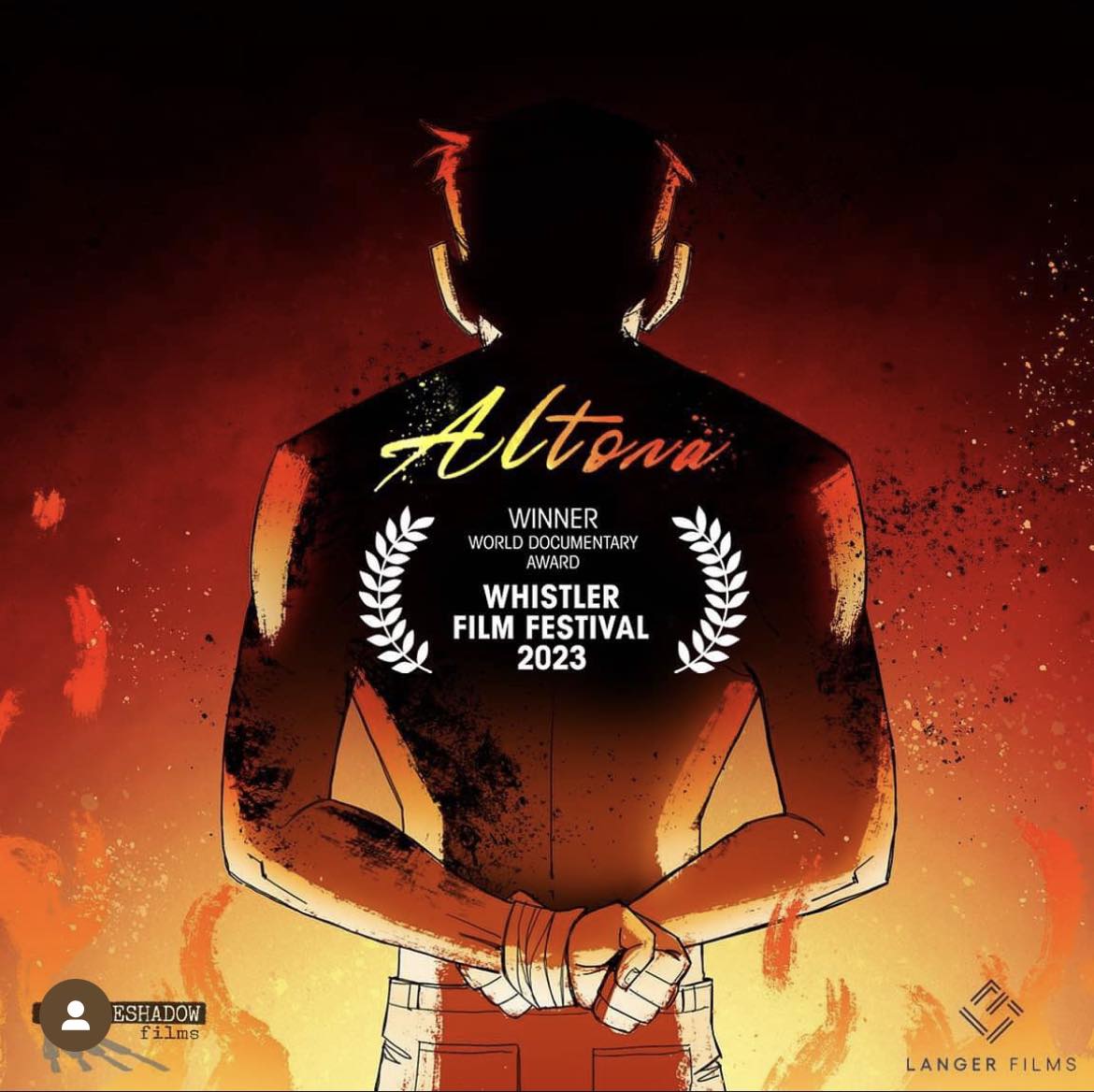
A Story of Trauma, Resilience, and Forgiveness
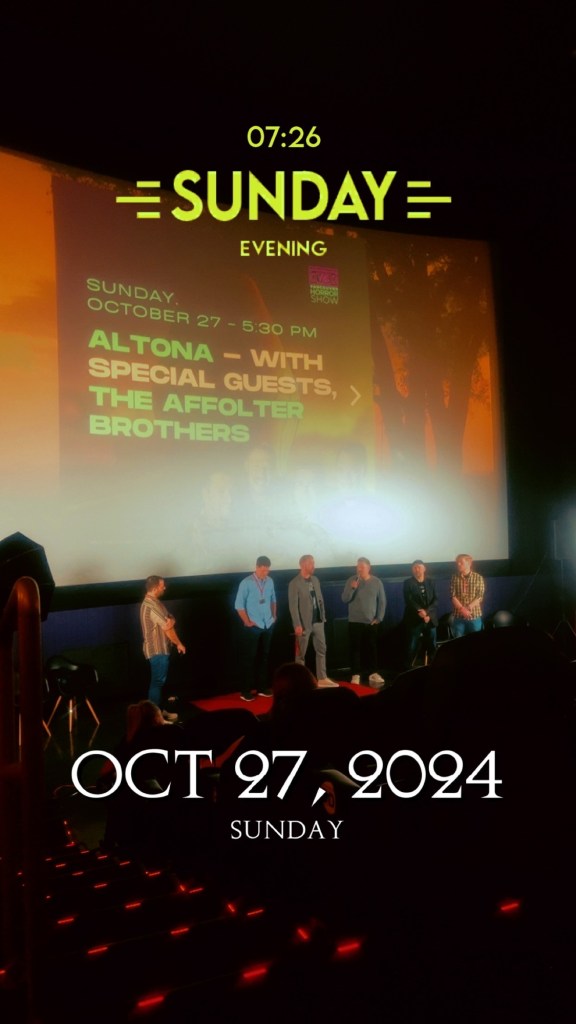
Directed by the talented Affolter brothers—Heath, Jon, Nathan, and Thomas.
Now, before you say:
“Wait, a documentary at a horror festival?”
Let me assure you, this documentary fits the bill in the most heart-wrenching way. “Altona” delves into the harrowing true story of two teenagers, Tyler Pelke and Curtis Klassen, who were brutally attacked, tied up, and left to die in a burning house in the small town of Altona, Manitoba, back in 1990.
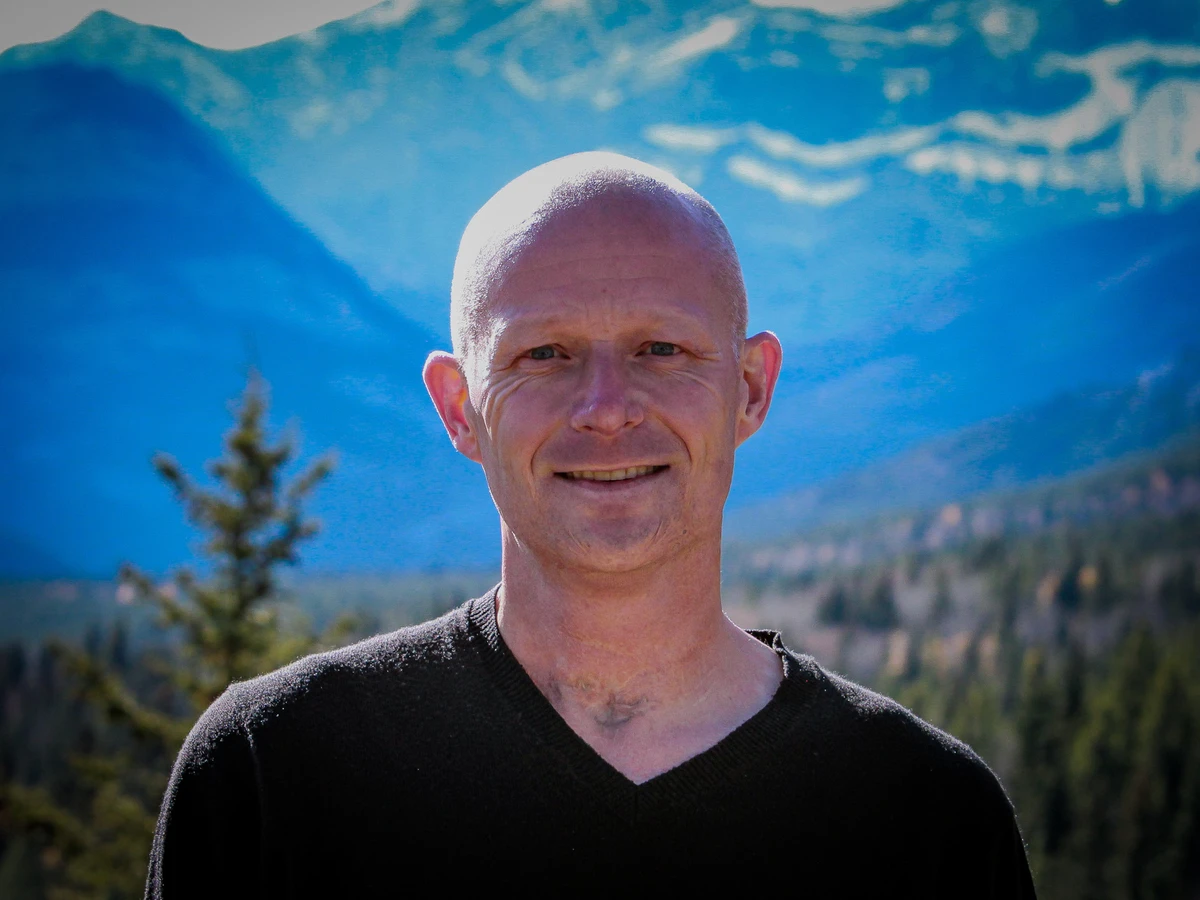
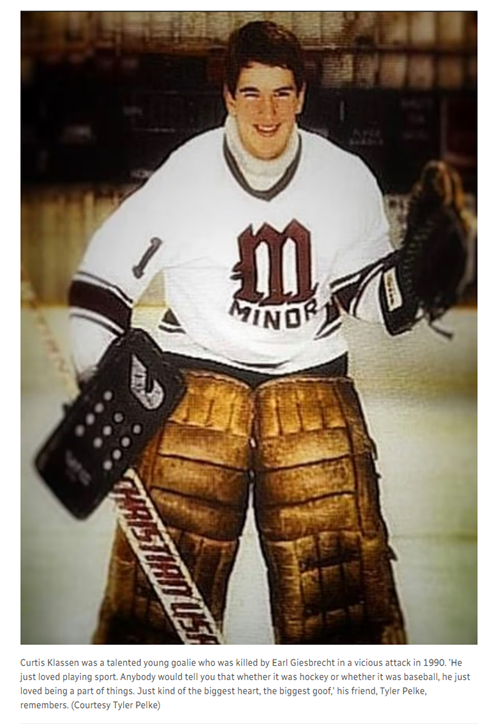
Curtis tragically did not survive, but Tyler, against all odds, managed to escape and live to tell the tale. His journey from victim to survivor, and ultimately to a place of forgiveness for his attacker, forms the emotional core of the film.
A Cinematic Experience That Transcends Genre
Watching this was an experience unlike any other at the festival. The theater was enveloped in a heavy silence, the kind that only comes when every single person in the room is utterly absorbed. There were no jump scares, no supernatural entities; just the raw, unfiltered reality of human darkness and the incredible resilience of the human spirit.
The Affolter brothers masterfully blend archival footage, animation, and deeply personal interviews to weave a narrative that’s both gripping and profoundly moving. The use of animation to depict the night of the attack was particularly impactful. It allowed the filmmakers to convey the horror of that night without resorting to graphic reenactments, respecting the sensitivity of the subject matter while still conveying its gravity.
Themes That Hit Home
At its heart, it’s a story about trauma, recovery, and the complexities of forgiveness. It explores the ripple effects of violence on a community and delves into the challenging process of healing after unimaginable loss.
Trauma and Its Aftermath
The film doesn’t shy away from depicting the profound impact of trauma—not just on Tyler but on the entire community of Altona. It delves into how a single night of horror can alter the trajectory of countless lives, leaving scars both visible and invisible.
Tyler’s physical scars are a constant reminder of the attack, but the emotional and psychological wounds run even deeper. The film explores his struggles with nightmares, trust issues, and the arduous journey toward reclaiming his sense of safety and normalcy.
For the community, the attack shattered the illusion of small-town innocence. Altona, a tight-knit Mennonite town where people didn’t lock their doors, was forced to confront the reality that evil can infiltrate even the safest havens.
Resilience and the Human Spirit
Despite the darkness, “Altona” is ultimately a testament to the resilience of the human spirit. Tyler’s ability to not only survive but thrive is nothing short of remarkable. After enduring such a brutal attack, he chose a path of service, becoming a firefighter and dedicating his life to helping others.
His journey symbolizes the capacity for individuals to rebuild and find purpose after trauma. The film highlights how resilience isn’t about forgetting or minimizing pain but about harnessing inner strength to move forward.
Forgiveness: A Complex Path
One of the most compelling themes is the exploration of forgiveness. Tyler’s decision to forgive his attacker, Earl Giesbrecht, is portrayed with nuance and depth. The film doesn’t present forgiveness as a simple or obligatory act but as a deeply personal choice that can be a powerful tool for healing.
In a poignant moment, Tyler meets with Earl in prison—a meeting that became a turning point in his healing process. Tyler shares:
“I went for two reasons. One was to tell him I forgave him, and two was to just talk through it and have a better understanding. Forgiveness absolves me of carrying a burden. I don’t look in the mirror every day and see the scars as reminders of pain but as symbols of survival.”
This act of forgiveness is complex. It doesn’t absolve Earl of responsibility or diminish the severity of his actions. Instead, it frees Tyler from the weight of hatred and allows him to reclaim control over his own narrative.
Tyler’s journey is nothing short of inspirational. His ability to find forgiveness for his attacker—a former friend who committed an unspeakable act—is a testament to the strength and capacity for compassion that humans can possess. It’s a narrative that challenges viewers to reflect on their own perceptions of justice, revenge, and mercy.
The Q&A—An Emotional Deep Dive
Following the screening, the Affolter brothers took to the stage for a Q&A session that was as insightful as it was emotional. They discussed the decade-long journey of bringing this story to the screen, the ethical considerations involved, and the relationships they built with Tyler and the community of Altona.
One of the brothers mentioned:
“We wanted to tell this story in a way that honored Tyler’s experience and the memory of Curtis, without sensationalizing the tragedy. It’s about highlighting the strength it takes to move forward and the power of forgiveness.”
Ethical Storytelling and Sensitivity
The Affolter brothers approached this delicate subject with remarkable sensitivity. They spent a decade working on the film, building trust within the community and ensuring that they honored the memories and experiences of those involved.
They stated:
“We did truly try to tell a story that we think is important. These themes about how you recover from trauma, and how you forgive others, we think, are as relevant and topical as any themes for today’s world with where society is at.”
Their commitment to avoiding sensationalism is evident. By using animation to depict the attack, they convey the horror without exploiting it. This creative choice allows viewers to grasp the gravity of the events while maintaining respect for the victims and their families.
A Departure from Traditional Horror—Yet Perfectly At Home
While “Altona” doesn’t fit the conventional mold of a horror film, its inclusion in the festival was both bold and appropriate. It served as a stark reminder that sometimes, the most terrifying monsters are human, and the scariest stories are the ones that actually happened.
The film sparked important conversations about mental health, the justice system, and the ways communities can come together in the aftermath of tragedy. It’s a testament to the festival’s commitment to showcasing diverse narratives and pushing the boundaries of what horror cinema can encompass.
The Multifaceted Nature of Justice and Rehabilitation
The film also delves into the justice system and the concept of rehabilitation. Earl was sentenced to life in prison with no chance of parole for 25 years. Over the decades, he became a model inmate, pursuing education and participating in restorative justice programs.
In 2020, after serving 30 years, Earl was granted full parole—a decision that stirred a range of emotions within the community and among those connected to the case.
The Affolter brothers navigate this sensitive topic by presenting multiple perspectives. They include insights from Earl himself, shared through a letter read by an actor, and through a phone call with Executive Producer Craig Langdon. This approach doesn’t seek to justify or vilify but to offer a holistic view of the complexities involved in rehabilitation and reintegration.
Community Impact and Collective Healing
Altona, the town, becomes a character in its own right. The film examines how a community grapples with collective trauma. Residents share their memories, their pain, and the lingering effects that span decades.
Mayor Al Friesen reflects on the enduring impact:
“It’s still painful for those who have lost family members. It never goes away. But for those looking for inspiration, Tyler has indicated the importance of forgiving. We can all take a lesson from that.”
The community’s efforts to honor Curtis’s memory, such as annual fundraising runs supporting minor sports—activities he loved—show the healing power of coming together. It’s a testament to how communities can rebuild, not by erasing the past but by finding ways to honor and remember.
Exploring the Spectrum of Human Emotions
“Altona” doesn’t offer easy answers. It respects the spectrum of emotions—from anger and grief to compassion and hope—that individuals experience in the wake of tragedy. The film portrays people who have found forgiveness and those who haven’t, without casting judgment.
The inclusion of trauma therapists and experts adds depth, providing context for the varied responses to trauma. It underscores that healing is not a linear process and that each person’s journey is unique.
Critical Acclaim and Broader Impact
“Altona” has garnered significant attention and praise. A review from Paul Allaer on Rotten Tomatoes encapsulates the film’s impact:
“ALTONA explores grief, forgiveness, and resilience. Crafted with care by the Affolter brothers, this documentary transcends its narrative to paint a hopeful picture of recovery and reconciliation. It is an essential watch for anyone interested in the impacts of trauma on individuals and communities.“
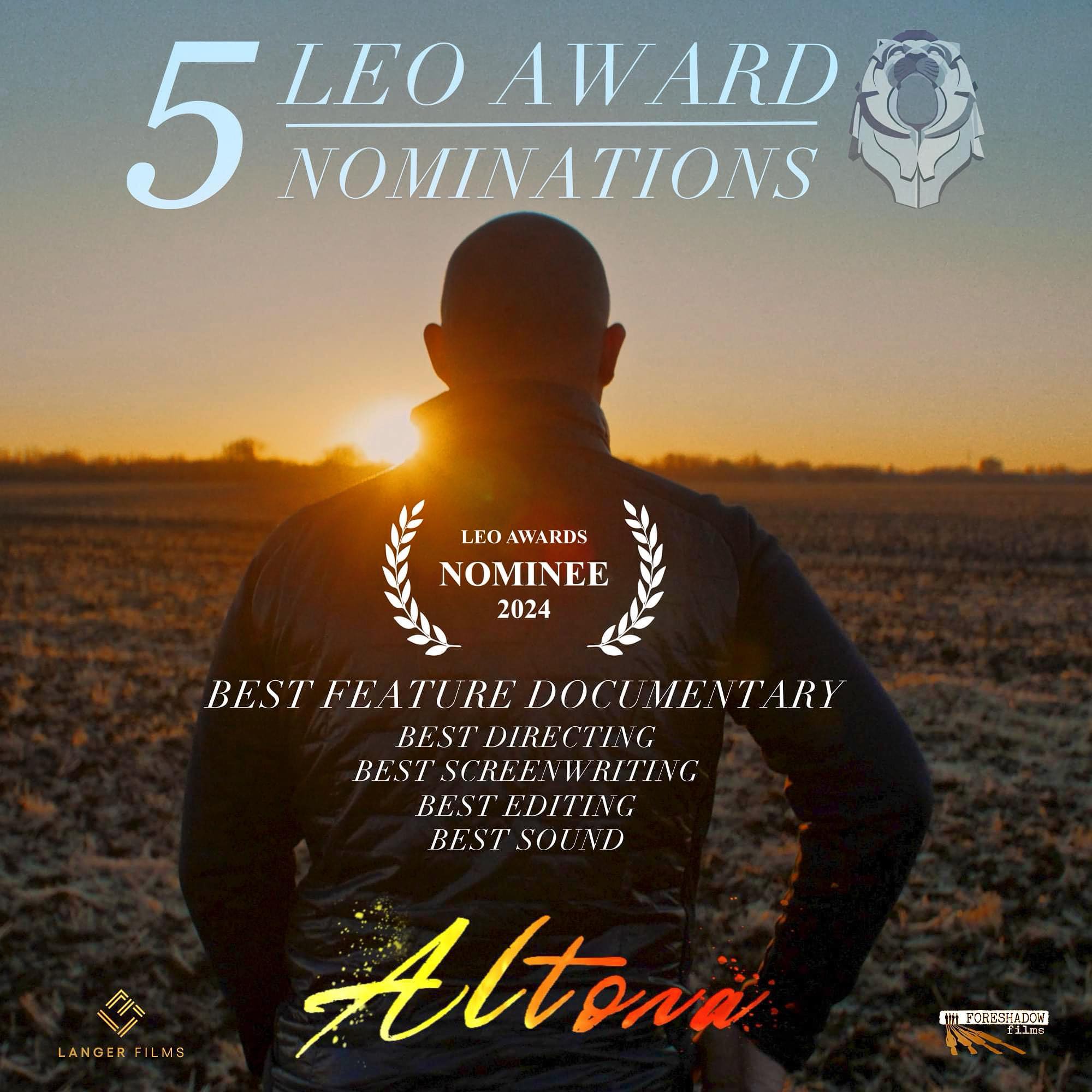
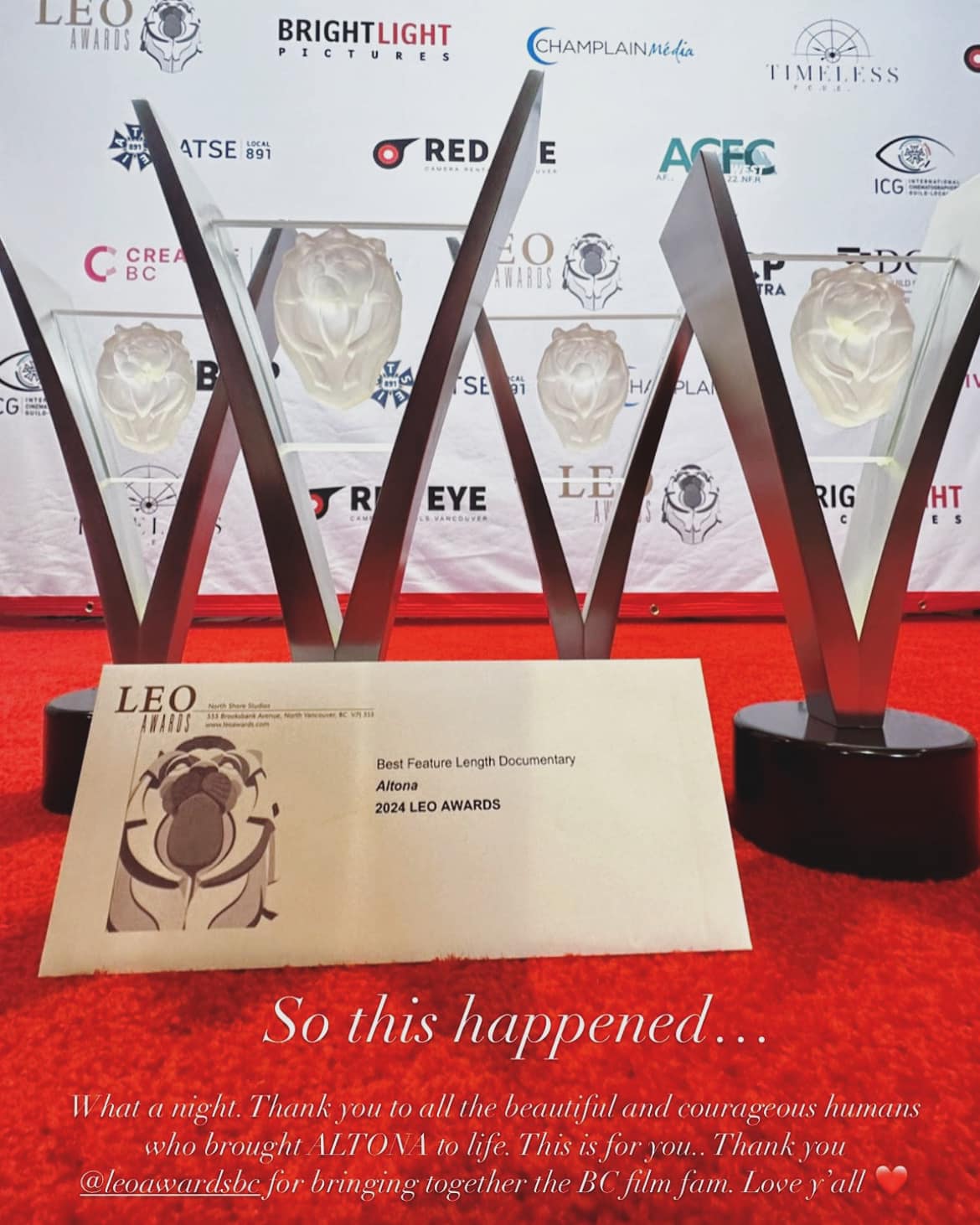
The film won the 2023 World Documentary award at the Whistler Film Festival, 4 LEO Awards a testament to its powerful storytelling and resonance.


For me, it was a standout at the festival; not because it scared me in the traditional sense, but because it confronted me with real human emotions and ethical dilemmas that are genuinely unsettling. It reminded me that horror isn’t just about ghosts and monsters; sometimes, it’s about facing the darkest parts of ourselves and finding a way to the light.
The film is a profound exploration of humanity’s capacity for both destruction and redemption. It’s a narrative that lingers, prompting ongoing contemplation and conversation; a mirror reflecting the complexities of the human condition. It doesn’t provide easy answers but invites us to engage with difficult questions about trauma, justice, forgiveness, and healing.
Other Highlights from the Vancouver Edition
But this wasn’t the only gem shining (or perhaps, casting shadows) during the Vancouver edition. The festival continued to showcase an impressive array of shorts and features that catered to every flavor of horror enthusiast.
Dead & Undead: Shorts Program III
Saturday afternoon brought us the Dead & Undead shorts program; a smorgasbord of supernatural thrillers, dark comedies, and everything in between.
“Queen of the Underworld”
(CAN) by Stephanie Izsak: A darkly humorous tale about power dynamics and the unexpected challenges of ruling the underworld. Izsak delivers a sharp script with witty dialogue and a twist ending that left the audience cackling.

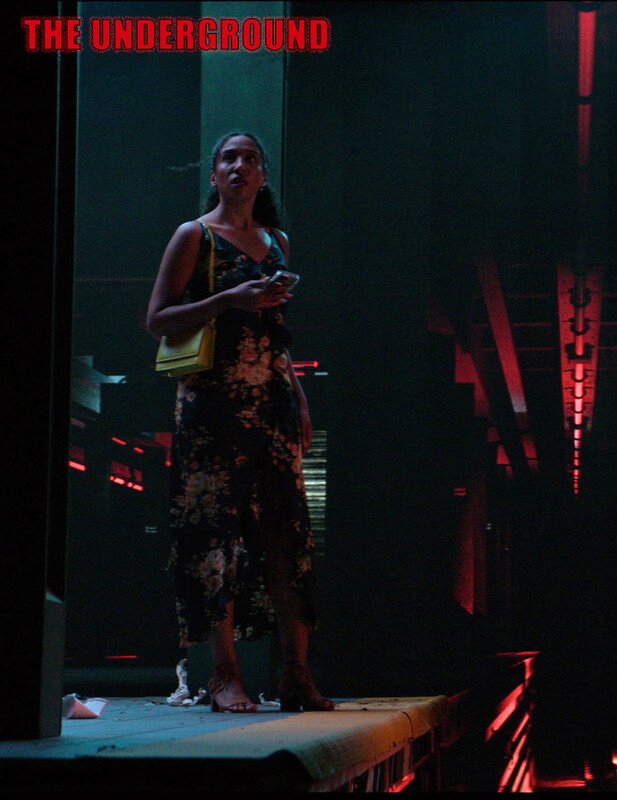
“The Underground”
(CAN) by Rachel Talalay: A gripping narrative set in the labyrinthine tunnels beneath the city. Talalay, known for her work on “Doctor Who” and “Tank Girl,” brings her signature style to this claustrophobic thriller.
“Lupe Q and the Galactic Corn Cake”
(CAN) by Javier Badillo: An eccentric mix of sci-fi and horror, this short follows Lupe Q on a surreal journey involving alien creatures and, yes, a corn cake that’s out of this world. It’s as bizarre as it sounds, and utterly delightful.

VHS Talks – Indigenous Voices in Horror
On Sunday, the festival took a meaningful turn with “VHS Talks – Indigenous Voices in Horror,” a panel discussion moderated by the insightful Sasha Mark. Panelists June Scudeler, Quelemia Sparrow, and Jordan Waunch shared their experiences and perspectives on representation, storytelling, and the unique intersections of Indigenous culture and the horror genre.
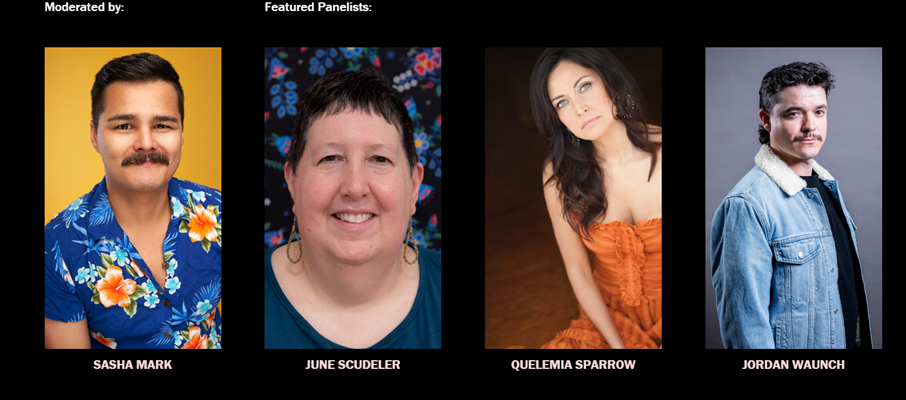
They explored how horror can serve as a medium to process historical trauma, challenge stereotypes, and reclaim narratives. It was a powerful conversation that highlighted the importance of diversity not just in casting but in the very stories being told.
Don’t Look Back: Indigenous Horror Shorts
Continuing the theme, the “Don’t Look Back: Indigenous Horror Shorts” program showcased films that blended cultural heritage with horror elements, resulting in stories that were both enlightening and chilling.
- “The Saint & The Bear” (CAN) by Dallas Soonias: A haunting tale rooted in folklore, exploring themes of identity and transformation.
- “Redlights” (CAN) by Eva Thomas: A suspenseful narrative that delves into fear and community, leaving audiences pondering long after the credits rolled.
- “OChiSkwaCho” (CAN) by Jules Koostachin: An atmospheric piece that immerses viewers in a spiritual and supernatural journey, beautifully shot and deeply resonant.
Up next, we’ll wrap things up with some closing thoughts on the festival as a whole—the themes that emerged, the conversations sparked, and the unifying power of horror. So stay tuned, because the journey isn’t over yet!
🎬🖤
Closing Night—Celebration and Reflection
As the festival drew to a close, there was a palpable sense of community and shared experience. The Wrap Party and Awards Ceremony was a hoooot, celebrating the best in independent horror. Golden VHS tapes were awarded, filmmakers and fans mingled, and there was a feeling that everyone had been part of something special.
Many of the directors and cast members were present at the screenings, engaging with the audience in impromptu Q&A sessions. Their passion and dedication to their craft were palpable, and it was inspiring to hear about their creative processes, challenges faced during production, and plans for future projects.
A Celebration of Emerging Talent
What made the it truly special was how it showcased the fresh voices and bold visions of emerging filmmakers. Each short/film/documentary, though limited in runtime, managed to tell complete and compelling stories. The diversity in themes and styles highlighted the versatility of the horror genre and its ability to explore a wide range of human experiences and emotions.
From supernatural scares to psychological thrillers, the program had something for every horror enthusiast. It also sparked lively discussions during the intermissions and after the screenings, with audience members debating interpretations, favorite moments, and the potential for some of these shorts to be expanded into full-length features.
So here’s to the minds behind the madness—the dreamers and doers who turn nightmares into reality (in the best way possible). A testament to what can be achieved when passion meets purpose, and we, the fans, are all the richer (and more terrified) for it.
BUT WAIT!
Oh you thought I forgot about my own short…..naaah
Pulp Fiction eh?
For more updates and to follow my adventures, connect with me on

Let’s keep the conversation going!


Choose an amount
Or enter a custom amount


© Tyler Pelke 2023
Copyright Foreshadow Films 2021. All Rights Reserved
One response to “🎬 Vancouver Horror Show Film Festival 2024: Embracing the Shadows with “THE DÆMON” & “ALTONA” 🎬”
[…] been tagging along on my artistic crusade along RainCouver—whether we were getting spooked at the Vancouver Horror Show Film Festival or getting our minds blown at ENO.— I’m here to guide you headfirst into the avant-garde. […]