

Jay Shah
DevOps\Aerospace Engineer & Journalist


Jaysuits, we’ve wandered through Vancouver’s rich tapestry of creativity, from the kaleidoscopic bursts of the Create Eastside Arts Festival to the unapologetic defiance of Velvet Terrorism: Pussy Riot’s Russia, among many others; Vancouverites have always been drawn to exhibits that challenge conventions and tell stories that demand to be heard. This time, it’s a powerful exhibition straight from the heart of the Nuxalk Nation. The Museum of Anthropology (MOA) at UBC will host the world premiere of:
“Nuxalk Strong: Dancing Down the Eyelashes of the Sun“
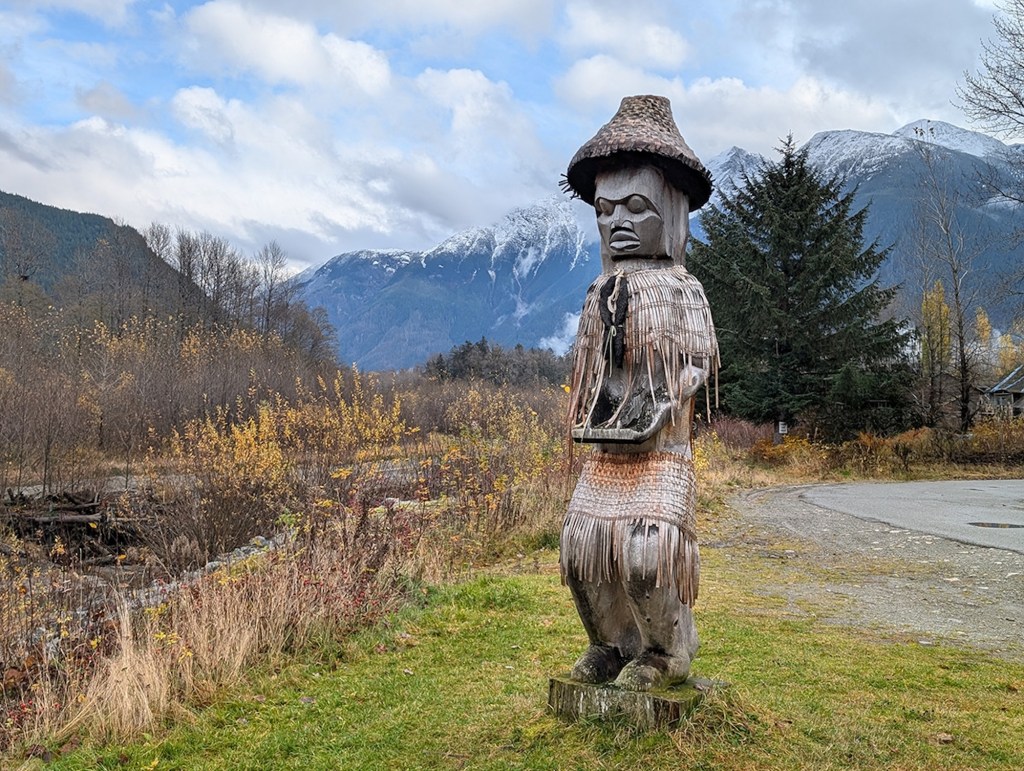
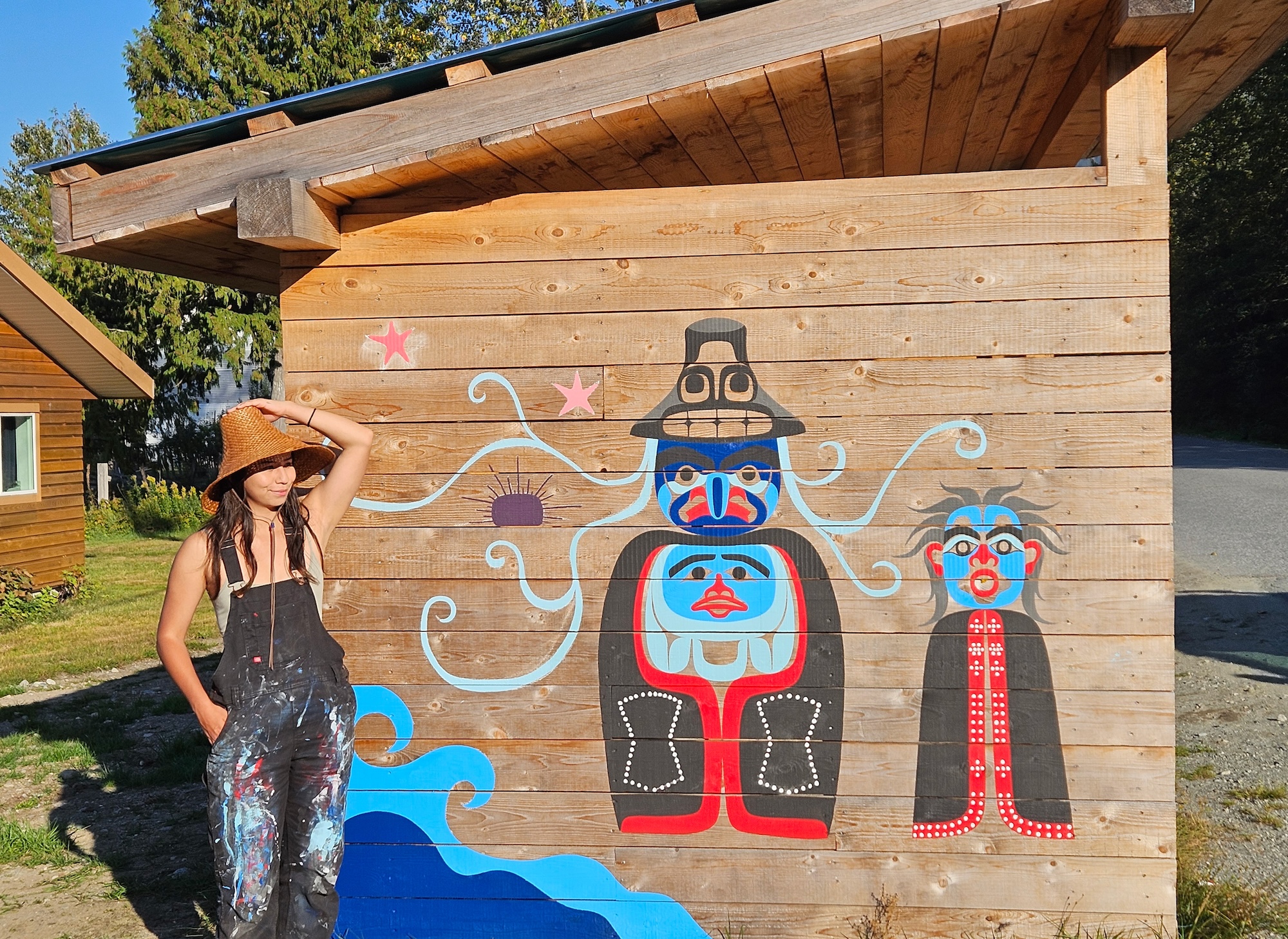
Sputc pole designed by carpenter Wiiaqa7ay–Lyle Mack. Photo by Cody Rocko 
Nuxalk knowledge holder, Marlene King with Bearfrog Mask. Photo by Jennifer Kramer 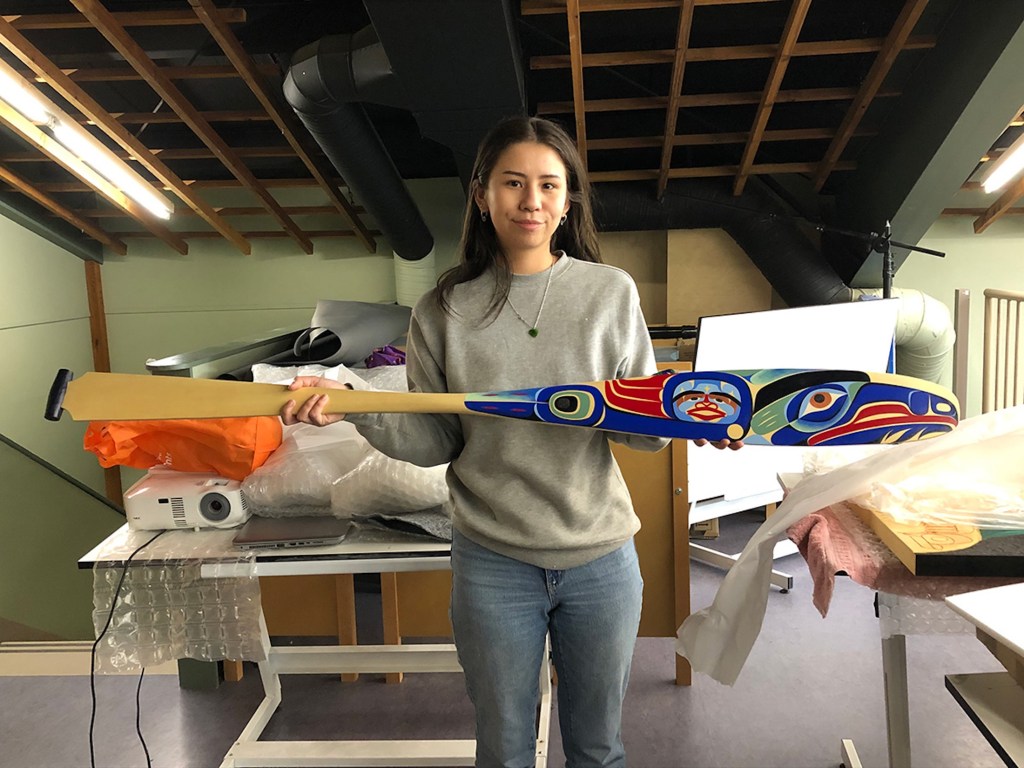
Carpenter Anuximana–Jade Hanuse with her Raven Led the Way paddle. Photo by Jennifer Kramer 
Nusq’lst Alhkw’alhtnak (territory marker) Created by carpenter Nanutsaakas–Kyle Mack Tallio. Photo by Matthew Wheelock,
And what better time for this? February 2025 not only ushers in this incredible exhibition at no cost, but also brings us deeper into Black History Month, another celebration of cultural resilience we can’t miss.
So grab a seat (or a cup of ☕ fellow Jaysuits) as we explore the treasures, stories, and spirit of an exhibit that’s shaping conversations about cultural sovereignty and reclamation right here in Vancouver. Let’s dive in together!
📜Honoring a Legacy📜
The poetic title, Dancing Down the Eyelashes of the Sun, captures the spiritual essence of the
“Smayusta“
Ancestral family origin stories passed down through generations. It evokes a vivid image of connection, where the natural world and celestial realms intertwine with the human spirit. The title itself is drawn from Nuxalk oral traditions that describe the sun’s eyelashes as bridges between the earth and the sky, symbolizing the interconnectedness of all life. It reflects a philosophy that understands the past not as a weight, but as a guide for the future. This ethos of resilience has guided them through some of their darkest chapters, from the violent suppression of their language and culture to the loss of their ceremonial items.
And yet, they’ve endured.
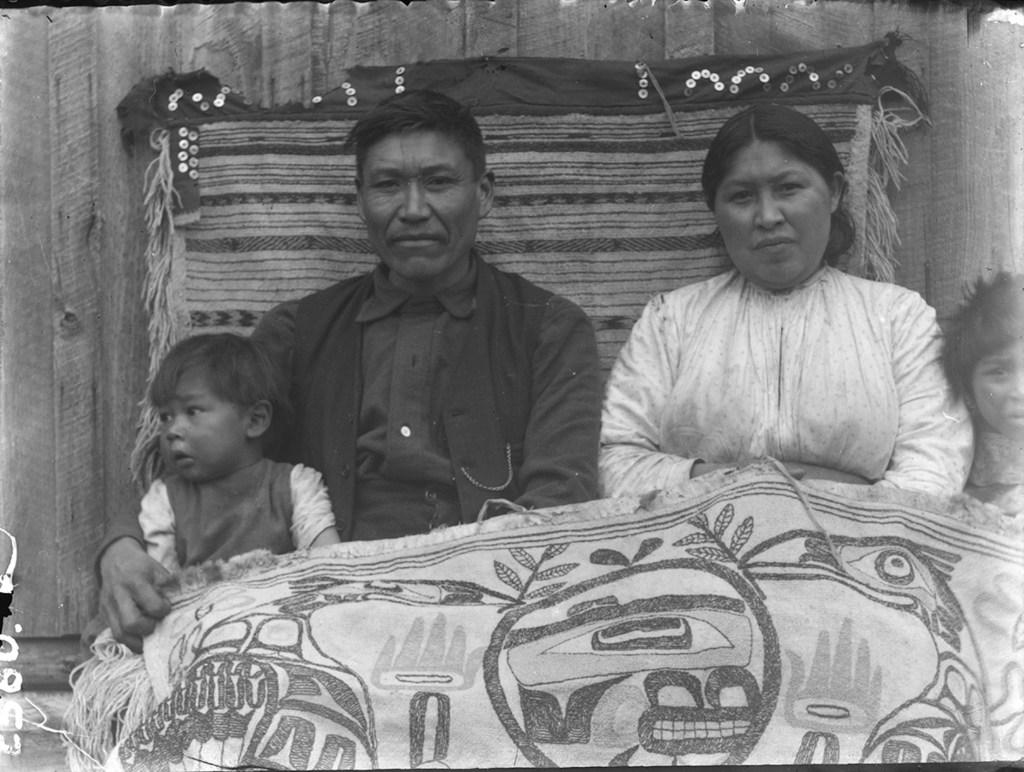
their son Lhkw’aakas–Willie Hans, c. 1910.
What makes this exhibition so groundbreaking is how it acknowledges museums’ historical role in separating Indigenous treasures from their communities, while actively participating in the generous act of
“NuYaYaNlh“
A word which translates to “reciprocity”. The expression itself is layered with meaning: the doubling of “Ya” amplifies the concept of goodness to “great” or “the best.” Meanwhile, the “Nu” at the beginning and the “Nlh” at the end evoke the image of being cloaked or wrapped in generosity, symbolizing that this principle is not just an action but a way of life.
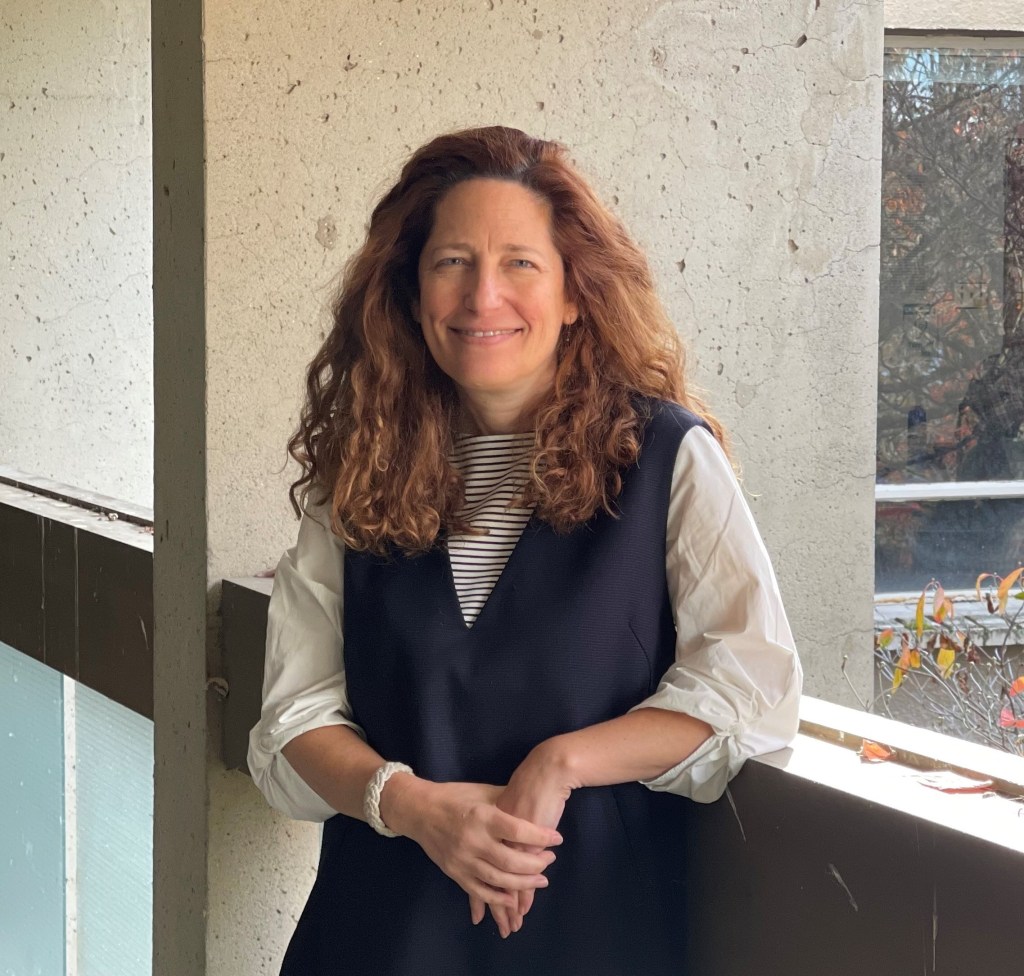
Dr. Jennifer Kramer, co-curator of the exhibition, emphasizes this: “Nuxalk Strong offers an opportunity for Vancouver audiences to examine the role that institutions have historically played in removing and retaining Indigenous belongings far from their ancestral homes. This exhibition demonstrates how museums can participate in nuyayanlh – generous reciprocity by aiding and supporting the Nuxalk as they reclaim their sovereignty through reconnecting to their treasures.”
Through this lens of reciprocity, institutions like the MOA and individuals are collaborating with the Nuxalk to return regalia, masks, and even ancestral names that were displaced during colonial times. The exhibition brings to light the painstaking journey of these treasures; intricate masks, ceremonial weavings, carvings as well as ancestral names that have been part of the Nuxalk’s identity for centuries. After decades of separation, including some items removed over 40 years ago, they are finally returning to their rightful home.
Among the 71 treasures showcased are the yakyanlh (mountain goat wool robes), yatn (raven rattles), and masks of supernatural beings, each resonating with the ancestral knowledge and cultural pride of the Nuxalk people. A particularly poignant aspect of the exhibit is the return of items gifted to ethnographer T.F. McIlwraith in the early 20th century. McIlwraith’s descendants will return these physical treasures – as well as Nuxalk names that were ceremonially given to their father/grandfather – to the community, showcasing an important display of reconciliation in action.
🗿Stories Within the Treasures🗿
Among the 71 treasures featured, each carries a unique story tied to Nuxalk traditions and beliefs.
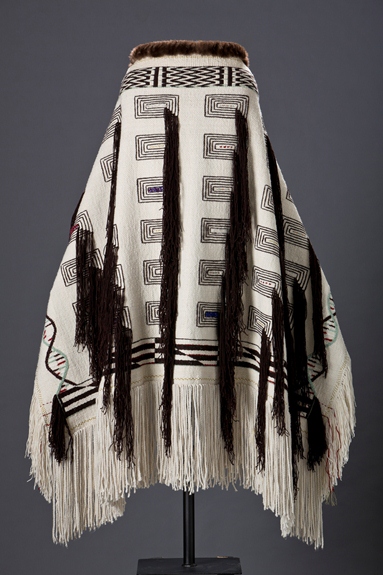
Yakyanlh:
The yakyanlh (mountain goat wool robes) symbolize resilience and connection to the land. These robes, intricately woven from the wool of mountain goats, representing the interdependence between people and their environment.
One of the most significant pieces on display is the yakyanlh robe belonging to the Tallio-Hans family, which was discovered in Alberta after being separated from the Nuxalk for over 40 years. Its return is a symbolic homecoming, embodying the resilience of a community reclaiming its heritage piece by piece.
Yatn:
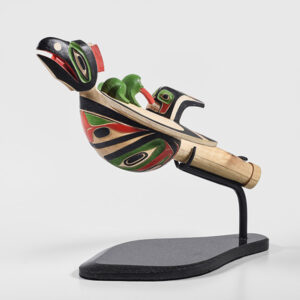
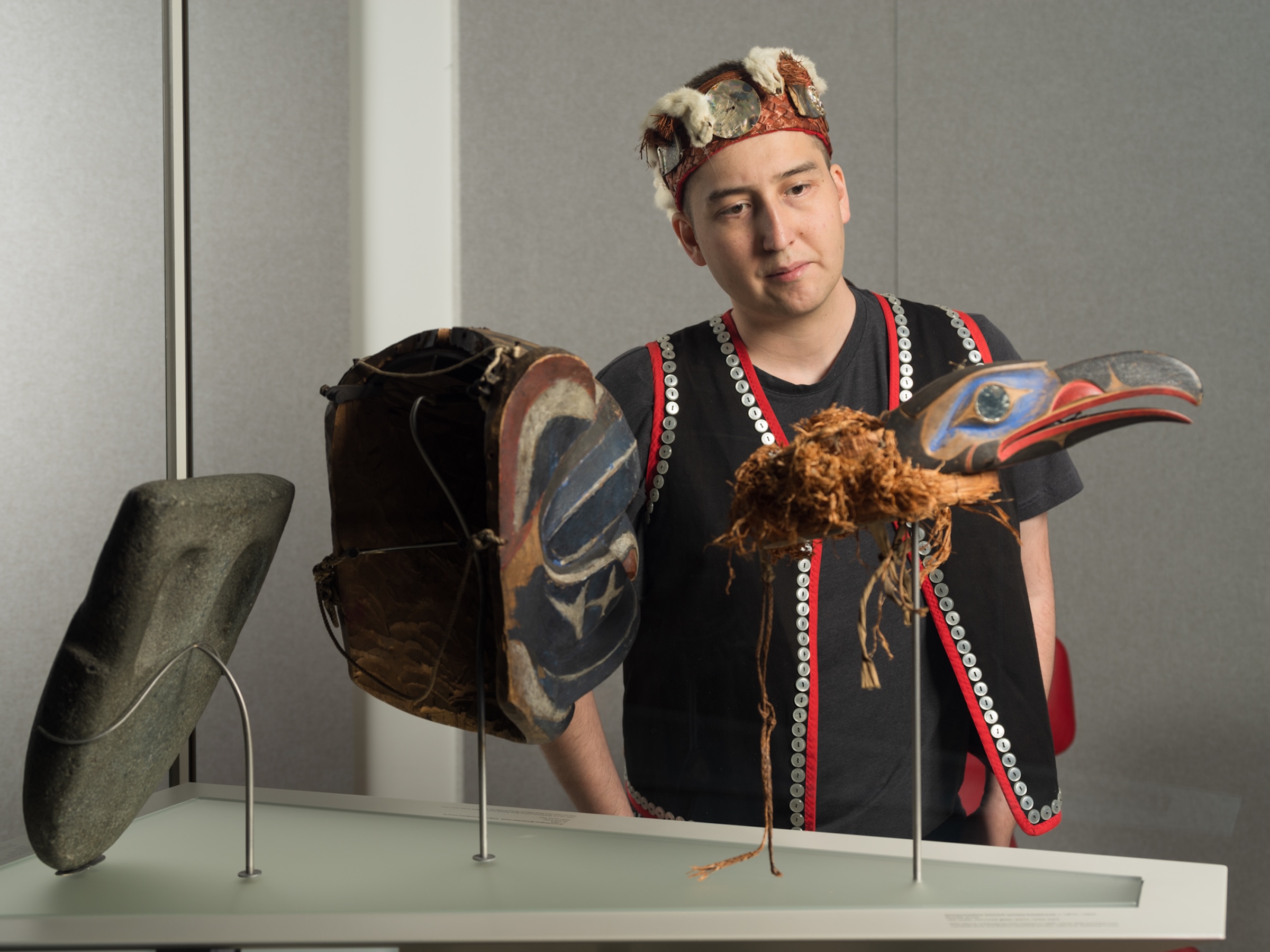
The yatn, or raven rattle, is an iconic ceremonial object in Nuxalk culture, holding deep symbolic and spiritual significance. Traditionally, these rattles are intricately carved and painted, often depicting a raven; the trickster figure in Nuxalk cosmology. It’s revered as a bringer of light and knowledge, as well as a mischievous figure with the ability to create change.
Each rattle is a storytelling vessel, with designs often incorporating other animals and mythical beings (a raven in this instance), symbolizing interconnectedness in the natural and spiritual worlds. Used in dances and potlatch ceremonies, it’s a marker of prestige, passed down through generations to maintain the continuity of cultural traditions.
Syut:
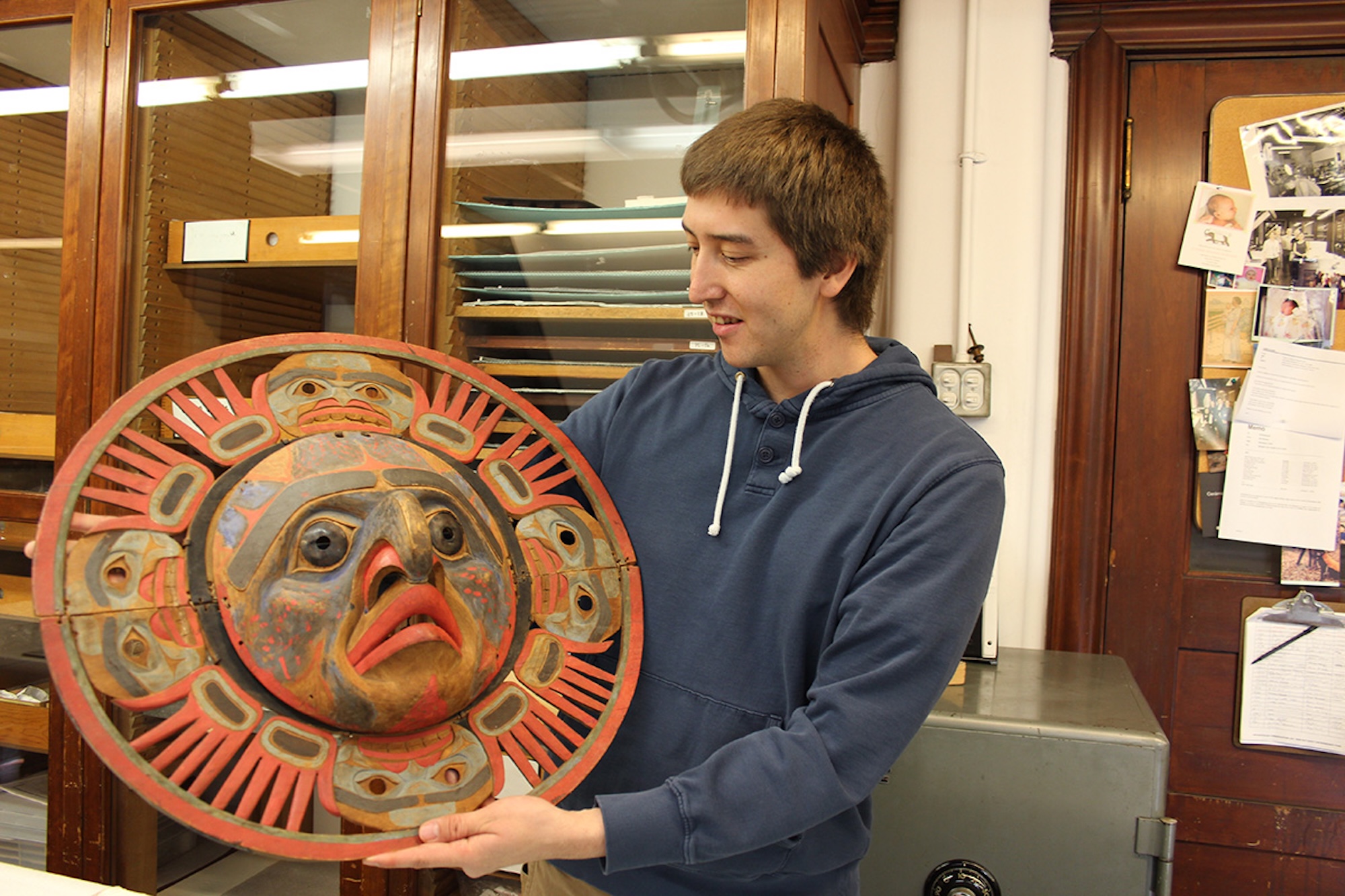
The syut masks, representing supernatural beings, are extraordinary works of art and spiritual tools within the Nuxalk Nation. They embody ancestral spirits, deities, & mythical creatures from the Nuxalk worldview. The designs are bold and striking, characterized by their vibrant colors, intricate patterns, and the use of the Nuxalk’s signature blue pigment.
Snxakila–Clyde Tallio holds a Nuxalk Sun mask at the American Museum of Natural History in
2017.
Photo by Jennifer Kramer, courtesy of the Museum of Anthropology at UBC.
During ceremonies, dancers wear the masks to bring stories of creation, morality, and transformation to life. Each mask is tied to the Smayusta (the Nuxalk ancestral family origin stories) making them integral to the community’s identity and spiritual practices. For instance, the depiction of Syut figures often emphasizes themes of renewal and resilience, reinforcing the people’s connection to their land and heritage.
While the CAG Contemporary Art exhibit earlier last year & The Prop House’s celebration of objects imbued fun personal stories and Unearthed’s adobe architecture payed homage to Persian memories and artistry; here the stakes are even higher.
Why?
Because apart from merely displaying artifacts in glass cases, it’s about amplifying the values and the vision of a people reuniting with its treasures and reclaiming its traditions after decades of colonial suppression.
The Historical Context of the Nuxalk Nation & Cultural Sovereignty
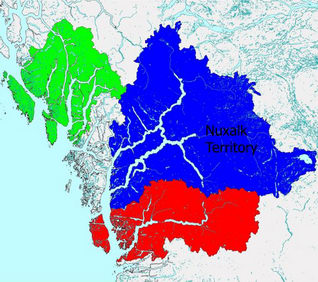
Photo: Nuxalk Nation
The Nuxalk Nation, rooted in the rugged beauty of Bella Coola, British Columbia, has a history that stretches back over 14,000 years. Known globally for their distinct artistic expressions, the Nuxalk people have long been celebrated for their intricate carvings, radiant blue hues in ceremonial regalia, and their vibrant storytelling traditions, passed down through generations. However, like many Indigenous nations, their journey has not been without hardship. Centuries of colonial intervention, including the forced removal of cultural treasures and suppression of their language and traditions, sought to erase their heritage.
The timeline below shows the extraordinary effort and personal sacrifice invested by the Nuxalk people in protecting their heritage and lands.
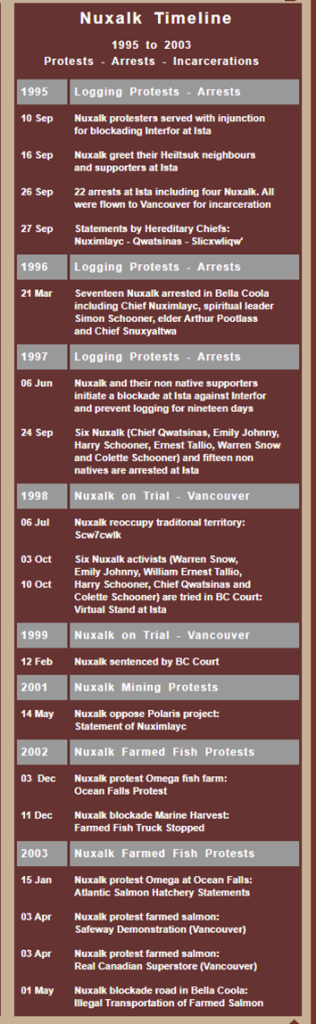
compiled, formatted, hyperlinked and encoded
by Dr. Karen Wonders. Images and intellectual
property rights reside with the credited owner.
“Putl’altnick“
A Nuxalk term meaning “thinking and planning for those not yet born.” became their guiding principle. It speaks to the foresight of Nuxalk Elders, who safeguarded their treasures by entrusting them to museums during a time of cultural upheaval, ensuring their survival for future generations.
This represents a pivotal moment in the ongoing narrative of cultural sovereignty, which extends beyond the physical artifacts. Language revitalization, a cornerstone of Nuxalk identity, is a vital part of reclaiming sovereignty. Fluent Nuxalk speakers, like co-curator Dr. Snxakila—Clyde Tallio, have dedicated their lives to preserving and teaching the language, ensuring it continues to be a cornerstone of Nuxalk governance, education, and storytelling. Efforts to build the first Big House in over a century reflect a broader commitment to restoring traditional governance structures, where the community gathers to make decisions, pass down stories, and strengthen bonds.
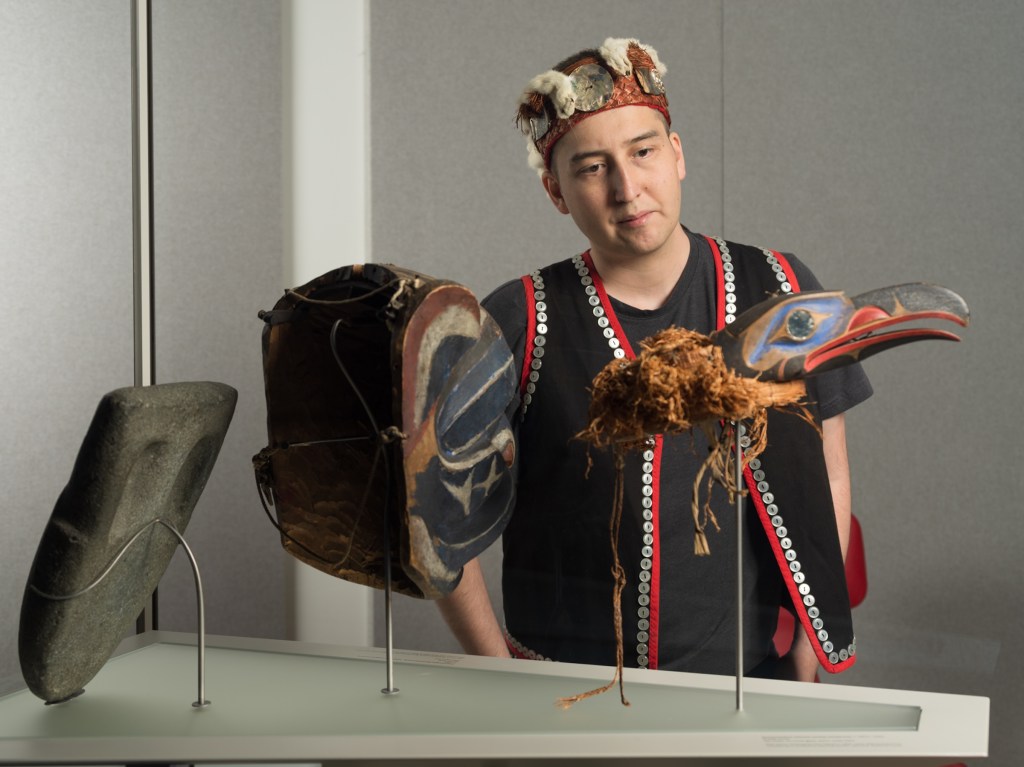
For visitors, this is an opportunity to engage with the profound beauty and complexity of the Smayusta; to learn and bear witness the stories that have survived against all odds. It’s a reminder that the preservation of these narratives is not just a Nuxalk responsibility but a collective one, requiring the participation of institutions, allies, Jaysuits and communities alike.
I’ll be there on opening night, soaking in the stories, the treasures. Join me as we honor the beauty of Indigenous brilliance and stand witness to a moment of history in the making. ✨ Let’s walk the halls of MOA together and celebrate a journey that connects us all.✨
📅 February 21, 2025 – Opening Night
(Free Admission!)
📍 Museum of Anthropology, UBC 🎟️
Plan your visit here: moa.ubc.ca
Let’s learn, reflect, and uplift. See you there!
🙌
For more updates and to follow my adventures, connect with me on:


Choose an amount
Or enter a custom amount


© Copyright Museum of Anthropology
University of British Columbia 2025 | All Rights Reserved