

Jay Shah
DevOps\Aerospace Engineer & Journalist
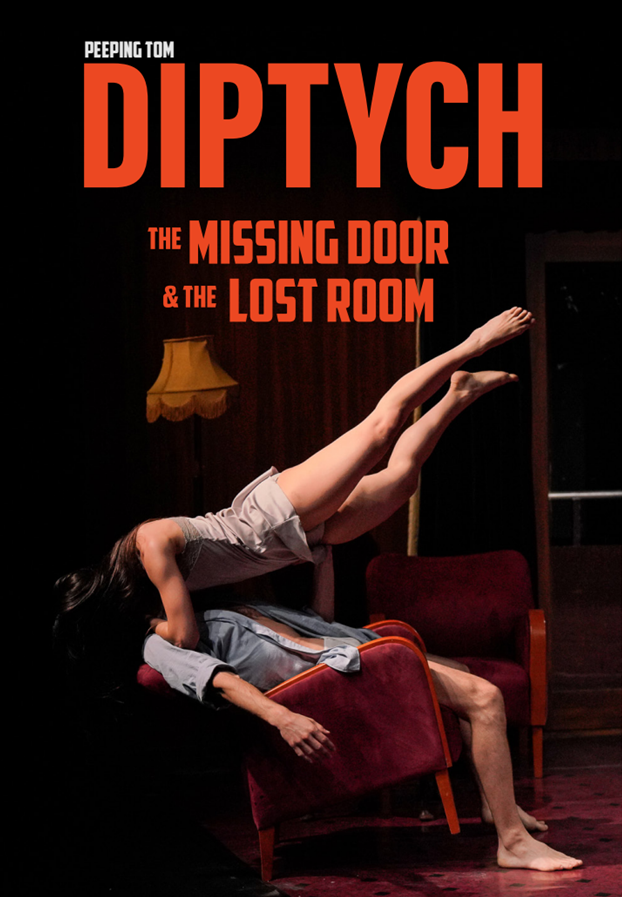
Let’s face it Jaysuits, we’re a city of polite contradictions. We hike mountains but avoid eye contact on the SkyTrain. We preach mindfulness while doomscrolling through housing prices. As Vancouver’s cherry 🌸 blossoms begin to peek through the drizzle and the last echoes of winter’s ice-skating rinks fade (RIP, Robson Square’s glittering wonderland), one production company promises to hold up a funhouse mirror to our beautiful dissonance, a genre-melting cocktail of dance and theatre merging hyperrealist sets, jaw-dropping physicality, and cinematic soundscapes to explore subconscious fears and fractured realities.
From April 24–26, 2025, Diptych: The Missing Door & The Lost Room is docking at the Vancouver Playhouse, and it’s here to warp our reality as we know it.
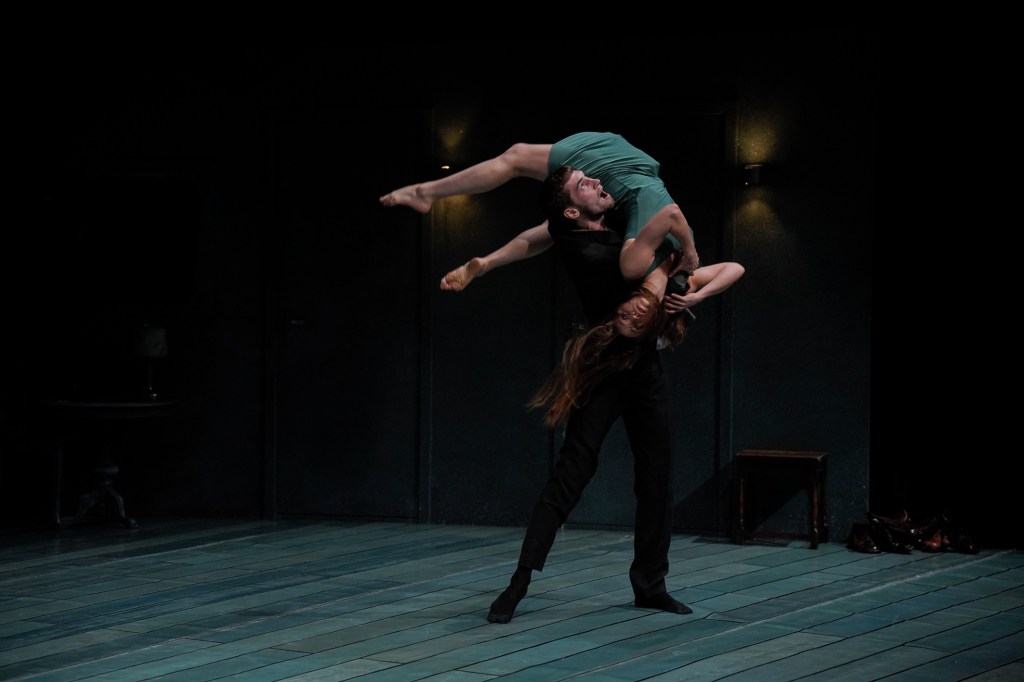
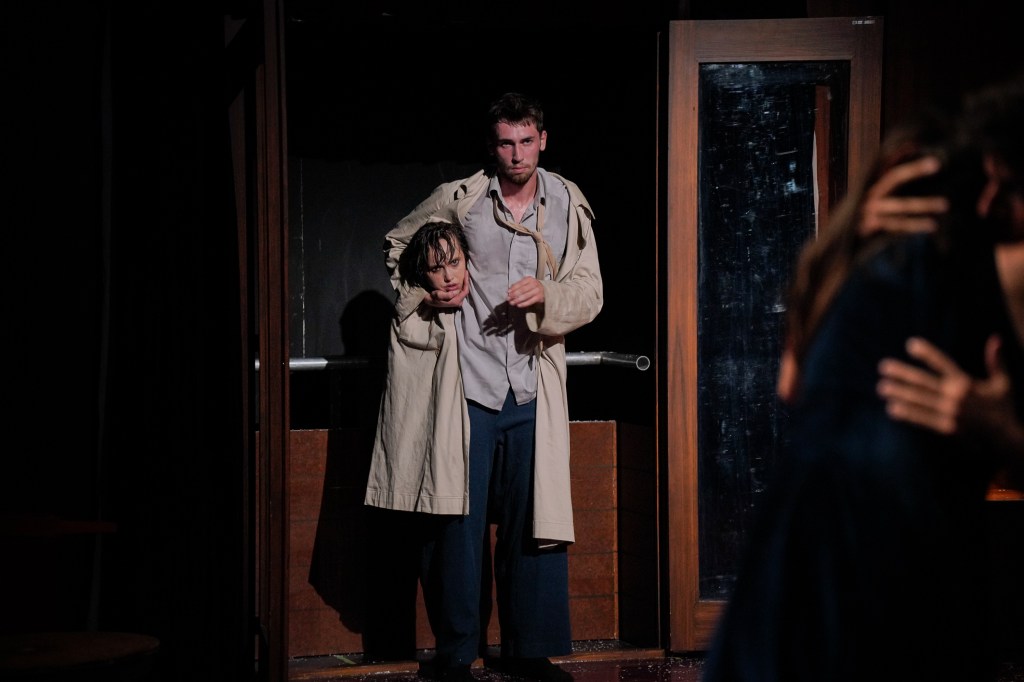
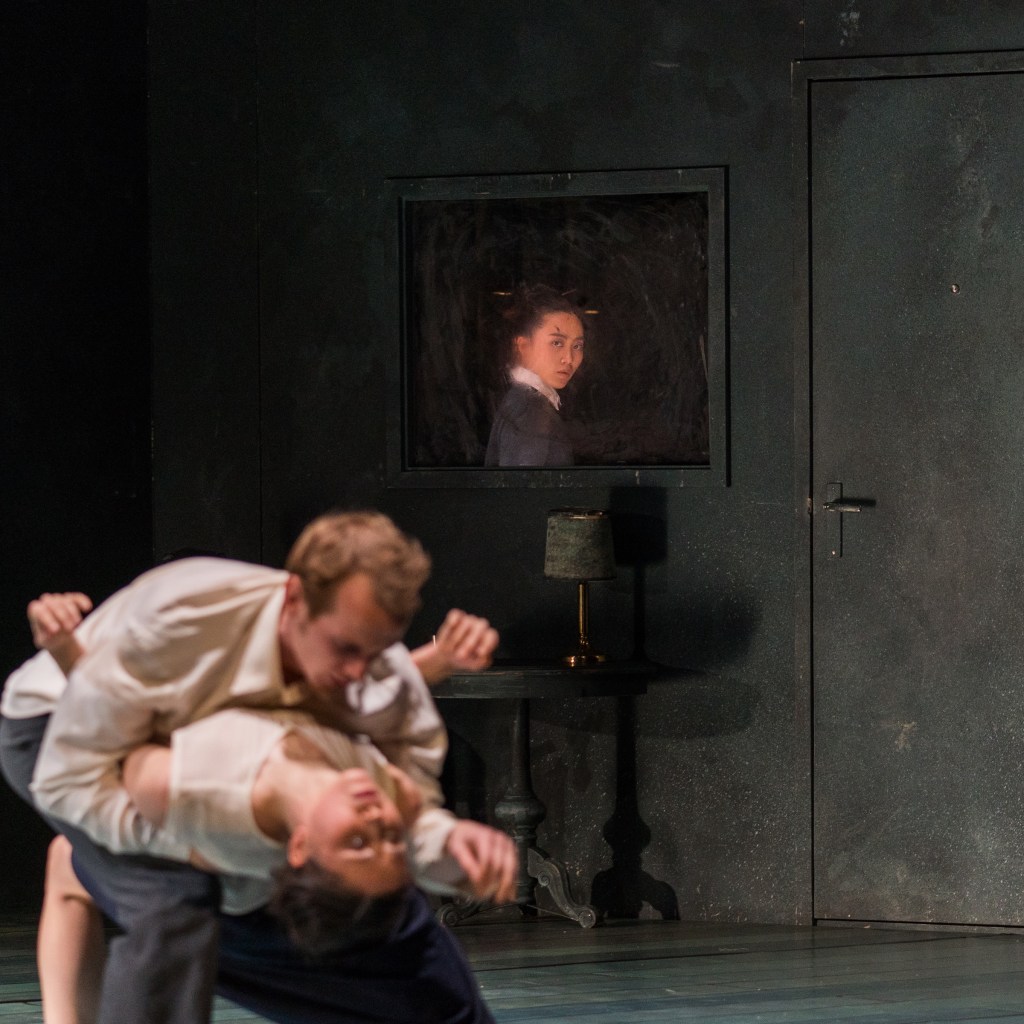
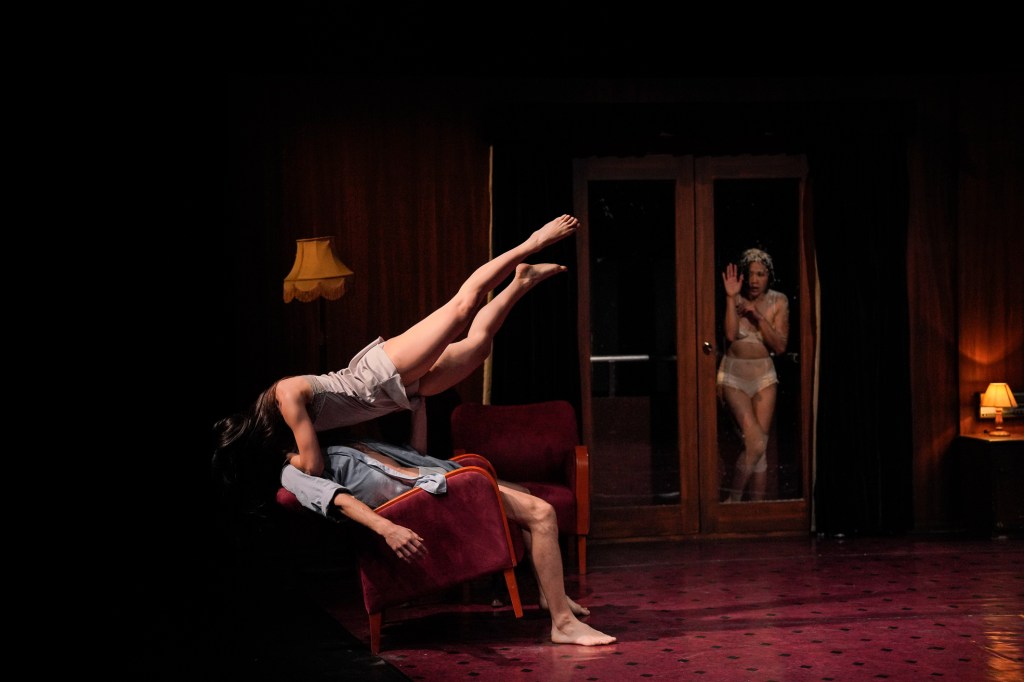
Think Black Mirror meets Twin Peaks, but live. Witness eight performers who twist and collapse in ways that’ll make your jaw drop. With set changes that unfold like
“LIVE FILM EDITING”
you’ll swear you’re inside a nightmare…in the best way. For a town obsessed with Lululemon yoga pants, green juice and waterfront views, this might be the wake-up call it never knew it needed. And hey, a little existential dread never hurt anyone, especially in a place that’s seen enough rain to appreciate a good storm, their dark whimsy fits right in.
Cinematic Theatre That Breaks the Fourth Wall
In an era of curated Instagram lives and performative positivity, Peeping Tom’s unflinching intimacy is uncomfertable and radical. Influenced by Belgian avant-garde legend Alain Platel—who taught them to let dancers “own their fragility”, this Belgian dance-theatre production company serves up two spine-tingling acts:
- The Missing Door: A hallway of locked doors where bodies bend like taffy and time unravels.
- The Lost Room: A ship’s cabin haunted by spectral lovers and secrets that breathe.
Elements of film noir and dark comedy, paired with an all-enveloping soundscape and foley effects, will transport us into a Lynchian world of shifting perceptions where space and time remain in constant flux.
So, why not lean into this weird dreamscape and jump right in..
🚪🔮
The Missing Door : A Labyrinth of Trapped Souls
The walls press in. The floor tilts. And every door you try?
Locked
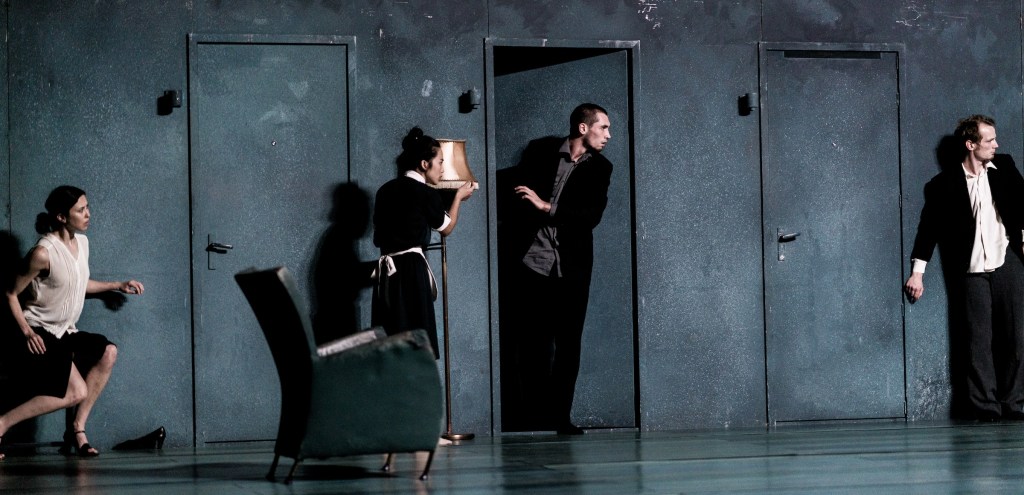
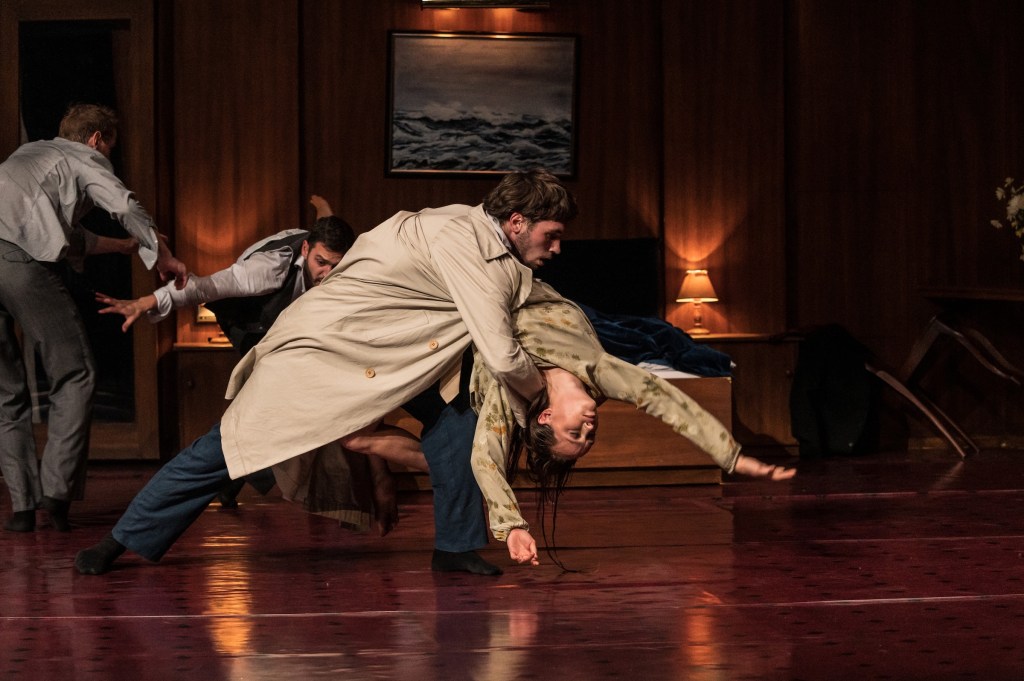
This act traps us in a banal yet hellish hallway. A maid scrubs at a bloodstain, a task as futile as Sisyphus’s rock; while a man sits frozen in his chair, his silent scream etched into his tendons. The doors here are merciless: they bend but never yield, revealing only more doors or glimpses of train passengers hurtling backward through time. The eight performers contort like figures in a Francis Bacon painting, their bodies defying logic to embody collapse. The soundscape; creaking hinges, thunderous rumbles, mirrors the instability of a mind unraveling
The Lost Room : A Cabin of Drowned Memories
Now we’re underwater. Not metaphorically. The ship has sunk.
Act two sinks you into a ship’s cabin post-disaster. A cabin becomes a tomb. A maid tucks sheets with robotic precision until a closet disgorges its contents: a tangle of bodies, alive but listless. The bed itself seems to breathe, rising and falling like a drowning lung. When the cabin door explodes open, the performers are hurled backward by an unseen force—a visceral metaphor for trauma’s aftershocks: stage lights swing into view, exposing the mechanics of illusion, while a half-naked maid presses against a porthole, her eyes accusing us of watching….
From Ballet Barres to Broken Taboos: The Architects of Unease
Peeping Tom’s work is a séance for the modern age. They’ve conjured gardens where bodies rot (Le Jardin), families where love curdles into horror (Vader/Moeder/Kind), and now, for us Vancouverites, a diptych of dread that’s equal parts Hitchcock and haunted Airbnb.
Meet Gabriela Carrizo and Franck Chartier, the mad scientists behind this mind-bending machine. Carrizo, born in Córdoba, Argentina, in 1970, began dancing at a multidisciplinary school at age 10, where she absorbed the raw physicality of tango and the theatricality of street performance. By 19, she was choreographing for the University of Ballet in Córdoba, but Europe’s experimental pull proved irresistible. She migrated to Brussels in 1994, joining Alain Platel’s Les Ballets C de la B, a collective redefining dance as a vehicle for social critique. There, she honed her knack for “zooming in on the invisible”—the tics, tremors, and half-suppressed screams that conventional performance glosses over.
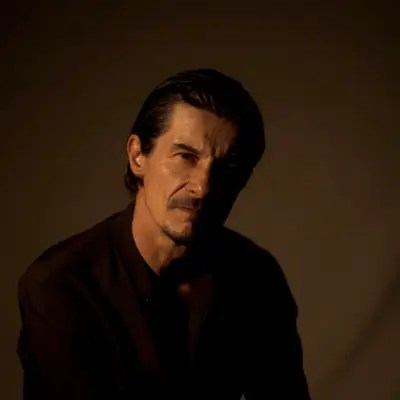

Franck Chartier, born in France in 1967, took a more tortuous route. Trained in classical ballet at Cannes’ prestigious Rosella Hightower Dance Center, he joined Maurice Béjart’s Ballet of the 20th Century at 19, only to grow disillusioned by its competitive glamour. “Dance is not this,” he realized, fleeing to work with Angelin Preljocaj and later Alain Platel, where he met Carrizo. Platel’s mantra:
“Let the dancers own their fragility“
became their north star.
Both their paths converged in the late 1990s within the crucible of Belgium’s avant-garde scene, but their roots stretch across continents and artistic rebellions.
Framing the company after Hitchcock’s voyeuristic villain, Chartier confesses:
“We watch people; how they eat, how they lie, how they inherit their parents’ ghosts. We collect these fragments and stitch them into nightmares.”
And boy, do they watch.
Since 2000, their Brussels-based troupe has weaponized dance into existential interrogations, leaving global audiences equal parts mesmerized and unnerved. They’ve racked up awards like us Vancouverites collect umbrellas: an Olivier for 32 rue Vandenbranden (a frozen trailer park saga that’d make the late great David Lynch nod approvingly), a FEDORA Prize for La Visita, a Patrons Circle Award at the International Arts Festival in Melbourne, as well as several selections for the Belgian and Dutch Theatre Festivals.
But what truly sets them apart?
Their unshakable belief that walls have ears, closets have skeletons (or whole bodies), and time is just a suggestion.
Their creative process begins not with steps, but with space. “We might not yet know who we are, but we know where we are,” Chartier explains. Their stages are meticulously designed traps: a decaying garden (Le Jardin), a frozen trailer park (32 rue Vandenbranden), a hallway of locked doors (The Missing Door) or a sunken cabin (The Lost Room).
Once the set is built, they inject sound. Collaborating with composers like Raphaëlle Latini, they layer creaking hinges and arrhythmic heartbeats to destabilize the audience.
Chartier, influenced by cinema’s immersive soundscapes, insists: “Sound is 75% of the horror,” he grins. “It’s not what you see—it’s what you can’t unhear.”
Then come the bodies. Peeping Tom auditions dancers who can “fold space with their limbs”, contortionists, acrobats, and classically trained rebels. For The Missing Door, they sifted through 600 applicants to find performers who could embody collapse. “We need artists who aren’t afraid to crack,” Carrizo says. Rehearsals are grueling, improvisational marathons where dancers mine personal traumas.
“We have no limits in the studio,” Chartier says, “but we protect their fragility. You can’t fake this kind of rupture.”
The Performers: Peeping Tom’s nightmare weavers
Let’s not forget about the performers. From breakdancing in Madrid’s streets to Brussels’ avant-garde trenches, these 8 bodies are the raw nerve endings of this haunting diptych.

Konan Dayot (°1990, Nantes, FR) is a percussive polymath—jazz drummer, contortionist, and a dancer who treats his body like a live film reel. Trained at Paris’s Conservatoire Supérieur and Juilliard, he’s the kind of artist who records albums in empty theaters (No Seat Reservation, 2023) and improvises rhythms in submarine bases. For Diptych, he bends time itself, his limbs unraveling like a Hitchcockian plot twist.
Fons Dhossche (°1999, Ghent, BE) grew up in Gob Squad’s surrealist playgrounds, where theater bled into dance. Now, he’s the eerie presence haunting The Lost Room’s sinking cabin; a performer who morphs from spectral lover to trauma’s aftershock with a flicker of his spine. His short film Silvermind? Consider it a teaser for the nightmares he’s bringing onstage.
Lauren Langlois (°1985, AU) is a virtuoso of collapse. A Helpmann-nominated rebel who traded Sydney Dance Company’s polish for Chunky Move’s raw physicality, she’s spent years dissecting the “Complexity of Belonging.” In The Missing Door, her silent screams etch themselves into the walls; a masterclass in how to crack elegantly.
Panos Malactos (°1994, Limassol, CY) studied ballet but rebelled into the avant-garde. Whether hurled across a ship’s cabin or folding himself into a Francis Bacon-esque tangle, his body is a living manifesto against glamour. His choreography? Think Greek tragedies reimagined by David Lynch.
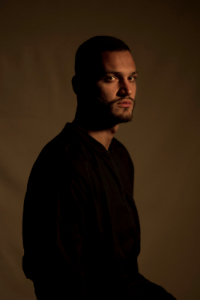
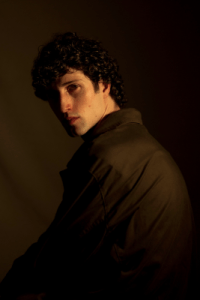
Alejandro Moya (°1993, Madrid, ES) began breakdancing on Madrid’s streets at 10. Now, he contorts Peeping Tom’s hallways with the same explosive precision that won him global battles. A “Fusion Rocker” in every sense, he’s the human equivalent of a locked door—mysterious, unyielding, and impossible to look away from.
Fanny Sage (Paris, FR) slinks between Chanel ads and existential dread. A muse for Stromae and Elton John’s music videos, she brings haute couture menace to The Lost Room, her robotic maid routines dissolving into raw, trembling vulnerability.
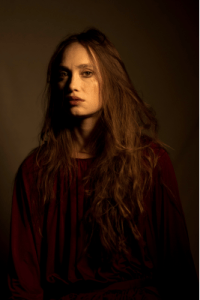
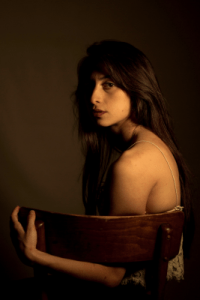
Eliana Stragapede (Brussels, BE) is a shapeshifter. Whether performing at the Paris Opera or co-creating award-winning works like AMAE, she stitches trauma into poetry. In Diptych, she’s the ghost in the ship’s closet—a reminder that skeletons don’t stay buried.
Wan-Lun Yu (°1990, Taichung, TW) merges Taichi’s grace with Black Mirror surrealism. A collaborator with Hofesh Shechter and Gerard&Kelly, her body is a “Tableau Vivant” of fractured realities. In The Missing Door, she’s the passenger hurtling backward through time—eyes wide, limbs defying physics.
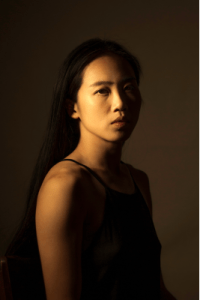
Photo credits: © Virginia Rota
Practicalities: How to Survive the Experience
Final Warning Jaysuits! This isn’t escapism. It’s an exorcism. It’s also a mirror. When dancers collapse inches from your face, or a door slams sync with your heartbeat, anonymity shatters. The silent screams, the doors we barricade in our minds. You’ll leave side-eyeing strangers on the SkyTrain (yes, the Playhouse’s located right next to one), wondering what doors they’re hiding, and maybe, just maybe, that’s the catharsis we’ve earned.
📅Dates:
April 24–26, 2025 at 8:00 PM (Post-show social on Friday night; therapy not included).
🎭 Pro Tips:
- Pre-Show Talks: 7:15 PM nightly. Learn how they engineer nightmares.
- Post-Show Social: Friday, April 25. Debrief over wine (strongly advised).
🎟️ Tickets:
From $35 (cheaper than a Gastown cocktail, more potent).
Grab tickets at dancehouse.ca or call 604.801.6225. Loose socks recommended.
📍 Venue:
Vancouver Playhouse (600 Hamilton St); where the walls will feel closer than your last studio apartment.
For more updates and to follow my adventures, connect with me on:


Make a one-time donation
Make a monthly donation
Make a yearly donation
Choose an amount
Or enter a custom amount
Your contribution is appreciated and serves my coffee addiction.
Your contribution is appreciated.
Your contribution is appreciated.
DonateDonate monthlyDonate yearly

Peeping Tom is supported by the Flemish Authorities.
Diptych: The missing door and The lost room was created with the support of the Tax Shelter of the Belgian Federal Government
© Copyright DanceHouse/Seismic Shift Arts Society. All Rights Reserved