


“Tutus Optional
👯
Revolution Mandatory”
What if I told you Vancouver’s ballet scene has always been a little unruly? Jaysuits, this city’s dance floors aren’t paved with tradition (as you’ve faithfully witnessed during our festival crusades); they’re stitched together by the restless feet of choreographers who’d rather remix the rules than repeat them.
So it’s only fitting that Joshua Beamish, Vancouver’s own boundary-blurrer, is back to throw a 20th anniversary bash for MOVETHECOMPANY (the dance company he founded at the age of 17….SEVENTEEN!) this May 29 & 30th at the Playhouse. The celebration promises to be part homecoming, part high-voltage dare:
Five works
One stage
A cast stacked with North America’s finest.
It’s the next chapter in our city’s ongoing love affair with reinvention and the thrill of watching ballet leap into the unknown.
Ready to dive deeper?
Scroll on; for a Jaysuit approved Cheat Sheet to help you navigate the heart of this blockbuster gala. An in-depth look into Joshua’s and the company’s alchemy, what this anniversary means for dance in Vancouver and the performers bringing this magic to life.
Before we meet the anarchists, and surf-rock performers bringing these worlds to life, let’s decode the five works that’ll rewrite Vancouver’s dance DNA. Consider this your cheat sheet to the revolution, a backstage pass to Beamish’s 20-year game of choreographic truth or dare.
🌎Five Works, Five Worlds🌎
The Jaysuit Cheat Sheet:
Step into the Playhouse this May and you step into a living time capsule; a kinetic scrapbook where two decades of Joshua Beamish’s imagination unfurl in five distinct chapters. Each piece (Trap Door Party, Lollapalooza, Marcato, Stay, and Endless Summer), handpicked for this anniversary, is a passport to a different corner of Beamish’s creative universe: from dystopian wit to sunlit nostalgia, from ensemble power plays to the hush of a duet.
“I tried to focus on work that would offer Vancouver audiences unique viewing experiences,”
-Joshua Beamish
It’s a rare convergence. A chance to see how one artist’s vision has rippled out. Reshaping our city’s ballet landscape by drawing a constellation of North America’s finest dancers into its orbit and opeining up a portal into a distinct choreographic universe; stitching together classical rigor with Vancouver’s irreverent avant-guarde spirit.
Trap Door Party
The curtain rises on a Vancouver homecoming, opening the evening with a work that established Beamish’s reputation for disrupting expectations. Trap Door Party returns to its roots for the first time since 2010, led by original cast member Amber Barton; a name that resonates in this city like few others, a local icon whose career spans Ballet BC and experimental collectives.
Created in 2007, this work marked Beamish as “one of Canada’s most promising choreographers” (The Globe and Mail), and it still pulses with the electricity of its first unveiling. Here, conformity becomes choreography, and the stage promises to be a dynamite with the energy of Ariana Barr, Juan Duarte, Justin Rapaport, Calder White, and Kirsten Wicklund. For Beamish, this piece is a touchstone; a reminder of the company’s early leaps onto international stages and the restless ambition that still drives its heart.
Lollapalooza
From dystopia to dynamism, Lollapalooza bursts onto the scene with the jazz-infused tonality of John Adams. Originally created for The National Ballet of Canada’s Mad Hot Gala, this ballet is a high-voltage tribute to the athleticism and bravado of classical form, reimagined for the 21st century.
“We very rarely get to see ballet in Vancouver. We very rarely see professional-caliber ballet outside of The Nutcracker… So it really felt like an opportunity to bring in some of the best ballet dancers in the world to perform and to share their performances with Vancouver.”

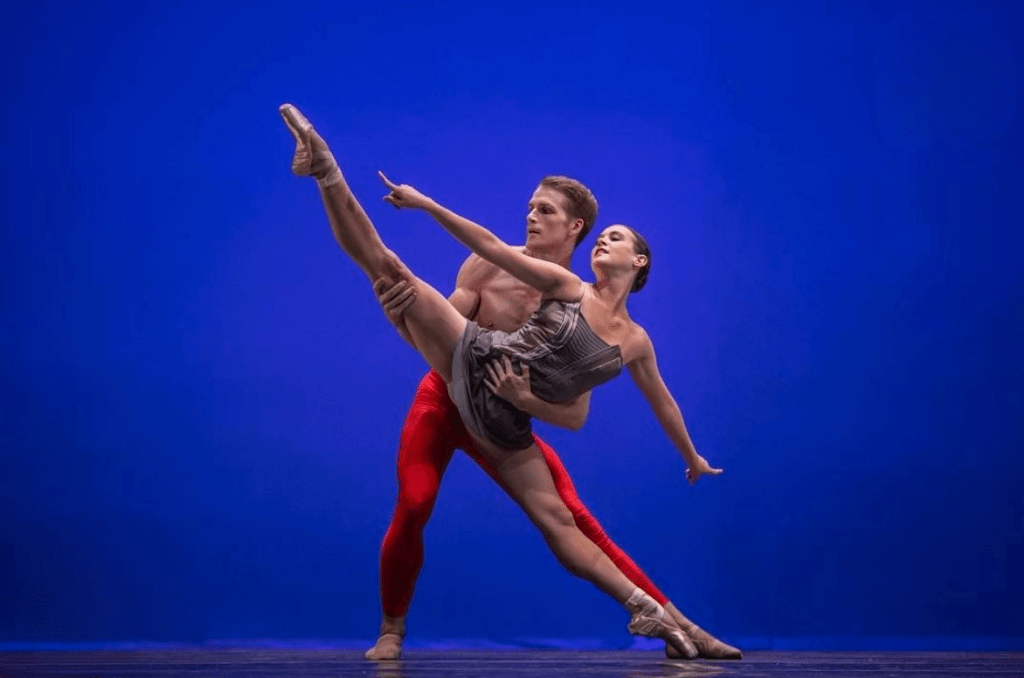
The Vancouver premiere will feature Patron Award of Merit winner Harrison James (Principal Dancer, The National Ballet of Canada and San Francisco Ballet) and Frances Chung (Principal Dancer, San Francisco Ballet), returning home to the city and the Goh Ballet Academy that shaped her beginnings.
Marcato
With Marcato, the stage becomes a crucible for shifting alliances and masculine energy. Created for New York’s Joyce Soho Theatre, this work explores the power dynamics of five men, their relationships thrown into flux by the arrival of an outsider. The New Yorker called it “sharp articulation, accents that hit and run,” and for this gala, the cast; Julian Hunt, Jordan Lang, Diego Ramalho, Duarte, and Rapaport-brings together artists from Vancouver, Edmonton, and beyond. Here, Beamish’s curiosity about group identity and transformation promises to find its purest expression, echoing the city’s own restless search for belonging.
STAY

A change of pace, a deepening of mood. STAY is Beamish’s “sensual, meditative” duet (The New York Times), a ballet that pares movement down to its emotional core. Originally commissioned for Dancers Responding to AIDS’ Fire Island Dance Festival, this piece follows the uncertain future of a relationship suspended in space and time. Harrison James and Stephanie Petersen (who originated the role with MOVETHECOMPANY in 2015) will bring a rare intimacy to the stage-a quiet, magnetic gravity that invites us Vancouverites a chance to linger in the space between connection and parting.
Endless Summer

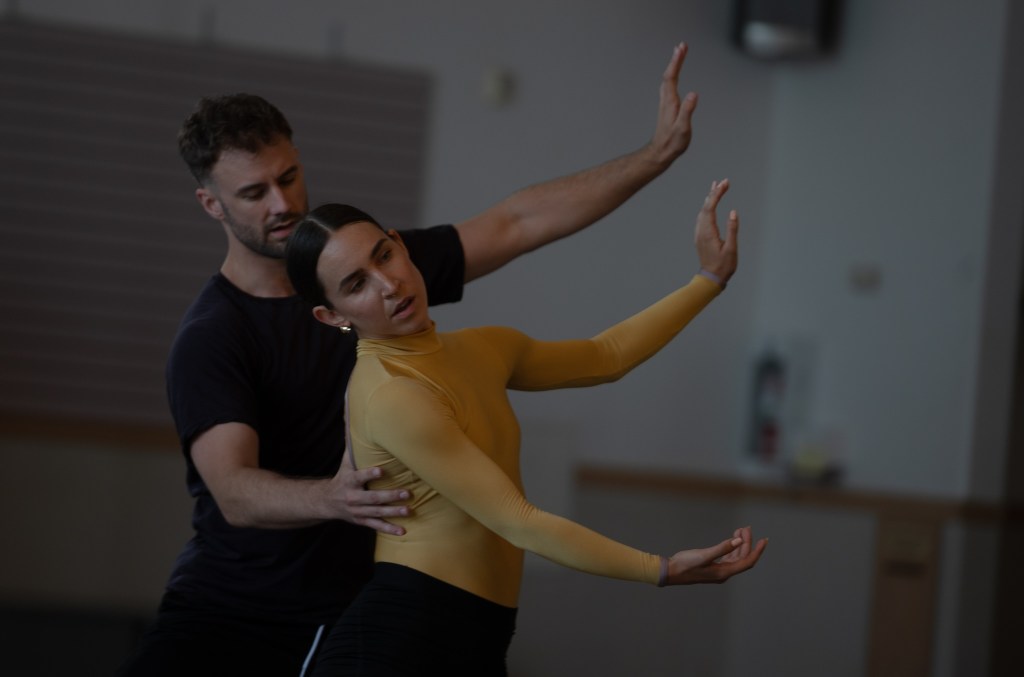
As the evening draws to a close, the finale, Endless Summer, promises to wash over the Playhouse like the upcoming memory of Vancouver’s summer. Set to the harmonies of The Beach Boys, this ballet celebrates the golden haze of summer while gradually revealing the deeper desires beneath peace, love, and rock ‘n’ roll. “One of the ballets is to music by the Beach Boys… we don’t see ballets in those contexts on pointe,” Joshua says, highlighting the rarity of this Vancouver premiere. Debuting in New York, the work has been newly reimagined for a larger ensemble, specially for us Vancouverites, bringing together Barr, Duarte, Hunt, James, Lang, Petersen, Ramalho, Rapaport, Wicklund, Paula Cobo Botello, and Kyra Soo; a cast that embodies the reach and resonance of Beamish’s and his company’s vision.
In assembling these five works, Joshua offers us Vancouverites a celebration that is both retrospective and forward-looking. This is an invitation to witness not just the evolution of a company, but the ongoing reinvention of ballet itself, right here on the city’s own doorstep.
🩰 How Vancouver’s Ballet Scene Embraced a Contemporary Vision 🩰


Alrighty Jaysuits, before we leap back into the pas de deuxs and grand jetés of the wizards behind all this, let’s zoom out for a hot second and explore how this Land of Oz shaped that creative spirit.
Vancouver’s ballet history reads less like a genteel progression and more like a series of carefully orchestrated uprisings. The city’s dance identity emerged not through gradual refinement, but through decisive breaks with convention, each generation of artists dismantling and rebuilding the art form in their own image.
The shift didn’t happen overnight. As I’ll break it down in detail below, after Ballet BC—lit the fuse in the 80s, tossing out the rulebook with raw, emotionally charged works, the city forged a ballet identity that mirrored the West Coast rebellion.
Enter:
“CONTEMPORARY BALLET“
The genre-bending lovechild of classical rigor and modern dance that incorporated acting and complex plots to open up new expressive possibilites; unlike neoclassical ballet, which typically focused on just abstract movement
With the rise of independent choreographic voices, like Crystal Pite; Vancouver’s own dance-world sorceress, whose works like The Stolen Show and later on Emergence (a pulsing, insect-inspired epic) blew open the global stage.
Contemporary works like Fugaz; a piece by Ballet BC’s former resident choreographer Cayetano Soto, invited visceral connection. Soto’s exploration of grief and survival, inspired by his father’s illness, becomes a mirror for viewers’ own struggles.
While Pite was deconstructing ballet’s grammar, another Ballet BC alum; Wen Wei Wang, was writing new syntax. His works like Dialogue (2008) forced classical lines to speak in Vancouver’s hybrid tongue, a piece that made the Dance Centre stage tremble with its exploration of cultural dislocation.
More recently, Le Patin Libre’s M U R M U R A T I O N (that hypnotic ice-skating guerrilla performance we all lost our minds over last winter) proved Vancouver’s appetite for kinetic rule-breaking extends far beyond the proscenium.
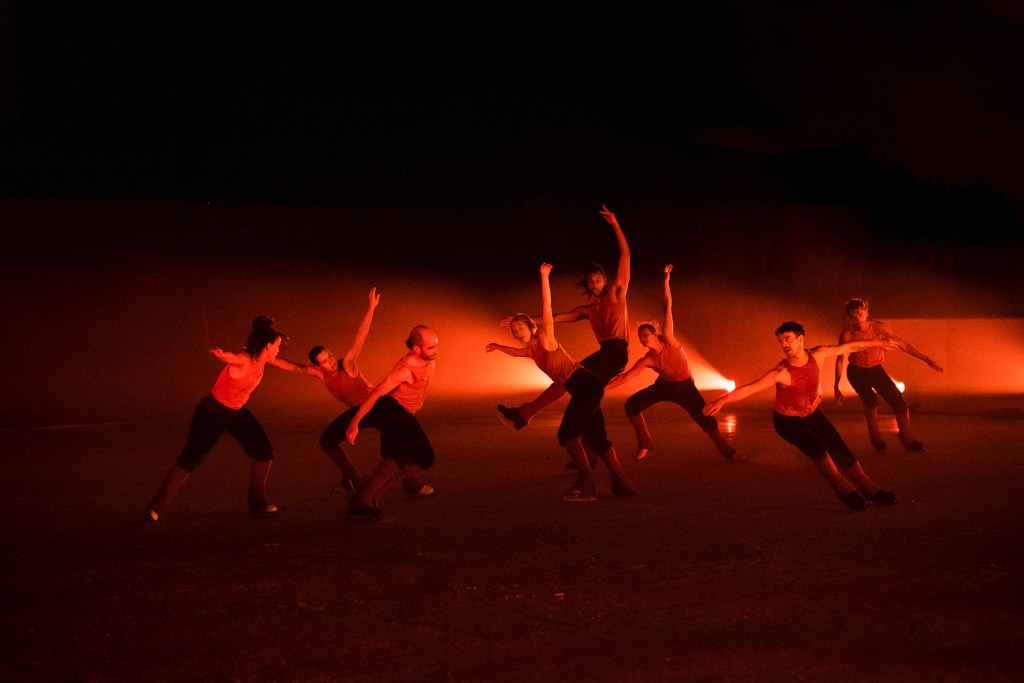

Vancouver’s ballet scene as of now, exists in perpetual tension between preservation and rebellion. The upcoming gala serves as both celebration and provocation, featuring works that encapsulate this duality. Lollapalooza’s marriage of John Adams’ modernist score with classical bravura, Endless Summer’s alchemical fusion of Beach Boys nostalgia and pointe work, Marcato’s interrogation of masculine dynamics – these pieces collectively articulate Vancouver’s unique position in the ballet world. They demonstrate how the city has not merely adopted contemporary ballet, but fundamentally reconceived what ballet can be.
This is the soil that mourishes MOVETHECOMPANY
The Early Years (1970s-1986)
And the roots begins in earnest during the late 1970s; when Vancouver’s cultural landscape remained stubbornly resistant to classical dance. While Toronto and Montreal maintained robust ballet institutions, the West Coast lacked a professional company until Ballet BC’s controversial 1986 founding. Under David Y.H. Lui’s direction, the company immediately established itself as an iconoclast, programming works that paired classical ballet works with avant-garde experimentation.
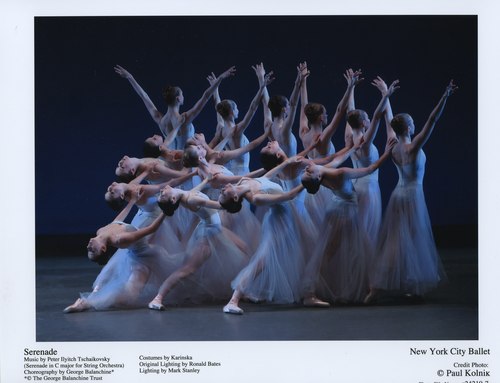
This programming became a study in deliberate contrasts. One night might feature Balanchine’s “Serenade”; its pristine lines and Tchaikovsky score embodying classical ideals, followed the next by works like Jean Grand-Maître’s “Black and White“, a stark, angular piece set to Arvo Pärt (specifically set to Pärt’s “Fratres” for strings and percussion) that treated dancers like moving sculptures.
The 1990s Evolution:
The 1990s saw the company double down on this duality. John Alleyne’s “Time Out” (1995) fused ballet’s expansive port de bras with the rhythmic urgency of jazz, while Constance Cooke’s “The Woman There” (1997) deconstructed gender roles through a feminist lens, its pointe work alternating between delicate and deliberately discordant. These works created an environment where young dancers like Crystal Pite; who joined Ballet BC in 1988, could hone classical technique while absorbing avant-garde sensibilities.
The Pite Era (Late 1990s-Early 2000s):
As such, the early aughts witnessed a seismic shift as several Ballet BC alumni began reshaping the national dance landscape. Pite, after dancing with the company for eight years, returned to Vancouver and began creating works that deconstructed ballet’s vocabulary with surgical precision. Her early pieces, such as “The Stolen Show” (2002), demonstrated how classical technique could serve narratives of psychological complexity rather than fairy tale fantasies. Brought to life as one of her first major commissions, this work married ballet’s athleticism with theatrical noir, its dancers alternating between crystalline arabesques and convulsive floor work to explore performance anxiety and identity.
Parallel Developments:
Meanwhile, the rise of EDAM (Experimental Dance and Music) under Peter Bingham provided an incubator for contact improvisation and postmodern experimentation that would eventually bleed into ballet aesthetics, creating a generation of dancers equally fluent in pirouettes and pedestrian movement.
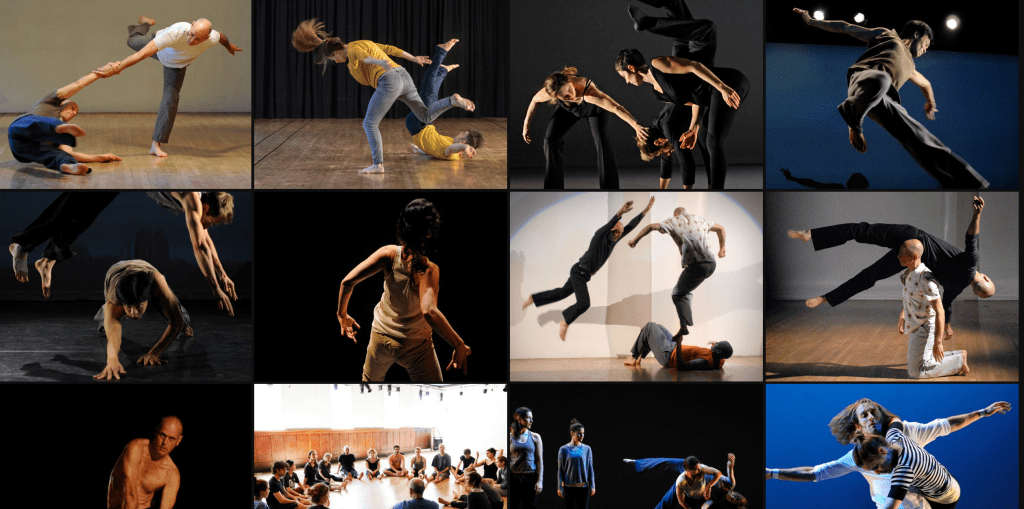
The 2008 Crisis & Rebirth:
The new millennium also brought both crisis and transformation. Ballet BC’s near-collapse in 2008 and subsequent rebirth under Emily Molnar’s artistic directorship marked a definitive turn toward “contemporary ballet”. Molnar, a former Frankfurt Ballet dancer, implemented a radical new vision that privileged collaborative creation and hybrid movement styles. Works like Medhi Walerski’s Petite Cérémonie (2011) (where dancers in formalwear manipulated chairs into surreal architectures)
and Sharon Eyal’s Bill (2010) exemplified this spirit; investigating collective versus individual identity through robotic solos that transition into raw, primeval movements and complex group formations. Where dancers performed in pale bodysuits with matching hair, creating an otherworldly aesthetic as they moved with gut-instinct, Gaga-inspired technique pushing physical boundaries to hypnotic electronic beats by Ori Lichtik.
Independent Scene Growth:
During this same period, independent choreographers like Justine A. Chambers and Vanessa Goodman were dismantling ballet’s hierarchies through interdisciplinary works that incorporated text, visual art, and digital media. Meanwhile, independent companies like Kidd Pivot (Pite’s company) and The 605 Collective were proving Vancouver’s studios bred a new kind of dancer: one as comfortable in a Swan Lake corps as in a site-specific, politically charged improvisation.
The training pipelines tell their own story. Institutions like Goh Ballet Academy and Arts Umbrella produced dancers equally conversant in Bournonville and Bausch, while programs like Modus Operandi cultivated artists who treated ballet technique as raw material for deconstruction. This educational ecosystem yielded performers like Amber Barton, whose career seamlessly transitioned from the Ballet BC Mentor Program as a trainee, to experimental collective The Response, and Kirsten Wicklund, whose choreographic work for Ballet Edmonton continues Vancouver’s tradition of melding technical precision with emotional immediacy.
Beamish’s emergence in this environment seems inevitable in retrospect. Subsequent collaborations with Ballet BC dancers and international artists created a feedback loop between institutional and independent scenes, accelerating Vancouver’s reputation as a hub for ballet innovation
📊 The Choreographer’s Calculus📊
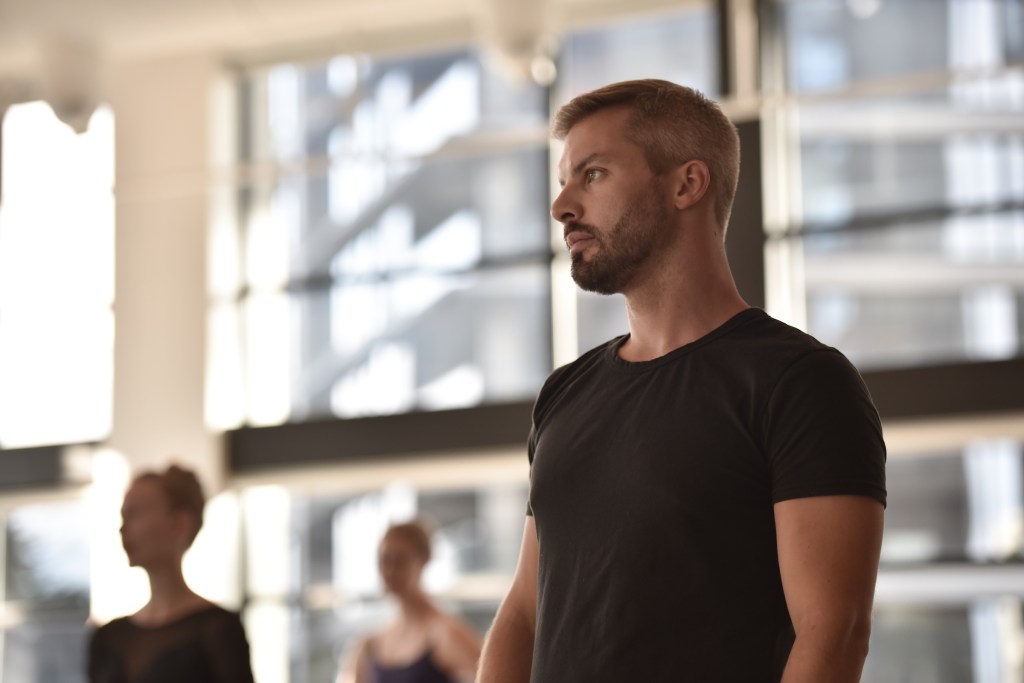
A kid from Kelowna, a 17-year-old with no smartphone, no algorithm feeding him global dance trends, just a head full of ideas too big for the Okanagan’s sleepy arts scene. “I didn’t know what was out there,” Joshua admits, and that ignorance became his superpower. By 2005, he’d landed here in Vancouver, teeming with creatives who treated “tradition” like a dare. Here, as i mentioned earlier, Ballet BC was already rewriting classical vocabularies, and Crystal Pite was stitching ballet with Butoh.
Beamish’s choreography similarly refused to be boxed by tradition. Take Trap Door Party, the 2007 work that kicks off this anniversary gala; exposed the form’s latent potential for social commentary and dystopian satire. Created when Joshua was 19, it’s a dystopian romp where conformity becomes choreography, with the raw energy only an artist raised on Vancouver’s DIY ethos could conjure. “I tried to focus on work that would offer audiences here something they don’t usually get to see,” he says—a mantra equal parts promise and middle finger to complacency. The piece became the company’s calling card, touring from New York to Shanghai, but its DNA is pure Vancouver: scrappy, unapologetic, allergic to polish for polish’s sake.
Pieces like Marcato, reflect Vancouver’s own identity as a city of outsiders and reinvention. Premiered in New York in 2011, the work now feels urgently local, its themes echoing the region’s cultural negotiations. Five men, their hierarchies upended by an outsider? That’s this city in a nutshell: a mosaic of transplants and locals, forever negotiating who belongs.
Meanwhile, Endless Summer recontextualizes The Beach Boys’ nostalgia, layering balletic grace atop surf-rock rhythms to reveal hidden longing. A move echoing Vancouver’s habit of remixing the familiar (see: Japadog, punk covers of Joni Mitchell). And John Adams’ Lollapalooza, with its jazz-infused chaos is the sound of a city where classical forms crash into streetwise edge, where the Dance Centre’s studios sit a stone’s throw from East Hastings’ grit.
His Stay, a duet praised by The New York Times as “sensual, meditative,” strips ballet to its emotional core. “Intimacy allows audiences to project their own stories onto the dance,” Beamish notes, emphasizing the genre’s power to invite personal interpretation.
What distinguishes Joshua’s and in-turn Vancouver’s interpretation, is its willingness to treat ballet not as sacred text, but as living language, one that constantly absorbs new vocabulary while retaining its essential grammar. Beamish’s two-decade journey with MOVETHECOMPANY stands as both product and perpetuator of this ongoing conversation, crystallizing the generational shift that was already underway.
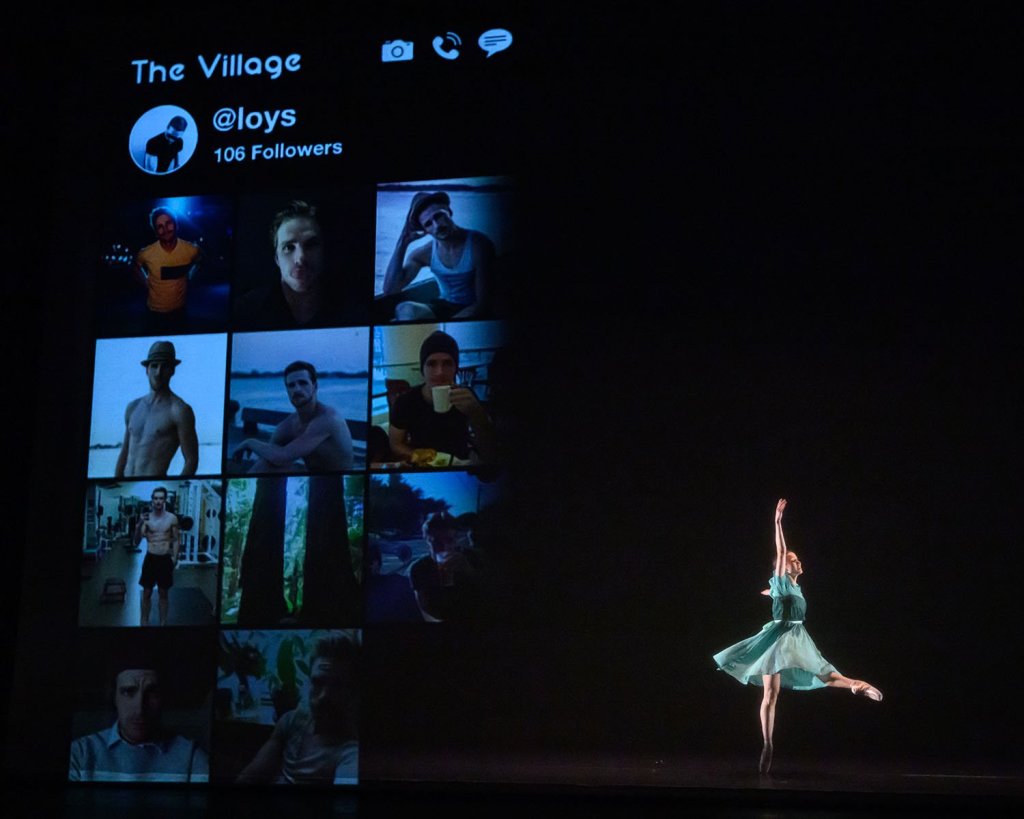
Beamish further embraced this language of contemporary ballet by reimagining classic works such as @giselle for modern audiences; a technological tour-de-force that transplanted the romantic ballet into the digital age.
Through motion-capture projections and bold visual effects, Beamish reimagined Giselle’s tragedy through the lens of social media obsession, transforming wilis into digital ghosts and the peasant pas de deux into a swipe-right courtship. The production became a case study in how to balance radical innovation with accessibility – a tightrope Vancouver artists know well.

After a 2011 grant rejection nearly shuttered the company, Joshua recalibrated, prioritizing educational outreach and diversifying revenue streams. “Survival demands adaptability,” he says, a lesson mirrored in our local arts scene at large.
The pandemic further tested this resilience when @giselle, lost its tour to lockdowns. Joshua didn’t mourn, he retooled. “We had to reformat our understanding of how to move forward,” he says, and isn’t that Vancouver’s unofficial motto?
But let’s not romanticize. Floods, fires, unaffordable studios. These challenges reflect this city’s larger artistic reality, where creation happens despite, not because of material conditions. The recent losses of the Beaumont Studios and The Warehouse performance spaces we explored recently; underscore the precariousness facing artists in an increasingly unaffordable city.


I believe that this city itself plays a role in shaping this languange. Vancouver’s blend of natural grandeur and urban grit, think mountains framing glass towers, studios nestled beside dive bars, fuels artists who thrive on contrast. Their technical mastery; honed through classical rigor, merges seamlessly with contemporary daring.
This dual identity; technical excellence paired with contemporary daring, has been a staple West Coast signature. Dancers like Frances Chung and Harrison James, exemplify this duality. Chung, now a principal at San Francisco Ballet, returns for the gala, her performances a bridge between Vancouver’s roots and its global ambitions. While these stars shine bright, they’re just two constellations in a much larger galaxy of talent about to explode across the Playhouse stage.
Ready to meet them in motion? Jeté ahead.
👯A Cross-Continental Ballet Ensemble👯
As obvious as this statement may be, the true spirit of this anniversary lives in the gathering of its performers. A rare convergence of artists; homegrown legends, international stars, and the next generation, whose careers have stretched from Vancouver’s studios to the world’s great stages. Now, for two nights, return home
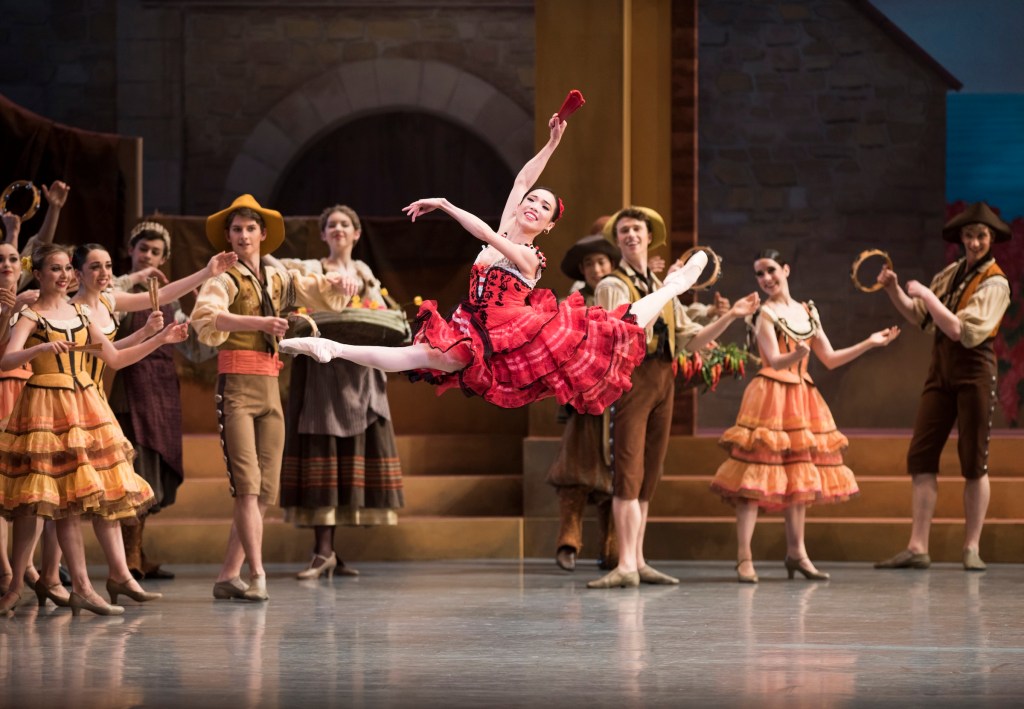
Frances Chung: The Homegrown Principal Who Dances the World

If Vancouver had a dance hall of fame, Frances would be on the wall; framed in gold, probably mid-pirouette. Raised at the Goh Ballet Academy, she’s now the Herbert Family Principal Dancer at San Francisco Ballet (no big deal, right?). Whether she’s channeling Odette/Odile in Swan Lake or diving into a world premiere, Frances brings a blend of technical wizardry and emotional depth that makes you forget you’re watching “just” ballet. For her, this night is a homecoming, a love letter to the city that shaped her.
Harrison James: Kiwi Wings Soaring Through Ballet’s Stratosphere

Then there’s Harrison James, New Zealand-born dancer who trained at San Francisco Ballet School’s Trainee Program and the New Zealand School of Dance before his career took flight. His artistic journey has swept him from Canada’s Royal Winnipeg Ballet and Béjart Ballet Lausanne to his current position as a principal with The National Ballet of Canada, where he joined as Corps de Ballet in 2013 and rocketed to Principal Dancer by 2016. His career has taken him from the dramatic intensity of Albrecht in Giselle to the celestial rigor of Balanchine’s Apollo, with stops at prestigious stages around the globe.
Most recently making his debut as Basilio in Carlos Acosta’s North American premiere of Don Quixote, this refined dancer with a sensitivity to character and drama has dazzled audiences in lead roles from Siegfried in Karen Kain’s Swan Lake to Romeo in Romeo and Juliet. Critics hail him as one of ballet’s most compelling storytellers, a reputation cemented by his award-winning performances as Alexei Vronsky in Anna Karenina and Oberon in The Dream – accomplishments recognized with the 2023 David Tory Award, the 2019 Rolex Dancers First Award, and the 2015 Patron Award of Merit.
Amber Barton: The OG, The Anchor, The Legend

A living archive of Vancouver’s dance scene. Original cast member of Trap Door Party, founding force behind The Response, and a performer who brings raw honesty to everything she does. Her 24-year career spans avant-garde collaborations with Dana Gingras, experimental theatre in King Arthur’s Night, and choreographic works that have graced stages from Seattle to New York. In Beamish’s dystopian satire, Barton’s raw physicality and unflinching presence will anchor the chaos, embodying Vancouver’s legacy of artists who blur the lines between dance and defiance.
Stephanie Petersen: The Shape-Shifter

Stephanie Petersen is the dancer who can do it all-classical, contemporary, and everything in between. A performer whose career glides between American Ballet Theatre’s classical heights and Twyla Tharp’s modernist edge, brings a lifetime of reinvention to Stay. Fresh from performing Tharp’s Sinatra Suite in New York, her partnership with James promises to unfold as a dialogue of tension and tenderness, honed through roles like Myrta in Giselle and Christopher Wheeldon’s After the Rain.
Ariana Barr: The Wild Card

Ballet Edmonton’s magnetic enigma, trained at the Pacific Dance Centre; Barr’s collaborations with choreographers like Andrea Peña and Ballet Edmonton’s Wen Wei Wang have sculpted a style that marries ferocity with introspection. In the Beach Boys-inspired ballet (Endless Summer), her grounded athleticism will contrast the sunlit melodies, offering what looks to be a study in contrasts; a dancer who thrives in the space between joy and melancholy.
Juan Duarte: The Powerhouse
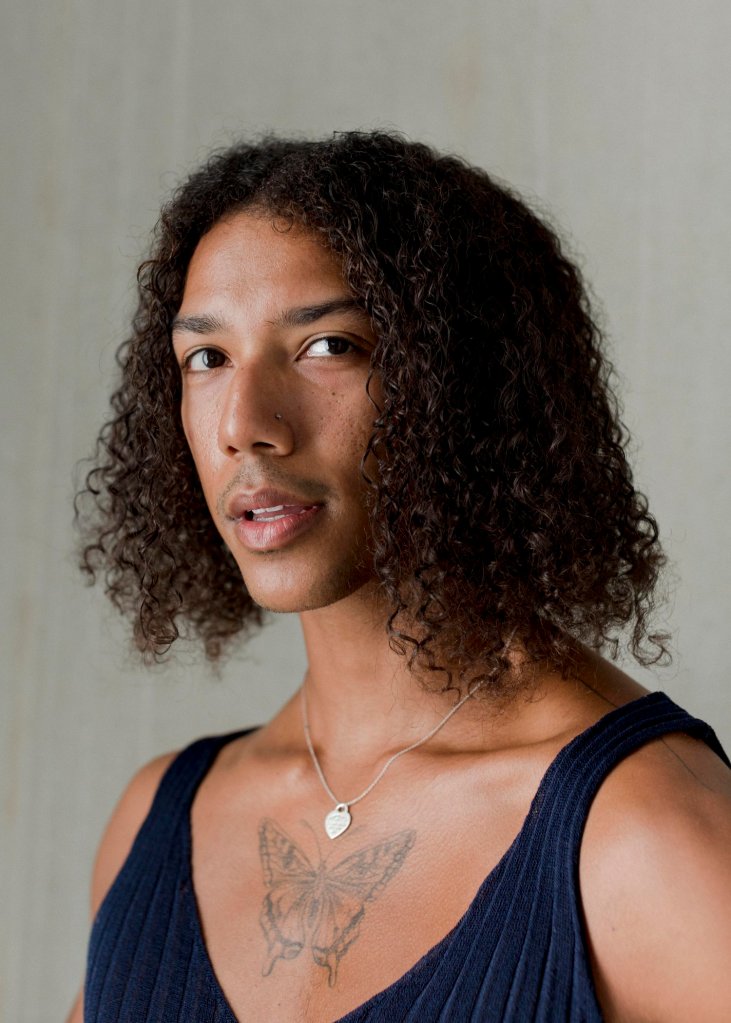
Brazilian-born Juan Duarte, a Bolshoi Ballet School graduate, channels global influences into every performance. Since arriving in Vancouver in 2015, they/he have honed their craft with Lamondance, Arts Umbrella, and Ballet BC, dancing works by Crystal Pite, Sharon Eyal, and Medhi Walerski. A collaborator with Lesley Telford and our very own Joshua Beamish, Duarte’s aerial daring (developed with Corporeal Imago) and emotional depth shine in tours like Saudade (Europe, Quebec) and Beamish’s Source Amnesia. Offstage, their/his advocacy for LGBTQ+ visibility and standout performances (Sziget Festival, sharing stages with Billie Eilish) underscores a commitment to redefining ballet’s boundaries. In Marcato and Endless Summer, expect flamenco-fueled athleticism and a celebration of diversity, something us Jaysuits know well.
Justin Rapaport: The Next Gen
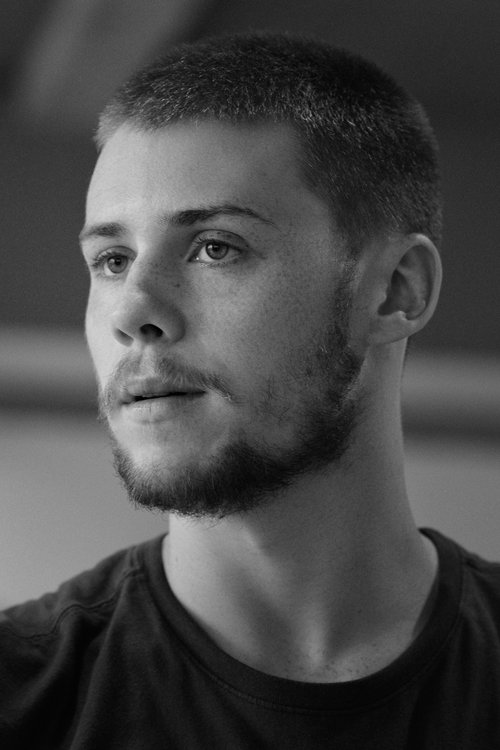
Miami-born Justin Rapaport (he/him) began dancing at age 8, later honing his craft at New World School of the Arts and The Juilliard School, where he earned a BFA. At Juilliard, he performed works by Jiří Kylián, Twyla Tharp, and Kyle Abraham, and guest-starred with BRIAN BROOKS/MOVING COMPANY. A six-year Ballet BC veteran under Emily Molnar and Medhi Walerski, Rapaport tackled solos and leads in pieces by Crystal Pite, William Forsythe, Sharon Eyal, and Ohad Naharin.
Beyond performance, his choreographic work Passing By (2021)—created with Evan Rapaport and Rae Srivastava—earned the Danish Dance Theater Award and a spot in Copenhagen International Choreography Competition’s finals. A former violinist of 10 years, Rapaport balances stage intensity with outdoor passions: biking, hiking, and the occasional decadent donut. In Marcato and Endless Summer, expect a blend of technical precision and creative daring from an artist redefining ballet’s boundaries.
Calder White: The Quiet Storm

White’s an artist who merges technical rigor with creative exploration. A Canadian Contemporary Dance Theatre alum and Ohio State University BFA graduate, he has originated roles for Shay Kuebler, Beamish, and Wen Wei Wang. His choreography often delves into memory and the interplay between movement and self-image, often staged in unconventional spaces to amplify audience intimacy.
A floorwork virtuoso and teacher to boot, White’s workshops dissect pathways into and out of the floor, while his personal practice oscillates between careful technique & improvisation. Awarded the 2022 Hnatyshyn Foundation’s Ukraine – Heritage, Spirit, and Future prize for Exceptional Talent, he balances nomadic life between Ottawa and Vancouver, driven by curiosity, community connection, and a mission to demystify dance for non-dancers. In Trap Door Party and Endless Summer, expect quiet intensity and avant-garde daring.
Kirsten Wicklund: The Visionary Architect

A luminary of Vancouver’s dance scene, she ascended to Artistic Director of Ballet Edmonton in 2024, cementing her role as a bridge between tradition and innovation. Trained at Goh Ballet Academy, Modus Operandi, and institutions like American Ballet Theatre and Pacific Northwest Ballet, her career spans elite stages: from Ballet BC (2014–2021), where she collaborated with Emily Molnar, Medhi Walerski, and Crystal Pite, to Opera Ballet Vlaanderen choreographing FIELD, dancing works by Pina Bausch, Sharon Eyal, and Akram Khan.
As a choreographer, her voice resonates globally. Tu me manques, created for Dutch National Ballet’s Junior Company, embarked on a 20-show Dutch tour in 2024, while her Ballet Edmonton premiere underscores her knack for emotional storytelling. A finalist at the International Choreographic Competition Hannover (2021) for Overcast, Wicklund’s works fuse technical precision with raw humanity, showcased in commissions for New York City Ballet’s Choreographic Institute, Dancing on the Edge, and MOVETHECOMPANY.
A 200-hour E-RYT certified yoga teacher, Wicklund infuses her leadership with holistic movement philosophy, teaching workshops across North America and Europe. At Ballet Edmonton, she champions “bold, risk-taking contemporary ballet,” inheriting Wen Wei Wang’s legacy while carving her own.
With her dual role as dancer and visionary leader, expect her to command attention as she embodies the Trap Door Party’s critique of conformity.
Julian Hunt: The Fresh Perspective

A relatively late bloomer who discovered dance at 16 in Terrace, BC, Hunt brings raw versatility to Vancouver’s stages. Since joining Modus Operandi in 2020 under Tiffany Tregarthen and David Raymond, he has immersed himself in works by Crystal Pite, Out Innerspace Dance Theatre, and of course, MOVETHECOMPANY, while mastering techniques from Yin Yue’s fusion style to Shay Kuebler’s athleticism. By day, Hunt dissects contemporary narratives; by night, he grooves with Northside, the award-winning hip hop crew led by Adrian Vendiola and Kelvin Tu. This duality; balancing Modus Operandi’s avant-garde rigor with hip hop’s streetwise pulse, promises to be the fuel that ignites his performance in Marcato.
Jordan Lang: The Collaborator

A Long Island native who turned ADHD-driven energy into dance transcendence, epitomizes resilience and reinvention. From childhood performances at soup kitchens to dominating competition stages, Lang’s journey—self-taught via YouTube tutorials and relentless discipline, led him to Marymount Manhattan College on a NYC Dance Alliance scholarship. At Ballet BC (2019–2021), under Emily Molnar and Medhi Walerski, he honed his craft in works by Crystal Pite, Sharon Eyal, and Johan Inger, while nurturing a passion for choreography and youth outreach.
Lang’s collaboration with Kirsten Wicklund in Overcast (a 2021 Hannover Choreographic Competition finalist) showcased his dynamic partnership with Parker Finley, blending classical rigor with explosive athleticism; a hallmark of Wicklund’s “supercharged” style. That creative synergy extends to Joshua’s company, where he contributed to new works, as well as Ballet Jazz Montréal, choreographing for Adonis Foniadakis and Ihsan Rustem.
A social media-savvy artist who once viralized his technique on Instagram, Lang balances global stages with grassroots teaching, proving dance thrives when it’s both personal and communal. For Lang, every plié, every leap, is a love letter to the art that saved him and I for one can not wait for what he brings in MARCATO, where Beamish has cast him as the disruptor.
Diego Ramalho: The Global Citizen
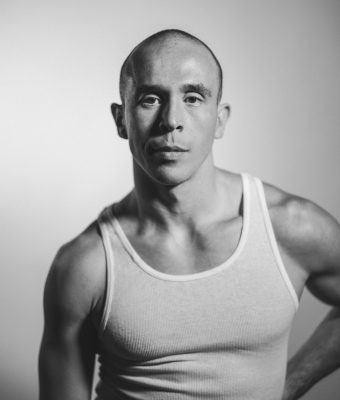
From São Paulo’s breakdance circles to Coastal City Ballet’s Swan Lake, Diego Ramalho has spent his career smashing expectations. His movement vocabulary;infused with capoeira’s dynamism and flamenco’s fiery precision—makes him a perfect fit for Marcato‘s exploration of masculine power dynamics. Beamish has cast him in a role that might play to his strengths: explosive jumps that seem to hang midair, and turns that stop on a dime with dramatic flair. Then in Endless Summer, that same intensity could get channeled into the Beach Boys inspired revelry, though knowing Diego, even the sunniest moments might carry an undercurrent of something wilder.
Paula Cobo Botello: The Lyrical Force

Botello moves with the kind of fluidity that could make The Beach Boys’ sun-bleached harmonies feel newly profound. Trained at Mexico’s National School of Classical and Contemporary Dance before honing her craft at Victoria Academy of Ballet, she’s spent recent years as a standout at Ballet Edmonton—interpreting works by Wen Wei Wang and Andrea Peña that demand both technical precision and raw emotional availability. For Endless Summer, Beamish has tapped her to join the expanded ensemble, a nod to her ability to bridge classical elegance with contemporary edge. If her past performances are any indication, Vancouver audiences can expect to see those signature qualities—liquid port de bras meets razor-sharp footwork—applied to this playful yet poignant ode to summer’s fleeting magic.
Kyra Soo: The Rising Star
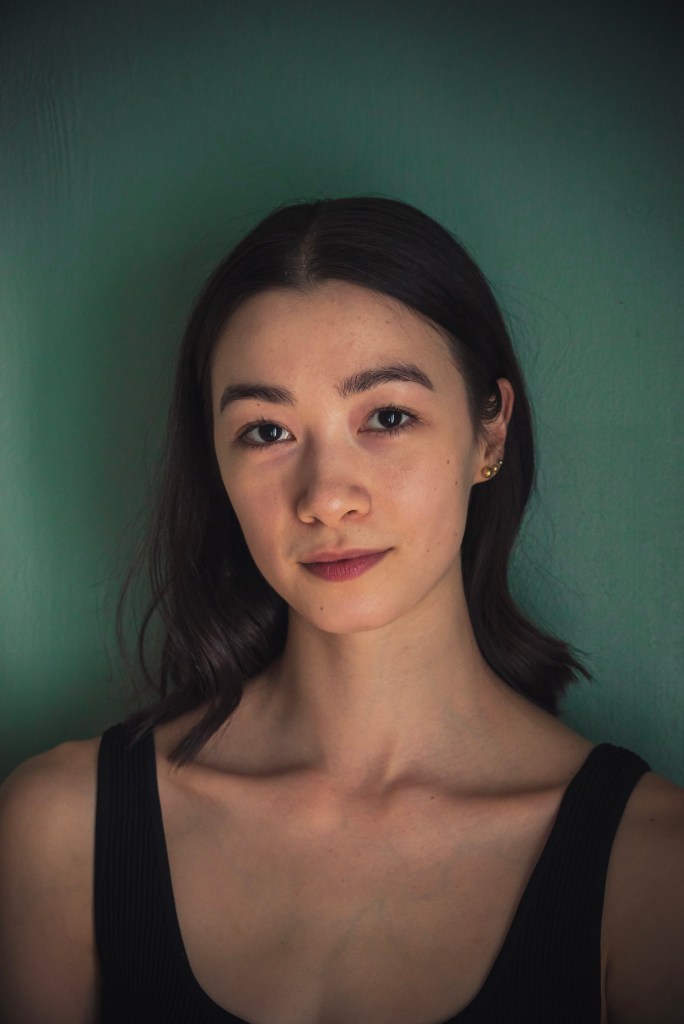
This Port Coquitlam-raised dancer is living proof that Goh Ballet Academy’s training travels well. Since joining Royal Winnipeg Ballet after their Aspirant Program, Kyra has tackled everything from Giselle to the psychological depths of Jekyll & Hyde, not to mention representing RWB at New York’s Fall For Dance Festival. Now she returns home for Endless Summer, where her Goh-honed technique—think crystalline pirouettes and gravity-defying extensions—will collide with the production’s surf-rock vibes. It’s a full-circle moment: the former academy student sharing the stage with fellow Goh alum Frances Chung, embodying how Vancouver’s ballet legacy keeps evolving.
So, listen up Jaysuits, the lights are about to go up. This is your final call. Be there when the curtain rises, or live with the regret of missing the moment Vancouver’s dance scene went full Fight Club meets Swan Lake. It’s a 20 year old rebellion stuffed into a Playhouse-shaped grenade, pin pulled by Beamish and his army of ballet anarchists.
May 29-30 at the Vancouver Playhouse.
Tickets at joshuabeamish.com – Tell ‘em the Jaysuits sent you.
Tutus optional. Revolution mandatory.
One response to “Joshua Beamish’s 20th Anniversary Gala hits Vancouver: 5 Must-See Ballet Performances That Will Redefine Dance in 2025”
[…] might remember my discovery of Joshua Beamish earlier this summer, the maestro who at the age of 17 re-defined ballet founding MOVETHECOMPANY (now setting up even more boundary-blurring work with his new company […]