

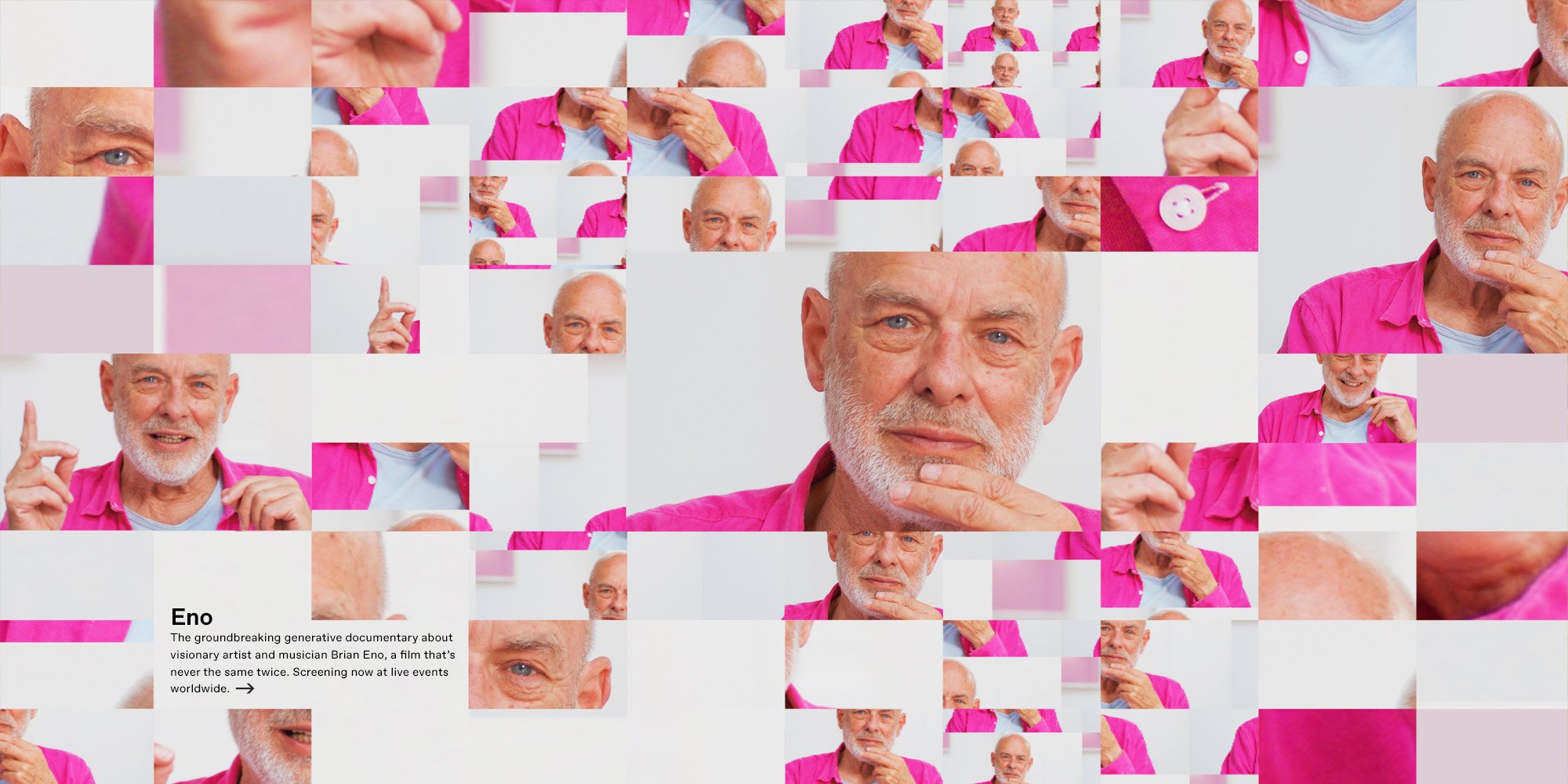
Hello and welcome back, fellow film lovers and VIFF enthusiasts! 🎥✨ If you’ve been following my coverage of Vancouver’s incredible film festival, you know I’ve already explored some standout films like Anora, Conclave and Rumours. HOWEVER, today we’re diving into not only one of VIFF’s most innovative and groundbreaking premieres, but rather one of the most highly anticipated tech events this year:

BUT here’s the twist. Much like the film itself, this piece is going to shift into something reflective of the film’s generative nature. The structure of this cover/article you’re about to dive into has been creatively
“Generated”
with the flexibility and unpredictability mirroring the documentary’s dynamic structure. Just as the film asks audiences to let go of fixed expectations, I invite you to follow me on this ever-evolving journey.
What follows now is in the spirit of the film itself....
Amidst an era where technology (*cough AI cough*) is redefining creativity, few pieces of art exemplify this transformation better than ENO. —a groundbreaking generative documentary on the life of well…Brian Eno.
Emerging as a co-founder of Roxy Music, Eno’s pioneering role in the ambient music genre and his production work with iconic artists like David Bowie, U2, and Talking Heads have cemented his place in history. As one of the highlights of this year’s Vancouver International Film Festival:
This piece of art blurs the line between film and technology, offering a never-before-seen viewing experience that adapts with each screening.
Standing as a testament to a new frontier—Generative Cinema; directed by a true visionary Gary Hustwit and built around the enigmatic life of Brian Eno, this documentary evolves with every screening.
“Literally“
Each viewing becomes a unique experience, shaped by custom software that reshuffles its narrative in real time. Like Eno’s approach to music, no two screenings are ever the same, offering fresh perspectives and insights with each watch. 🎶✨
A New Cinematic Paradigm: What Exactly Is Generative Cinema?
Generative cinema redefines the boundaries of traditional film. The concept is simple yet revolutionary:
Rather than a fixed, linear narrative, the film is dynamically constructed each time it’s played, meaning no two screenings are identical
This form of filmmaking breaks away from the traditional, linear storytelling methods we’ve grown accustomed to. It’s dynamic, and its structure changes with every viewing, thanks to the power of algorithms and data sets. What’s remarkable is the philosophical underpinning behind it: how can a narrative still be cohesive if it doesn’t have a fixed form?
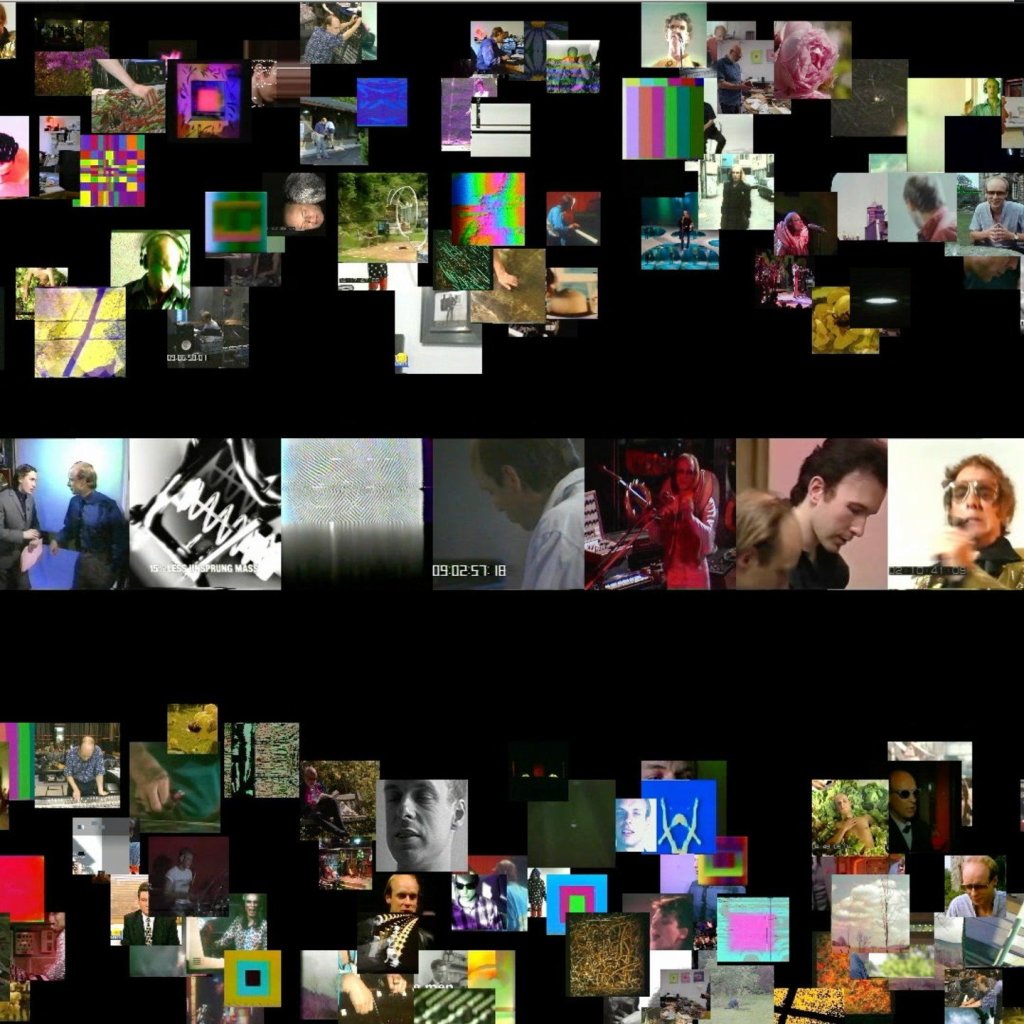
Reflecting the pioneering work in generative music, where no two listening experiences are the same, this cinematic approach embodies a similar ethos. The film’s structure constantly reassembles itself, creating new connections between scenes and offering a unique experience with every viewing.
As audiences, we are invited into a more active role. We are not simply passive receivers of a predetermined storyline but participants in a constantly unfolding narrative. Each version of the film asks us to re-examine the way we process and understand art. It challenges our need for consistency and offers us something far more thrilling: the unpredictability of a film that lives and breathes with each screening.
The Art of Letting Go: A New Approach to Filmmaking 🎥
Brian Eno’s influence on music, art, and the wider creative landscape is vast and profound. Eno, however, has always seen himself as more than just a musician—he’s a conceptual thinker, one who views art and technology as intertwined forces capable of expanding human creativity.
His philosophy has always revolved around creating systems rather than fixed works. From his Oblique Strategies cards, which help artists push through creative blocks, to his generative music compositions that never play the same way twice, Eno challenges the notion of art as static. His emphasis on randomness and fluidity fits seamlessly into the ethos of this groundbreaking film, where no two screenings are identical, much like how his ambient compositions evolve and shift continuously.
This philosophy extends beyond music. In his visual art projects, such as 77 Million Paintings, he created a system where endless combinations of paintings emerge from a computer-generated process. Each viewer experiences a unique variation of the art, aligning perfectly with the innovative framework of the film. In this context, the documentary becomes an extension of Eno’s creative philosophy, where the audience is invited to participate in an ever-changing narrative experience.
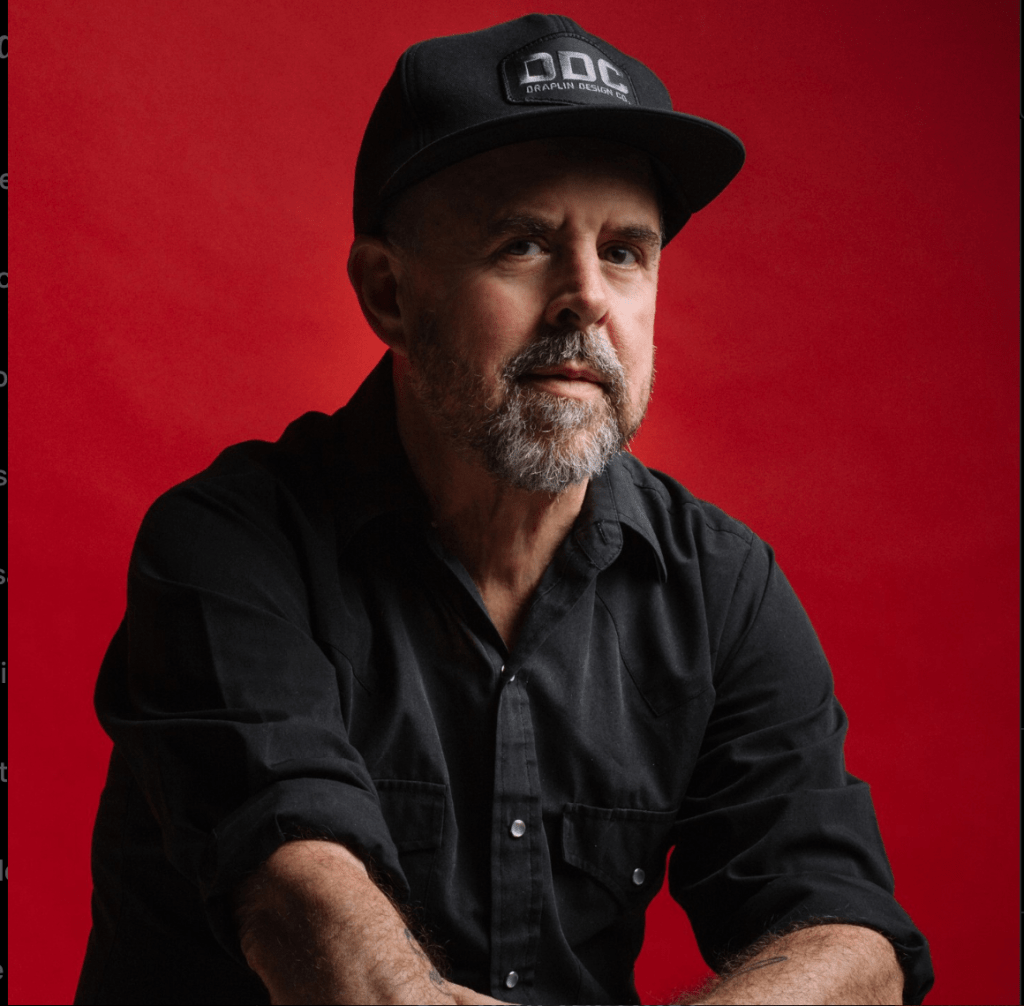

Hustwit has long been interested in the intersection of creativity and technology. CEO of Anamorph, a generative media studio and software company and known for works that deconstruct the creative process, his films often delve deep into the minds of artists, designers, and innovators. His previous projects, such as Helvetica and Rams, provided intimate looks into how creativity shapes the world we live in. However, the repetitive nature of traditional film screenings—where the final product remains fixed—left him yearning for something more dynamic.
He shared how the repetitive nature of traditional screenings, where every viewer sees the same film in the same order, led him to seek a format that would constantly surprise both himself and the audience.
A Visionary Collaboration

This desire to break away from conventional filmmaking methods led to a collaboration with Brendan Dawes, a UK-based digital artist and technologist. Dawes specializes in blending creativity with code, and together with the filmmaker, they crafted a system that allowed the film to reassemble itself with each viewing. This collaboration mirrors the creative unpredictability that Eno himself champions, resulting in a documentary that changes every time it’s shown.
In the Q&A following the film’s premiere, Gary discussed the challenges of relinquishing control over the final product. In traditional filmmaking, directors exert tight control over every shot, cut, and frame. Here, he embraced a different role, becoming less a director and more of a collaborator with the system, allowing the software to decide how each version of the film would unfold. In many ways, the role of the filmmaker mirrored Eno’s approach to music—letting go of control to allow for spontaneity and evolution.
This partnership created an entirely new approach to cinematic storytelling. With Eno’s philosophy as a foundation, the film transcends the limitations of traditional cinema, offering audiences an evolving, living experience with each viewing.
The Technology Behind the Magic: Bringing Generative Cinema to Life
The generative system that powers ENO is a marvel of technological innovation. Developed in collaboration with creative technologists; the customized AI technology used to build the film’s many variants is amusingly named, informally as Gary jokingly mentioned, Brain Four (for the Vancouver audience), appropriate for the tool’s tasks and, happily, an anagram of Eno’s own name.
The system pulls from an extensive archive of footage, interviews, and music to dynamically assemble a new version of the film in real time.
The filmmakers designed the system to prioritize key themes and moments, ensuring that each screening offers a coherent narrative, even as the structure shifts.
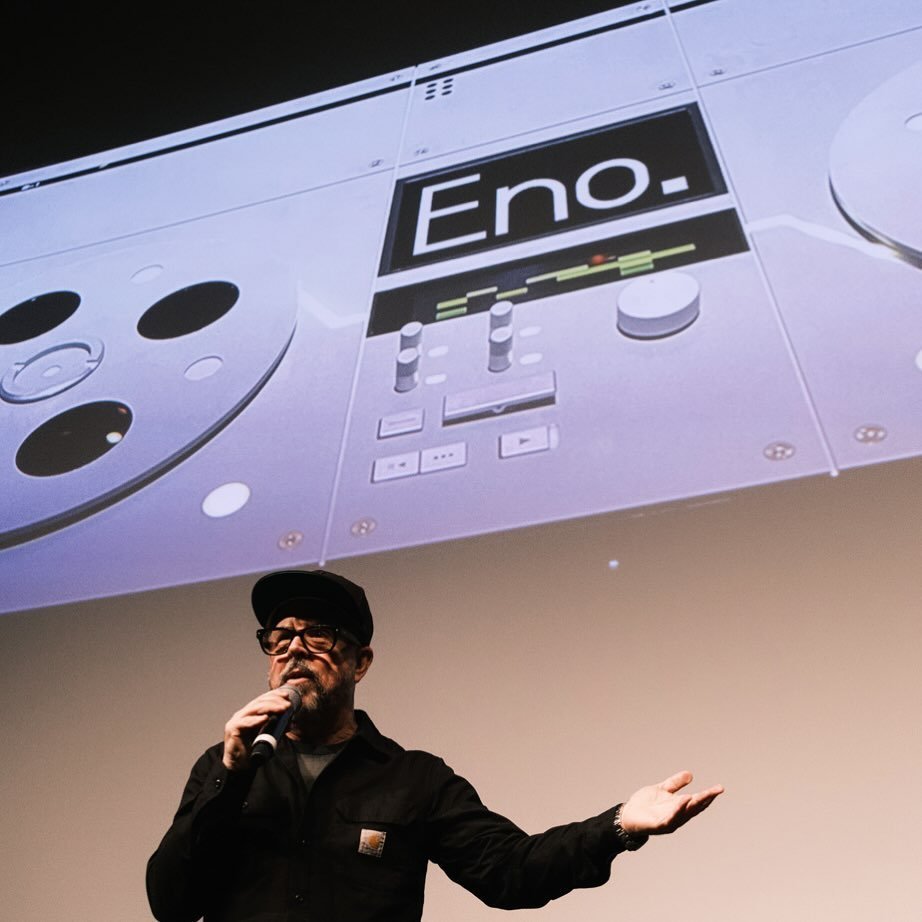
What makes this technology particularly exciting is its potential for future projects. Imagine a world where films continuously evolve, offering new experiences with every viewing. In this scenario, the concept of a
“FINAL CUT“
becomes obsolete, replaced by films that live on, growing and adapting long after their initial release.This approach to filmmaking represents a radical departure from traditional cinema, where every detail is meticulously planned and fixed. In ENO, the system itself becomes a creative partner, offering new combinations of footage and music with each screening. It’s a bold experiment, but one that could pave the way for a new generation of filmmakers willing to embrace the unpredictability of generative cinema.
Reimagining Audience Engagement: Cinema as a Living Experience
One of the most remarkable aspects of this generative technology is the way it transforms the relationship between film and audience. Typically, a movie is designed to evoke specific emotions or thoughts, with every cut, transition, and piece of dialogue meticulously placed by the director. In this film, however, the audience becomes an integral part of the experience. The version of the film they watch will never be seen by anyone else—not even the filmmaker.
In many ways, this democratizes the cinematic experience; a complete inversion of the classical filmmaking process, and it redefines how we engage with cinematic storytelling by allowing the viewer to co-create a unique version of the film through their interpretation of the scenes that are assembled before them.
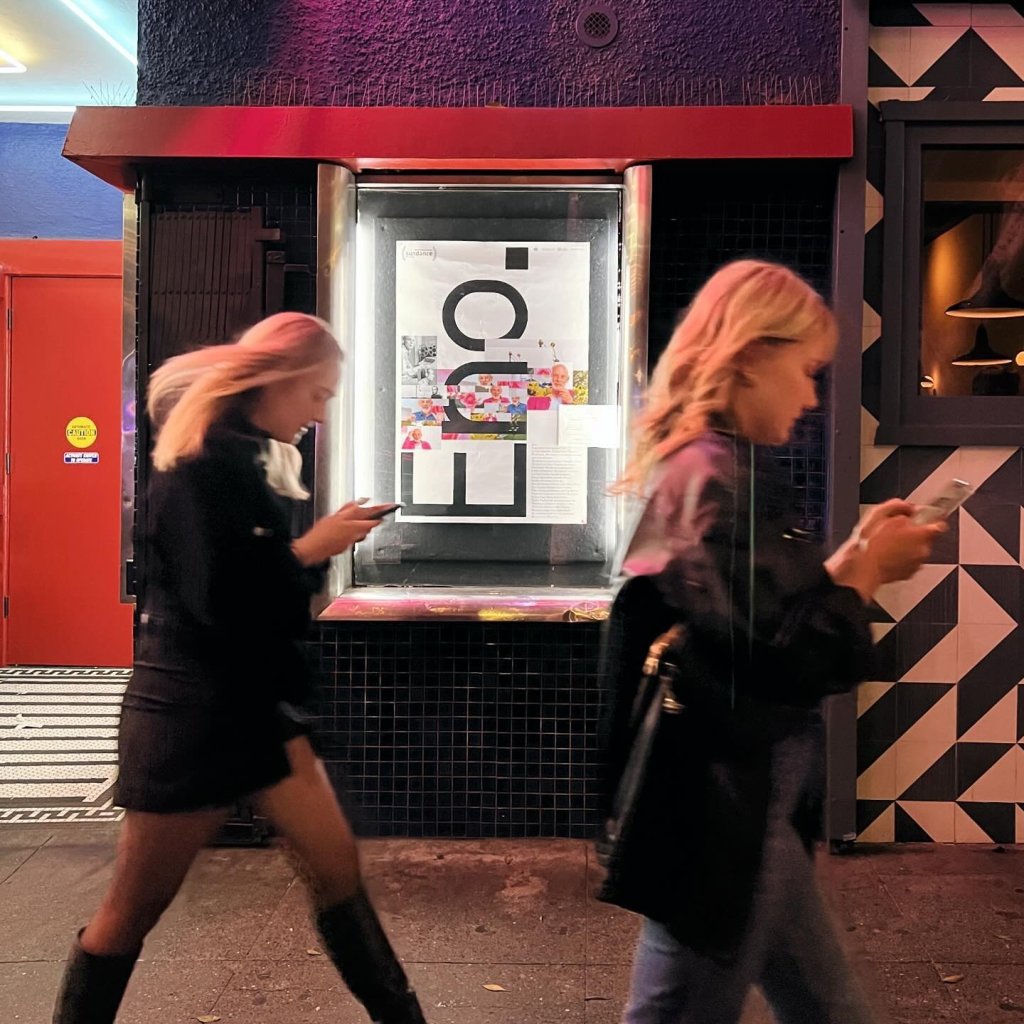
At the screening, the audience was invited to be part of a shared, yet singularly unique experience. Each scene felt fresh, creating the sensation that the film was breathing, evolving along with the viewers’ perceptions. This element of unpredictability keeps the audience on edge, wondering which moments from Eno’s expansive career will appear and in what context. For viewers familiar with his work, this format felt like a perfect embodiment of his lifelong commitment to experimentation, chance, and creative evolution.
A Filmmaker’s Role Redefined : Crafting a Living Narrative
In a generative documentary, the role of the filmmaker shifts from an authoritative creator to a collaborator with the system. They act less like storytellers and more like architects of a living, generative system. This idea of “stepping back” from the creative process challenges the conventions of filmmaking, where control over every detail typically rests with the director.
As Hustwit explained; he felt less like he was making a film and more like he was building a platform where the film could remake itself.
This is a profound change in how filmmakers perceive control over their creations.
Hustwit and Dawes worked tirelessly to ensure that while the film is never the same twice, it still maintains a cohesive and compelling narrative arc. This balancing act between control and surrender is, perhaps, the most fascinating aspect of this new form of cinema.
The challenge lay in ensuring the story could still captivate audiences, even without the predictability of a set beginning, middle, and end. This balancing act of control and surrender required an entirely new approach to editing and storytelling.
During production, the team often had to relinquish their usual desire for order, allowing the system to assemble scenes in ways that might feel disjointed yet still resonate emotionally.
It echoes Eno’s own generative music, which evolves with each listen, adapting to the moment, yet grounded in a deeper, structured logic.
A Leap Into the Future
What does this new approach mean for the future of filmmaking?
Generative cinema is still in its early stages, but it holds immense potential for the future of storytelling. By allowing films to evolve dynamically, this approach challenges the very foundation of what we understand cinema to be. No longer are films static, unchanging objects. Instead, they become living works of art, capable of offering new experiences with each viewing.
Gary Hustwit and Brendan Dawes have opened a doorway into a new realm of possibilities.
This format allows filmmakers to continue tweaking, adding, and refining their work even after release. Gone are the days of a “final cut” (*cough Synder cough*); instead, filmmakers could create platforms where their films live on, adapting and growing based on new inputs.
For Eno, who has been experimenting with generative systems for over 30 years, this concept is nothing new. He once stated that “art is the triggering of experiences.” In this groundbreaking documentary, that experience is now a shared co-creation between filmmaker, artist, and viewer. Each iteration reflects a different facet of Eno’s legacy, from his early days with Roxy Music to his collaborations with David Byrne, all while resonating with the individual interpretations of each audience.
And for audiences, this means that no two experiences will ever be alike. Every viewing will be unique, creating a deep and personal connection to the material that transcends the typical cinematic experience.
Personal Reflections & Final Thoughts
This exploration has been as dynamic as the film itself. The documentary is a bold experiment that challenges not just the way we watch films, but the very concept of what a film can be. By combining cutting-edge technology with a deep respect for the creative process (something I’m particularly keen on with my background as a Software Dev), this generative approach offers us a glimpse of a future where creativity and technology intertwine in ways we’ve never imagined. The implications of this are vast.
Could future films also be dynamic, allowing audiences to experience different versions based on their individual perspectives? Could this approach be applied to other forms of storytelling?
We might see films that continuously adapt to their audience, offering personalized experiences that change with each screening. The possibilities are endless, from horror films that change based on the time of day to comedies that adapt to the reactions of the audience.
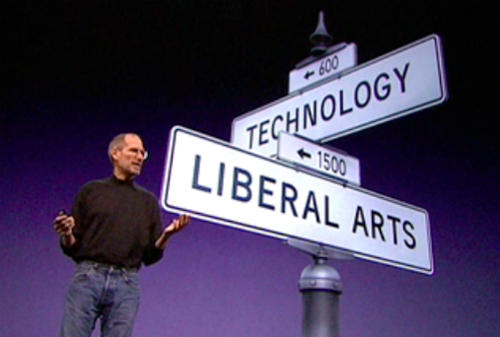
STEVE JOBS AKA “tech jesus” once said:
““It’s technology married with liberal arts, married with the humanities, that yields the results that make our hearts sing”
As we move forward in the realm of generative storytelling, the lessons from this film—about unpredictability, the joy of surrendering control, and the endless potential for new experiences—serve as a reminder that the future of cinema is wide open, waiting to be explored. The film itself has shown us that storytelling doesn’t have to follow a rigid path; instead, it can evolve, grow, and respond to the audience in real-time, much like the creative process it mirrors.
So, as I sign off from this latest chapter in my VIFF 2024 coverage, I invite you to stay tuned for more insights into the incredible films this festival has to offer. Until then, enjoy the unpredictability of the journey.
🎬
or more updates and to follow my adventures, connect with me on

Let’s keep the conversation going!


Make a one-time donation
Make a monthly donation
Make a yearly donation
Choose an amount
Or enter a custom amount
Your contribution is appreciated and serves my coffee addiction.
Your contribution is appreciated.
Your contribution is appreciated.
DonateDonate monthlyDonate yearly

© VIFF 2024
©2024 Gary Hustwit
5 responses to “Exploring “Generative Cinema”: ENO. breaks ground at VIFF 2024”
[…] a delicate yet powerful narrative that took the festival by storm, the cinematic wonders like ENO, a generative masterpiece that pushed the boundaries of creativity, and CONCLAVE, a gripping tale […]
[…] EMILIA PEREZ and ALL WE IMAGINE AS LIGHT, to the groundbreaking realms of generative cinema with ENO, you know I’m all about diving deep into the unexpected, the innovative, and the downright […]
[…] spooked at the Vancouver Horror Show Film Festival (coming soon) or getting our minds blown at ENO.— I’m here to guide you headfirst into the avant-garde. It’s a bold, sexy, and […]
[…] Experimental cinema as I’ve observed in this city (GAME PROJECT; among many countless others) often invites audiences to shed familiar comforts, urging them to step into realms where narrative flows aren’t tethered to traditional arcs. One that demands you listen closely and let go of the need for clear resolutions. In: […]
[…] out on Chor Leoni’s Christmas concert or VIFF’s experimental theatre lineup? Consider this your next big chance to grab a front-row seat to something equally […]