


Jay Shah
DevOps\Aerospace Engineer & Journalist
Welcome back, dear readers and fellow Jaysuits! As Vancouver‘s self annointed Chosen One, I shall be guiding you all on the stairway to heaven that is the world of cinema (unlike Mr Ebert and his thumb,I offer the entire palm).
Once again fellow Jaysuits, since this is a deep deep deconstruction of the movie and with your lovely attention span these days, I’ve broken down this kino into the relevant subsections so that you can dive straight into the aspects you find interesting. From themes, cast performances to cinematography and direction, so…… let’s dive in!
- From Suburbia to Surrealism: The Story Beneath the Surface
- Identity, Autonomy, and An Unconventional Motherhood Journey: Themes and Tone
- Visual Aesthetic and Direction: A World of Subtle Surrealism
- Supporting Performances: An Ensemble Grounded in Emotional Realism
- Final verdict
After being personally annointed by the angel that is Karla Sofía Gascón, star and lead actress of EMILIA PEREZ;
who made history as the first transgender woman to be nominated for, and perhaps, wait no…definitely win ( I bless thee…sorry Amy 😉) the Oscar for Best Actress come 2025, it’s only natural to continue this cinematic journey at VIFF 2024 through bold storytelling and profound transformation starring a 6 time Academy Award Nominee actress (see I still love you Ms Adams…)
Following the musical mayhem and varied character arcs we explored in ANORA,CONCLAVE,RUMOURS and many more, we now turn our focus to the gripping performance of Amy Adams and she’s sinking her teeth into one of her most wild roles yet. As we delve into a film that offers an intense and deeply metaphorical exploration of motherhood, we take yet another leap into a world where identity and self-discovery are tested in the most unusual ways.

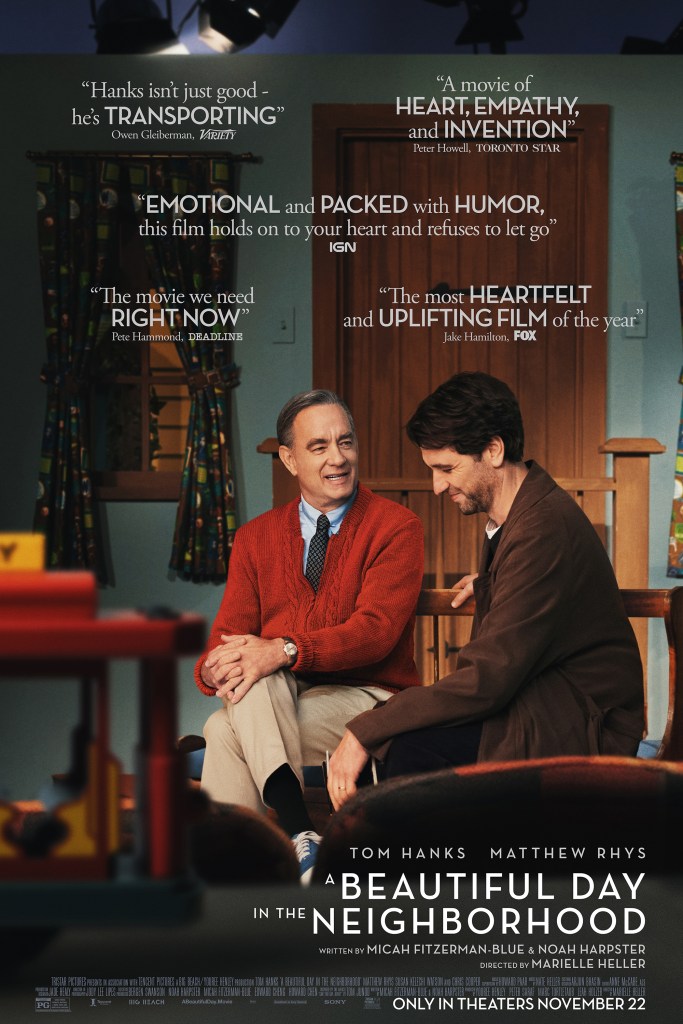
Directed by Marielle Heller, Nightbitch is a genre-defying film that blends elements of body horror, psychological drama, and dark comedy. Known for her emotionally resonant films like A Beautiful Day in the Neighborhood and Can You Ever Forgive Me?, Heller brings her unique touch, where the surreal narrative takes center stage.

Tackling themes of motherhood, identity, and transformation in ways that are both unsettling and deeply relatable. Join me as we explore the layers of this dark yet illuminating tale, one that promises to evoke both empathy and awe as it challenges the conventions of gender and maternal sacrifice.
From Suburbia to Surrealism: The Story Beneath the Surface
At the heart of this film, we meet a woman identified simply as “Mother,” portrayed by Amy Adams, whose life has shifted dramatically after giving birth. Once an ambitious artist, she now finds herself confined within the isolating routine of suburban stay-at-home motherhood. With her husband frequently away for work, Mother’s sense of self begins to crumble. Strange, unsettling changes start to manifest physically—fur grows on her back, her senses sharpen, and her behavior increasingly mimics that of a canine-metaphors for the raw, untamed nature of motherhood.
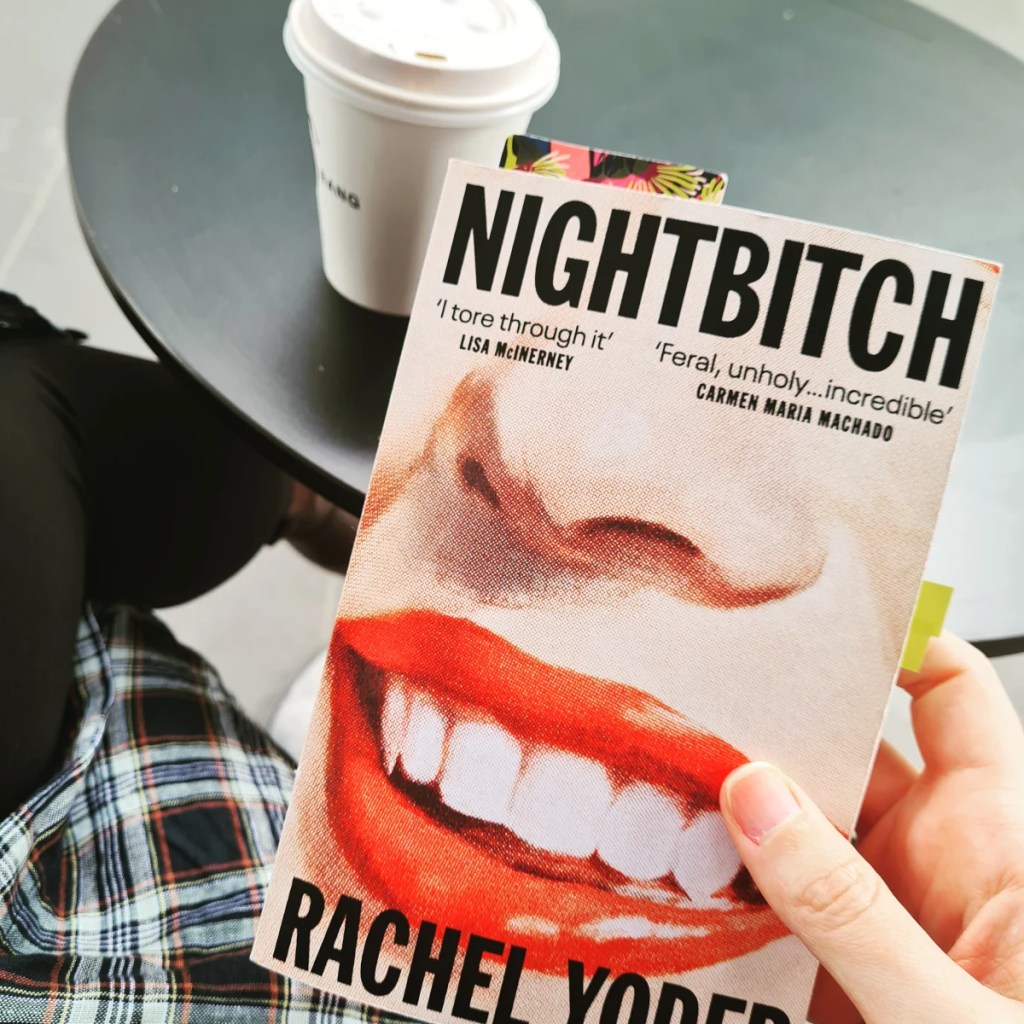
Heller adapting Rachel Yoder’s novel, she blends surrealism with psychological horror, punctuated by dark humor. Mother’s physical transformation becomes a symbol of the primal instincts that motherhood can awaken, while also embodying the identity crisis many women face after childbirth. Tender moments with her young son are juxtaposed with disturbing acts of animalistic behavior, inviting the audience to reflect on the complexity of womanhood and societal expectations surrounding motherhood.
As the transformation progresses, it puts a strain on her marriage. Her husband, played by Scoot McNairy, initially dismisses the gravity of Mother’s emotional unraveling. Through bizarre, and at times grotesque, scenarios, the movie challenges traditional notions of motherhood in a way that is both unsettling and empowering.
Identity, Autonomy, and An Unconventional Motherhood Journey: Themes and Tone
In this narrative, Mother’s journey toward self-discovery is an exploration of emotional and existential depths. Through vivid, meticulous storytelling, we see the unraveling of a woman whose identity is gradually consumed by her role as a mother. This portrayal taps into the universal fears of losing oneself in the pressures of domestic life, a theme that has echoed in several other festival films.
As a former artist, her journey underscores the sacrifice many women feel they must make,
Abandoning their personal passions for domestic life.
Her body’s slow metamorphosis reflects the loss of identity, as she struggles to reconcile who she once was with who she is now. These struggles are juxtaposed against a social structure that expects women to embrace motherhood wholeheartedly, even at the expense of their own desires and autonomy.
These themes are further accentuated by the film’s depiction of societal pressure and isolation. Isolated in her suburban life, with her husband often away for work, leaving her to shoulder the burdens of parenthood alone. Through both disturbing and humorous scenes, the film explores the way women are often left to manage the emotional labor in households while men are either absent or oblivious to the mental strain. Scoot McNairy’s portrayal of the distant husband underscores this imbalance, as his character is well-meaning but largely unaware of her unraveling. This emotional distance heightens the sense of confinement, propelling her further into the transformative journey.
Heller’s adaptation of Rachel Yoder’s novel takes full advantage of its surreal elements to explore these themes.
The novel’s lack of chapter breaks and the absence of quotation marks in dialogue emphasize the fluidity of the protagonist’s mental state.
These stylistic choices, mirrored in the film’s pacing and structure, further blur the line between reality and the protagonist’s growing sense of disillusionment. The magical realism, coupled with moments of grotesque body horror, challenges viewers to reflect on the ways societal expectations of women—especially as mothers—force them to suppress their desires, ambitions, and frustrations.
This narrative taps into a broader trend of feminist horror, where bodily autonomy and identity are key themes. The use of magical realism allows the film to seamlessly blend ordinary experiences with extraordinary elements, creating a space where the protagonist’s emotional and physical transformations feel natural and deeply symbolic. The connection between motherhood and animalism becomes a metaphor for the primal forces that motherhood can awaken, while also critiquing the pressures placed on women to conform to idealized roles of selflessness and nurturing.
The emotional beats are expertly woven into the fabric of the story, showcasing the tension between the life Mother once envisioned for herself and the reality she faces. These themes of internal conflict and societal pressure create an undercurrent of unease that propels the narrative forward.
The film, through its surrealist and feminist lens, shines a light on the unspoken frustrations and sacrifices that come with motherhood, creating a narrative that resonates far beyond the screen.
In the end, Nightbitch emerges as a story about reclaiming one’s identity and rejecting the societal pressures that force women into boxes. By using horror and magical realism, the film creates a space for women’s rage and self-discovery to be fully realized, making it a profound commentary on identity, autonomy, and the complexities of motherhood.
Visual Aesthetic and Direction: A World of Subtle Surrealism
Visually, this movie crafts a space that merges reality with the eerie undertones of transformation. Heller’s directorial vision steers away from overt horror tropes and instead leans into a more subdued, surrealist aesthetic that plays with the concept of metamorphosis through suggestion rather than spectacle. This subtle approach creates an atmosphere that feels simultaneously familiar and unsettling, where the protagonist’s psychological unraveling manifests in small, symbolic cues—the growing fur, heightened sense of smell, and moments of nocturnal freedom. Heller’s style is heavily reliant on creating moods rather than driving action, which is reflected in the soft lighting, muted colors, and the repetitive, almost meditative framing of domestic spaces. The contrast between the normalcy of suburban life and the primal urges awakening within the protagonist is stark, amplifying the quiet disintegration of her former self.
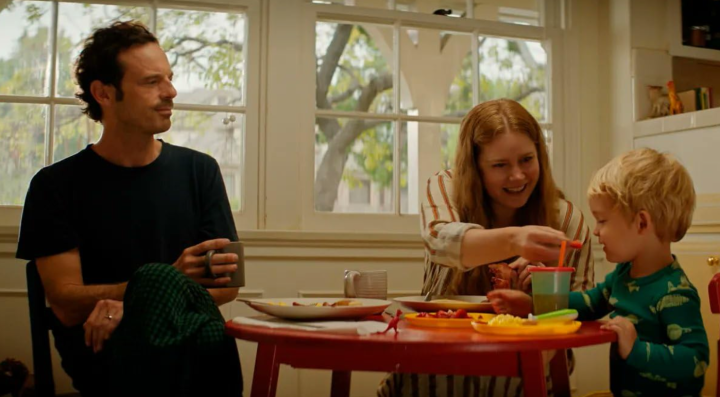

In its most effective moments, the cinematography captures the internal conflict between societal expectations and the raw, untamed nature bubbling beneath the surface. These visual choices highlight the duality of the protagonist’s journey, grounding her transformation in a space that feels both relatable and alien. Heller’s delicate, controlled use of surrealism gives the film its distinct tone, one that feels more personal than terrifying but still echoes with tension.
In a film that could easily have become overly abstract, her direction ensures that the audience remains grounded in the protagonist’s emotional reality, even as the film dips into magical realism. Wide, sterile shots of cookie-cutter houses and perfectly manicured lawns create a sense of confinement, reflecting her internal struggle. In contrast, the night sequences are more fluid, with the camera following her movements in long, unbroken shots that heighten the sense of freedom she experiences. The dreamlike quality of these scenes allows the audience to slip into her altered reality, where the lines between human and animal become increasingly blurred.
Sound design also plays a pivotal role, subtly reinforcing the protagonist’s shift from mother to animal. Everyday sounds—such as the clattering of dishes or the buzzing of fluorescent lights—are juxtaposed with the quiet of the night, broken only by the occasional bark or rustle in the bushes. This auditory contrast deepens the sense of isolation and alienation, further immersing the audience in her experience
Supporting Performances: An Ensemble Grounded in Emotional Realism
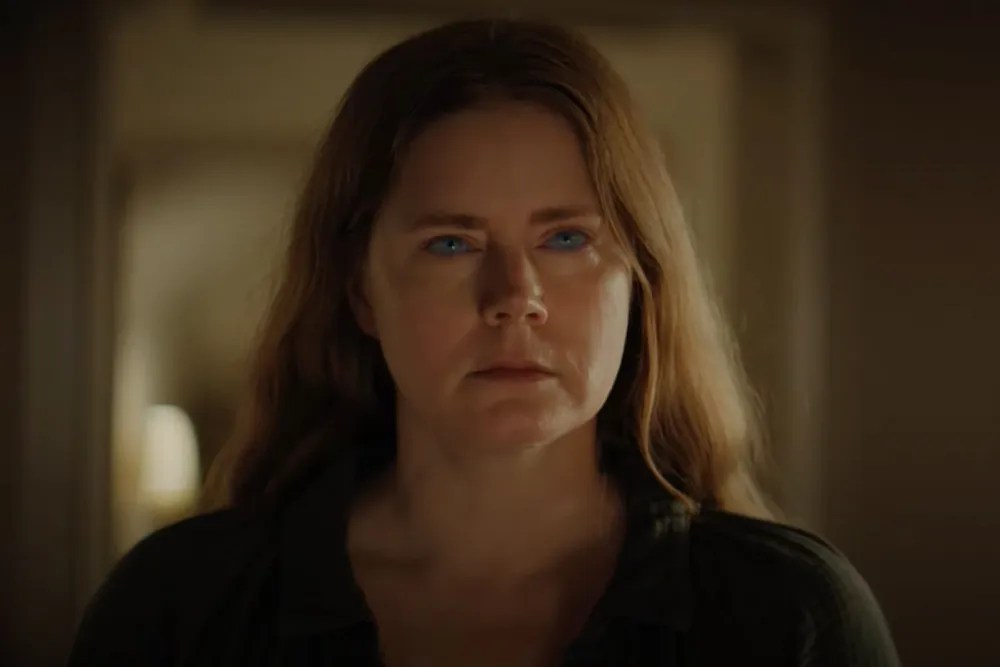
Amy Adams delivers an emotionally charged performance that showcases her versatility as an actor. Known for her ability to navigate complex characters, Adams captures the tension between societal expectations of motherhood and the character’s internal turmoil. In this role, her physical transformation becomes a reflection of her emotional and psychological changes, and she leans into the absurdity of her character’s situation with raw authenticity. Her portrayal, especially in moments of vulnerability and isolation, allows the audience to empathize with her predicament, making her journey all the more compelling.
Her portrayal of a mother on the brink of losing herself, both literally and metaphorically, is what anchors the film. Adams’ ability to oscillate between moments of tenderness toward her son and frustration at the confines of her life is profoundly moving. There’s a tangible vulnerability in the way she expresses her character’s growing desperation—whether through subtle expressions or larger, more physical moments, like running through the streets in the dead of night. This balance of tenderness and untamed emotion gives the performance a sense of unpredictability, keeping viewers engaged as her character unravels.
Beyond the central performance, the supporting cast breathes life into this film’s quieter moments, adding layers of nuance to the protagonist’s journey.

Scoot McNairy, as the distant husband, plays his role with subtlety, portraying a character who represents the emotional disconnects often seen in domestic life. His performance is restrained yet essential, illustrating the imbalance in parental and emotional labor that fuels much of the film’s tension. McNairy’s understated presence allows the audience to empathize with the protagonist’s growing frustration without villainizing him, a delicate balance that enhances the film’s commentary on familial roles and expectations.
The trio of mothers (Zoë Chao, Mary Holland, and Archana Rajan) offers a contrast to the protagonist’s isolation. Initially presented as comedic relief, they evolve into symbols of both societal pressure and unexpected support. Their interactions with the protagonist are tinged with humor but also provide moments of reflection on motherhood’s community aspect. Chao, in particular, brings a warmth that offsets the lead character’s internal turmoil, making their dynamic both relatable and bittersweet.


Additionally, Jessica Harper’s portrayal of the cryptic librarian brings a mystical element to the film. Harper, known for her roles in surrealist and horror films, adds gravitas to the film’s more magical realist themes. Her character serves as a guide of sorts, subtly encouraging the protagonist to explore her newfound identity without judgment. This dynamic provides the protagonist with a path to self-discovery, deepening the film’s exploration of identity and transformation.
Each supporting character, though secondary to the lead, is crucial in establishing the film’s tone—a mix of the mundane and the extraordinary. Together, they create a rich emotional backdrop that highlights the protagonist’s internal struggles and external relationships, reinforcing the movie’s themes of self-liberation and the complexities of motherhood.
Final verdict
⭐️⭐️⭐️⭐️
As VIFF 2024 continues to impress with its diverse and boundary-pushing narratives, Nightbitch stands out as a unique addition to the festival’s lineup. While it doesn’t deliver the overt thrills some may expect from a film within the body-horror genre, its strength lies in the subtle, introspective storytelling that takes audiences on a deeply personal journey. Marielle Heller’s direction, combined with Amy Adams’ transformative performance, crafts a delicate balance between reality and surrealism, exploring motherhood through a lens that is as haunting as it is liberating.
While CONCLAVE may have captivated audiences with its tense political intrigue and the exploration of power, Nightbitch shifts the focus inward, towards the power dynamics within a household, particularly the emotional labor often placed on mothers; creating a slow-burn tension that feels quietly revolutionary.
Much like ANORA and EMILIA PEREZ, this film asks its audience to confront the inner turmoil of its protagonist, shining a spotlight on themes of identity and autonomy. Though its pacing may challenge some viewers, the film’s power rests in its quiet moments of reflection and the poignant depiction of the sacrifices women make in the name of motherhood.
What ultimately links Nightbitch with these films is the theme of:
TRANSFORMATION
It may not be as viscerally terrifying as The Babadook (2014), Nightbitch resonates in its own way, lingering in the mind long after the screen fades to black. Much like Jennifer Kent’s psychological horror masterpiece, it also delves into the mental strain of motherhood and the gradual erosion of self-identity. Both films portray mothers on the edge, battling with internal demons—whether manifesting as an external monster or an internal animalistic awakening. What sets THIS KINO apart, however, is its more metaphorical and surreal approach. Whereas The Babadook leans heavily into the horror genre, Nightbitch offers a more subtle, introspective look at the raw nature of maternal instincts.By focusing more on the protagonist’s internal journey and less on external horror elements, the film speaks to the quiet, often unseen struggles of mothers, making it both relatable and unsettling.
⭐️⭐️⭐️⭐️
And with that, we close yet another exhilarating review from VIFF 2024! 🎬✨ It’s been a captivating journey through this year’s festival, from the raw power of Nightbitch to the thrilling spectacle of Emilia Perez. As always, I’m excited to bring you more in-depth analysis, surprise insights, and plenty of cinematic moments to come. So, make sure to keep an eye on my blog for live updates, exclusive behind-the-scenes content, and more reviews of the festival’s standout films. You won’t want to miss what’s next—trust me, the best is still to come!
🎥🍿 Stay tuned!
For more updates and to follow my adventures, connect with me on

Let’s keep the conversation going!



Make a one-time donation
Make a monthly donation
Make a yearly donation
Choose an amount
Or enter a custom amount
Your contribution is appreciated and serves my coffee addiction.
Your contribution is appreciated.
Your contribution is appreciated.


© VIFF 2024