


Jay Shah
DevOps\Aerospace Engineer & Journalist

Hey there, cinephiles and fellow Jaysuits! 🎥✨ As Vancouver’s self-anointed “Chosen One” I’m back again to spread the word and share with you lovely disciples; another cinematic gem and possibly one of the finest works of art from VIFF 2024. If you’ve been keeping up with my festival adventures, you know it’s been quite a ride.
All We Imagine as Light is a luminous addition to this years’ already impressive lineup, standing tall alongside awards season heavyweights like EMILIA PEREZ and ANORA. A film that is both intimate and expansive—a delicate balance of personal narratives set against broader societal themes. It’s a cinematic journey that invites introspection while celebrating the resilience of the human spirit.
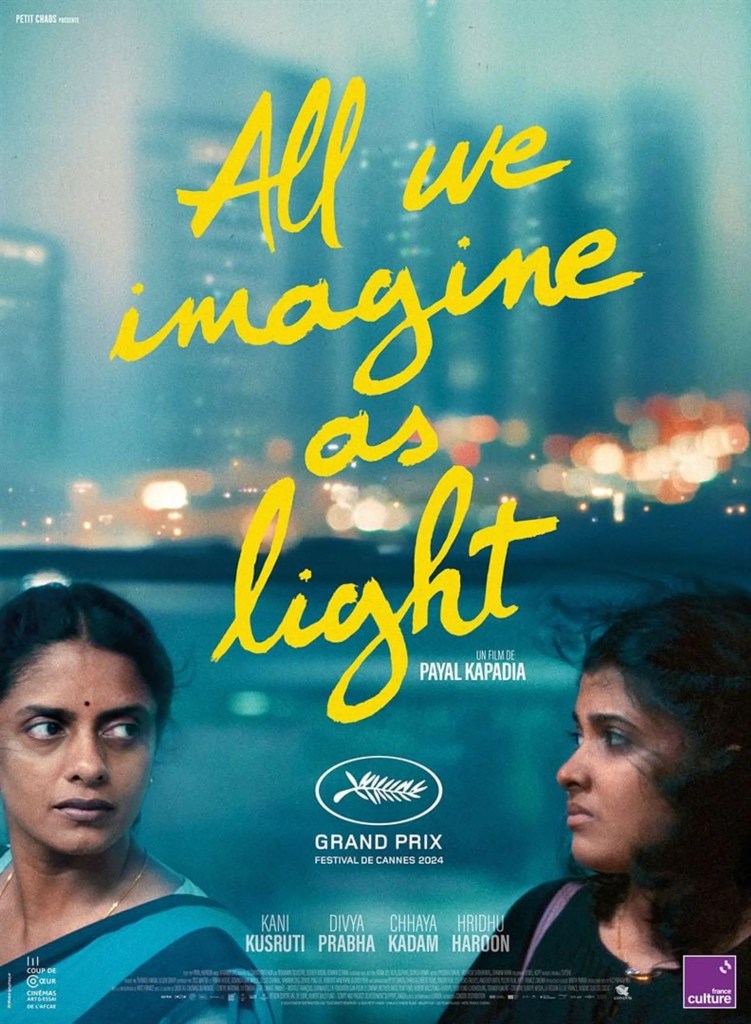
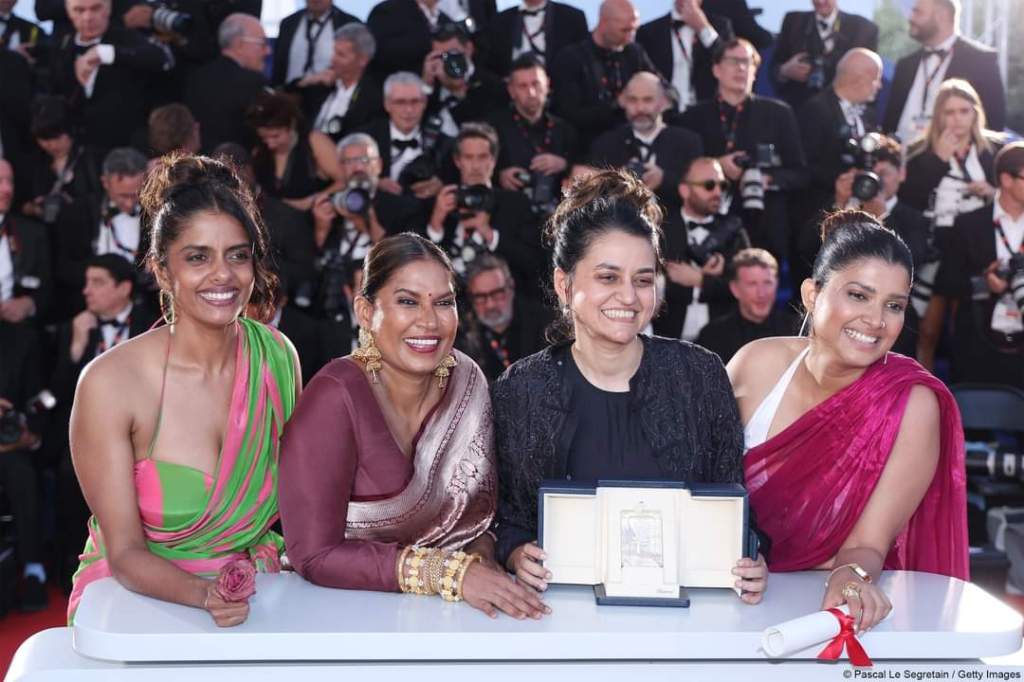
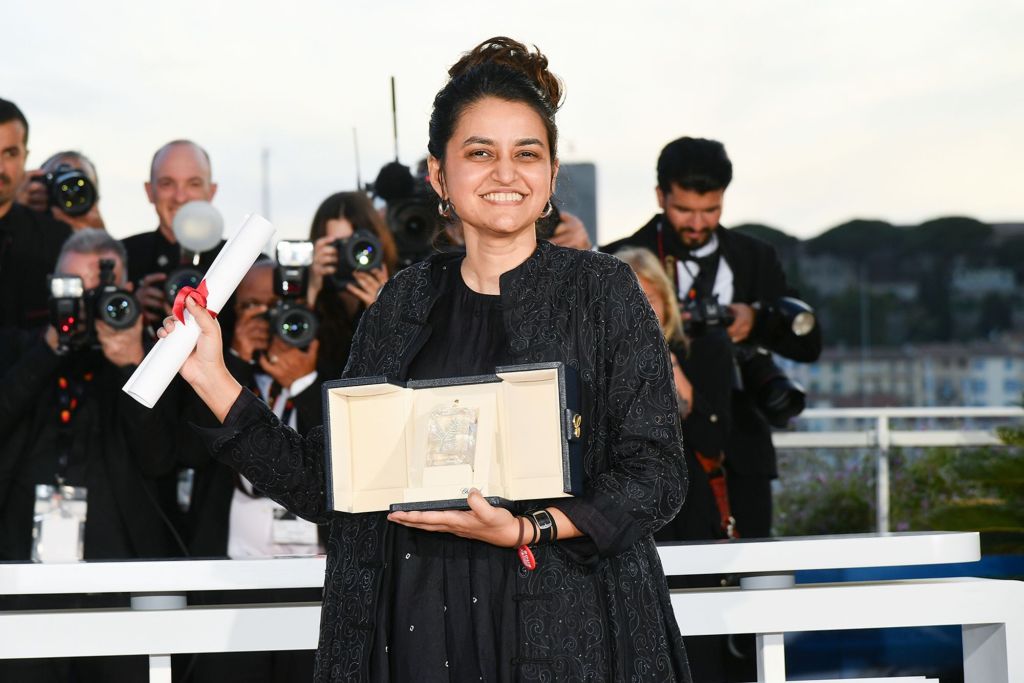
Director Payal Kapadia, who made history by winning the Grand Prix at Cannes (first Indian filmmaker to do so since 1946!), expertly contrasts the frenetic energy of city life with the peacefulness of a seaside village. The city’s relentless pace mirrors the inner turmoil of our protagonists, while the coastal escape offers space for reflection and transformation.
🏆✨
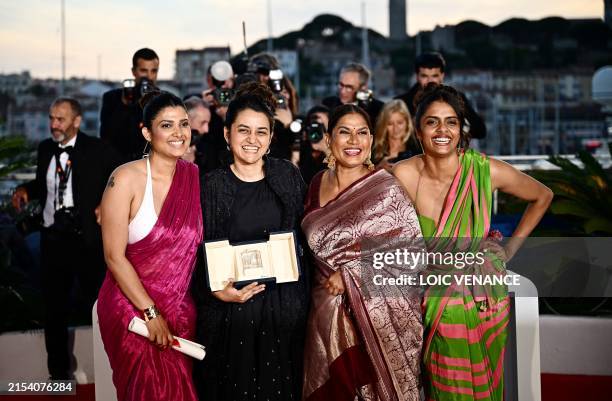
(From L) Indian actress Divya Prabha, Indian director Payal Kapadia, Indian actress Chhaya Kadam and Indian actress Kani Kusruti pose during a photocall after winning the Grand Prix for the film “All We Imagine as Light” during the Closing Ceremony at the 77th edition of the Cannes Film Festival in Cannes, southern France, on May 25, 2024. (Photo by LOIC VENANCE / AFP) (Photo by LOIC VENANCE/AFP via Getty Images) 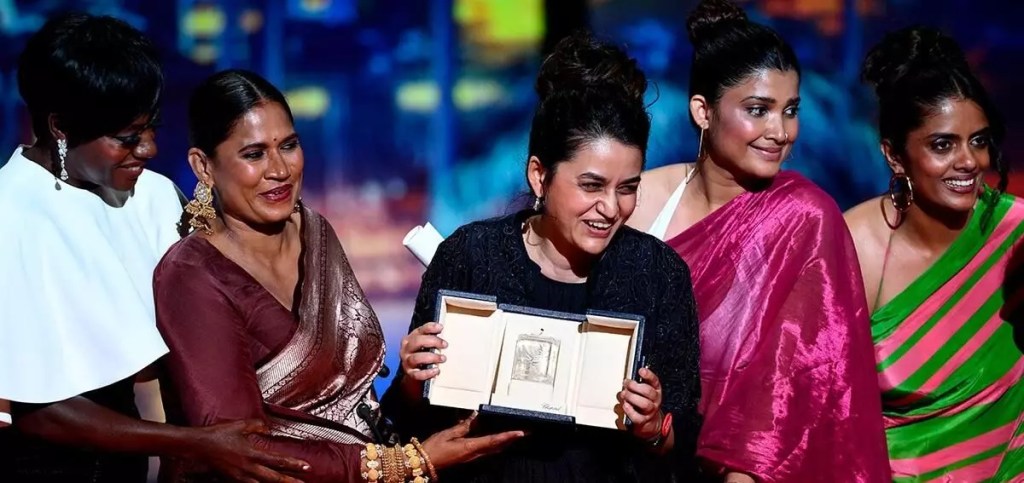
This film is stirring hearts and conversations, and even causing a bit of a stir in the global cinema award circuit with stellar performances from both cast and crew. And speaking of awards season, it seemed like a sure bet to be India‘s submission for the international-film Oscar category.
However, in a twist worthy of a Bollywood drama, it was passed over for selection. We’ll get into that drama and more as we explore this cinematic masterpiece. But first…
🏆✨
Remember when Karla Sofía Gascón, the star of EMILIA PEREZ (and let’s face it, she’s probably already picking out her Oscar outfit 🏆), shared my review on her Instagram? Hello?! Mr Ebert, yes there’s a new Sherriff in town (I know he’s passed on..chill)
Yeah, that happened…no biggie…just a casual heads up from an Oscar nominee (wait winner…I’ve blessed thee).. Got me (still am ngl..) so excited, I nearly spat my Timmy’s. ☕ (and considering I practically run on it, that’s saying something!)
Fascinatingly both movies right now were in a bit of a tussle regarding their submission into the Oscars International feature category. France’s Oscar committee ultimately decided to go with Emilia Perez..yes you read that right….
A Malayalamish film set in Mumbai was picked by France as one of its 4 official entries into the 2025 Oscars (it’s complicated… no worries Jaysuits! I’ve dedicated an entire section below explaining all that hoohah down below). But let’s get back on track (trains are going to be a running theme throughout this piece….well since it deals with Mumbai obviously… among many other things…you’ll see….*cough* AR RAHMAN *cough*)
I’ve broken down the in-depth deconstruction of this kino into bite-sized sections for easy reading. Whether you’re here for the themes or the cinematic artistry or the controvery!, there’s something for you. So let’s jump right in!
From the Bustle of Mumbai to the Serenity of the Seaside: A Tale of Two Worlds
All We Imagine as Light takes us into the heart of Mumbai; a city bursting with life, dreams, and contradictions. We meet Prabha (Kani Kusruti), a dedicated head nurse with a husband who has been MIA in Germany; Anu (Divya Prabha), a newcomer dealing with the challenges of forbidden love; and Parvaty (Chhaya Kadam), a cook fighting to keep her home amid aggressive urban development.
For me, seeing Mumbai portrayed on screen was especially moving. My family’s roots run deep in this city (well Chembur…some mumbaikars will say no..)—they have seen its evolution, felt its heartbeat, and added to its rich tapestry. The crowded trains, the aroma of street food, the sounds of distant temple bells mixing with honking taxis—it all felt intimately familiar, like a slice of home.
Aamchi Mumbai, right?
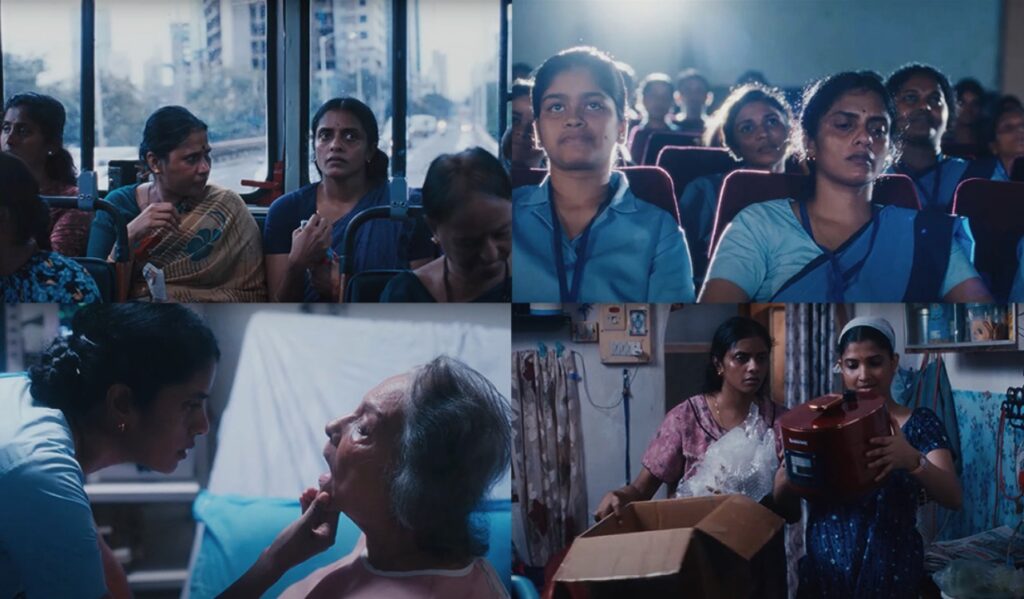
Kapadia immerses us in Mumbai. The film opens with sweeping shots of the skyline, bustling markets, and jam-packed trains, the lifelines of the city. The sensory overload is real; the cacophony of car horns, vendors shouting, the rhythmic clatter of trains, all painting a vivid picture of a city that never sleeps.
Yet, amidst the chaos, the film captures moments of deep stillness: Prabha gazing out of a train window, Anu lost in thought during a rare quiet moment at home, Parvaty watching city lights fade as she contemplates her uncertain future.
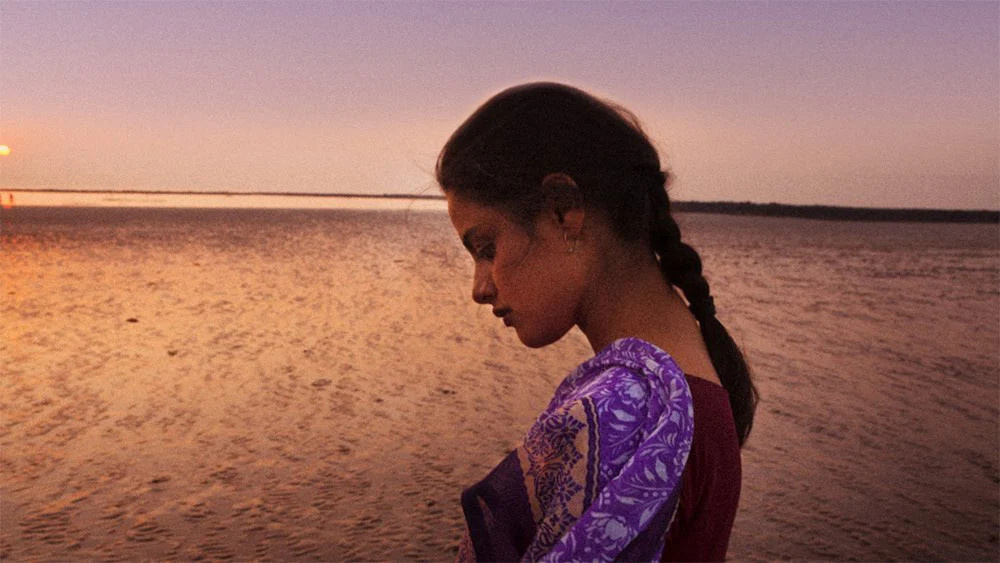
When the story shifts to the seaside village in Ratnagiri, the contrast is striking. The visuals soften, the colors warm up, the sounds are of waves gently hitting the shore and palm leaves rustling. This change goes beyond a new location; it symbolizes a break from the dhakka-mukki of city life, a chance for the characters to breathe and confront their deepest desires and fears.
The film’s exploration of space; both physical and emotional, is key to its storytelling. Mumbai and the village serve as as characters; influencing and reflecting the inner worlds of Prabha, Anu, and Parvaty. The city’s vastness highlights their feelings of isolation, while the open spaces of the seaside village offer a sense of possibility and connection.
Threads of Sisterhood: Navigating Love, Loss, and Liberation
This film celebrates female friendship and solidarity. Prabha, Anu, and Parvaty are lifelines for each other in a world that often overlooks them.
Prabha’s Journey: Between Duty and Desire
Tied to an arranged marriage with a husband who has been in Germany since shortly after their wedding, Prabha grapples with loneliness and unfulfilled desires. The arrival of a mysterious package—a shiny new rice cooker from abroad—throws her emotions into turmoil. This appliance symbolizes hope, confusion, and perhaps a silent goodbye. It’s like an alien object landing in her life.Enter Dr. Manoj (Azeez Nedumangad), a kind-hearted physician struggling with the local language.
His gentle courtship—late-night conversations, sharing homemade desserts—awakens feelings Prabha had tucked away. But she is torn between her sense of duty to her absent husband and the growing connection with Dr. Manoj. Prabha’s inner conflict dives deep into the struggle between tradition and self-fulfillment. Kapadia explores this with nuance, showing the weight of societal expectations and the bravery it takes to challenge them. It questions whether one can hope for something never truly experienced.

Anu’s Secret Love: Challenging Prejudices
Anu’s romance with Shiaz (Hridhu Haroon), a Muslim man, unfolds under the heavy shadow of societal and familial prejudice. In a place where interfaith relationships are often taboo, especially between Hindus and Muslims, their love is both rebellious and risky.
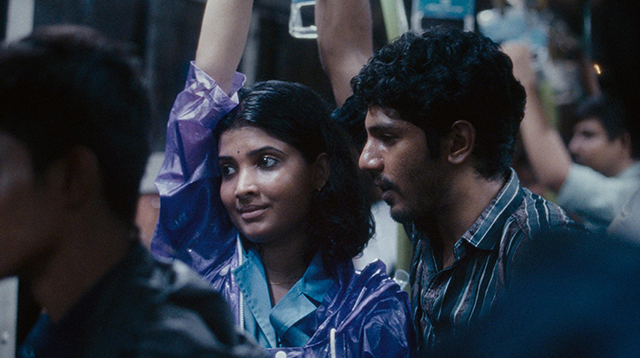
Their relationship is portrayed with tenderness and authenticity. Moments of stolen intimacy—a shared umbrella in the rain, whispered phone calls, secret meetings—are filled with both joy and tension. Anu disguising herself in a burqa to visit Shiaz’s neighborhood highlights the lengths they go to be together.
Anu faces scrutiny not only from society but at work too. Rumors swirl about her morality, and even Prabha initially judges her. But as their friendship grows, Prabha starts to understand Anu’s situation.
Her defiance is both brave and heartbreaking. She represents young women seeking control over their lives in a culture that frequently restricts that freedom. Her story poignantly looks at the enduring challenges of interfaith relationships and rigid cultural norms.
Parvaty’s Fight: Resilience in the Face of Displacement
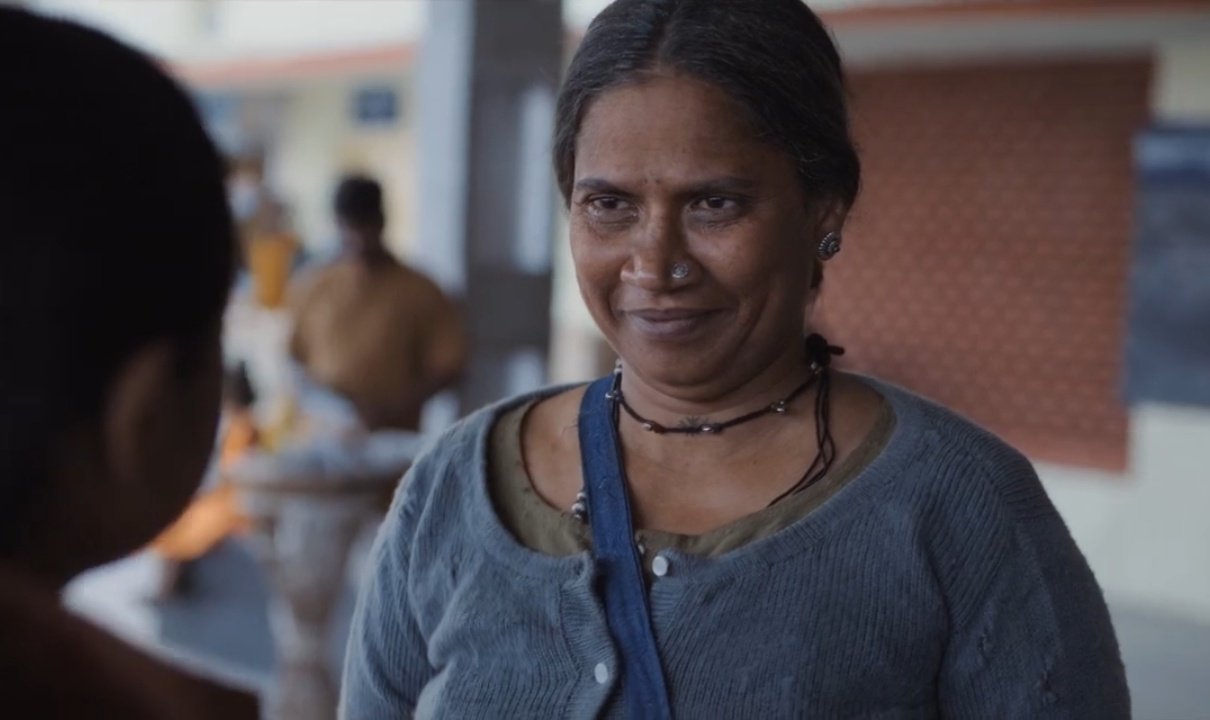
Parvaty’s battle against eviction mirrors the larger issue of urban displacement and the marginalization of the working class. A widow without legal proof of her residency, she is vulnerable to aggressive developers looking to cash in on Mumbai’s real estate boom.
The film shines a light on the bureaucratic hurdles and systemic injustices faced by people like Parvaty. Her home transcends being a physical space; it’s filled with memories and symbolizes stability in a constantly changing city. Losing it means more than finding a new place to live; it means losing a part of herself.
Parvaty’s strength lies in her resilience and unwavering commitment to her friends. Despite her struggles, she offers support and wisdom to Prabha and Anu. Together, they decide to accompany her back to her seaside village—a journey that becomes a turning point for all three.
Through Parvaty’s story, the film critiques relentless urban development that often ignores the humanity of those it displaces. It emphasizes the importance of community and the power of sticking together in tough times.
Visual Poetry: Cinematography That Breathes Life into Every Frame
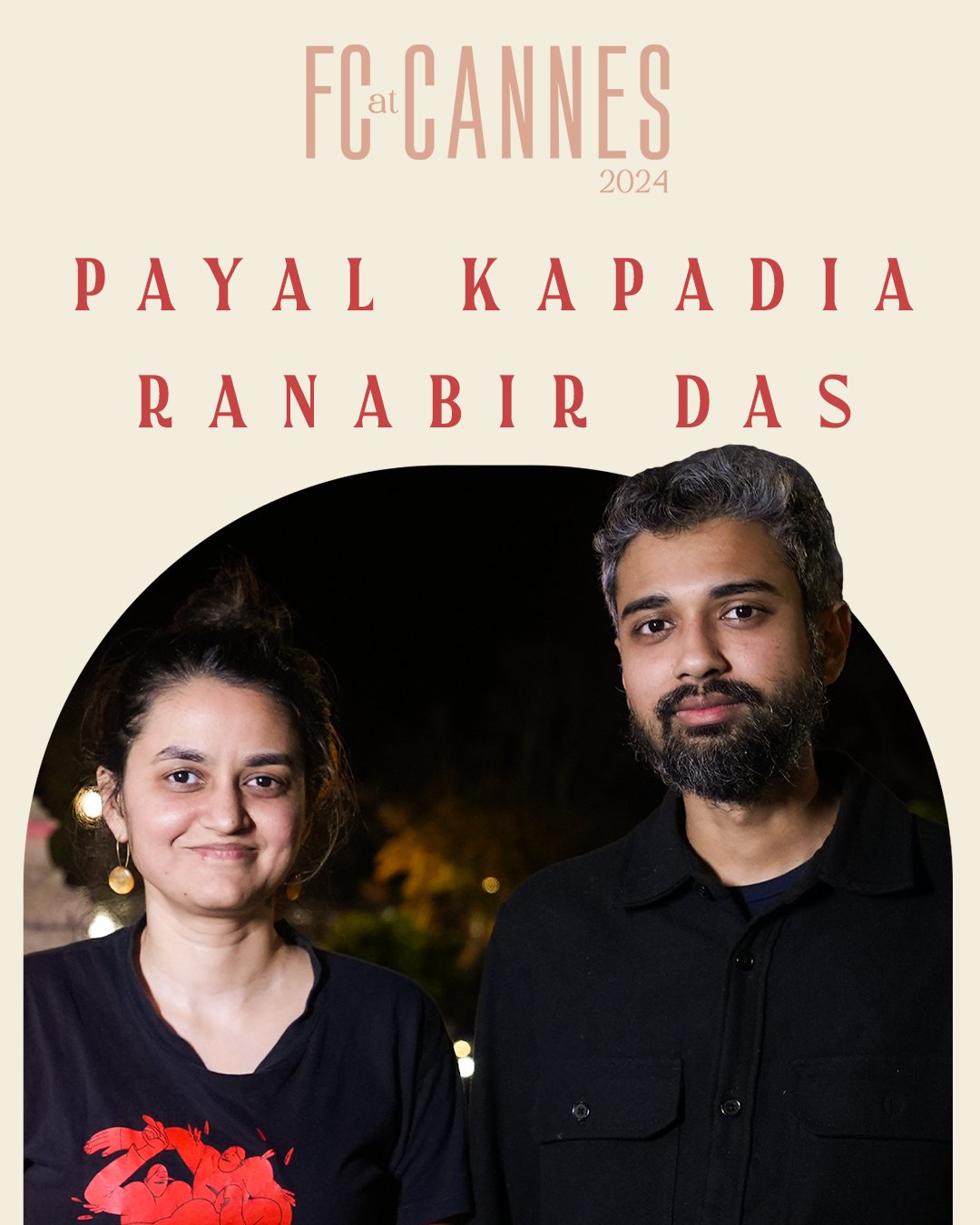
Director of Photography Ranabir Das creates a visual experience that is both stunning and deeply connected to the film’s emotional core. He captures the city with a casual luxury that’s all about the real lights—everything from the glow of cellphone screens to twinkling fairy lights and fireworks lighting up the Mumbai skyline. It’s like he’s tuned into every type of light Mumbai has to offer, and the visuals are absolutely stunning.
Being involved from the very start of the project, Das was part of the film’s vision from day one.
For months, Das and Kapadia exchanged ideas about how the film should look. They shared photographs, paintings, films, and internet videos to nail down the lighting, camera movement, texture, framing, geometric formations, and the color palette. This collaborative vibe got the director, cinematographer, and art department all on the same page.
Initially, they wanted to shoot on film to capture that classic cinematic feel, but budget constraints and the low-light conditions of many scenes made digital the practical choice. Das didn’t let that stop him from achieving the desired look; he accentuated film characteristics like grain during shooting and in post-production to give the film a textured, gritty feel.
Shooting in Mumbai is always an adventure. Das recalls how varied the filming conditions were: some interior locations were controlled environments, but many exteriors were anything but. And that’s exactly what they wanted—to embrace the city’s chaos and immediacy. “We had to improvise methods in order to retain its chaos and yet manage to shoot,” Das explains. When the story moves to Ratnagiri, a seaside town south of Mumbai, the challenges shifted to navigating remote, hard-to-access locations. But these efforts paid off, adding authenticity and depth to the film’s visuals.
Capturing Mumbai’s Dual Nature
The city scenes are shot with a mix of gritty realism and poetic flair. Handheld cameras navigate crowded streets and cramped apartments, pulling us into the characters’ lives. Natural lighting and ambient sounds make it all feel incredibly authentic—you are immersed in Mumbai, experiencing it firsthand.
Yet, amidst the hustle, Das finds moments of unexpected beauty. The glow of streetlights on rain-soaked streets, Prabha silhouetted against the skyline, shadows dancing in narrow alleys—all contribute to a visual narrative that is both raw and lyrical.
The cinematography highlights the contrast between isolation and connection. Close-ups capture the characters’ introspection, while wide shots emphasize the overwhelming vastness of the city, underscoring their feelings of anonymity.
Embracing the Serenity of the Seaside
When the story moves to the seaside village, the visuals shift. Warm tones, golden sunsets, and swaying palm trees create a tranquil atmosphere. The cinematography becomes more fluid—long takes, panoramic views, and slow-motion shots invite us to breathe with the characters.
The natural elements mirror the characters’ inner worlds. The ocean symbolizes freedom and the unknown, open skies represent possibility, and the rustic village reflects a return to simplicity and authenticity.
Das masterfully uses light and shadow to convey emotions. Soft, diffused light suggests introspection and vulnerability, while stark contrasts heighten tension or highlight internal conflict.
Blurring Reality and Imagination
Throughout the film, there are moments where the cinematography takes on a surreal quality, blurring the lines between reality and dreams. Subtle effects—a soft focus, shifts in color saturation, slow-motion sequences—create a dreamlike atmosphere.
These moments often align with key emotional beats: Prabha contemplating her marriage, Anu’s secret meetings with Shiaz, Parvaty reflecting on her past and future. The visual style reinforces themes of transformation and self-discovery, inviting us to delve deeper into their psyches.
Performances That Shine: A Cast That Captures the Soul
The film’s emotional impact owes a lot to its stellar cast, who bring depth and authenticity to their roles.
Kapadia’s commitment to authenticity shines through in her collaborative approach to casting and rehearsal. She spent extensive time working with her actors, allowing them to fully inhabit their roles. In a move reminiscent of “Big Boss” style immersion, the cast lived together for a month, exploring scenes and improvising dialogue.
This immersive process led to performances that feel genuine and nuanced. By fostering an environment where actors could contribute significantly to character development, Kapadia ensured that the film resonates with emotional truth.
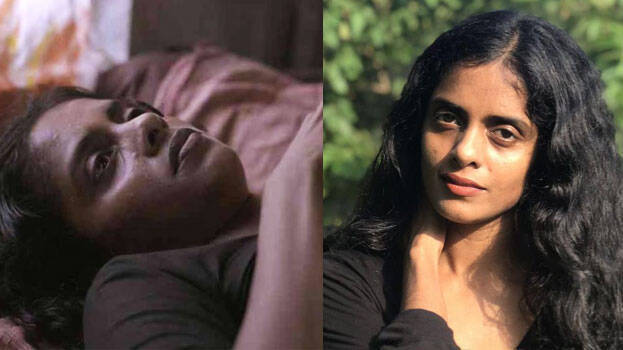
Kani Kusruti as Prabha: Kusruti delivers a nuanced performance as a woman torn between duty and self-realization. Her expressive eyes and subtle gestures convey a range of emotions—longing, resignation, hope, inner turmoil. She brings a quiet strength to Prabha, navigating her complexities with grace.
Kapadia noted that Kusruti initially found Prabha challenging, even saying, “My God, this character—why is she like this? I would never get along with her.” But through collaborative rehearsals, Kusruti brings Prabha to life in a way that is both relatable and compelling.
Divya Prabha as Anu: Prabha infuses Anu with vibrancy and depth by balancing youthful exuberance with the weight of societal pressures. Her chemistry with Hridhu Haroon’s Shiaz feels genuine, capturing the intensity and vulnerability of first love.
Interestingly, Divya often plays older characters, but here she gets to be closer to her real age, allowing her natural energy to shine through.

Chhaya Kadam as Parvaty: Kadam brings Parvaty to life with dignity and unwavering strength. She portrays the struggles of a woman fighting against bigger forces, highlighting her resilience and compassion.
Kadam’s personal connection to the region where the seaside scenes were shot adds layers of authenticity to her performance. She understood the dialect, the culture, and the experiences of women like Parvaty, making her portrayal deeply resonant.
Supporting Cast:
- Hridhu Haroon as Shiaz: Haroon offers a sensitive portrayal of Shiaz, going beyond the typical star-crossed lover trope. He brings depth to the character, showing Shiaz’s own struggles with societal expectations and his commitment to Anu.
- Azeez Nedumangad as Dr. Manoj: Nedumangad adds warmth to his role as the compassionate doctor. His interactions with Prabha are marked by genuine care, offering a counterpoint to her loneliness.
The ensemble works harmoniously, each performance enhancing the others and adding richness to the story.
Cultural Tapestry and Social Commentary: Reflecting Modern India
In an era where conversations around cultural identity and social constructs are increasingly at the forefront, All We Imagine as Light arrives as a poignant reflection of contemporary India. The film delves into the complexities of love, gender, class, and identity, offering a bold narrative that confronts these issues head-on without resorting to cliché or sensationalism.
Forbidden Love: Navigating Religious Divides
Anu and Shiaz’s relationship speaks to the universal struggle for acceptance, set against the backdrop of India’s deeply rooted religious tensions. By exploring the challenges faced by an interfaith couple—a Hindu woman and a Muslim man—the film provides an audacious platform for discussions around prejudice, societal ostracism, and the courage it takes to love against all odds.
Kapadia handles their story with sensitivity and respect, humanizing their experiences without reducing them to mere symbols of conflict. She prompts us to question ingrained biases, showcasing how arbitrary divisions can hinder genuine human connection.
Women’s Voices: Challenging Patriarchal Norms
The film places gender roles and the female experience at its core, highlighting the constraints imposed by traditional societal expectations. Through Prabha, Anu, and Parvaty, we witness the multifaceted struggles women face; from marital obligations and moral policing to legal disenfranchisement.
Kapadia’s portrayal moves beyond reductive stereotypes, offering narratives where gender identity is one element of multi-layered individuals navigating life’s complexities. By grounding their journeys in personal triumphs and resilience, the film emphasizes the importance of autonomy, self-determination, and female solidarity.
The Human Cost of Progress: Addressing Economic Inequality
Parvaty’s fight against eviction shines a spotlight on the broader issue of urban displacement, a point of contention in many rapidly developing societies and as a resident of Vancouver a crisis I HAVE RECENTLY COVERED and oh so familiar with. The film critiques relentless urbanization that often marginalizes the working class, exposing how “progress” can come at the expense of those with the least power.


By focusing on Parvaty’s personal struggle, Kapadia ensures that the audience feels empathy and understanding, rather than distancing themselves from the subject matter. The narrative questions development that disregards human dignity and community bonds, urging a reevaluation of what true progress means.
Identity and Belonging: The Mosaic of Migration
Set against the vibrant backdrop of Mumbai—a city where multiple languages and dialects intertwine—the film explores themes of identity and migration. Prabha and Anu, originally from Kerala, grapple with feelings of displacement, reflecting the experiences of many who seek opportunities while striving to preserve their cultural heritage.
This linguistic and cultural diversity enriches the narrative, emphasizing both the opportunities and alienation that come with life in a melting-pot metropolis. By delving into their internal conflicts, the film speaks to the universal quest for belonging in an ever-changing world.
Kapadia doesn’t shy away from confronting complex and often controversial issues. Instead, she weaves them into deeply personal stories that resonate on multiple levels. The film serves as a mirror, reflecting not only the societal constructs of modern India but also the universal challenges of identity, love, and self-realization. It’s a narrative that invites empathy and understanding, grounding its social commentary in the intimate journeys of its characters.
A Visionary Filmmaker: Dreams, Symbols, and the Art of Storytelling
Already a well established auteur, Payal Kapadia won the Golden Eye award for best documentary film at the 2021 Cannes Film Festival for her film A Night of Knowing Nothing. In 2017, her short film Afternoon Clouds was the only Indian film that was selected for the 70th Cannes Film Festival.

Emerging as a filmmaker who defies convention. Her work seamlessly blends realism with dreamlike symbolism, crafting narratives that challenge traditional boundaries and invite deeper contemplation.
The Rice Cooker: An Alien Artifact of Domesticity
The rice cooker sent by Prabha’s estranged husband serves as a potent symbol. Anything but a seemingly mundane object; it’s a potent symbol of domestic expectations, unfulfilled promises, and the intrusion of material objects into personal relationships. Inspired by stories that use everyday items to explore deeper emotional landscapes, she transforms the rice cooker into a vessel of meaning—almost like a genie’s lamp conjuring the ghost of an absent partner.
Weaving this symbol into the narrative, Kapadia offers a bold exploration of how tangible objects can carry intangible weight, embodying Prabha’s internal struggles and the complexities of her disconnected marriage.
Dreams and Reality: Blurring the Lines
Her works often inhabit the space between dreams and reality. Influenced by her upbringing (her father was a psychoanalyst) she treats dreams as integral experiences, not just subconscious musings. This manifests in moments where the surreal feels tangible, such as when Prabha’s husband seemingly materializes. It’s a storytelling choice that challenges viewers to embrace a more fluid perception of reality.
By blurring these lines, she delves into the psychological depths of her characters, highlighting the internal conflicts that shape their journeys. It’s a narrative technique that adds layers of complexity without resorting to cliché or sensationalism.
Sounds and Silence: Crafting an Auditory Experience
The film’s sound design is meticulously crafted to mirror the characters’ inner worlds. Sometimes intentionally disjointed, the auditory landscape creates a sense of disorientation that draws the audience deeper into the emotional currents of the story.
This approach adds richness to the narrative, transforming the viewing experience into an immersive journey. By focusing on the emotional resonance of sound, she ensures that the audience connects with the characters on a more profound level.
Digital Threads: Modern Connections
In today’s interconnected world, relationships often unfold in the digital realm, and this film doesn’t shy away from this reality. Text messages and phone interactions play significant roles in the film, reflecting how contemporary connections are maintained and strained through screens.
These technological elements serve as extensions of the characters’ secret lives—silent conversations that carry profound weight. By integrating modern communication into the narrative, Kapadia highlights the complexities of intimacy and isolation in the digital age, without reducing them to mere plot devices.
Behind the Controversy: Oscars, National Identity, and Global Cinema
Now, let’s talk about the drama behind the drama. Despite its critical acclaim and winning the Grand Prix at Cannes, All We Imagine as Light was overlooked for selection as India’s submission for the international-film Oscar. Instead, the Film Federation of India (FFI) went with Laapataa Ladies, a broader comedy by Kiran Rao.
The FFI president, Ravi Kottarakara, reportedly said that Kapadia’s film resembled a European film set in India rather than an Indian film set in India. This brings up a recurring issue where globally appealing or artistically daring films are overlooked in favor of more mainstream choices. Remember when India passed over RRR a couple of years ago? Still scratching our heads over that one.
Kapadia shared her thoughts, pointing out that cinema is moving beyond national boundaries and should be embraced as a universal language. She finds the Oscars’ current system “a bit archaic,” and honestly, I fully agree.
She financed her film by looking outside India (a sad state of affairs given the country she’s from), teaming up with Paris-based producers Thomas Hakim and Julien Graff. This international collaboration reflects the global nature of modern cinema; a blend of cultures and perspectives. Interestingly, as I mentioned earlier France even considered submitting All We Imagine as Light for the Oscars before India had a chance, though they ultimately went with Emilia Pérez, another film with cross-cultural roots.
This situation highlights the challenges independent filmmakers in India face. With Bollywood’s star-driven spectacles dominating the industry, opportunities for intimate, character-driven stories like Kapadia’s are scarce. Yet, these films offer fresh perspectives and push the boundaries of cinema.
Final Verdict
🌟🌟🌟🌟🌟
Now, this one hits close to home for me. My mom’s side of the family has lived and breathed Mumbai—true-blue Mumbaikars, jhakaas folks all the way. The bustling streets, the vibrant food, the relentless spirit’s in my blood. Watching this film felt like hopping on a local train through stories and memories that have shaped my family’s history. It resonated in a way that’s tough to put into words, but I’ll give it my best shot,
BHIDU
Even though I was born and raised in Kenya, my cinematic journey started with Bollywood films every weekend at my uncle’s movie theatre in Mombasa. Watching those films ignited my passion for cinema. Now, this film isn’t from Bollywood or even India apparently—according to the esteemed folks at the Film Federation of India (FFI)—but it does involve Mumbai. Having grown up on classic Bombay movies like Jaane Tu… Ya Jaane Na, Wake Up Sid (Ranbir Kapoor’s character in that film is just like me, fr fr!), Luck By Chance, Once Upon a Time in Mumbaai, Ak vs AK (which I stand by as the best thing Anurag Kashyap has been involved in, fight me Gangs of Wasseypur fanboys) and A Wednesday, to name a few (if you know Bollywood, you can probably guess my age based on this list— as I’ve left off all-time classics like Bombay (1995) and Satya (MUMBAIII KAA KING KAUUUUN). I’ve always been fascinated by films that capture the essence of “The City of Dreams.”
(Eat your heart out Vancouver)

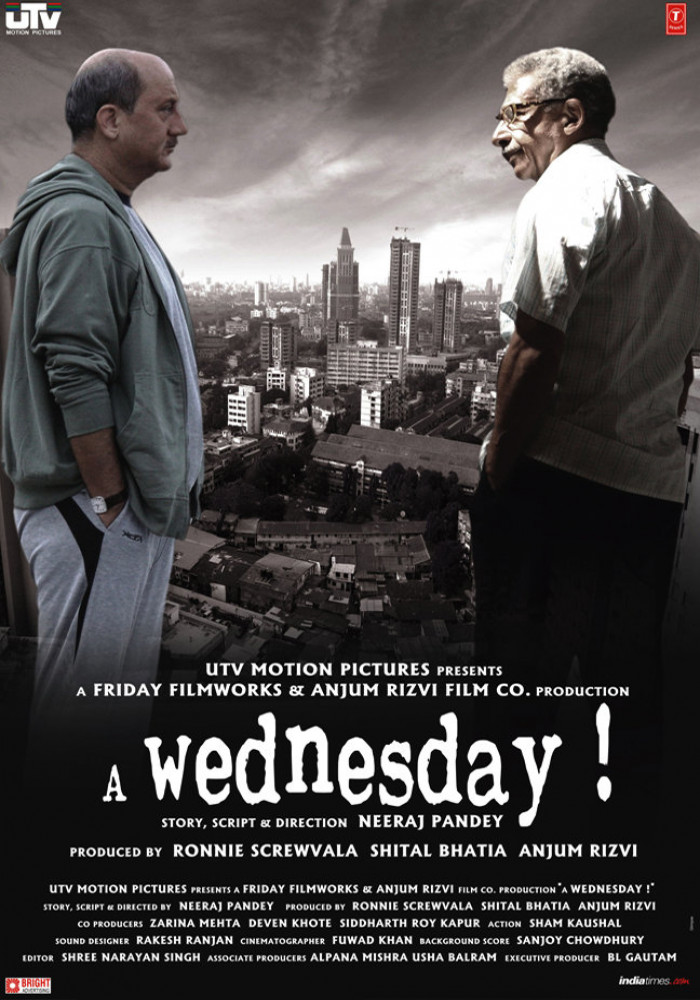



These movies beautifully showcase quintessential aspects of Mumbai—whether it’s romanticizing the rains or the hustle and bustle of the city’s trains. All We Imagine as Light lands right in there, skillfully capturing the spirit of this metropolis and rekindling my love affair with the city.
The packed local trains, street vendors selling spicy vada pav, the blend of modern skyscrapers and colonial-era buildings; it all felt like a love letter to the city I know and love. Total timepass, but in the best way possible.


Vancouver‘s Jaysus’s 2016 pilgrimage to MUMBAIIIIII (ft. my gorgeous mother back in her time!)
While Emilia Perez dazzled us with its genre-defying boldness and historical accolades at Cannes (and with Karla Sofía Gascón likely polishing her Oscar acceptance speech as we speak 🏆). Anora swept us away with its poignant storytelling and Palme d’Or victory, All We Imagine as Light carves its own niche. It shines through its subtle storytelling and profound emotional impact, offering a heartfelt portrayal of everyday lives transformed by extraordinary courage.
The film’s strength lies in its authenticity and emotional depth. Kapadia doesn’t resort to melodrama or sensationalism. Instead, she trusts her audience to engage with the nuanced characters and the quiet power of their stories. It’s a film that lingers long after the credits roll, prompting reflection on the complexities of love, friendship, and the search for self in a world of contradictions.
It reminded me of the resilience and spirit of Mumbai, a city that, much like the characters in the film, continues to thrive amidst challenges. Full paisa vasool, if you ask me.
🌟🌟🌟🌟🌟
And there you have it, fellow Jaysuits! Another cinematic gem dissected and celebrated. 🎬✨ As we continue our journey through VIFF 2024, stay tuned for more deep dives, surprise reviews, and behind-the-scenes insights. Who knows? Maybe my next review will catch the eye of another future Oscar winner. Mr A.R Rahman, if you’re reading this (of course you are…after all, Jesus was a messiah described by Allah….why this reference? the A stands for Allah in his name my fellow Jaysuits…), let’s make it happen! 😉
Trust me, the festival has many more stories waiting to be told, and you won’t want to miss a single frame!
🎥☕ Until next time, keep the coffee brewing and the conversations flowing!

For more updates and to follow my adventures, connect with me on:



Make a one-time donation
Make a monthly donation
Make a yearly donation
Choose an amount
Or enter a custom amount
Your contribution is appreciated and serves my coffee addiction.
Your contribution is appreciated.
Your contribution is appreciated.


© VIFF 2024
One response to “All We Imagine as Light: A Luminous Journey Through Sisterhood and Self-Discovery at VIFF 2024”
[…] VIFF 2024, where we delved into masterpieces like ANORA , CONCLAVE, EMILIA PEREZ and ALL WE IMAGINE AS LIGHT, to the groundbreaking realms of generative cinema with ENO, you know I’m all about diving […]