


Jay Shah
DevOps\Aerospace Engineer & Journalist


Jaysuits, it’s not every day you witness an ensemble that channels the strength of the African Diaspora, the resilience of rural traditions, and the dynamic energy of contemporary artistry. As February rolls in, bringing the spotlight on Black History Month, the DanceHouse stage is set to host something truly transformative. Sankofa Danzafro, Colombia’s renowned Afro-dance ensemble, is landing on the 21st and 22nd at the Vancouver Playhouse with their vibrant, forward-thinking performance:
“The City of Others“

Founded by the electrifying Rafael Palacios in 1997, they have one goal: to use dance as a megaphone for stories that deserve to be heard. Palacios and his company invite us to rethink cities as spaces of shared strength, echoing the spirit of African community values where
“What I own is for everyone.”
And what better way to honor it than to witness a performance that reimagines the urban landscape as a space of inclusion and collective strength?
As someone who grew up in Kenya, a place where music and movement are as essential as the air we breathe, I’ve always been drawn to stories that take me back to my roots. Named after the Akan term Sankofa, meaning “to return to the root”, this ethos guides their work; to understand the past as a way to navigate the present and envision the future.
Having explored my country’s influences in Vancouver whether it be through the high energy Msingi Fitness Movement last summer—a fitness movement that unites African beats with holistic well-being; to re-discovering the rich culinary traditions of East Africa at Cayenne Bistro, it’s clear that cultural expressions from the African diaspora resonate far beyond borders.
🌆 The City of Others: Where Dance Rewrites Urban Stories💃
What does it mean to belong in a city?
What if they weren’t just spaces of concrete and chaos, but vibrant stages where stories of resilience and unity took center stage?
That’s the vision of Palacios and the incredible performers of Sankofa Danzafro
It means reclaiming urban spaces as places of inclusion. It is a deeply personal and cultural exploration, crafted to commemorate Colombia’s 159th anniversary of the abolition of slavery. Through an electrifying blend of Afro-Colombian rhythms and contemporary dance, the performance promises to delve into the lived experiences of exclusion and oppression while imagining a city transformed into a sanctuary of belonging. Drawing from traditional music like Vallenato, Currulao, and Bullerengue, Palacios infuses these rich cultural sounds with the energy of modern hip-hop and Latin beats, creating a pulsating, forward-looking narrative of shared strength.
Sankofa Danzafro: Dancing Through History, One Story at a Time
Let’s journey to Medellín, Colombia, where the heartbeat of a people pulses through every step and rhythm. This is the home of this dance company that transforms the stage into a vibrant canvas of history.
Palacios, a masterful choreographer and fierce advocate, pulls from his own experiences with systemic injustice to craft performances that radiate resilience; as well as a disciple of African dance legend Germaine Acogny, channeling rhythms from Africa, Europe, and Latin America to create choreography that defies borders. Driven by the belief that dance is both a weapon and a shield. As he puts it,
“Dance is a voice in favor of equity. It was our voice when we were denied the word”
Powerful, isn’t it?
With this ethos, they aim to challenge narratives shaped by oppression, reclaiming history from the perspective of the marginalized. Rhythms like Currulao and Bullerengue—genres deeply rooted in Afro-Colombian culture—(which I’ve thoroughly broken it down for you below my fellow Jaysuits) merge with contemporary movements inspired by urban landscapes.
The result?
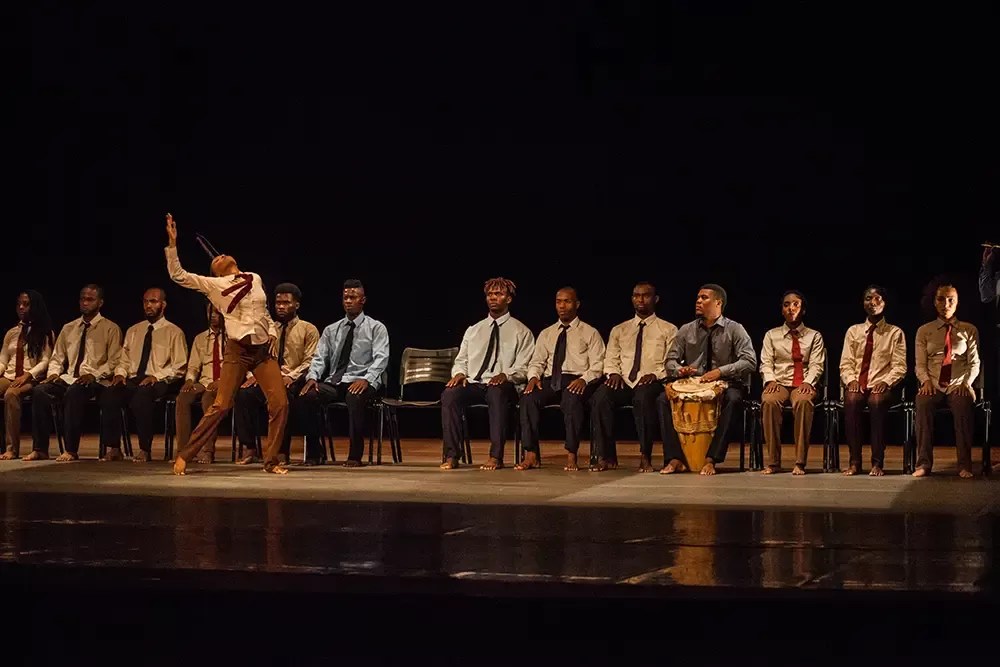
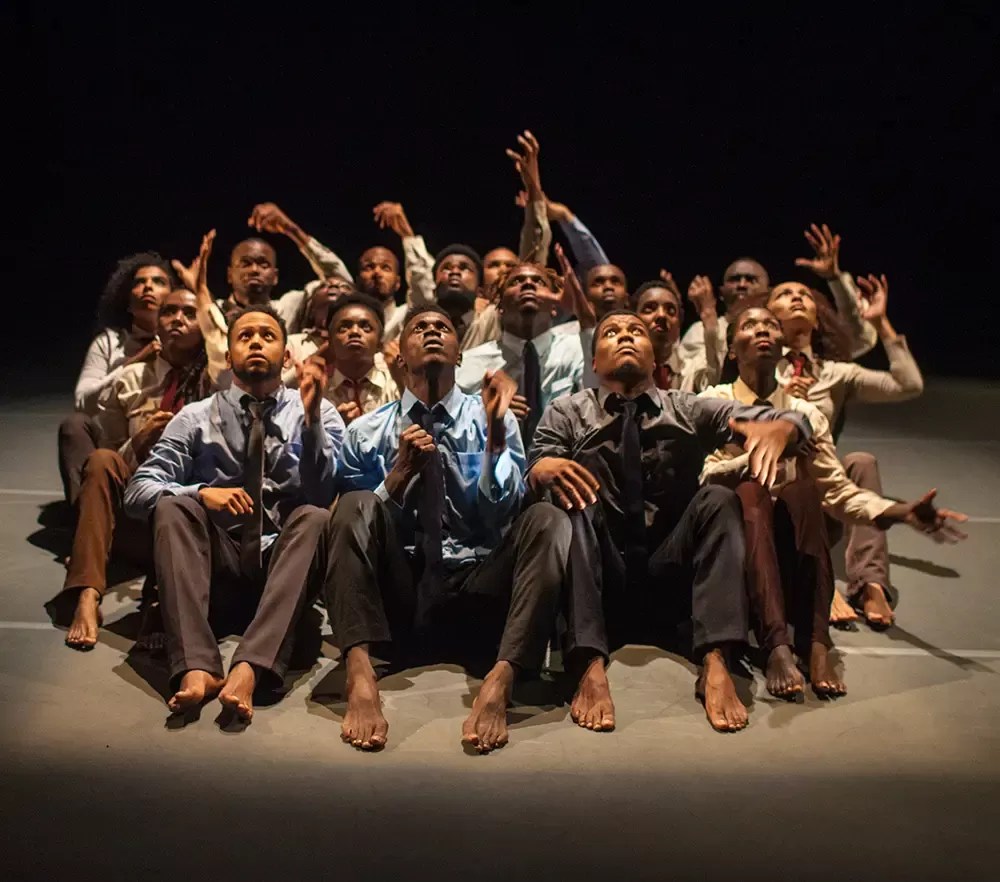
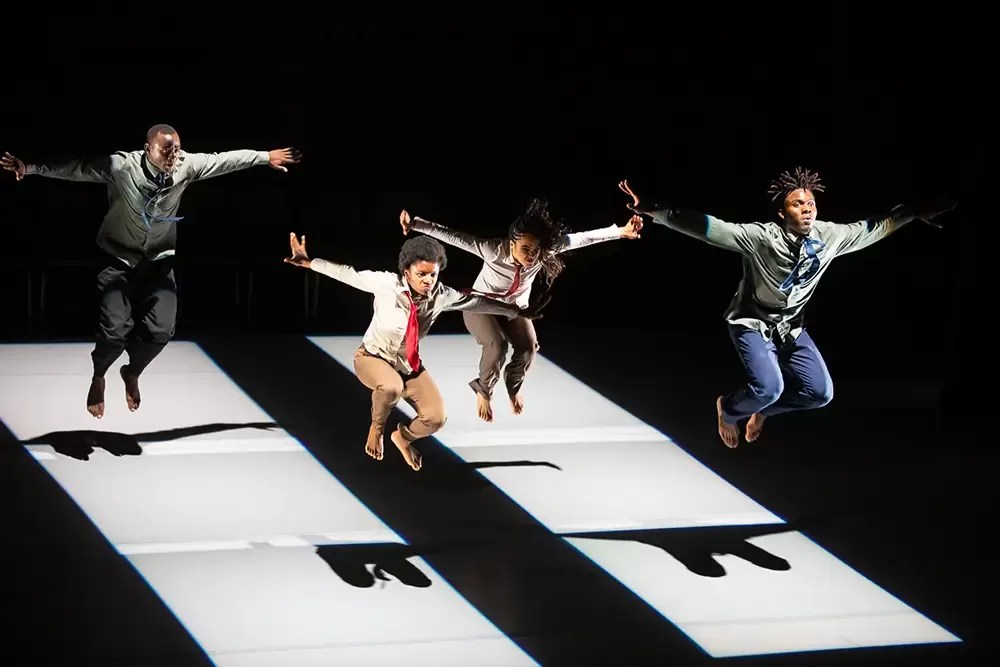
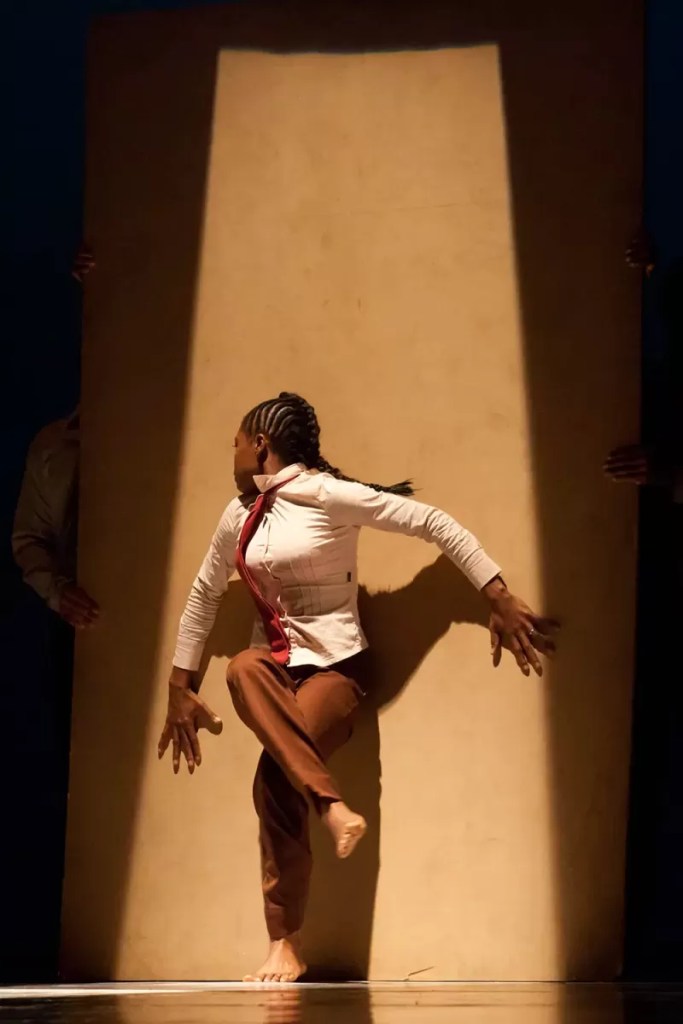
Performances that feel as vast and complex as the stories they tell. Here’s where it gets even more compelling: The City of Others is set against the backdrop of urban life, a reality where prejudice and isolation often dominate. But Palacios flips the narrative, envisioning cities as spaces of inclusion and shared belonging. It’s a concept that resonates globally; whether in Medellín, Nairobi, or Vancouver. After all, who hasn’t yearned for a city that feels like home?
Country Roads anyone…?
And let’s not forget their global footprint. From performances in Jamaica, France, and Brazil, to accolades like the UN’s recognition for Afro-descendent social inclusion, this ensemble is a testament to the power of art as activism. It’s no wonder they’re hailed as a beacon for representation and equity in the performing arts.
💃Rhythms of Resistance: Afro-Colombian Traditions Meet Contemporary Beats🎶
Dance, in its purest form, is a language, a way to speak without words; transforming emotion into movement.
This performance is a striking mix of Afro-Colombian rhythms and modern urban beats. Traditional forms like Vallenato, Bullerengue, Currulao, and Abozao deeply rooted in Colombia’s Pacific and Atlantic coasts take center stage, blending seamlessly with urban genres such as hip-hop and techno. This dynamic fusion not only pays homage to Afro-Colombian heritage but also brings its timeless relevance to modern audiences.
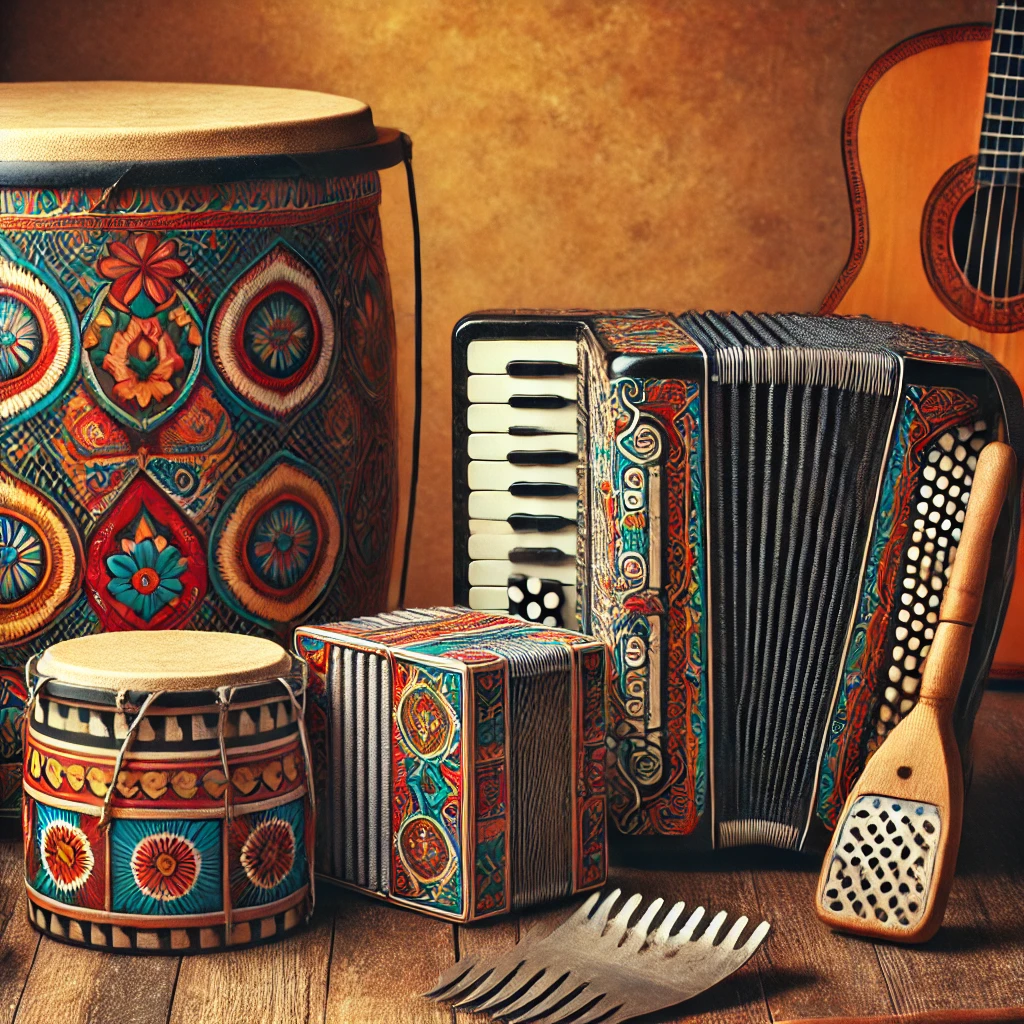
Vallenato:
Translating to “born in the valley,” originated from Colombia’s Caribbean region, particularly the city of Valledupar. This genre is a vibrant fusion of African, Spanish, and Indigenous musical traditions. Historically, traveling minstrels, known as “juglares,” would traverse villages, narrating tales of love, folklore, and news through their songs.
The hallmark of Vallenato is its distinctive instrumentation:
Accordion: Introduced by German immigrants, it leads with lively melodies.
Caja Vallenata: A small drum of African origin, providing rhythmic foundation.
Guacharaca: A scraper instrument from Indigenous roots, adding a unique percussive texture.
Bullerengue:
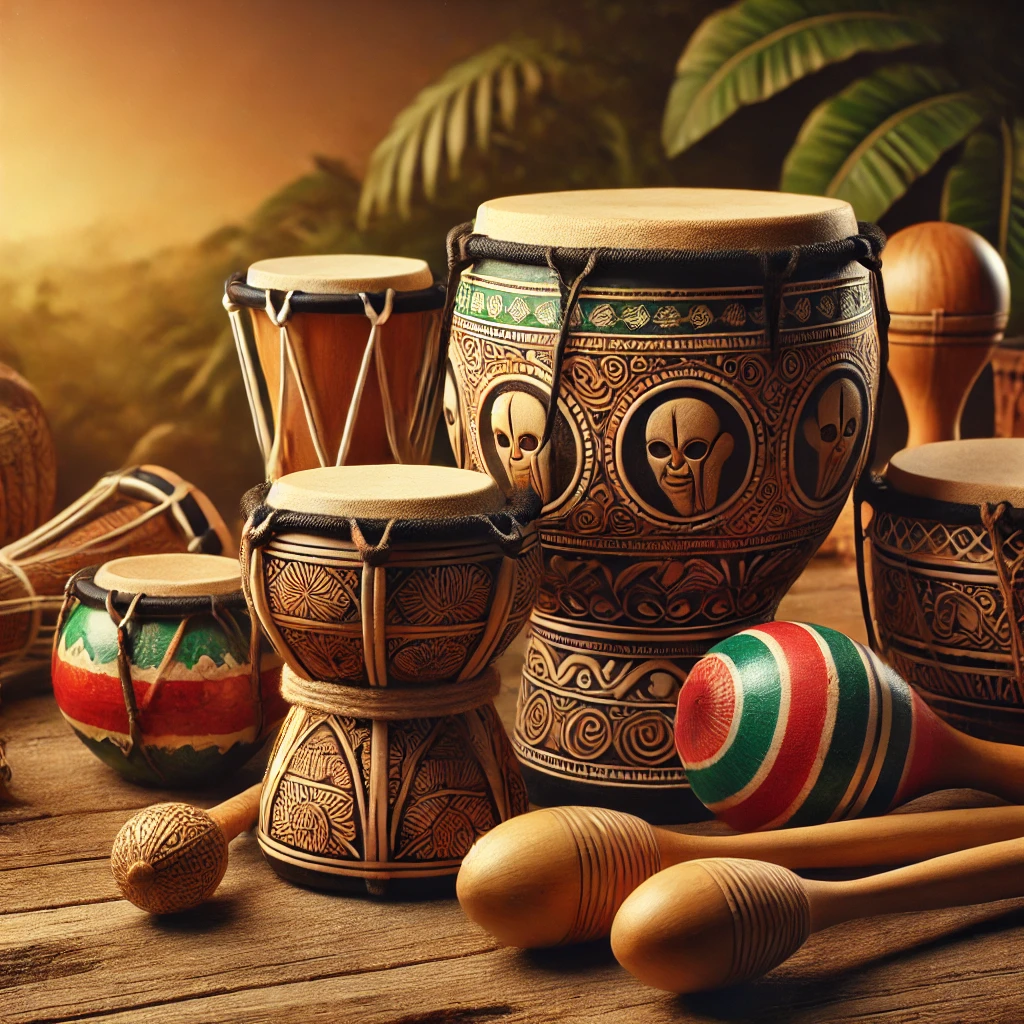
Translating to “born in the valley,” originated from Colombia’s Caribbean region, particularly the city of Valledupar. This genre is a vibrant fusion of African, Spanish, and Indigenous musical traditions. Historically, traveling minstrels, known as “juglares,” would traverse villages, narrating tales of love, folklore, and news through their songs.
The genre is characterized by its call-and-response singing style, where a lead singer’s emotive verses are echoed by a chorus, fostering a communal musical experience. Instruments like the tambora and maracas provide rhythmic support, enhancing the dance’s dynamic and sensual movements.
Currulao & Abozao:
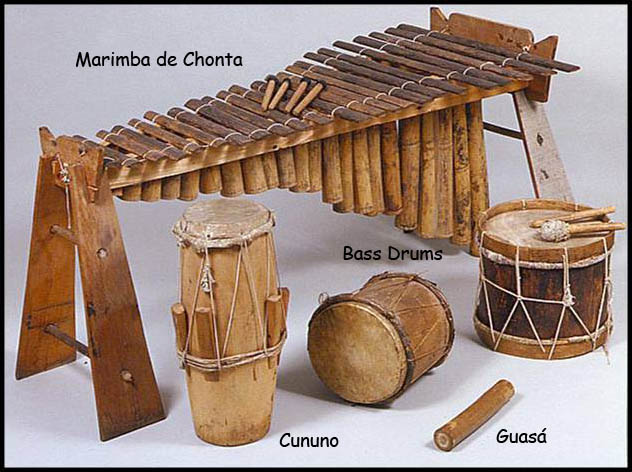
Currulao is a traditional Afro-Colombian music genre from the Pacific coast featuring marimbas, drums, and call-and-response singing. Currulao ensemble are all percussion instruments: The marimba de chonta, which gives harmonic and rhythmic support to the Currulao and the Cununos, the bass drums and the Guasá that give rhythmic support. The marimba de Chonta is made using a native kind of bamboo called Guadua for the resonance tubes and Chonta wood for the slabs, it is it is normally played by two people: One in charge of the high register and the other one for the lower register. The Guasá is made with a hollow guadua tube filled with dry seeds or pebbles.
The music is often accompanied by dance, creating a vibrant and communal experience that celebrates the resilience and unity of these communities.
Abozao is another traditional rhythm from Colombia’s Pacific region, characterized by its lively tempo and intricate drum patterns. Like Currulao, Abozao plays a significant role in the cultural expressions of Afro-Colombian communities, with its lively tempo, further showcaseing the rich rhythmic diversity of Colombia’s Pacific heritage, energizing audiences with its buoyant pulse.
Your Front Row Seat to Transformation
Vancouver is no stranger to cultural mashups, but The City of Others? It’s in a league of its own; especially for a Kenyan like me:
It’s personal
Here I am, thousands of miles away, about to witness a performance that echoes those same values I grew up with; community building and truth-telling but through the lens of Colombia’s vibrant Afro-diasporic culture.
Tickets for The City of Others start at just $35, a steal for a performance of this caliber.
💡 When and Where?
- Dates: February 21, 2025, at 8 pm; February 22, 2025, at 2 pm & 8 pm
- Venue: Vancouver Playhouse, 600 Hamilton St, Vancouver
🎟️ Tickets:
- Starting at $35 (yes, thirty-five bucks for this level of brilliance is a steal).
- Available at DanceHouse.ca or by calling 604.801.6225.
🌟 Extras to Sweeten the Deal:
Post-Show Social: Friday night’s performance comes with an added treat—a chance to connect with the artists and fellow audience members in the Salon. Bring your questions, reflections, and maybe even your dance moves!
Pre-Show Talks: Fancy some insider scoop? Arrive early—7:15 pm for the evening shows, 1:15 pm for the matinee—and catch a deep dive into the themes and artistry behind this masterpiece.
As we honor Black History Month this February, this performance serves as a vibrant reminder of the stories we must amplify, the histories we must reclaim, and the futures we must envision together. It’s not every day that a stage becomes a bridge, connecting us to struggles and triumphs that echo across continents. So, let’s come together. Let’s dance through history, celebrate resilience, and imagine cities where every story finds its place. See you at the Playhouse Jaysuits!
Don’t let this experience slip by.
For more updates and to follow my adventures, connect with me on:


Make a one-time donation
Make a monthly donation
Make a yearly donation
Choose an amount
Or enter a custom amount
Your contribution is appreciated and serves my coffee addiction.
Your contribution is appreciated.
Your contribution is appreciated.
DonateDonate monthlyDonate yearly

© Copyright DanceHouse/Seismic Shift Arts Society. All Rights Reserved
One response to “🌟 The City of Others: Sankofa Danzafro’s Dance Revolution in Vancouver 🌍”
[…] 2025 not only ushers in this incredible exhibition at no cost, but also brings us deeper into Black History Month, another celebration of cultural resilience we can’t […]