

Jay Shah
DevOps\Aerospace Engineer & Journalist
Jaysuits, in the heart of Metro Vancouver, amidst the ongoing fight to preserve cultural identity colliding with the pressures of gentrification, the Richmond Art Gallery is set to host a landmark exhibition this April, bringing home one of Vancouver’s most under-celebrated voices
Mary Sui Yee Wong
with:
“Restless by Nature“


1990s to the Present
Curated by Zoë Chan, this exhibition arrives at a critical moment. As our city grapples with skyrocketing rents and the erasure of cultural landmarks, Wong’s retrospective serves as both a tribute and a rallying cry.
Opening April 12, 2025, this is a celebration of Wong’s decades long career. Born in Hong Kong and raised in Vancouver’s Chinatown, her work pulses with the same resilience and creativity that fuels grassroots movements like SaveChinatownYVR, which has battled luxury developments like 105 Keefer Street to protect the neighborhood’s soul.

For Wong, art is a form of resistance. Her installations, performances, and socially engaged projects (which I’ve broken down below for you fellow Jaysuits); spanning sculpture, photography, and even faux fashion, interrogate themes of cultural appropriation, anti-Asian racism, and the immigrant experience. From her seminal Well Wishers (1992), which reimagined the bathhouses where Chinese railroad workers sought solace (later expanded in Well Wishers II at Montreal’s McCord Museum in 1995), to Yellow Apparel (2001), a biting critique of Orientalism, Wong’s work mirrors the struggles and triumphs of Vancouver’s Chinatown itself: a community fighting to preserve its heritage while navigating the tides of change.
Roots: From Hong Kong to Vancouver’s Chinatown
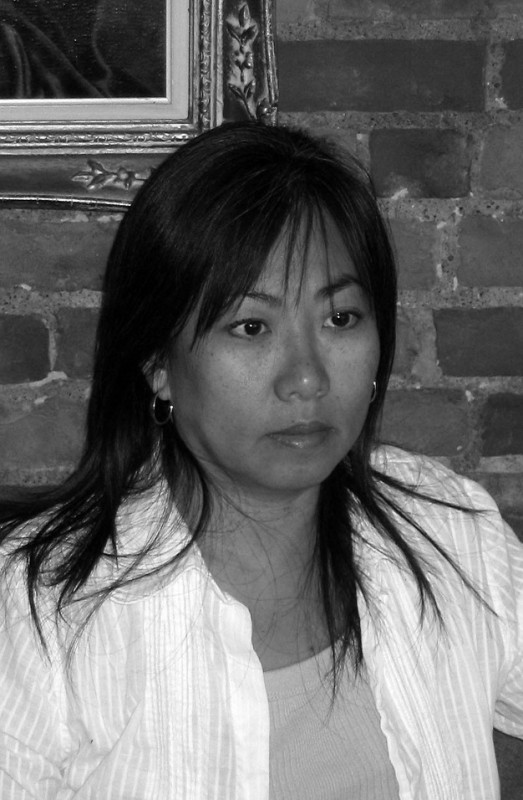
Her story begins in Hong Kong, where she was born in 1956. At the age of seven, she immigrated to Canada with her family, settling in Chinatown; a neighborhood that would become both her home and a wellspring of inspiration. Growing up there, she witnessed firsthand the resilience of a community that had carved out a space for itself in the face of systemic racism and exclusion.
Chinatown in the 1960s was a vibrant, tightly knit enclave, but it was also a place of struggle. The Chinese Canadian community, largely composed of laborers who had built the Canadian Pacific Railway, faced discrimination in housing, employment, and education.
Wong’s father, Toa Wong, was a renowned Cantonese opera master and a pillar of the community. His dedication to preserving Chinese culture through music and performance left a lasting impression on her, instilling a deep appreciation for the power of art as a form of resistance and cultural preservation.
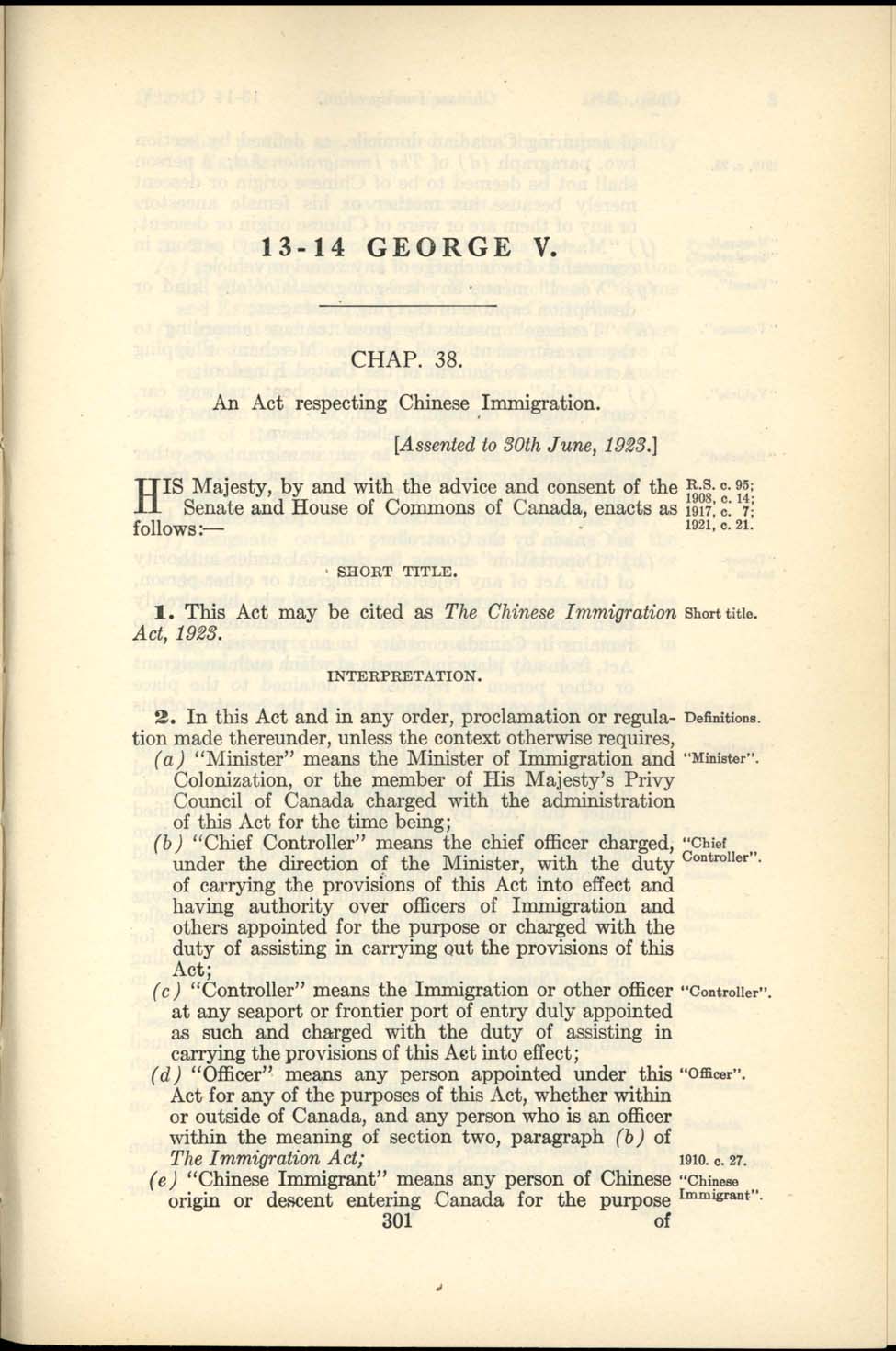
In 1885, immediately after construction on the Canadian Pacific Railway was complete, the federal government passed the Chinese Immigration Act, which stipulated that, with almost no exceptions, every person of Chinese origin immigrating to Canada had to pay a fee of $50, called a head tax (up to $500 by 1904) and the 1923–1947 Exclusion Act, which barred family reunification.. No other group in Canadian history has ever been forced to pay a tax based solely on their country of origin.
“It was an attempt to basically discriminate against the Chinese,” Dr. Yu (a professor of History at the University of British Columbia) explained. “…it was a way to alter the flow of migrants to the new Canada to be weighted towards European and in particular British migrants.”
This early exposure to the intersection of art and activism would shape Wong’s own artistic journey. As a child, she was drawn to creative expression, but her path to becoming an artist was not straightforward. Initially discouraged from pursuing a career in the arts, she found herself navigating the tension between her family’s expectations and her own aspirations. It wasn’t until her thirties that she fully embraced her calling, enrolling in Concordia University’s Fine Arts program, where she earned both her BFA and MFA.
Deeply rooted in her identity as an immigrant and her experiences growing up, Wong’s installations often draw on personal and collective memories, exploring themes of displacement and cultural hybridity. A symbol of resilience, a testament to the ways in which marginalized communities create spaces of belonging in the face of adversity.
As Wong recalls: ‘I wanted to use materials like handmade paper to talk about Chinese immigrant histories—something missing in Western contemporary art.’ Inspired by artist Sharyn Yuen’s use of traditional paper-making to narrate immigrant stories, Wong began merging ancestral techniques with contemporary forms.
This connection is particularly evident in her 1992 installation Well Wishers, which recreated the bathhouses where Chinese railroad workers gathered to share stories and find solace & Cagemaker. These spaces, often overlooked in mainstream narratives, were vital to the community’s survival, offering a refuge from the racism and exploitation that Chinese laborers faced. By bringing these hidden histories to light, she challenges us to reconsider the stories we tell about our past and the spaces we choose to preserve.
Legacy and Mentorship – Wong’s Impact on Asian Diaspora Art
Wong’s influence extends far beyond her own creations. Over two decades, she has nurtured generations of Asian diaspora artists, fostering spaces where marginalized voices can thrive. Her legacy is not merely one of individual achievement but of collective empowerment—a ripple effect that has reshaped Canada’s artistic landscape.
Pedagogy as Resistance
For over twenty years at Concordia University’s Studio Arts program, Wong has cultivated what she terms “socially engaged art pedagogy.” This approach, detailed in program materials, emphasizes three pillars:
- Community-Embedded Practice: Students develop projects responding to their local contexts, as seen in her Goddard College program where artists created trauma-informed workshops for Syrian refugees in Toronto.
- Material Histories: While specific assignments aren’t documented, exhibition notes reference her focus on “how materials themselves carry memories and histories,” particularly through traditional Chinese paper-making techniques.
- Institutional Critique: As stated in her 2021 interview: “The luxury of being trained in Western contemporary art traditions is so that you know how to play with aesthetics… to challenge the colonialistic gaze.”
Little Pear Garden Collective: Reclaiming Performance
During her presidency (2004-2011) of this Toronto-based Chinese performance group, Wong facilitated what archival materials describe as “experimental intercultural works.” The collective’s mandate focused on:
Hybridizing Cantonese opera with contemporary forms
Creating space for diasporic artists excluded from mainstream venues
Mentoring emerging Asian Canadian performers
Institutional Advocacy: By the Numbers
Wong’s board memberships reveal a consistent pattern of systemic intervention:

Oboro Gallery (2011-2013): Advocated for Québecois-Chinese artist exchanges
Optica (1998-2003): Instituted explicit BIPOC representation quotas
Yuet Sing Music Association (1990-present): Preserved Cantonese opera through youth mentorship, with program records showing 15+ musicians trained since 2005
The Socially Engaged Arts Program Blueprint
Co-founded in 2018 at Goddard College, this BFA program’s structure includes:
Distance Learning Model: Students create site-specific works in their communities
Core Curriculum: Combines studio practice with courses like “Art as Community Organizing”
Documented Outcomes: Includes a 2020 project documenting oral histories in Manila’s informal settlements
Exhibition as Testament
Restless by Nature curator Zoë Chan undersocres this legacy:
““We are thrilled to celebrate the work of Mary Sui Yee Wong in this long overdue retrospective of her work, which was seen on and off in Vancouver and Montreal in the 1990s and 2000s,” shares Chan in a release. “She often exhibited in alternative sites or on more ephemeral platforms, so it’s exciting to bring key works from her corpus together in one space. Her importance can equally be felt in her mentorship of Asian diaspora artists, her teaching of numerous students in Concordia University’s Fine Arts program, her work in Montreal’s artist-run-centre scene, and her advocacy in the local Chinese Canadian community. It is truly an honour to be able to present her work to audiences here and I hope this exhibition will generate fresh interest in Wong’s multifaceted practice.”
Verified Impact Metrics
From institutional records:
8 community organizations founded by former students
100% of her Goddard College graduates (2018-2023) pursued arts-based community work
The Ripple Effect
Wong’s greatest legacy may be her refusal to be siloed. She is as likely to appear at a Chinatown protest as a gallery opening, her presence a reminder that art and activism are inseparable. As Zoë Chan notes, “Mary doesn’t just make art about resistance—she builds ecosystems where resistance can flourish.”
In this way, Restless by Nature is not an endpoint but a node in a larger network. It invites viewers to see Wong’s career as a blueprint—not for individual success, but for collective liberation.
Restless by Nature : Material Alchemy
From sculpture and photography to video and costume, her multidisciplinary practice defies categorization, blending traditional techniques with contemporary innovation. At the heart of her work is a deep engagement with materiality; each piece a vessel for memory, history and cultural identity.
“It is absolutely essential to the work that I am doing. When I decided to become an artist it wasn’t just about getting my ideas out there. Perhaps it’s due to my opera background, while my spatial interest is probably due to my dance background, but the relationship between different materials and form is tantamount to my concern. Materials and form are deeply embedded with meaning and can tell a lot about one’s history and one’s heritage. One of the most important things for me is to identify materials that allow for a relationship between me as a Chinese-Canadian and my personal history. In consciously choosing to work with materials that function as cultural markers, I also seek to create common ground that open up conversations to allow others to share their personal experiences.”
Mary Sui Yee Wong
Well Wishers
Sculpting Memory and the Bathhouses of Resilience
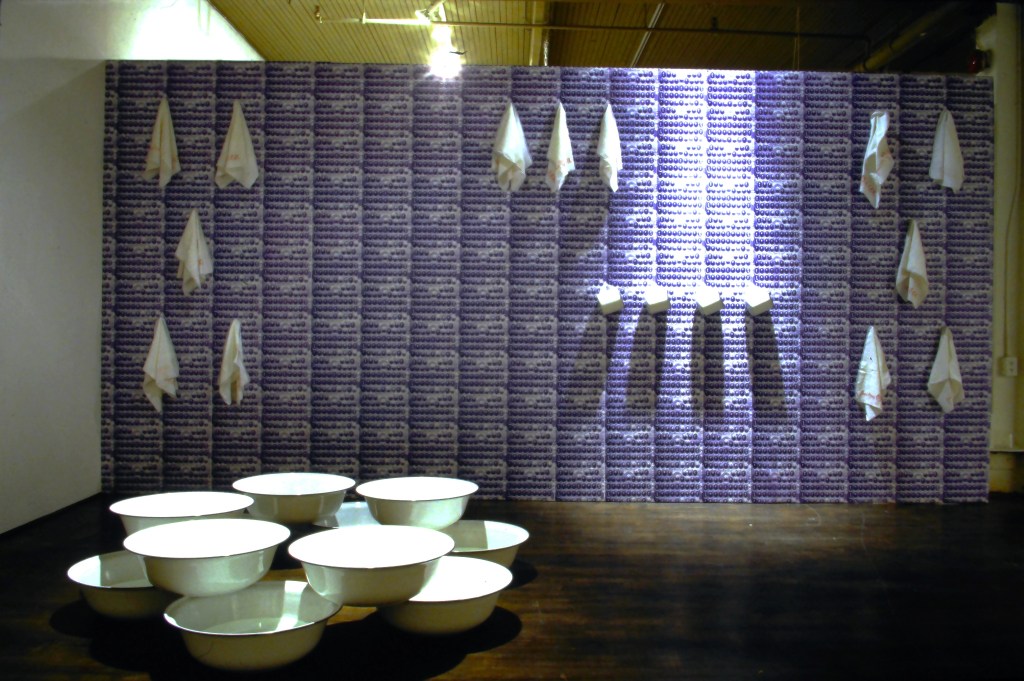
One of Wong’s most iconic works, Well Wishers (1992), is a poignant exploration of the hidden histories of Vancouver’s Chinatown. The installation recreates the bathhouses where Chinese railroad workers gathered after long days of grueling labor. These spaces, often overlooked in mainstream narratives, were not only places to wash away the grime of hard work; they were spaces of solidarity and survival.
Using archival photographs of Chinese men
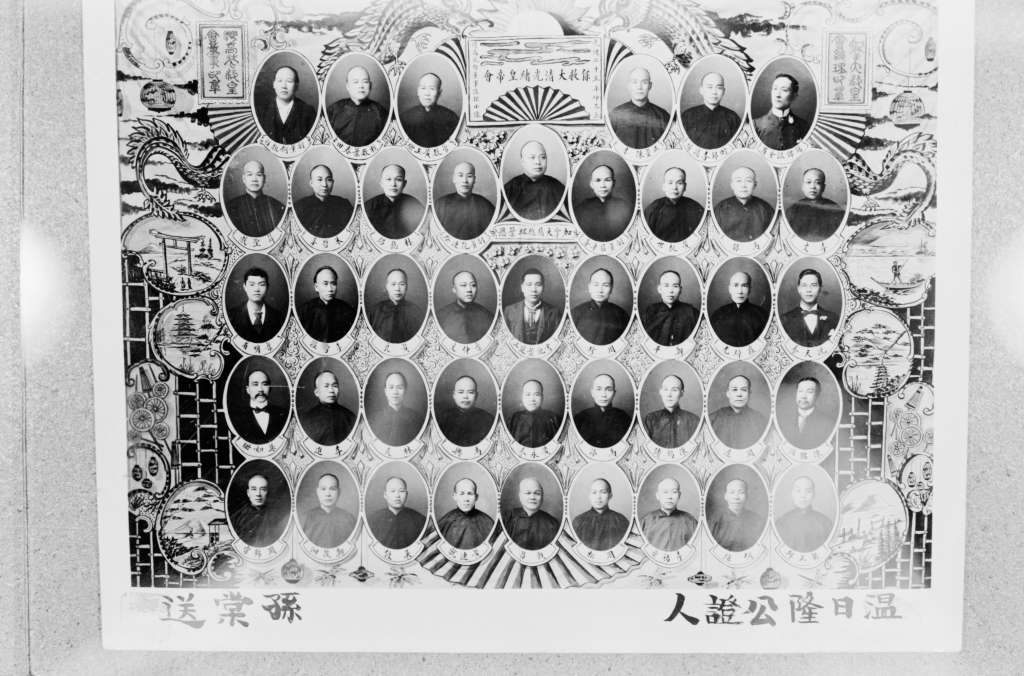
Wong transformed their images into blue-and-white tiles reminiscent of traditional Chinese porcelain. The tiles, arranged to mimic the walls of a bathhouse, are both beautiful and haunting. Up close, the faces of the workers emerge, their expressions a silent testament to the resilience of a community that endured systemic racism and exploitation.

These tiles critique Thomas Minton’s Blue Willow Pattern, a superficial Western imitation of Chinese porcelain design.
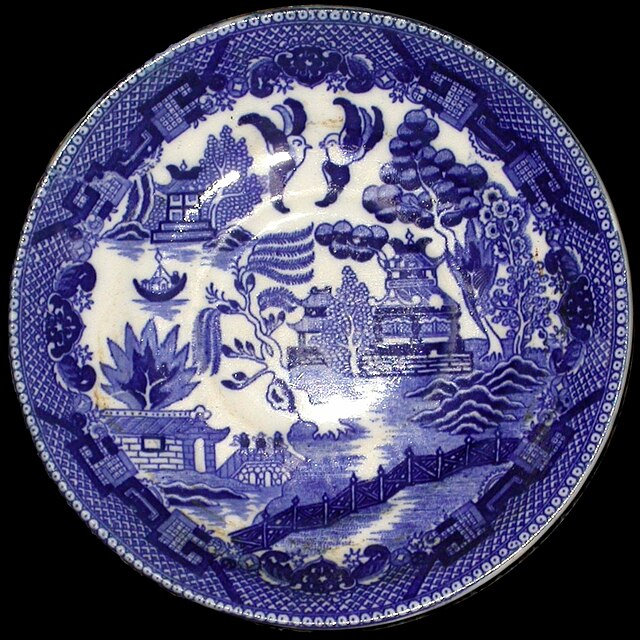
Wong explains:
‘Chinese people have a tremendous sense of pride [which] includes not showing in public what affects us. Well Wishers looks at how people lived daily lives with happiness despite adversity. The tiles look like a pattern from afar but reveal real faces up close—history hidden in plain sight.’
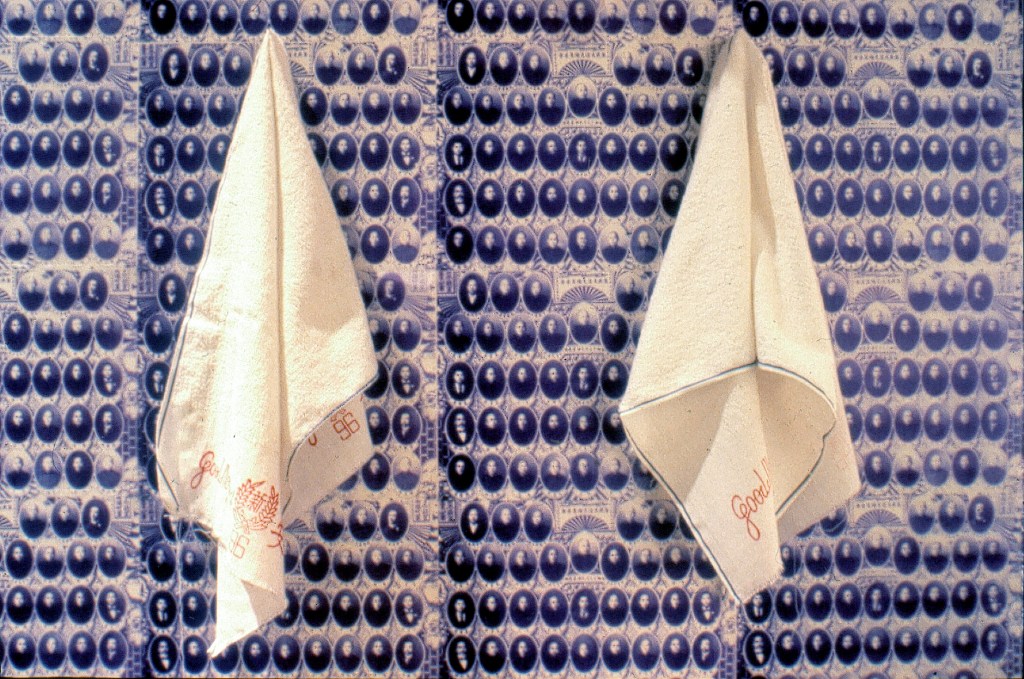
The installation also includes everyday objects like towels, each imbued with cultural significance. One towel bears the phrase “Good Morning” in both English and Chinese, a nod to the dual identities of Chinese Canadians; and porcelain bowls,arranged in a well-shape symbolize communal cleansing and resilience.
Through these materials, Wong invites viewers to consider the ways in which everyday objects carry the weight of history and memory.
Yellow Apparel
Fashion as Subversion Against Orientalism
In Yellow Apparel, Wong turns her attention to the fashion industry, using clothing as a medium to critique Orientalism and cultural appropriation. The series began as costumes for Concordia University’s Postcolonial English Society performances, featuring garments made from fabric adorned with stereotypical Asian motifs; dragons, pagodas, and cherry blossoms, reimagined as high-fashion pieces.
‘Unlike the ’80s, conversations about identity in the new millennium allowed more irony and cynicism. I wanted to explore globalization’s complexities through faux fashion.’
– Wong
She dissects the commodification of Asian identity, a process paralleled in gentrified spaces where cultural symbols are stripped of context and sold as décor. Her faux-fashion line, adorned with dragons and cherry blossoms, confronts the reduction of culture to consumable motifs. This critique extends to many of Vancouver’s hisotic areas and not just Chinatown, where traditional shops are supplanted by trendy cafés selling “exotic” aesthetics. It challenges us Jaysuits to ask:
Who profits from these narratives, and who pays the price?
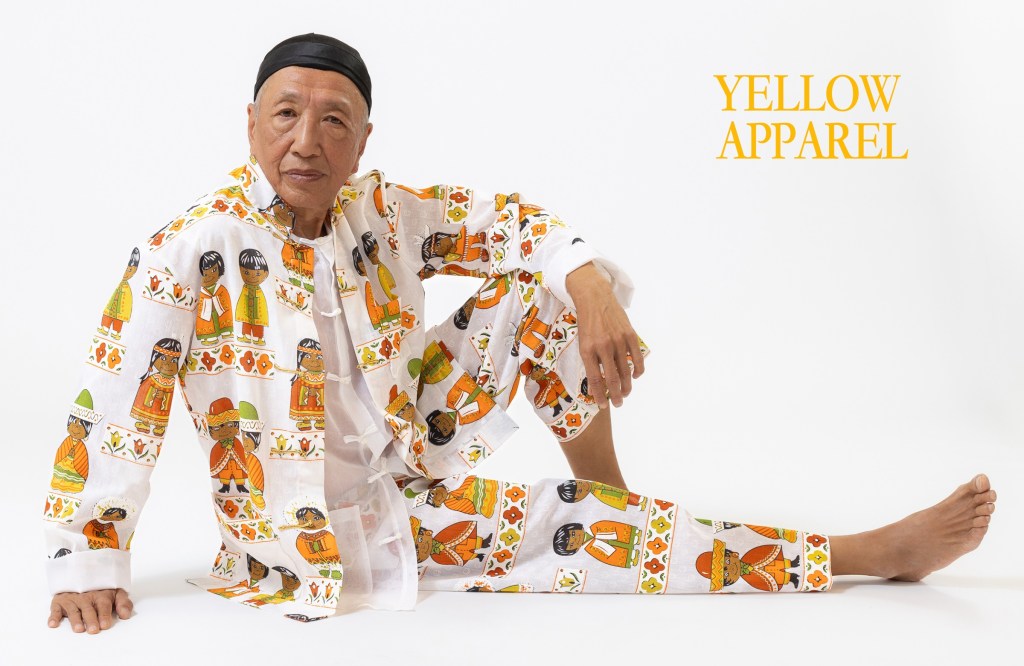
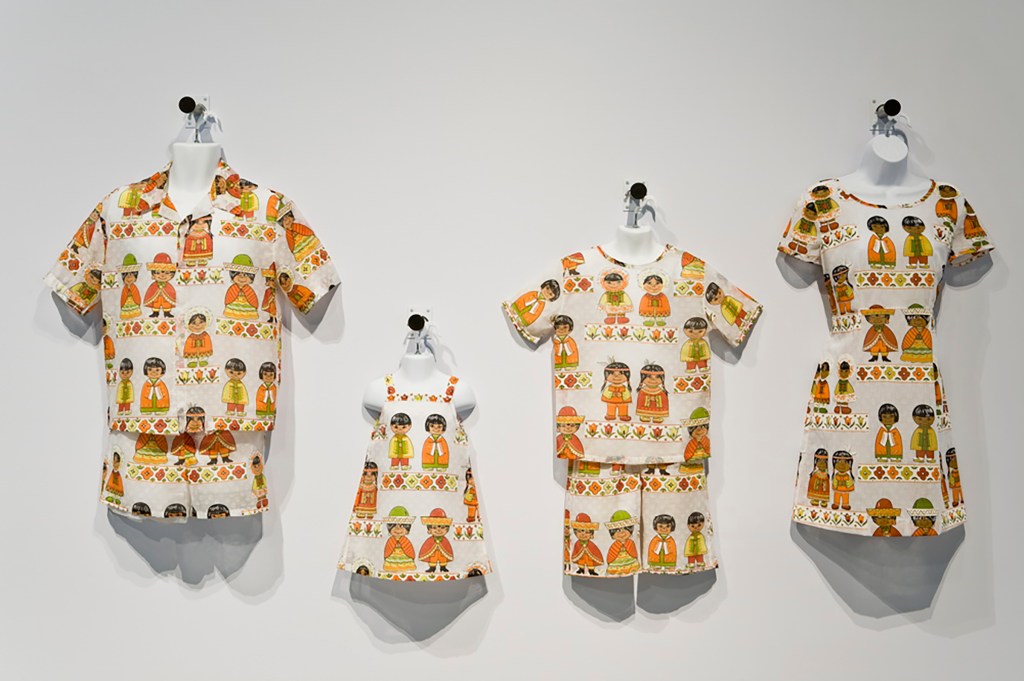
The title is a play on the brand American Apparel and the racist term “yellow peril,” which has been used to stoke fear and prejudice against Asian communities. By reclaiming these stereotypes, Wong challenges the ways in which Asian identities are commodified and exoticized in Western culture.
The project took on new meaning when several pieces were stolen during an exhibition; an act that Wong interpreted as a form of cultural erasure.
A theme that resonates deeply in a neighborhood where cultural heritage is often overshadowed by profit-driven development
I couldn’t continue making anymore garments because the fabric was no longer being manufactured. So, I turned to other mediums such as photography, mass produced postcards and newspaper ads as a natural extension of my idea.
Undeterred, she has continued to explore the themes of Yellow Apparel through photography and mass-produced postcards, ensuring that the conversation around cultural appropriation remains alive.
Nature Morte
Flocked Furniture and the Ghosts of Chinatown
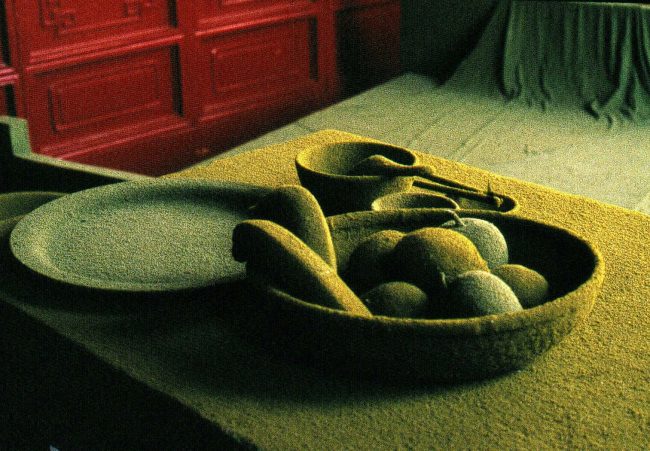
In Nature Morte, Wong uses flocked furniture and everyday objects to explore themes of memory and loss. For her 2025 retrospective, she creates a new iteration of this installation using items sourced from our very own Chinatown, each covered in soft, velvety flocking. The result is a surreal landscape that feels both familiar and spectral.
Wong explains:
‘The flocking creates a sense of distance, as if these objects are frozen in time. It’s a way of preserving the past while acknowledging its fragility.’
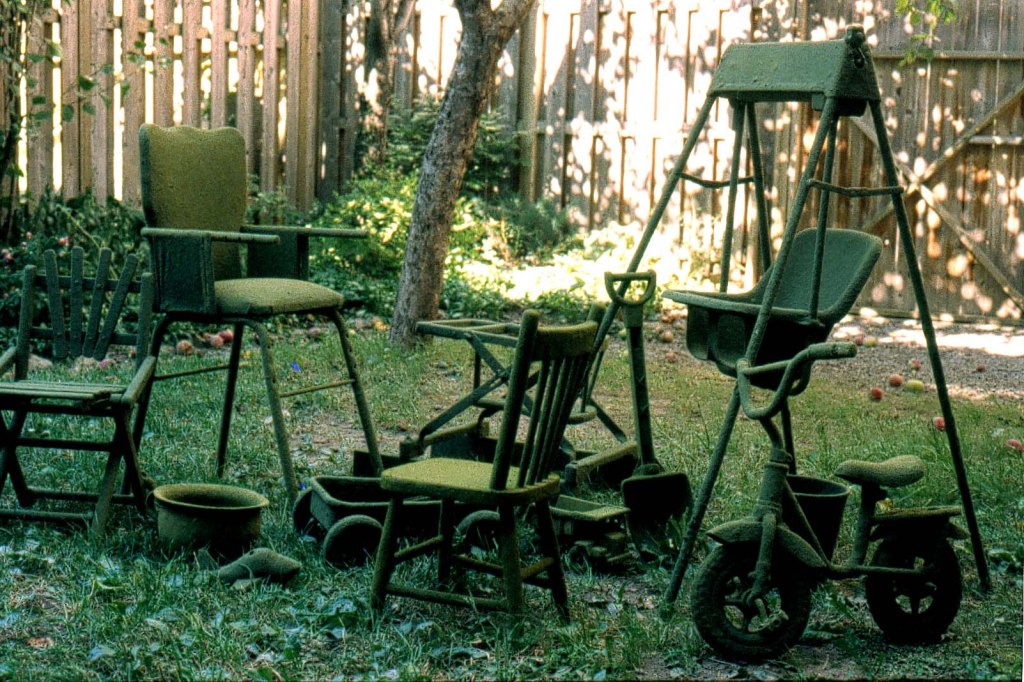
The work is deeply tied to the ongoing struggles of Chinatown’s gentrification, where rising property prices are threatening to erase the neighborhood’s cultural heritage. By transforming everyday objects into works of art, she invites us to consider the value of the spaces and stories that are often taken for granted.
Cagemaker
Confronting the Politics of Visibility
In Cagemaker (1995), Wong evokes the sense of loss and cultural dislocation. Cages are used, but made of wire mesh, suspended from the ceiling with small ceramic cups, photographs and texts laminated onto slips of translucent fabric, placed within. Lone light bulbs, amber and orange, dangle amidst the skeletal frames of a bed and chair. The work interrogates the dual burden of hypervisibility and erasure faced by racialized bodies.
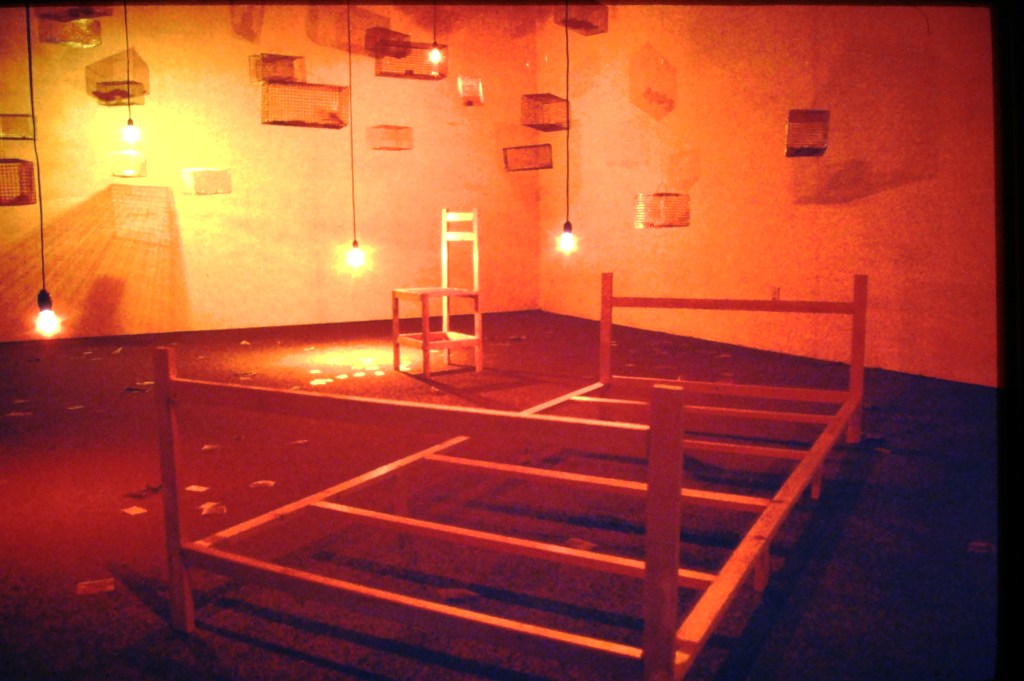
The images and texts from her personal and media archives are intertwined with newsworthy events such as historic policy changes to Canadian Immigration laws and Hong Kong’s repatriation. The bed, chair and cup are basic home furnishings stripped more bare, even. The melodramatic lighting and slowly rotating cages evoke a sense of cultural and visceral dislocation, in a space, spacious yet constricted. For those whose migration is involuntary, who embark on a journey into uncharted experiences, their frames of reference in the new world may make no sense at all. Understanding has been skewed.
Wong states:
‘The Cage Maker commemorates those who endure alienation and psychic anguish in adapting to a new world. Fear of the unknown—language, customs, dominant cultures—can rupture one’s sense of reality.’
This tension between confinement and agency mirrors broader struggles for autonomy, mirrorinbg the duality faced by racialized bodies: hypervisibility as “foreigners” and erasure of their lived histories. Rotating slowly, the cages symbolize the tension between confinement and agency,transcending any single geography to speak to global narratives of marginalization.
Performance as Protest – Breaking Boundaries
Wong’s art transcends static forms, erupting into visceral performances that confront systemic inequities and intergenerational divides. Through collaborative acts and embodied storytelling, she transforms galleries into stages of resistance, mirroring the urgency of grassroots movements while carving out spaces for healing and reclamation.
Gold Mountain:
Alchemy of Destruction and Renewal
In Gold Mountain, Wong will stage a ritual of rupture and rebirth. A pagoda maquette (an emblem of exoticized Asian architecture) is set to be shattered before the audience, its fragments meticulously gilded with gold leaf, into a glimmering mosaic. The act is both violent and transformative, rejecting Orientalist fantasies while reclaiming agency over cultural narratives.
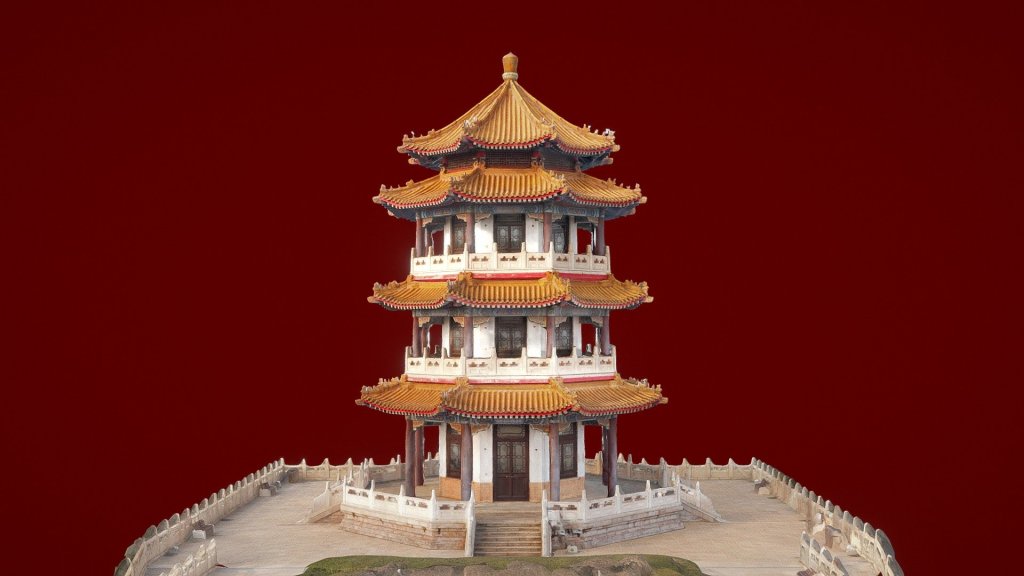
The pagoda’s demolition mirrors the danger and destruction faced by Asian communities under neoliberalism; particularly poignant after the surge in anti-Asian violence post-COVID, while the gilding process embodies ‘forging beauty from ugliness’
This act serves as a roadmap. The shattered pagoda, rebuilt in gold, mirrors the resilience of communities worldwide navigating urban transformation. It suggests that destruction can seed renewal, but only if guided by those who remember what was lost. As cities globalize, her work urges a redefinition of “development” to center care over capital, memory over markets.
Sing Juk Sing:
Bridging Generations, Languages, and Loss
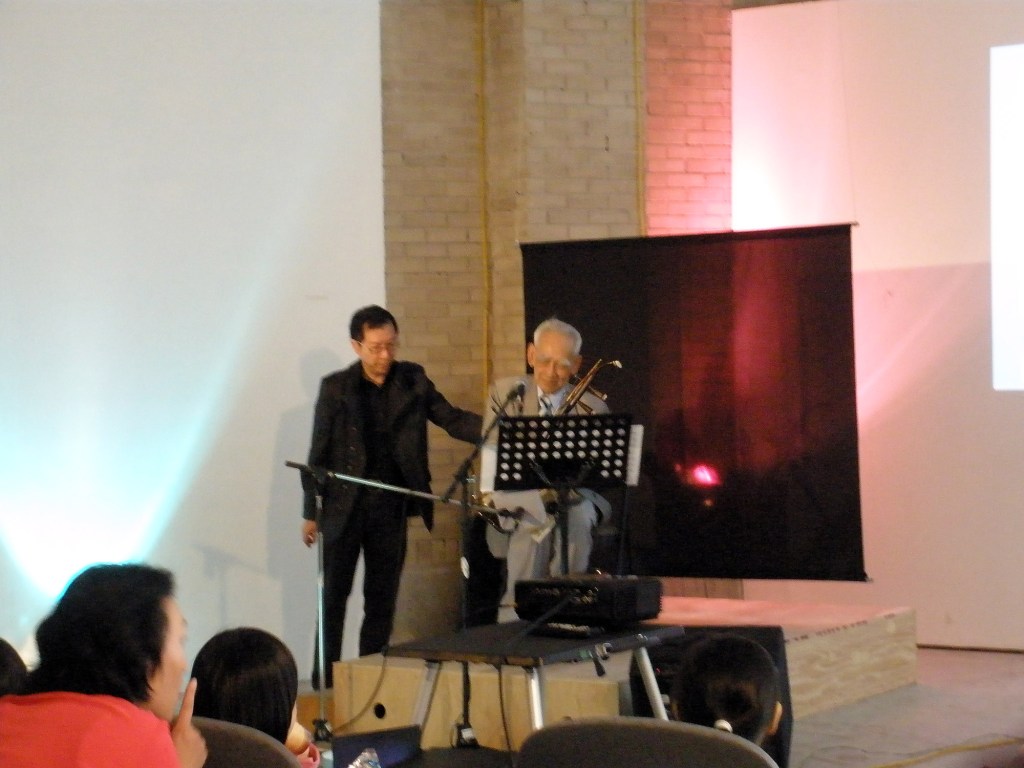
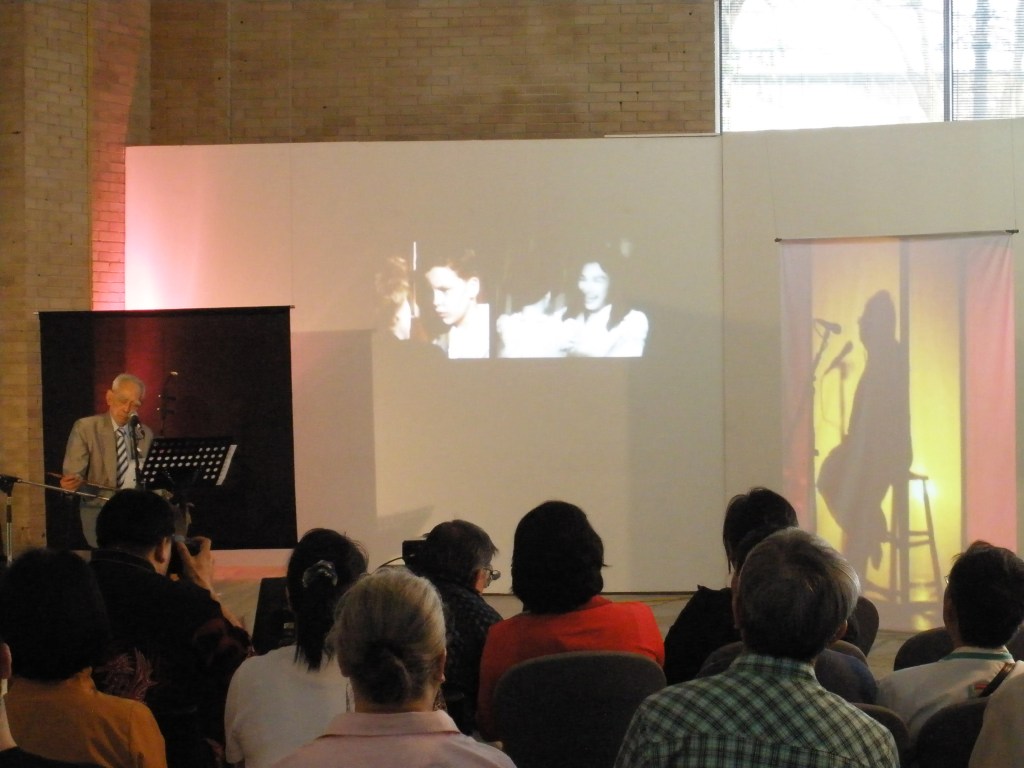
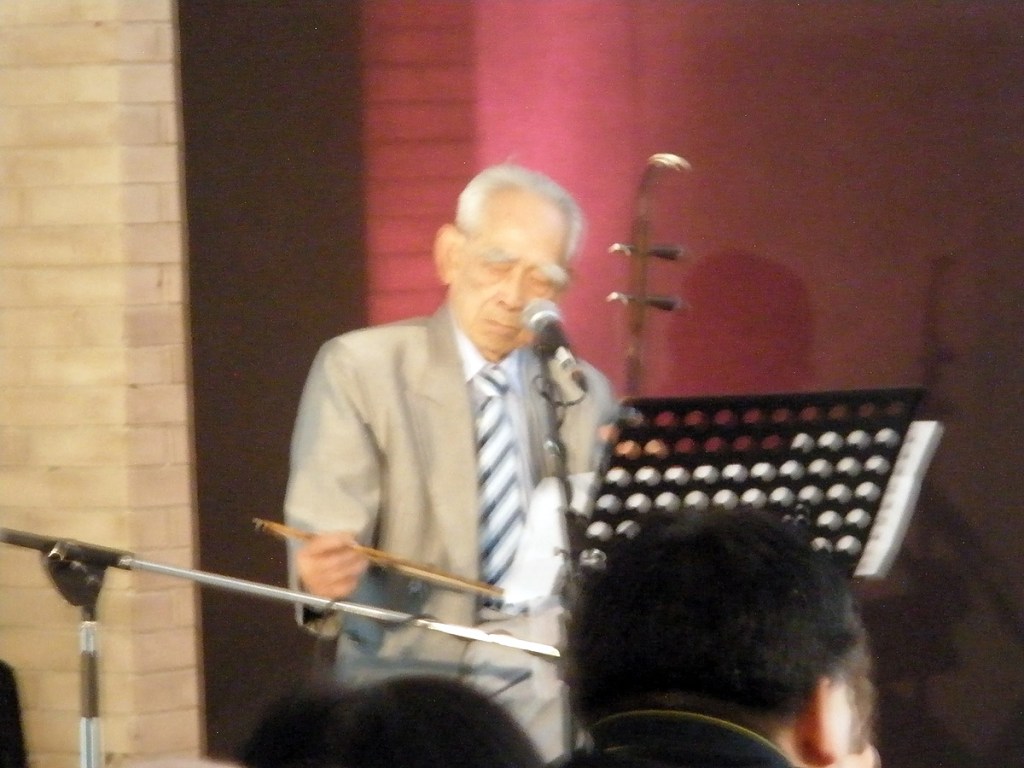
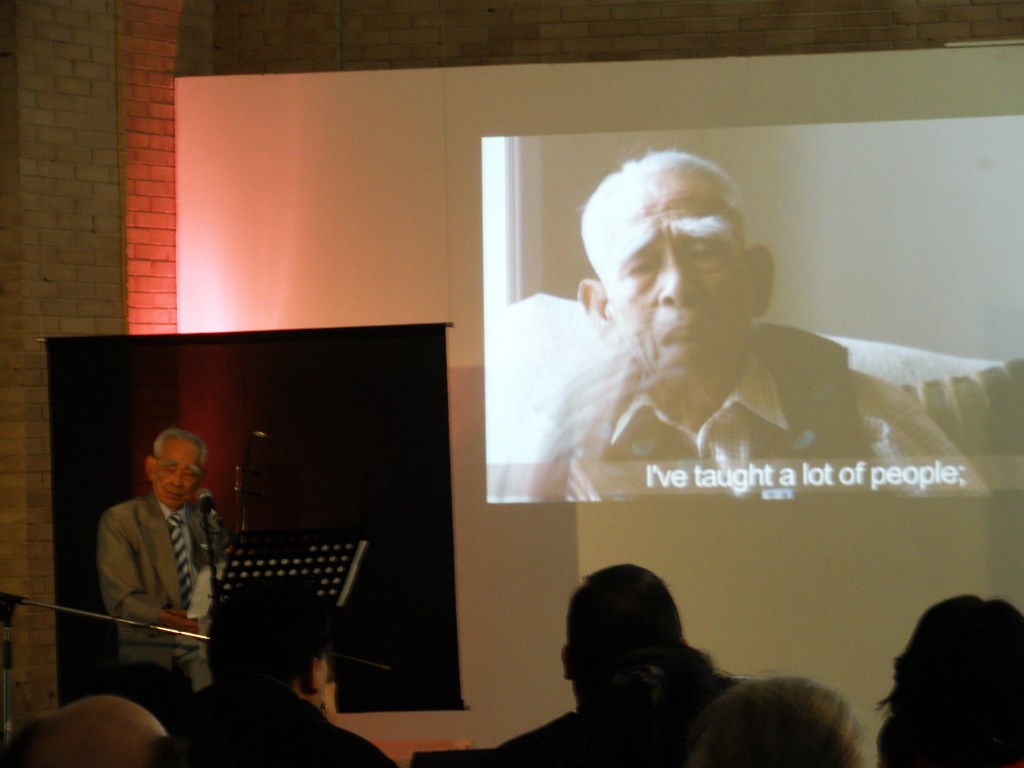
In Sing Juk Sing, Wong and her father, Cantonese opera master Toa Wong, navigate the chasms between tradition and modernity. Livestreamed between Montréal and Vancouver, the performance juxtaposes Toa’s resonant guzheng melodies with Mary’s experimental soundscapes; a dissonant yet tender dialogue.

Wong’s fragmented Cantonese narrates childhood memories, while her father’s music anchors her in ancestral rhythms creating a dissonant yet tender dialogue about internalized racism and acculturation. The title, a play on juk sing (“bamboo essence”), refers to diasporic Chinese straddling cultural divides, like bamboo between knots, straddling two worlds. She adds sing (“to rise”) to evoke hope.
“We are hollow yet resilient,” Wong says, “carrying histories we can’t fully grasp. This work is about finding voice amid fears of not belonging or being forgotten.’”
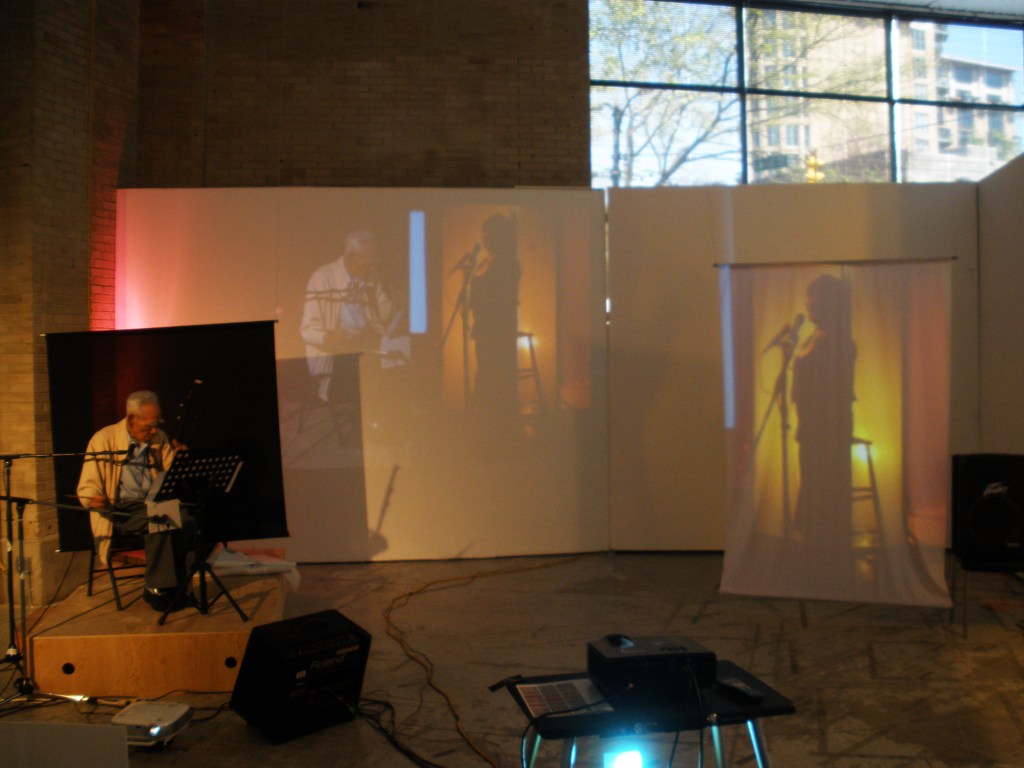
The piece’s raw intimacy reflects universal complexities of inter-generational communication, acculturation, and hybridization; making space for unresolved grief and beauty.
Art as Archive – Reclaiming Chinese Canadian Histories
Her work also transcends aesthetics, by presenting itself as an act of historical reclamation. By weaving archival fragments, family legacies, and diasporic memory, Wong challenges the erasure of Chinese Canadian narratives from mainstream histories. Her art becomes a living archive, one that refuses to let marginalized stories dissolve into silence.
Treasure II: Skies, Landscapes, and the Wisdom of Elders
In Treasure II (2025), Wong juxtaposes a centuries; old Chinese landscape painting with photographs of Vancouver’s skies, creating a dialogue between ancestral artistry and contemporary transience. Displayed at Lansdowne Station as part of the Capture Photography Festival, the work honors two pillars of Chinese culture: the reverence for nature in classical art and the quiet resilience of elders who carry forward traditions in a foreign land.
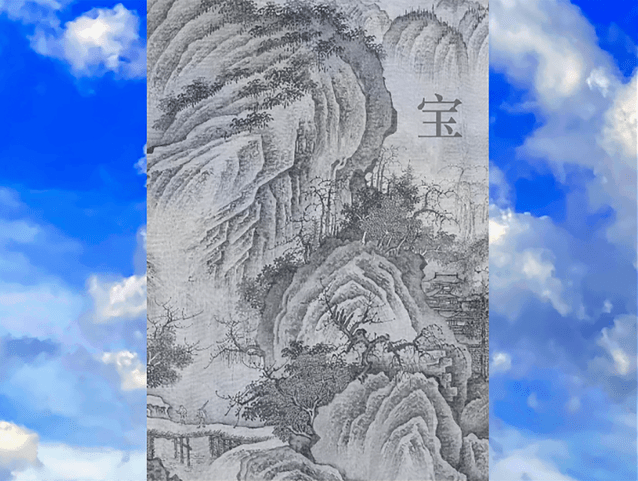
The piece’s public placement in a transit hub is deliberate. As commuters rush past, Treasure II invites pause, disrupting our daily grind, asking Vancouverites to consider what—and who—is often overlooked in the rush of urban life.
Public art, in this context, becomes a form of placekeeping; a refusal to let infrastructure erase cultural memory. It echoes community led murals in Chinatown & East-Hastings, that assert belonging amid encroaching development
Bienvenue: Red Paper, Black Flowers, and the Politics of “No”
In Bienvenue (2010), Wong confronts the commodification of cultural symbols. The installation features red paper cutouts of the Chinese characters 不 (bù, “no”) and 用 (yòng, “use”), layered over black-and-blue paper flowers. The work’s title—French for “welcome”—ironizes the tokenistic embrace of multiculturalism in Western spaces.
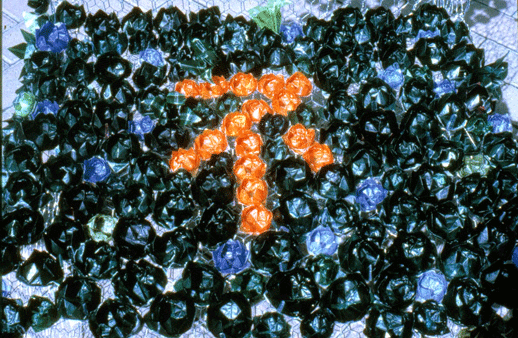
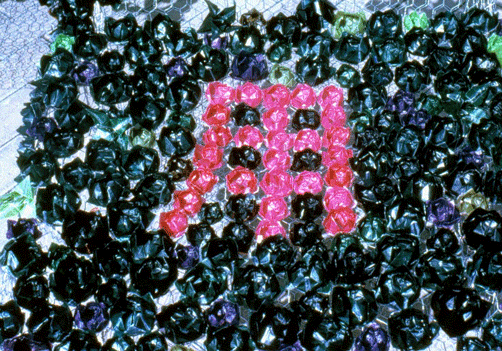
“Red is the color of luck in Chinese culture, but here it bleeds into protest,” Wong says. “The ‘no’ is a refusal to be decorative, to be reduced to exotic ornament.”
This tension between visibility and exploitation resonates beyond Chinatown, speaking to diasporic communities worldwide negotiating belonging in hostile environments.
The Archive as Activism
Wong’s use of archival materials; newspaper clippings, family photos, Cantonese opera scripts, is inherently political. In a 2021 interview, she stated:
“Archives are not neutral. They’re shaped by power. My work is about digging up what’s buried, centering voices that colonialism tried to silence.”
This ethos aligns with grassroots efforts to document Chinatown’s oral histories, but Wong’s approach is distinct. She does not merely preserve, she reanimates. In Ja Na Da Ren (2010), banners hung in Korea’s DMZ blend Chinese calligraphy with Korean hanji paper, created a transnational dialogue of displacement and resilience.
Chinatown’s Echo – Gentrification, Resistance, and Art
Gentrification is not merely a local crisis but a global phenomenon, a collision of capital and culture where communities are reshaped, often erased under the guise of progress. In Vancouver, this process has unfolded with particular ferocity, its tremors felt acutely in neighborhoods like Chinatown. Yet, within this tension, art emerges as both a mirror and a shield, reflecting displacement while armoring identity. Wong’s work, though rooted in personal and collective memory, speaks to this universal struggle, offering a lexicon of resistance that transcends geography.


Gentrification operates in cycles: it dismantles to rebuild, often layering glossy façades over lived histories. Nature Morte, with its flocked furniture encapsulates this paradox. By encasing worn chairs and tables in velvety textures, she suspends them in a state of eerie preservation. These objects, once mundane, become relics of a vanishing everyday; a critique of how gentrification aestheticizes culture while hollowing its substance.
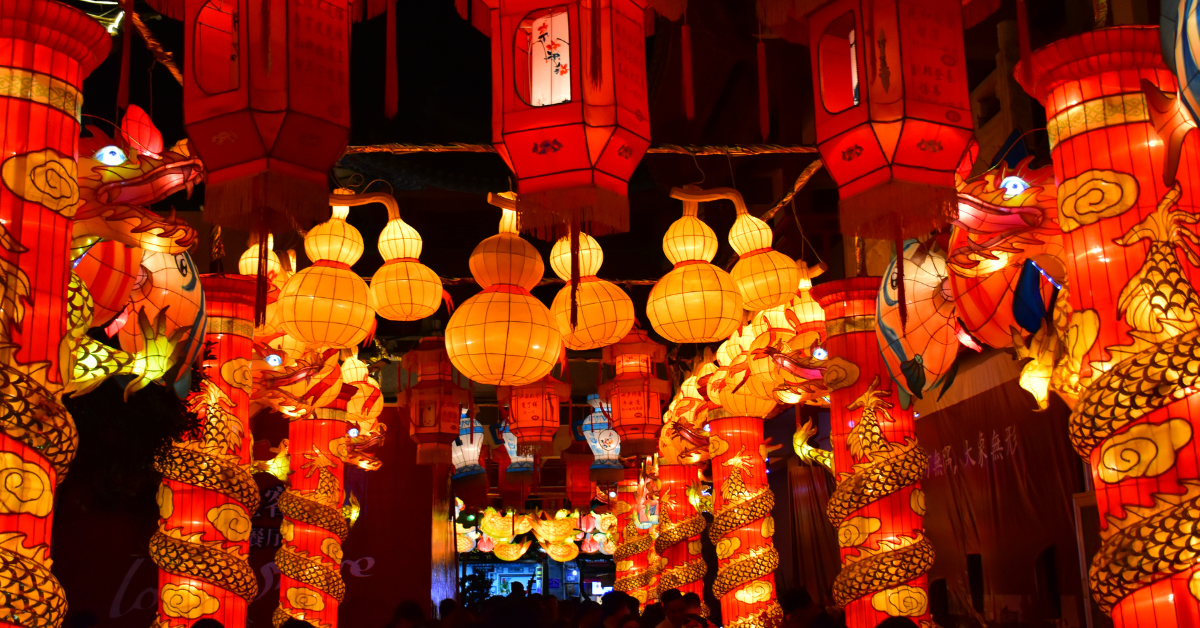
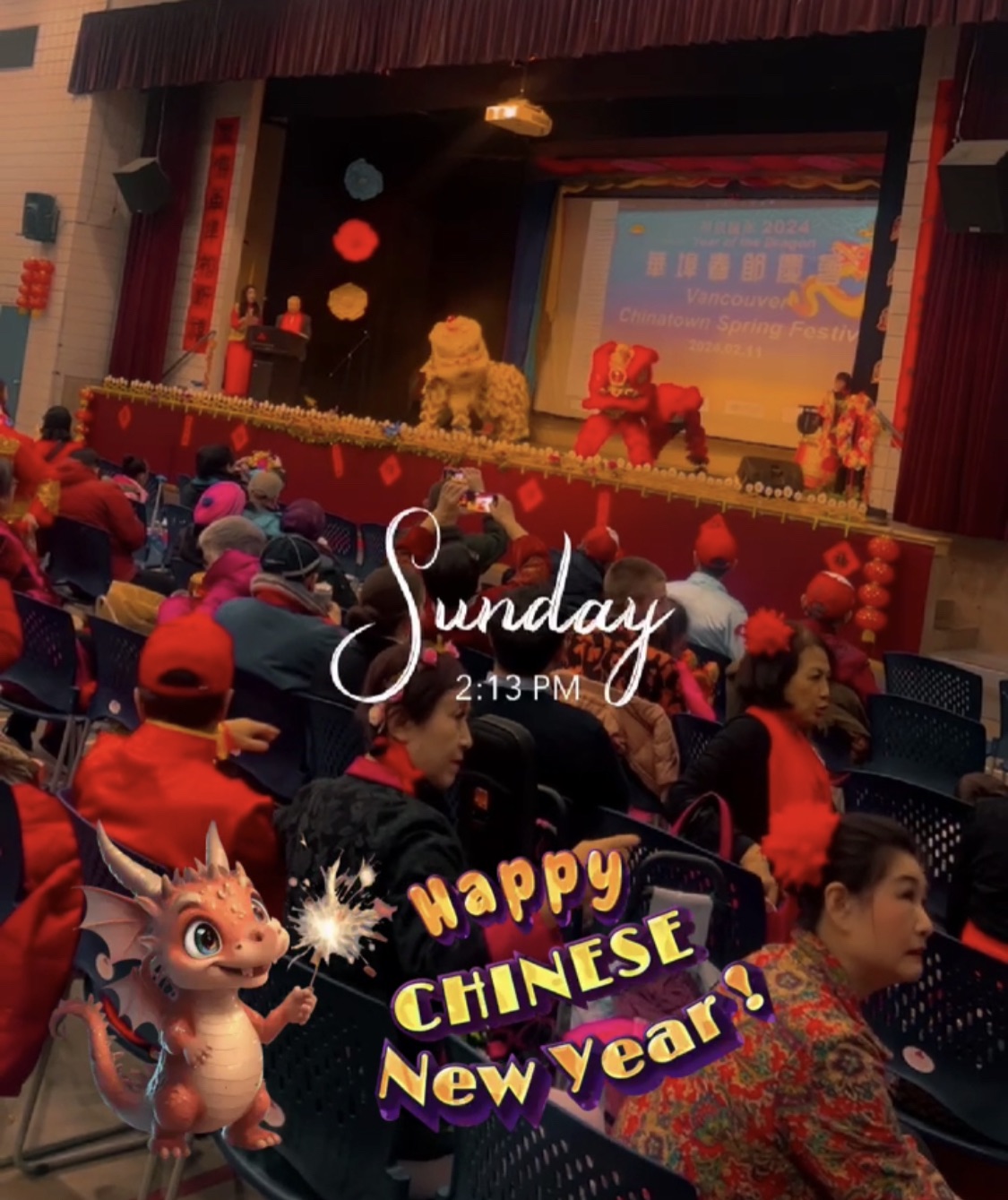
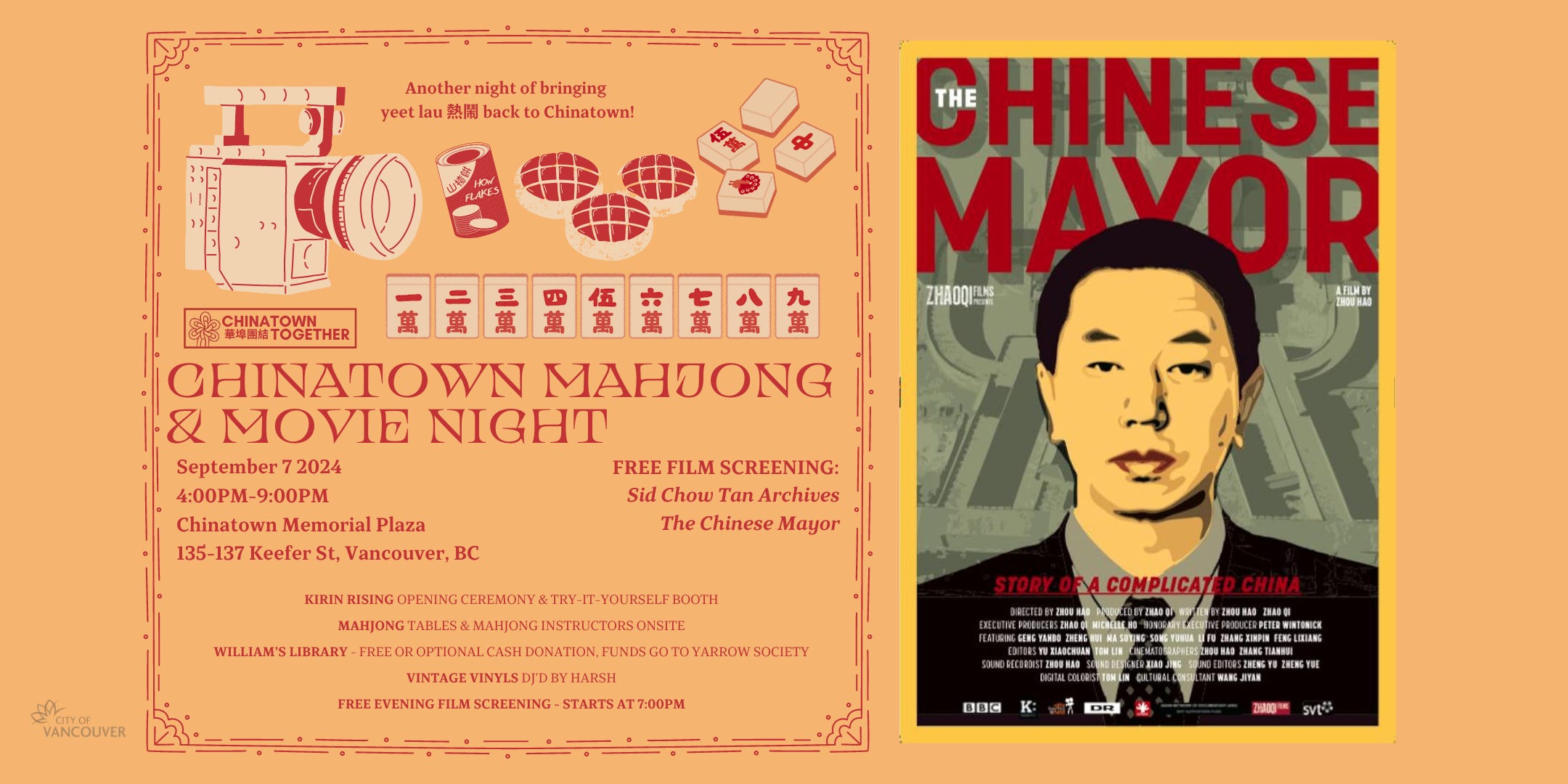
This story is also one of resilience. For over a century, Keefer Street has been a cultural and social hub for Chinese Canadians, a place where traditions (as you’ll see below) are kept alive through festivals, food, and community gatherings. A place I frequenly visit to re energize, paint, meditate.
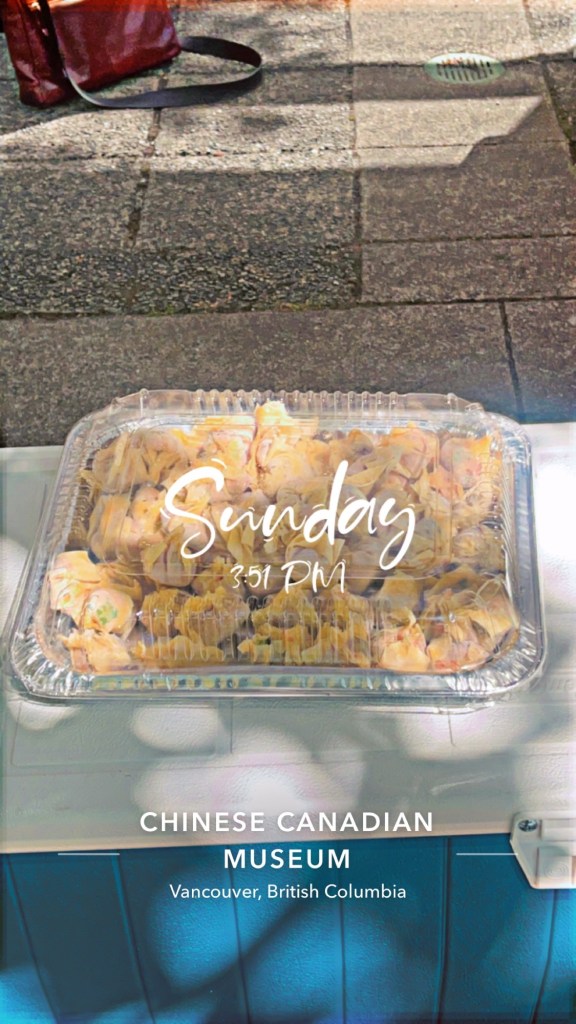
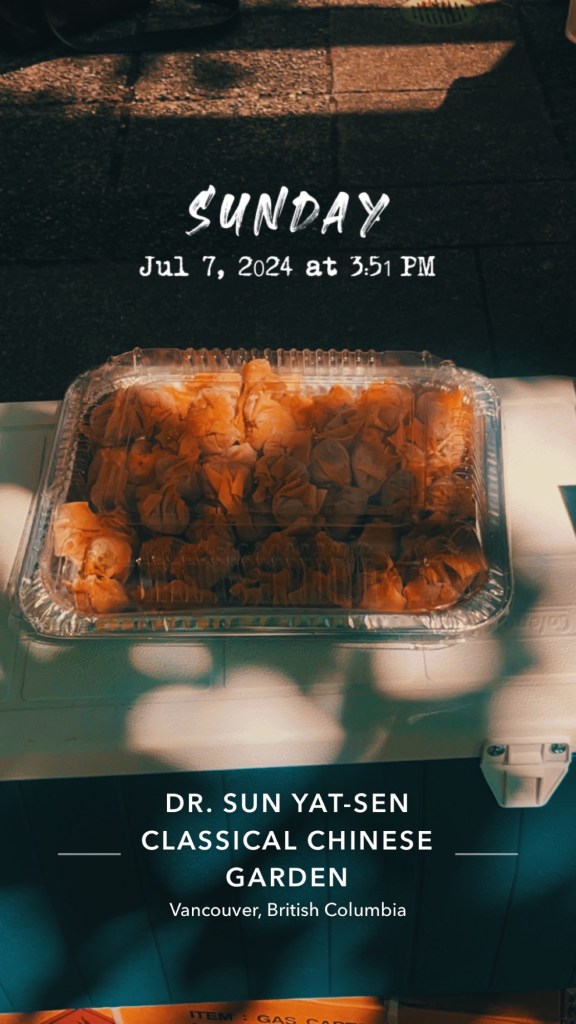
But today, this historic neighborhood faces an existential threat. Rising property prices, luxury developments, and the displacement of long standing businesses and residents are eroding its cultural fabric. The fight to save this historic space is about safeguarding a living, breathing community.
It’s a reminder that art can be a weapon against erasure; a sentiment echoing through the mahjong tournaments, dragon dances, and film screenings that have animated Chinatown’s recent festivals.
Institutions and Complicity
Hosting Wong’s retrospective at the Richmond Art Gallery raises questions about institutional roles in gentrification much like what we explored recently at the Nuxalk Strong exhibit at UBC’s MOA with Indeginous art.
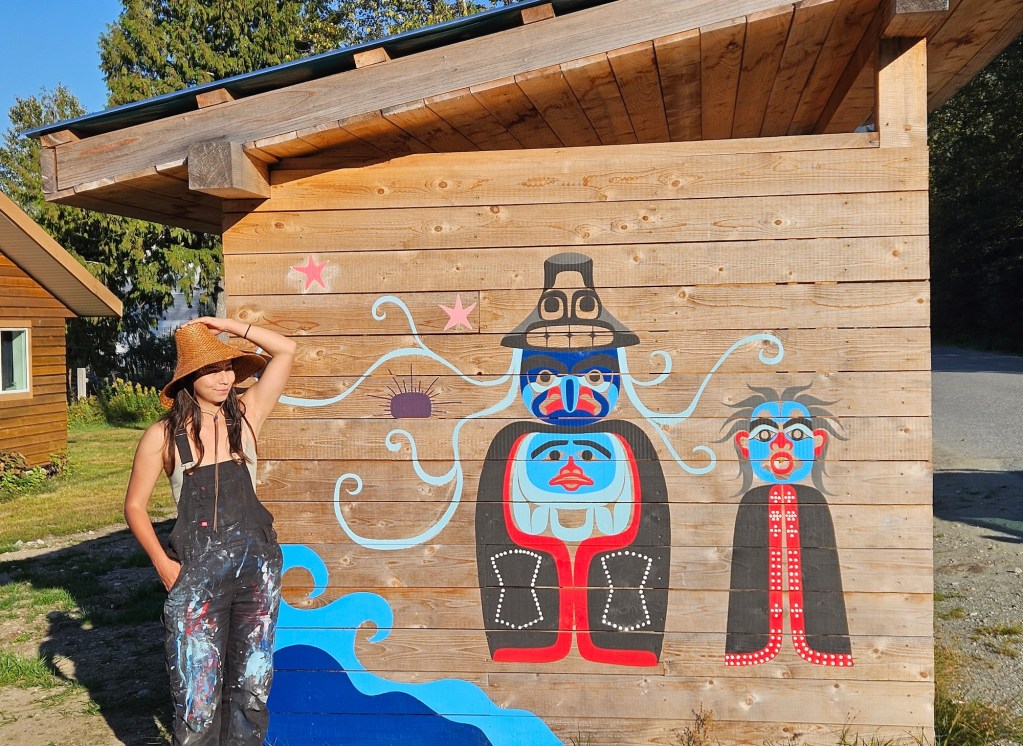
Museums, often gatekeepers of “high culture,” can perpetuate erasure by sidelining marginalized narratives. Yet Wong’s presence here; a Chinese Canadian artist reclaiming space within a colonial framework, subverts this dynamic. Her work demands institutions confront their complicity, transforming galleries into sites of reckoning rather than reverence.
While grassroots movements like SaveChinatownYVR mobilize protests and petitions, this offers a complementary resistance. Her installations, performances, and archives embed Chinatown’s stories into the cultural canon, and thus she ensures they cannot be easily dismantled. This is not activism as confrontation but as endurance, a quiet insistence on legacy.
In this light, Restless by Nature becomes a manifesto: to resist gentrification is not to reject change but to demand it be rooted in justice. Her art, just like Chinatown itself, refuses to be a relic. It is alive, restless, and unyielding. A testament to the power of creativity in the face of erasure.
Public Programming – Engaging the Community
Restless by Nature is not confined to gallery walls. Spilling into the streets, stages, and digital spaces, it invites us Vancouverites to participate in a living dialogue about art and resistance. The exhibition’s public programming, curated to reflect Wong’s ethos of accessibility and inclusivity, transforms passive viewership into active engagement. From intergenerational workshops to cathartic performances, these events amplify the exhibition’s themes while fostering solidarity within and beyond Vancouver’s Chinatown.
Opening Reception: Collective Celebration and the Vancouver Chinese Choir
The exhibition launches on April 12, 2025, with an opening reception that doubles as a communal ritual. The Vancouver Chinese Choir, a group rooted in Cantonese musical traditions, will perform under the gallery’s vaulted ceilings, their harmonies echoing Wong’s exploration of diasporic identity. The choice of choir is deliberate—Cantonese opera and folk songs were once the lifeblood of Chinatown’s social fabric, offering solace to laborers excluded from mainstream cultural spaces.
Attendees will move through the gallery surrounded by sound, their journey punctuated by installations like Yellow Apparel and Nature Morte. The reception culminates in a communal meal featuring dishes from Chinatown’s legacy restaurants, bridging art and sustenance in a nod to Wong’s belief that “food is the first language of care.”
Gold Mountain Live: Catharsis in Destruction
On April 15, 2025, Wong will stage a live iteration of Gold Mountain in the Richmond Cultural Centre Performance Hall. The pagoda-smashing performance, followed by a curator-led tour with Zoë Chan, invites us to witness the visceral process of destruction and renewal.
Post-performance, attendees will engage in a workshop where they gild broken ceramics, transforming shards into collaborative mosaics. This hands-on act mirrors grassroots efforts to repurpose Chinatown’s cultural debris—whether salvaging neon signs from demolished buildings or archiving oral histories at risk of erasure.
Mandarin Tours: Tea, Tradition, and Intergenerational Dialogue
On May 3, 2025, the gallery will host a Mandarin-language tour, inviting elder Chinatown residents and Mandarin-speaking communities to explore the exhibition through a culturally specific lens. Guided by bilingual docents, the tour unpacks Wong’s use of materials like hanji paper and Cantonese opera motifs, contextualizing them within broader Chinese Canadian histories.
The tour concludes with a tea ceremony in the gallery’s atrium, where participants sip oolong from porcelain bowls reminiscent of those in Well Wishers. “Tea is how we slow down, how we remember,” says docent Mei Lin. “In a neighborhood pressured to ‘modernize,’ this is our quiet rebellion.”
Artist Salon: Motherhood, Mentorship, and Making Space
On May 28, 2025, Wong will host an online artist salon, reflecting on her dual roles as an artist and mother. The conversation, streamed globally, will delve into her mentorship of Asian diaspora artists through collectives like Little Pear Garden and her advocacy for childcare access in the arts.
The salon will feature testimonials from Wong’s mentees, including Montréal-based artist Tien Neo, who credits Wong with “teaching us to turn grief into grit.” Registrants will receive a digital zine with resources for socially engaged artists, from grant-writing tips to self-care strategies.
Doors Open Richmond: Public Art and the Canada Line Walk
On June 7, 2025, the exhibition extends into the city with a walking tour co-hosted by the Capture Photography Festival. Participants will traverse the Canada Line, stopping at Lansdowne Station to view Wong’s Treasure II and other public artworks that interrogate urban development.
The tour ends at the Richmond Art Gallery, where attendees will debrief over tea and mooncakes. “Public art isn’t decoration—it’s a question,” says curator Zoë Chan. “Whose stories do we prioritize in our streets? Whose do we erase?”
Let’s learn, reflect, and uplift. See you there!
🙌
For more updates and to follow my adventures, connect with me on:

Choose an amount
Or enter a custom amount


© Richmond Art Gallery.
Richmond Art Gallery and Mary Sui Yee Wong acknowledge the support of the Canada Council for the Arts. The artist also recognizes the support of the Conseil des arts et des lettres du Québec and Concordia University Part-time Faculty Association.